Where do slugs live?
Short answer
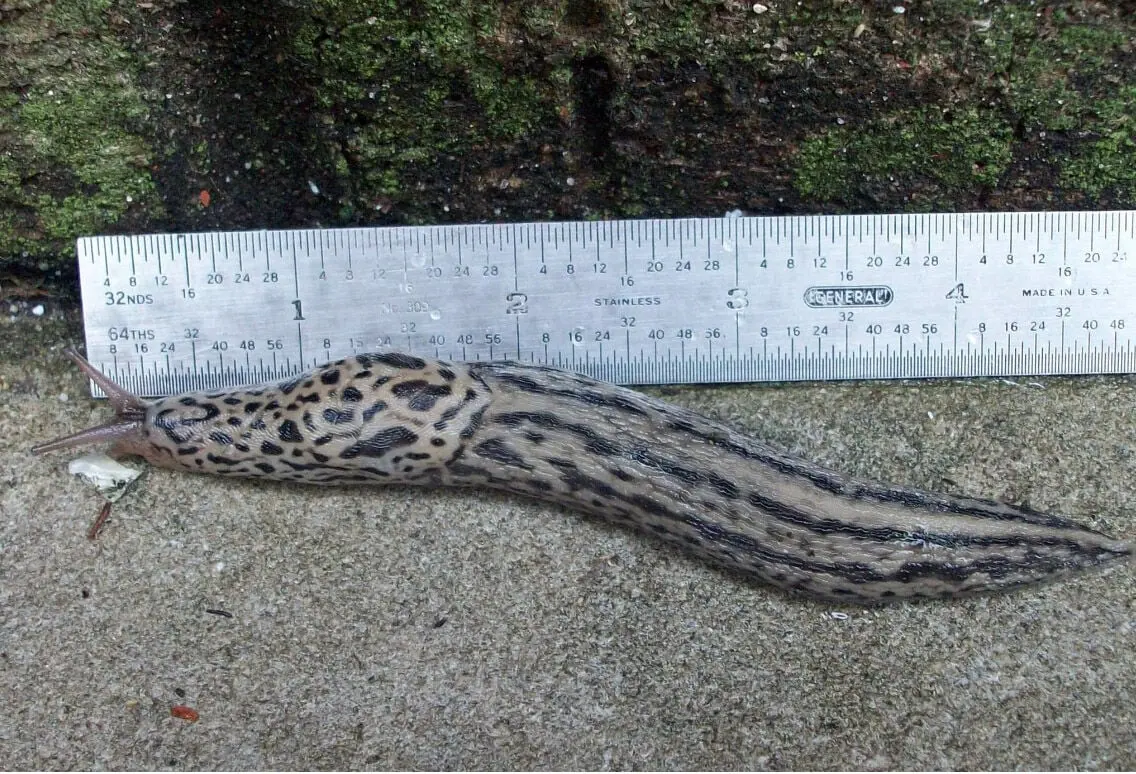
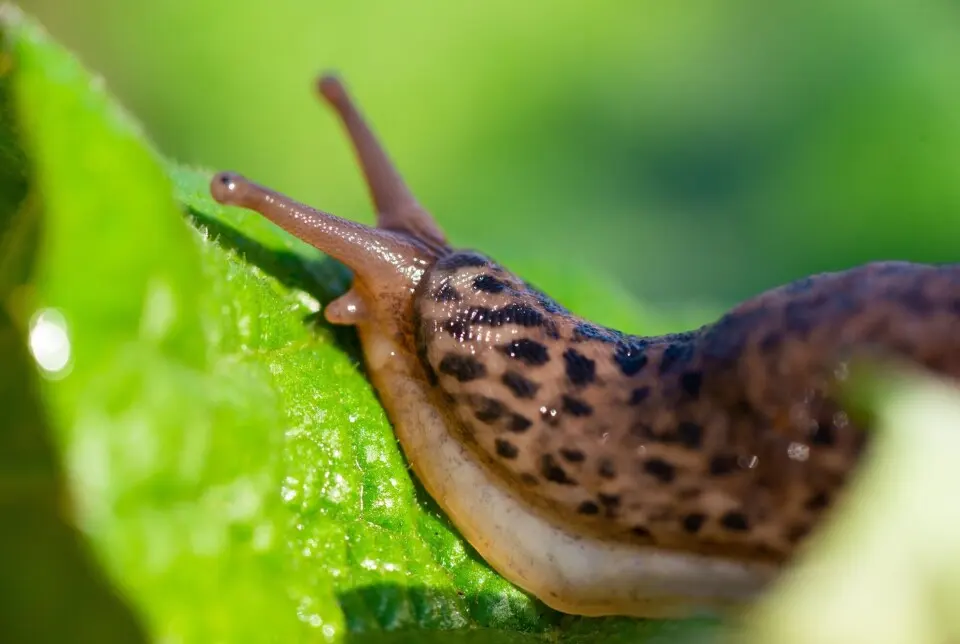
Slugs live in moist, shaded environments across nearly every continent, primarily inhabiting gardens, woodlands, and damp soil. They require high humidity to prevent dehydration, as their bodies are composed mostly of water. You will typically find them under decaying logs, beneath dense leaf litter, or in dark, cool crevices during the day.
On this page
Where do slugs live in gardens?
Slugs are most commonly found in home gardens, where they thrive in the microclimates created by dense vegetation and moisture-retaining soil. They prefer areas that remain cool and shaded throughout the day, such as beneath thick layers of mulch, under inverted flower pots, or near the base of leafy plants like hostas and lettuce. Because slugs are nocturnal, they spend the daylight hours hiding in these damp, protected spots to avoid the drying effects of direct sunlight.
Gardeners often find them in locations where organic matter accumulates, as this provides both shelter and a ready food source. If your garden features heavy clay soil or areas with poor drainage, these spots are particularly attractive to slugs. To identify their presence, look for the telltale shimmering trails of dried mucus left on leaves or pathways. These trails indicate that slugs have been active in the area overnight, moving from their daytime refuges to feed on nearby foliage.
How to find slugs in the wild
In natural ecosystems, slugs occupy diverse habitats ranging from temperate forests to marshy wetlands. They are highly dependent on high humidity levels, which is why they are most abundant in regions with significant rainfall or consistent dew. You can locate them by searching in areas where the ground stays damp, such as:
- Beneath rotting logs and fallen branches.
- Underneath large, flat rocks or stones.
- Within dense clusters of ferns or mossy patches.
- Inside the hollows of decaying tree stumps.
- Near the edges of streams, ponds, or other freshwater bodies.
These environments offer the protection needed to keep their skin moist. During periods of extreme heat or drought, slugs will burrow deeper into the soil or retreat into subterranean crevices to avoid desiccation. By digging a few inches into soft, organic-rich earth in a shaded forest, you are likely to encounter them resting in the cool, dark soil.
Why do slugs need moisture?
The biology of a slug necessitates a constant supply of moisture because they lack a protective shell. Their skin is permeable, meaning they lose water rapidly through evaporation when exposed to dry air or sunlight. To combat this, slugs secrete a thick, protective mucus that acts as a barrier against dehydration. This slime also serves as a lubricant, allowing them to glide over rough surfaces without damaging their soft underbellies.
If a slug enters an environment that is too dry, it will quickly become lethargic and may eventually perish. This is why you will rarely see them moving across open, sunny pavement during the middle of the day. Their reliance on moisture dictates their entire life cycle, forcing them to remain active only when humidity is high or temperatures are cool. Understanding this physiological limitation is key to predicting where they will congregate in any given landscape.
Common mistakes when looking for slugs
Many people fail to find slugs because they look at the wrong time of day or in the wrong conditions. A frequent mistake is searching during the peak of a sunny afternoon when the slugs are safely hidden away in deep cover. To increase your chances of finding them, you should adjust your timing and approach:
- Wait until dusk or late at night when slugs emerge to feed.
- Use a flashlight to scan the undersides of leaves and damp soil surfaces.
- Check after a light rain shower, as this is when they are most active.
- Avoid stepping on plants, as this can disturb their hiding spots and cause them to retract.
- Look for slime trails on walkways, which often lead directly to their daytime shelters.
Another common error is neglecting to check the "hidden" side of objects. Slugs rarely sit on top of a rock or log; they almost always prefer the underside where moisture is trapped. By carefully lifting debris rather than just glancing at the surface, you will have much greater success in observing them.
Best ways to manage slug habitats
If you are looking to manage slug populations in your garden, the most effective strategy involves altering their preferred environment. Since slugs rely on damp, dark, and sheltered spots, removing these features can significantly reduce their presence. Start by clearing away piles of garden debris, such as old wood, weeds, or decaying leaves, which provide ideal daytime housing. You should also consider thinning out dense plantings to improve air circulation, which helps the soil surface dry out more quickly after rain.
For a more proactive approach, you can create "trap" areas that are easy to monitor. By placing a damp piece of cardboard or a wooden board in a shaded area, you create an artificial habitat that slugs will choose over your prized plants. Each morning, you can simply lift the board and relocate any slugs you find. This method is far more effective than broad-spectrum treatments, as it targets the slugs directly in their preferred hiding spots while keeping your garden ecosystem intact and healthy.
Key facts
- Slugs require high humidity because their bodies are composed of approximately 90 percent water.
- They are most active at night or during overcast, rainy weather to prevent dehydration.
- During dry spells, slugs retreat into cool, damp crevices under rocks, logs, or deep in soil.
- Most garden slugs live for one to two years, though some species may live longer in ideal conditions.
- Slugs are hermaphrodites, meaning each individual possesses both male and female reproductive organs.
- To protect plants, place copper tape around containers, as the metal reacts with slug mucus to create a mild shock.
The bottom line
Slugs are moisture-dependent gastropods that thrive in damp, dark environments across the globe. By seeking shelter under organic debris or within soil during the day, they maintain the hydration necessary for survival. Whether you are managing a garden or simply observing nature, understanding their need for humidity and nocturnal habits is the key to successfully locating them or mitigating their impact on your plants.
People also ask
Do slugs hibernate in the winter?
Slugs do not hibernate in the traditional sense, but they become dormant when temperatures drop below freezing. They often burrow deep into the soil or find sheltered spots beneath debris to wait for warmer weather.
Why do slugs leave a slime trail?
This mucus serves as a protective lubricant that allows the slug to glide over rough surfaces without injury. It also helps retain moisture and acts as a chemical signal to communicate with other slugs.
Can slugs survive in my house?
Slugs can enter homes through small gaps in doors or foundations if the interior is damp, such as in basements or bathrooms. They generally do not thrive indoors unless there is a consistent source of moisture and organic material to feed on.
What do slugs eat in the wild?
Most slugs are detritivores, meaning they feed on decaying plant matter, fungi, and fallen leaves. Some species are predatory and will eat other slugs, earthworms, or insect eggs.
How far can a slug travel in one night?
While they are famously slow, a slug can travel several meters in a single night while foraging for food. Their speed is limited by the energy required to produce their protective slime.
Are slugs harmful to pets?
While slugs are not inherently poisonous, they can carry lungworm larvae, which are dangerous if ingested by dogs or cats. It is best to prevent pets from playing with or eating slugs found in the yard.
This answer was created with the help of AI research tools and reference sources. Spotted an error? Let us know — we correct mistakes quickly. See our editorial policy.