What is Art Deco architecture?
Short answer
Art Deco is a decorative architectural style that emerged in the 1920s, characterized by sleek, geometric forms, bold ornamentation, and a focus on modernity. It emphasizes symmetry, stepped-back facades, and luxurious materials like chrome, glass, and terracotta. Popularized between the two World Wars, it remains a symbol of glamour and industrial progress.
On this page
What defines Art Deco architecture
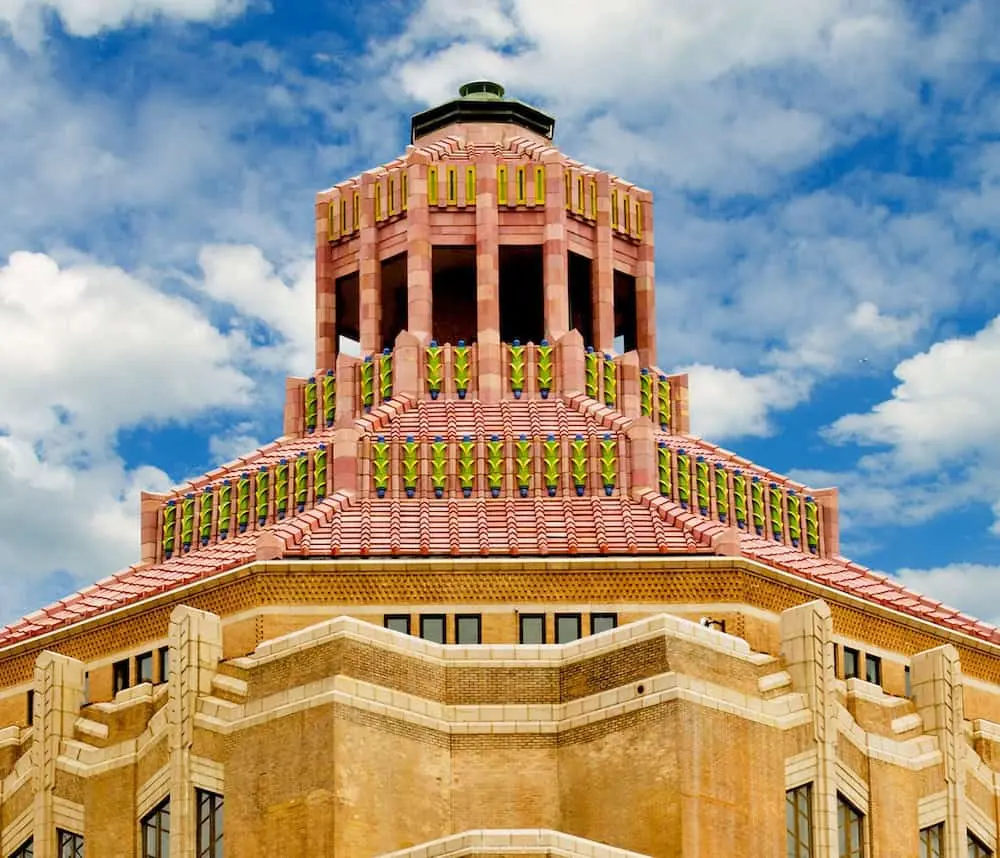
Art Deco architecture is defined by its embrace of the machine age and a departure from the ornate, organic curves of the earlier Art Nouveau movement. The style prioritizes verticality, often utilizing setbacks—a design feature where the building narrows as it rises—to create a stepped silhouette. These structures frequently feature smooth wall surfaces, such as stucco or stone, contrasted with metallic accents or vibrant terra-cotta panels.
The aesthetic is heavily influenced by geometric shapes, including zigzags, chevrons, sunbursts, and stylized floral motifs. Architects often integrated these patterns into window frames, door surrounds, and decorative friezes. While the style began in France, it gained global prominence in the United States, where it became the signature look for the soaring skyscrapers of the 1930s.
- Symmetrical facades that emphasize balance.
- Streamlined, aerodynamic forms inspired by aviation and trains.
- Use of expensive materials like marble, obsidian, and chrome.
- Stylized, repetitive geometric ornamentation.
- Bold color palettes often featuring gold, silver, or high-contrast black and white.
Where to see famous Art Deco buildings
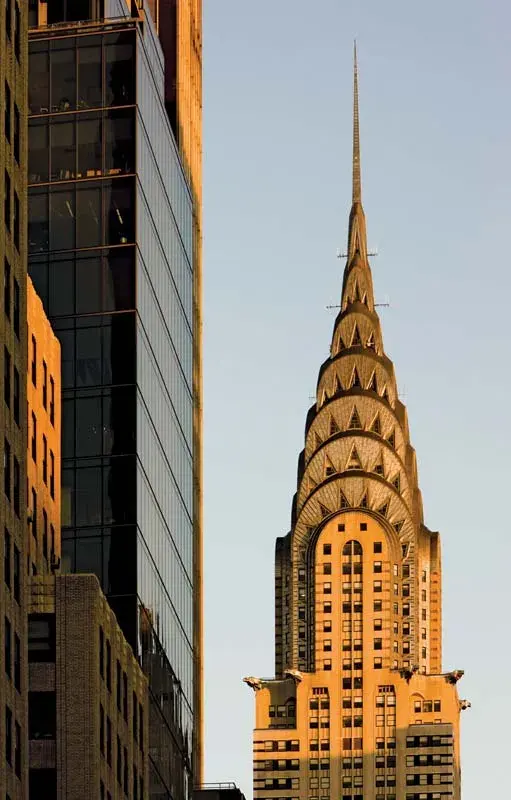
The most iconic examples of Art Deco are found in major metropolitan centers that experienced rapid growth during the 1920s and 1930s. New York City is home to the most famous specimens, most notably the Chrysler Building, completed in 1930. Its stainless-steel terraced crown and eagle gargoyles remain the definitive representation of the style’s obsession with speed and luxury.
In addition to New York, Miami’s South Beach district contains the world’s largest collection of Art Deco architecture. Unlike the towering skyscrapers of the North, these buildings are typically low-rise hotels and apartments. They feature pastel colors, porthole windows, and neon lighting, reflecting a "Tropical Deco" variation that emphasizes leisure and coastal elegance rather than industrial power.
- The Chrysler Building, New York City (1930)
- The Empire State Building, New York City (1931)
- The Eastern Columbia Building, Los Angeles (1930)
- The Hoover Building, London (1933)
- The Marine Building, Vancouver (1930)
How to identify Art Deco features
Identifying Art Deco architecture requires looking for specific visual cues that distinguish it from other early 20th-century styles. Start by examining the building’s exterior for symmetry and vertical lines. Architects of this period intentionally used vertical piers and recessed windows to draw the eye upward, creating a sense of height and aspiration that was central to the era's optimism.
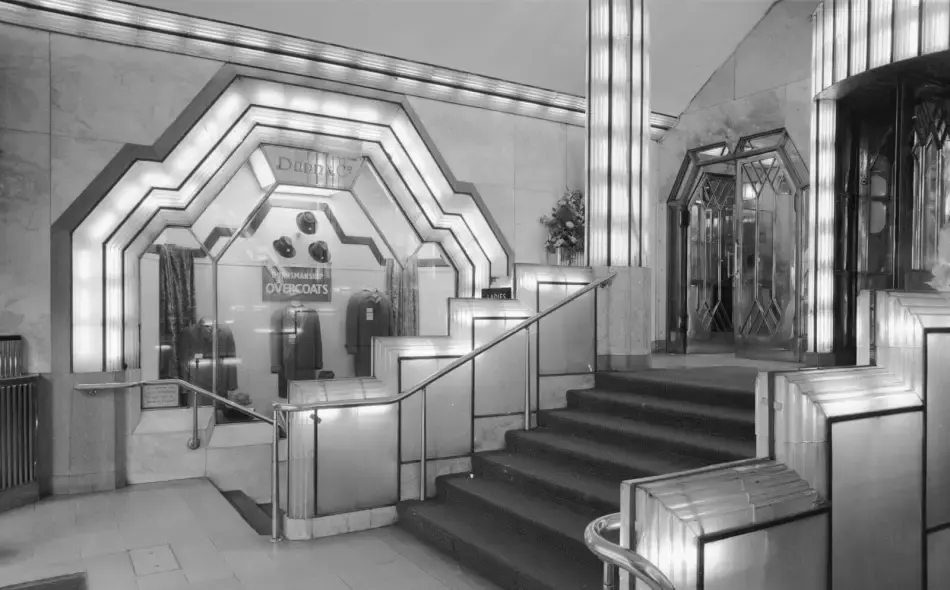
Next, inspect the ornamentation around entrances and rooflines. Art Deco buildings rarely leave these areas plain; look for intricate metalwork, bas-relief sculptures of stylized figures, or geometric tile patterns. The doors themselves are often grand, featuring heavy brass or bronze hardware that echoes the geometric motifs found elsewhere on the facade. If the building appears to have been designed with a "streamlined" look, featuring rounded corners or horizontal grooves, it likely belongs to the later Streamline Moderne sub-style.
- Look for setbacks that create a "wedding cake" profile.
- Check for decorative panels featuring sunburst or fountain motifs.
- Observe the use of glass blocks, which were popular for letting in light.
- Note any neon signage integrated directly into the architectural design.
Common mistakes when analyzing Art Deco
A frequent error is confusing Art Deco with Art Nouveau. While Art Nouveau, which peaked around 1900, utilizes flowing, asymmetrical lines inspired by plants and vines, Art Deco is strictly geometric and structured. If a building looks like it could be found in a forest, it is likely Art Nouveau; if it looks like it belongs in a jazz club or an industrial factory, it is Art Deco.
Another mistake is assuming that all Art Deco buildings are massive skyscrapers. While the style is famous for high-rises, it was also applied to cinemas, gas stations, and private residences. Many smaller structures utilized the same design principles on a more intimate scale. Do not overlook the details of smaller commercial buildings, as they often contain the most interesting and well-preserved examples of the style’s ornamental versatility.
- Avoid assuming all Art Deco is gold and black; many examples are colorful.
- Do not mistake the "Streamline Moderne" style for generic modernism.
- Remember that Art Deco is a decorative style, not a structural system.
Why Art Deco remains popular today
The enduring appeal of Art Deco lies in its inherent sense of optimism and luxury. During the Great Depression, these buildings served as beacons of hope and progress, offering a glamorous escape from economic hardship. Today, that same feeling of sophistication continues to attract architects and designers who seek to incorporate elements of the "Jazz Age" into contemporary projects.
Restoration efforts have also played a significant role in keeping the style alive. Many cities have designated Art Deco districts as historic landmarks, ensuring that these buildings are preserved rather than demolished. By maintaining these structures, urban centers retain a tangible connection to a transformative period in design history. The style's emphasis on clean lines and bold geometry remains highly compatible with modern tastes, proving that the aesthetic of the 1930s is truly timeless.
Key facts
- Art Deco emerged in Paris around 1910 and reached its peak global popularity between 1925 and 1939.
- The style is defined by geometric shapes, clean lines, streamlined forms, and the use of modern materials like chrome, glass, and steel.
- Decorative motifs often feature sunbursts, zigzags, chevrons, and stylized floral or animal patterns.
- Buildings frequently incorporate "setbacks," which are stepped-back upper stories designed to allow sunlight to reach the street level.
- Common mistakes in identifying Art Deco include confusing it with Art Nouveau, which features organic, flowing, and asymmetrical natural forms.
- When restoring Art Deco features, avoid replacing original geometric metalwork with modern, plain alternatives, as the intricate detail is essential to the style’s character.
The bottom line
Art Deco remains a defining aesthetic of the early 20th century, representing an era of technological optimism and luxury. By blending industrial efficiency with decorative craftsmanship, it transformed urban skylines and interior design alike. Whether viewing a towering skyscraper or a streamlined home, the style is recognizable by its commitment to bold symmetry and geometric elegance, leaving an enduring legacy on modern global architecture and design.
People also ask
How does Art Deco differ from Art Nouveau?
Art Nouveau, popular from 1890 to 1910, emphasizes organic, flowing curves inspired by plants and flowers. Art Deco, which followed, favors rigid geometry, symmetry, and industrial motifs that reflect the machine age.
What are the most famous examples of Art Deco skyscrapers?
The Chrysler Building and the Empire State Building in New York City are the most iconic examples. Both utilize the style’s signature setbacks and elaborate, metallic ornamentation to create a sense of verticality and grandeur.
Did Art Deco influence residential home design?
Yes, the style was adapted for residential use through "Streamline Moderne," a subset of Art Deco. These homes often feature rounded corners, smooth white walls, and horizontal porthole windows resembling ocean liners.
What materials are most common in Art Deco architecture?
Architects frequently used expensive, modern materials to project luxury and progress. Common choices include terracotta, structural glass, stainless steel, aluminum, and inlaid exotic woods or stone for interior detailing.
Why did Art Deco fall out of fashion?
The style declined after the start of World War II as it became associated with excess and opulence. It was largely replaced by the more austere, functional, and minimalist International Style.
Can I identify Art Deco by color palettes?
Art Deco often employs high-contrast color schemes to emphasize geometry. Popular combinations include black and gold, silver and chrome, or vibrant, saturated colors paired with stark white or black backgrounds.
This answer was created with the help of AI research tools and reference sources. Spotted an error? Let us know — we correct mistakes quickly. See our editorial policy.