What is a baby lion called?
Short answer
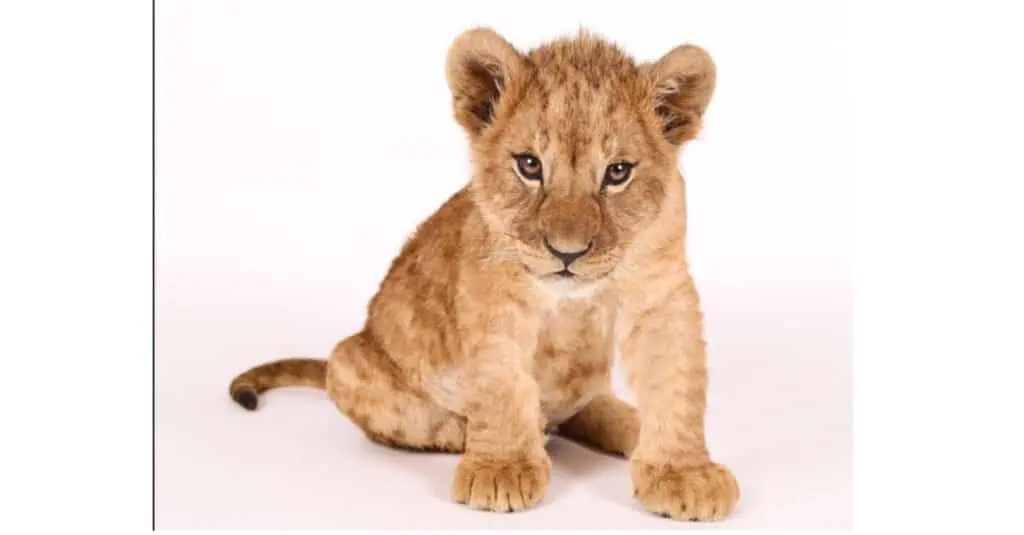
A baby lion is called a cub. Sometimes referred to as a whelp or a lionet, these terms are rarely used in scientific or conservation contexts. Cubs are born into a social unit known as a pride and remain highly dependent on their mothers for protection and nourishment during their first year of life.
On this page
What is a lion cub’s early life like?
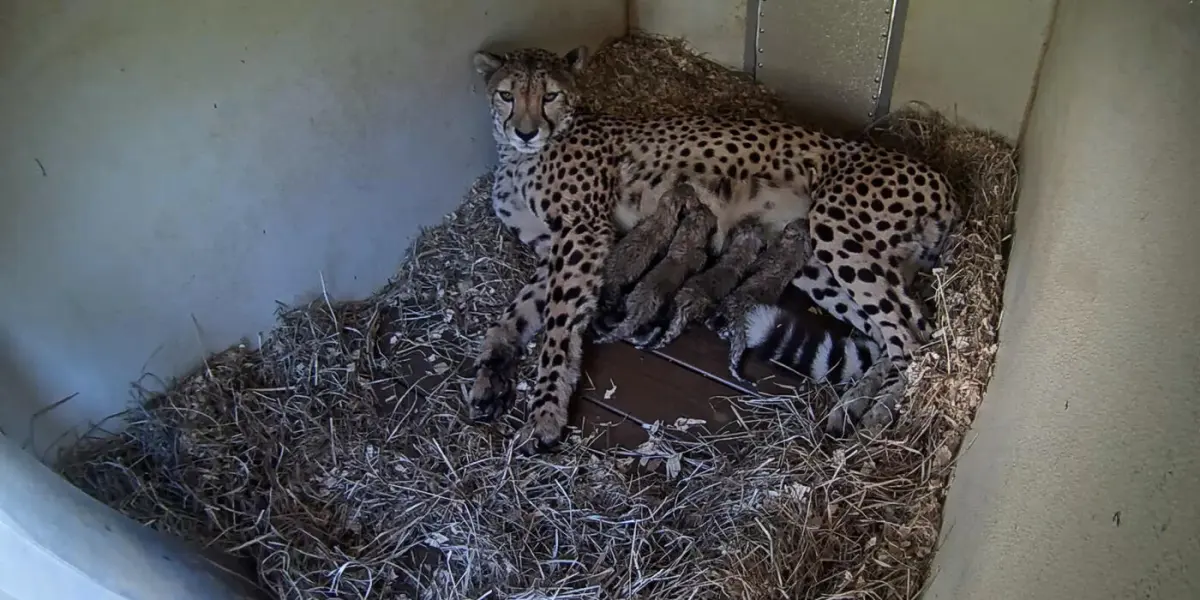
Lion cubs are born in litters, typically ranging from one to four individuals, after a gestation period of approximately 110 days. At birth, they are completely helpless, weighing only about 3 to 4 pounds and possessing closed eyes that do not open for roughly a week. They are born with a spotted coat that helps them camouflage within the tall grasses of their savanna habitat, a trait that usually fades as they mature into adulthood.
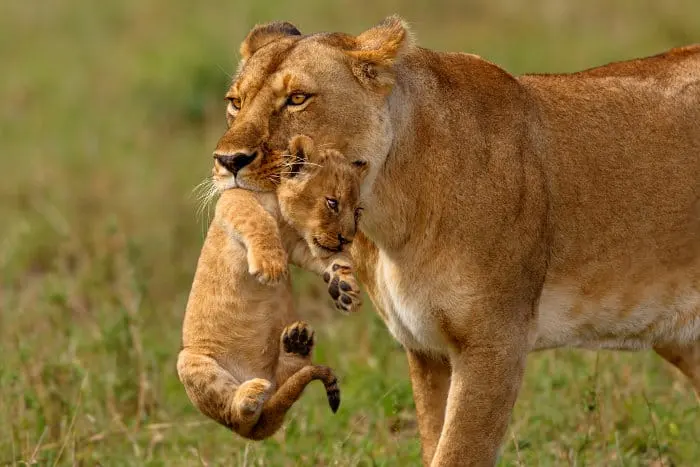
During the first few weeks, the mother keeps the cubs hidden away from the rest of the pride to protect them from predators and rival males. Once they are strong enough to join the pride, they begin to socialize with other members. This period is critical for their development, as they learn the complex social dynamics required to survive in a pride. The survival rate for cubs is notoriously low, with many failing to reach adulthood due to predation, starvation, or infanticide by competing males.
How do lion cubs grow and develop?
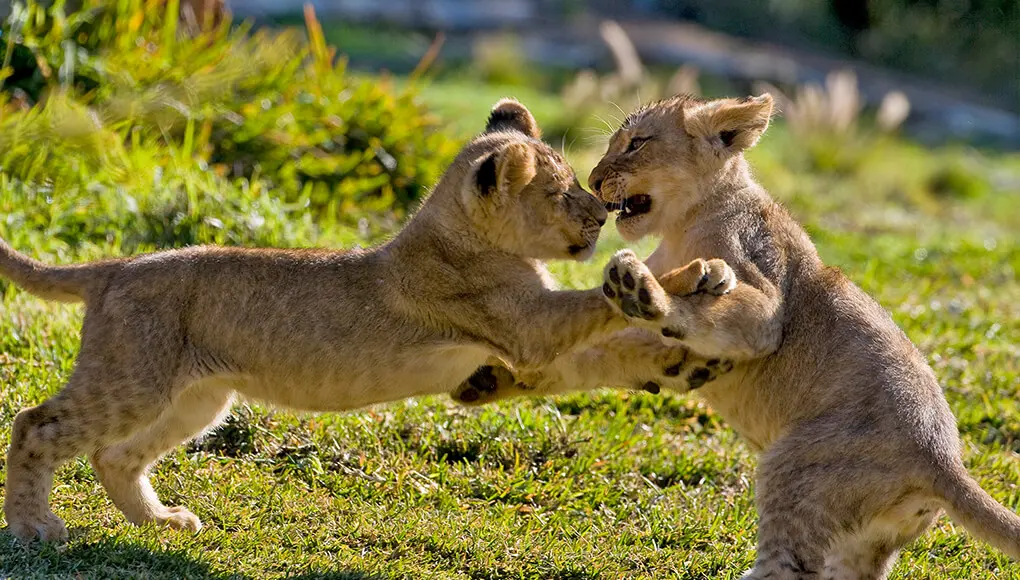
As cubs grow, they transition from a strictly milk-based diet to consuming meat provided by the pride. By the age of six to seven months, they are fully weaned, though they continue to rely on the adults for food until they are nearly two years old. During this time, they engage in intense play, which serves as essential training for future hunting and territorial defense.
- At 3 months: Cubs begin to follow their mothers on hunts to observe the pride’s tactics.
- At 6 months: They start participating in small-scale stalking exercises with their siblings.
- At 12 months: They are physically capable of hunting but still lack the experience to bring down large prey independently.
- At 24 months: Young lions are considered sub-adults and may begin to assert their independence from the pride.
Why do lion cubs stay in a pride?
The pride structure is essential for the survival of a cub, providing a safety net that solitary lions do not possess. Females within a pride often synchronize their birthing cycles, which allows them to nurse each other’s cubs. This communal nursing, known as allonursing, ensures that even if one mother is away hunting, the cubs have access to milk and protection from other adult females in the group.
- Communal defense: Multiple adults protect the cubs from hyenas, leopards, and rival male lions.
- Shared hunting: The pride’s collective success provides a more consistent food supply for growing cubs.
- Social bonding: Early interaction establishes the hierarchy and cooperative behaviors necessary for adult life.
- Genetic security: The pride protects the lineage of the dominant males, though this also makes cubs vulnerable if a new coalition takes over.
Common mistakes when observing lion cubs
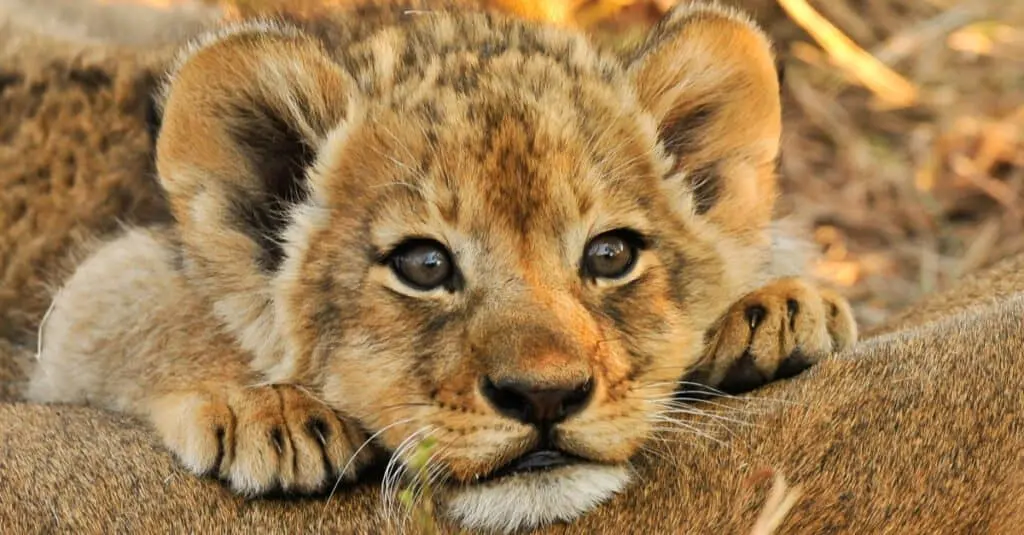
Many wildlife enthusiasts make the error of approaching lion cubs too closely, which is dangerous for both the human and the animal. A mother lion is extremely protective and will perceive any intrusion as a direct threat to her offspring. Even if the mother appears calm, her instinctual drive to defend her cubs can trigger an immediate, aggressive response. Never attempt to feed or touch a cub, as human interaction can lead to the cub’s rejection by the pride or habituation to humans, which often results in a fatal outcome for the animal.
Another frequent mistake is assuming that a cub seen alone is abandoned. In many cases, the mother has simply left the cub in a secure location while she hunts or scouts the area. Removing a cub from the wild under the false assumption that it is orphaned is a serious intervention that disrupts the natural life cycle and can lead to the cub's permanent displacement from its social group.
How do cubs transition to adulthood?
The transition to adulthood is a difficult phase marked by significant changes in social status and physical capabilities. For males, this process involves being pushed out of the pride by the dominant coalition, usually between the ages of two and three. These young males then become nomads, wandering vast distances to avoid conflict with established pride males while they build up their strength and eventually attempt to take over a pride of their own.
Females often remain with their natal pride, contributing to the group’s long-term stability and success. As they reach sexual maturity around age three or four, they begin to have their own litters, continuing the cycle of the pride. This gender-specific divergence is a fundamental aspect of lion biology, ensuring that the pride remains a cohesive unit while allowing for the necessary genetic dispersal of males to prevent inbreeding. By the time a cub reaches five years of age, it is fully integrated into the complex social and territorial landscape of the African wilderness.
Key facts
- A baby lion is officially called a cub, though they are also sometimes referred to as whelps or lionets.
- Newborn cubs weigh between 2.5 and 4.5 pounds and are born with closed eyes that typically open within one to two weeks.
- Female lions in a pride often synchronize their birthing cycles to raise their cubs together in a communal nursery called a crèche.
- Cubs possess dark, rosette-like spots on their coats that help them camouflage in tall grass, which usually fade as they mature.
- Weaning typically begins around three months of age, though cubs remain dependent on their mothers for protection and food for up to two years.
- Mortality rates for lion cubs are high, with nearly 50 percent of cubs failing to reach adulthood due to predation, starvation, or pride dynamics.
The bottom line
A baby lion is known as a cub, a vulnerable creature that relies heavily on the collective protection of its pride. Born with protective spots and closed eyes, these young animals face significant survival challenges during their first two years. By understanding their development, from the hidden nursery phase to their eventual integration into the pride, we gain insight into the complex social structure of these majestic predators.
People also ask
How long do lion cubs stay with their mothers?
Cubs remain under the protection of their mothers and the wider pride for approximately two years. During this time, they learn essential hunting skills and social behaviors necessary for survival.
What do lion cubs eat?
They rely exclusively on their mother's milk for the first few months of life. Once they are old enough to eat meat, the adults in the pride provide them with portions of their kills.
Are lion cubs born with a mane?
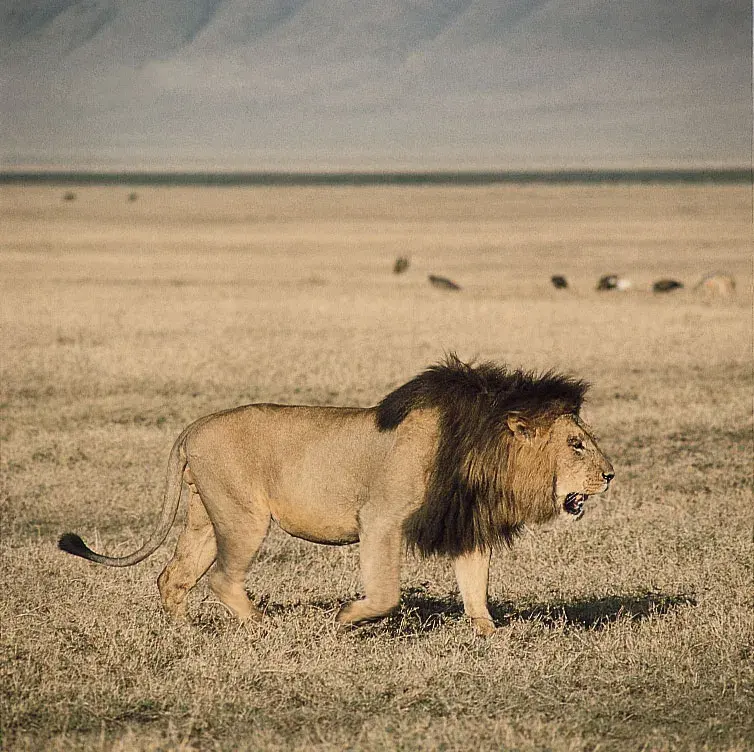
No, cubs are born without manes and have a plain, spotted coat. Male lions only begin to develop their iconic manes once they reach puberty, usually around two years of age.
Do male lions help raise the cubs?
Male lions generally do not participate in the direct care or feeding of cubs. Their primary role is to defend the pride's territory and protect the group from outside threats.
How many cubs are in a typical litter?
A lioness usually gives birth to a litter of one to four cubs. The size of the litter often depends on the availability of food and the health of the mother.
Why do lionesses hide their cubs after birth?
Mothers keep their newborns hidden away from the rest of the pride for the first four to eight weeks. This isolation protects the vulnerable cubs from predators and other threats within the environment.
This answer was created with the help of AI research tools and reference sources. Spotted an error? Let us know — we correct mistakes quickly. See our editorial policy.