Are giraffes endangered?
Short answer
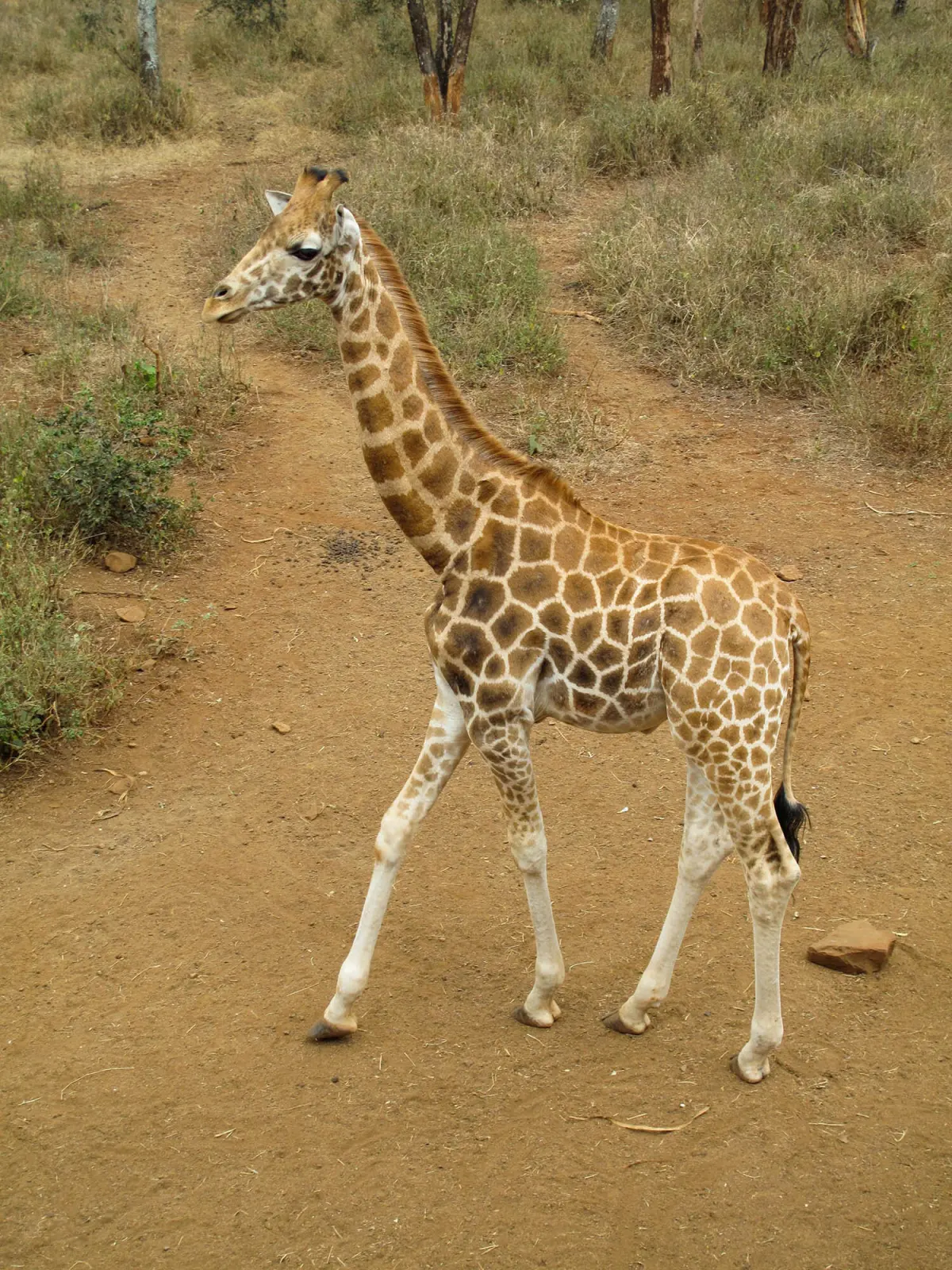
Giraffes are currently listed as vulnerable to extinction by the International Union for Conservation of Nature. While they are not yet classified as critically endangered, their populations have declined by approximately 40 percent over the last three decades. Habitat loss, poaching, and civil unrest remain the primary threats to their long-term survival in Africa.
On this page
Why are giraffe populations declining?
The decline of giraffe populations is primarily driven by the fragmentation and loss of their natural habitats. As human populations expand across the African continent, vast areas of savanna are converted into agricultural land, mining sites, or urban settlements. This encroachment forces giraffes into smaller, isolated pockets of land, which limits their access to necessary food sources like acacia trees and restricts their ability to migrate for breeding.
In addition to habitat loss, poaching remains a significant and persistent threat to the species. Giraffes are frequently hunted for their meat, hides, and tails, which are sometimes used in traditional cultural items. Furthermore, civil unrest and armed conflict in various regions across their range have exacerbated the situation. These conflicts often lead to the breakdown of wildlife protection laws and provide cover for illegal hunting activities, making it difficult for conservationists to monitor and protect wild herds effectively.
What is the current conservation status of giraffes?
The International Union for Conservation of Nature (IUCN) classifies the giraffe as a single species, Giraffa camelopardalis, which is currently listed as vulnerable. This status indicates that the species is facing a high risk of extinction in the wild if the factors threatening its survival continue unabated. While some subspecies are more stable than others, the overall downward trend in population numbers across the African continent remains a major concern for scientists and wildlife managers.
Conservation efforts are currently focused on several key areas to stabilize these numbers. Experts emphasize the importance of maintaining large, contiguous wilderness areas where giraffes can roam freely. The following strategies are central to modern conservation efforts:
- Establishing protected wildlife corridors to connect isolated giraffe populations.
- Implementing community-based conservation programs that provide local people with economic incentives to protect wildlife.
- Deploying anti-poaching units to patrol key habitats and deter illegal hunting activities.
- Conducting regular population surveys to track shifts in demographics and health.
How can people help protect giraffes?
Supporting giraffe conservation is possible even for those living far from their natural habitats. The most effective way to contribute is by donating to or volunteering with reputable international organizations that focus on habitat preservation and anti-poaching initiatives. By supporting these groups, you provide the necessary funding for equipment, research, and community education programs that are essential for the survival of the species in the wild.
Beyond direct financial support, raising public awareness is a powerful tool for conservation. Many people are unaware that giraffes are in trouble, often assuming they are safe due to their presence in zoos. You can help by sharing accurate information about the threats they face and supporting sustainable tourism practices. When planning travel, choose eco-friendly safari operators that prioritize animal welfare and contribute to local conservation efforts.
- Research non-profit organizations like the Giraffe Conservation Foundation to verify their impact and transparency.
- Share verified news and educational content on social media to increase public awareness.
- Avoid purchasing products made from wildlife parts, which discourages the illegal trade.
- Advocate for policies that promote the protection of savanna ecosystems and wildlife corridors.
What are common mistakes when trying to help?
A common mistake is assuming that all captive giraffes are part of a successful reintroduction program. While zoos play a role in education and research, they do not replace the need for wild populations. Some people mistakenly believe that donating to any zoo automatically helps wild giraffes, but this is not always the case. It is important to distinguish between facilities that focus on entertainment and those that actively fund or participate in field conservation projects.
Another error is supporting "voluntourism" programs that do not have a scientific basis. Some travel operators offer experiences where tourists interact closely with giraffes in ways that can be harmful or stressful to the animals. These activities often prioritize the guest experience over the biological needs of the giraffe. Always prioritize organizations that maintain a respectful distance and follow ethical guidelines, as human interference can disrupt natural social behaviors and foraging patterns.
Where can I find reliable information on giraffes?
To stay updated on the status of giraffes, look to scientific institutions and international conservation bodies. The IUCN Red List of Threatened Species is the definitive source for information regarding the conservation status of giraffes and other animals. Their reports provide detailed data on population trends, geographical distribution, and the specific threats affecting different subspecies. These documents are updated regularly and provide the most accurate scientific assessment available.
Additionally, academic journals and specialized wildlife foundations offer deeper insights into the biology and ecology of the species. By following the work of field researchers, you can gain a better understanding of how climate change and human activity are specifically impacting giraffe behavior. Staying informed through these high-quality resources ensures that your efforts to help are grounded in reality and contribute to meaningful, long-term solutions for the conservation of these iconic animals.
Key facts
- The International Union for Conservation of Nature (IUCN) currently classifies the giraffe species as Vulnerable.
- Giraffe populations have declined by approximately 40% over the last 30 years due to habitat loss and poaching.
- There are currently four distinct species of giraffes, all of which face varying levels of threat in the wild.
- Conservation efforts focus on protecting corridors between fragmented habitats to allow for natural migration and breeding.
- Avoid supporting tourism operations that allow direct physical contact with wild giraffes, as this can disrupt their natural behaviors.
- Donating to reputable organizations like the Giraffe Conservation Foundation directly funds anti-poaching units and satellite tracking research.
The bottom line
While giraffes are not currently classified as critically endangered, their status as Vulnerable highlights a precarious future. Habitat destruction and poaching continue to shrink their populations across Africa. Protecting these iconic mammals requires international cooperation, the preservation of vast wilderness corridors, and sustainable land management. By supporting science-based conservation initiatives, the public can help ensure these unique creatures remain a permanent fixture in the wild.
People also ask
How many giraffes are left in the wild?
Estimates suggest there are approximately 117,000 giraffes remaining across the African continent. This number has fluctuated significantly over recent decades due to human-wildlife conflict.
What is the biggest threat to giraffe survival?
Habitat loss and fragmentation caused by agricultural expansion and human settlement are the primary drivers of population decline. Poaching for meat and hides also remains a critical issue in certain regions.
Do giraffes live in groups?
Giraffes are social animals that live in loose, fluid groups known as towers. These groups do not have a rigid structure and individuals frequently join or leave throughout the day.
Can giraffes be kept as pets?
It is illegal and highly impractical to keep giraffes as pets in almost every jurisdiction. They require vast amounts of space, specific dietary foliage, and specialized veterinary care that cannot be provided in a domestic setting.
How tall do giraffes grow?
Adult male giraffes can reach heights of up to 18 feet, while females are generally slightly shorter. Their long necks are specifically adapted to reach leaves in high tree canopies that other herbivores cannot access.
Do giraffes have any natural predators?
Adult giraffes are rarely hunted, but lions, hyenas, leopards, and crocodiles frequently target calves. A mother giraffe will aggressively defend her young by kicking predators with her powerful, hooved legs.
This answer was created with the help of AI research tools and reference sources. Spotted an error? Let us know — we correct mistakes quickly. See our editorial policy.