How long do bears hibernate?
Short answer
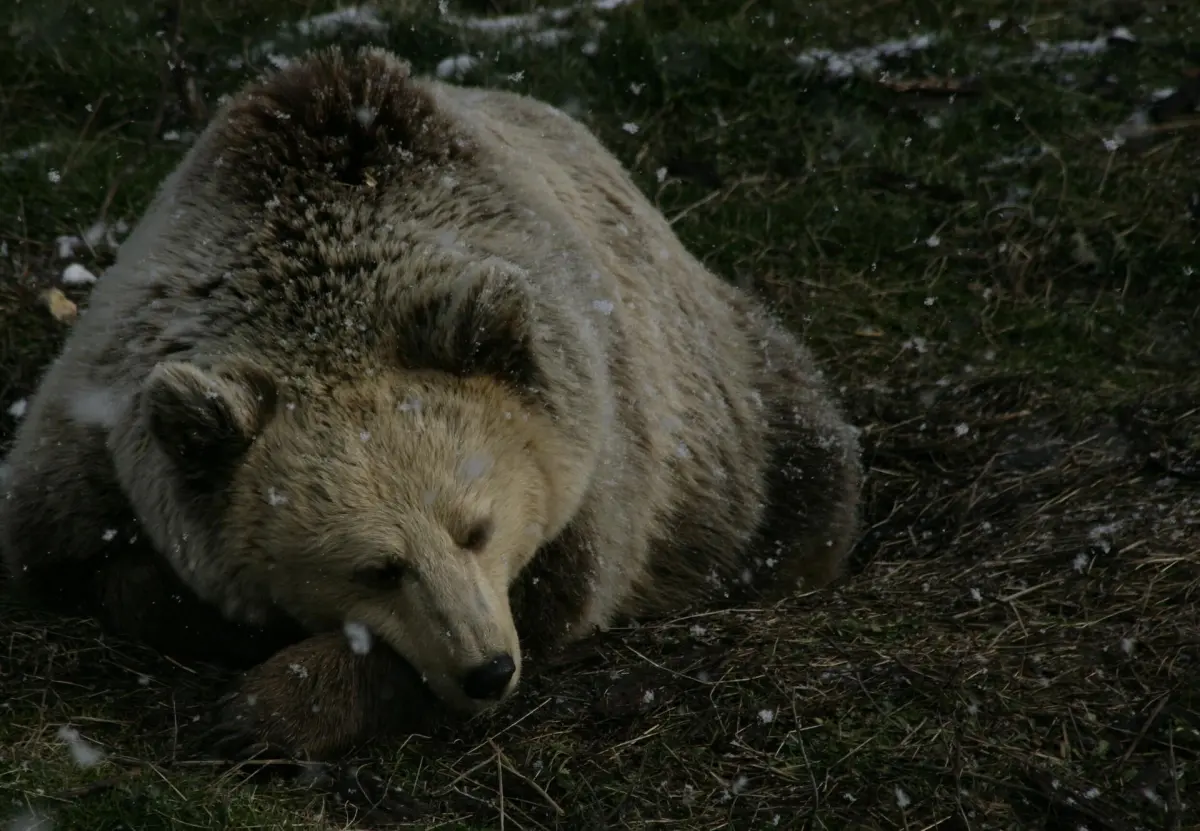
Bears typically hibernate for four to seven months each year, depending on their species and geographic location. While black bears may sleep for shorter periods in warmer climates, grizzly bears in northern regions often remain denned for up to seven months. This period is biologically defined as torpor rather than true hibernation.
On this page
How long do bears hibernate in the wild?
The duration of a bear’s hibernation is primarily determined by local climate conditions and the availability of food sources. In regions with harsh, long winters, such as Alaska or Canada, bears may enter their dens as early as October and remain inactive until April or May. Conversely, in southern regions where winters are mild, some black bears may skip hibernation entirely or emerge frequently to forage.
The biological process is technically known as torpor, a state of reduced metabolic activity. During this time, a bear’s heart rate drops significantly, and its body temperature decreases, though not as drastically as in smaller hibernators like ground squirrels. This energy-saving strategy allows bears to survive months without consuming food or water, relying instead on stored body fat accumulated during the late summer and autumn months.
Why do bears hibernate during winter?
Hibernation is an evolutionary adaptation to seasonal food scarcity rather than a direct response to cold temperatures. As autumn progresses, natural food supplies such as berries, nuts, and salmon dwindle, making it energetically expensive for a bear to remain active. By entering a den, the bear minimizes its caloric expenditure, ensuring that its stored fat reserves last until the spring thaw.
Several factors influence the timing and duration of this dormant state:
- Latitude: Bears in northern latitudes den earlier and stay longer.
- Reproductive status: Pregnant females often den for the longest periods to give birth and nurse cubs.
- Food abundance: Years with high mast production allow bears to put on extra weight, potentially extending their denning period.
- Individual health: Sick or injured bears may seek shelter earlier than healthy counterparts to conserve energy for recovery.
How do bears prepare for hibernation?
Before entering a den, bears undergo a process called hyperphagia, a period of intense feeding. During this time, a bear may consume up to 20,000 calories per day to build the fat stores necessary to sustain its metabolism for months. This phase usually begins in late summer and continues until the bear finds a suitable location to settle for the winter.
Once they have reached sufficient weight, bears seek out sheltered areas to minimize heat loss. Common den sites include:
- Natural rock crevices or caves.
- Hollowed-out logs or tree cavities.
- Excavated burrows beneath the root systems of large trees.
- Man-made structures or culverts, though these are less ideal due to human interaction risks.
Common mistakes when observing bears near dens
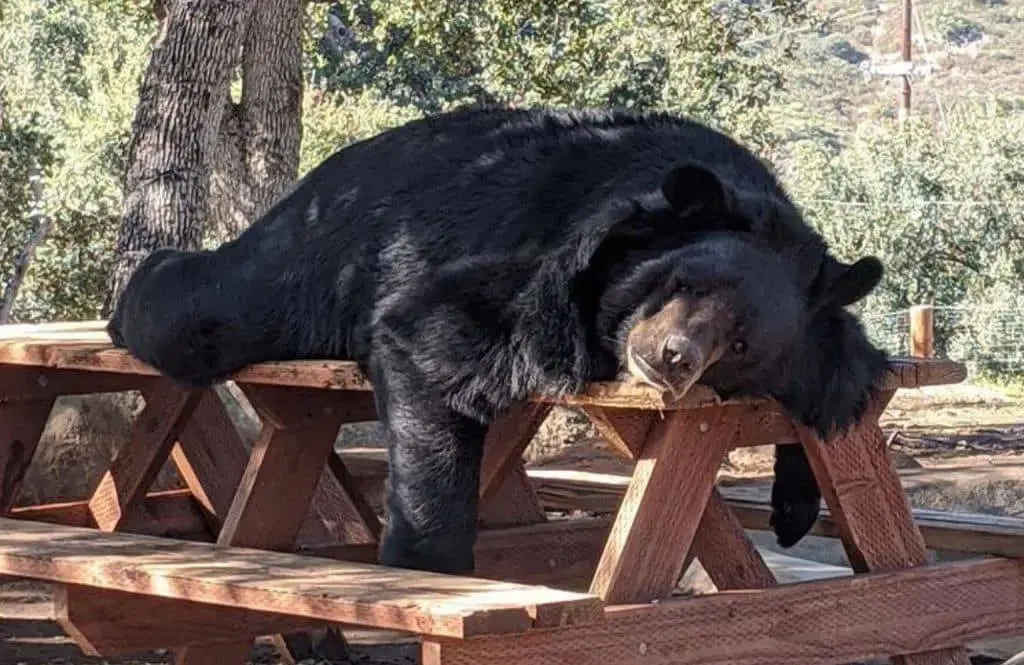
Many people mistakenly believe that bears are completely unconscious during hibernation and can be approached safely. In reality, bears in torpor are easily aroused by external disturbances. If a bear is startled by hikers, snowmobilers, or researchers, it may abandon its den, which significantly reduces its chances of surviving the remainder of the winter.
To ensure both human safety and the bear's well-being, avoid these common errors:
- Approaching a suspected den site to get a better look or photograph.
- Making loud noises or using bright lights near known denning areas.
- Leaving food or trash nearby, which may lure a bear out of its torpor.
- Assuming a bear is dead or abandoned because it is not moving; it is likely just conserving energy.
How to identify signs of bear activity
Identifying whether a bear is nearby requires an understanding of their pre-hibernation behavior. In late autumn, you might notice increased digging or the presence of "day beds," which are small, flattened areas where a bear rested before fully committing to a winter den. Fresh tracks or scat near a potential den site are also strong indicators that a bear is preparing to settle in for the season.
If you encounter signs of a den, it is best to leave the area immediately and quietly. Respecting the bear’s space during this critical period is essential for its survival. By keeping a respectful distance and minimizing your impact on the environment, you help ensure that the bear can successfully emerge in the spring to begin its life cycle anew. Remember that a bear’s survival depends on its ability to remain undisturbed throughout the long winter months.
Key facts
- Most bears hibernate for 3 to 7 months, depending on the severity of the local winter climate.
- Hibernating bears do not eat, drink, urinate, or defecate for the duration of their dormancy.
- Bears remain in a state of "torpor," meaning their heart rate drops significantly, but they can wake up quickly if threatened.
- Pregnant female bears are the only ones that give birth and nurse cubs while in their dens.
- Bears prepare for hibernation by entering "hyperphagia," a period of intense eating to build fat reserves.
- Avoid approaching a den, as a bear may wake up and react aggressively to protect its territory.
The bottom line
Hibernation is a vital survival strategy that allows bears to endure harsh winters when food is scarce. By entering a state of torpor and relying on stored body fat, they successfully wait out the cold. While they remain somewhat alert, they are essentially dormant for months. Understanding this cycle helps humans respect wildlife habitats and avoid potentially dangerous encounters during the sensitive winter months.
People also ask
Do bears sleep the entire time they are hibernating?
No, bears do not enter a deep, comatose sleep. They are easily roused by loud noises or disturbances, which allows them to defend themselves or their cubs if necessary.
How do bears survive without drinking water for months?
Bears metabolize their stored body fat to produce water internally. This chemical process provides enough hydration to keep their organs functioning until they emerge in the spring.
Do all species of bears hibernate?
Not all bears hibernate. Species living in tropical climates, such as sun bears, remain active year-round because food sources are consistently available in their environment.
How much weight do bears lose during hibernation?
A bear can lose between 15% and 30% of its total body weight during the winter. This loss comes primarily from burning through the fat stores accumulated during the autumn.
When do bears typically emerge from their dens?
Most bears emerge in early spring, usually between March and May. The exact timing depends on rising temperatures and the availability of early-season food like new plant growth.
Why do bears build dens in specific locations?
Bears choose dens that offer protection from the elements, such as rock cavities, hollow logs, or excavated earth pits. These sites help maintain a stable temperature to conserve the bear's energy.
This answer was created with the help of AI research tools and reference sources. Spotted an error? Let us know — we correct mistakes quickly. See our editorial policy.