What do black bears eat?
Short answer
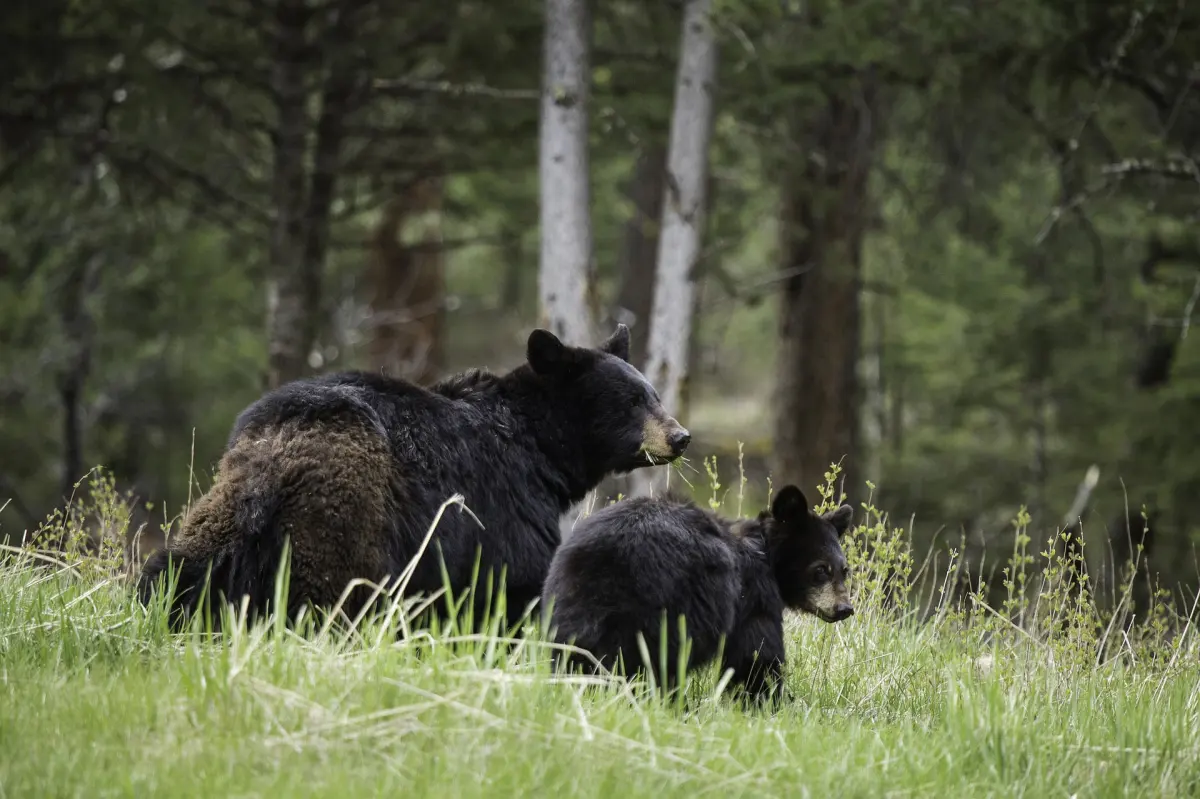
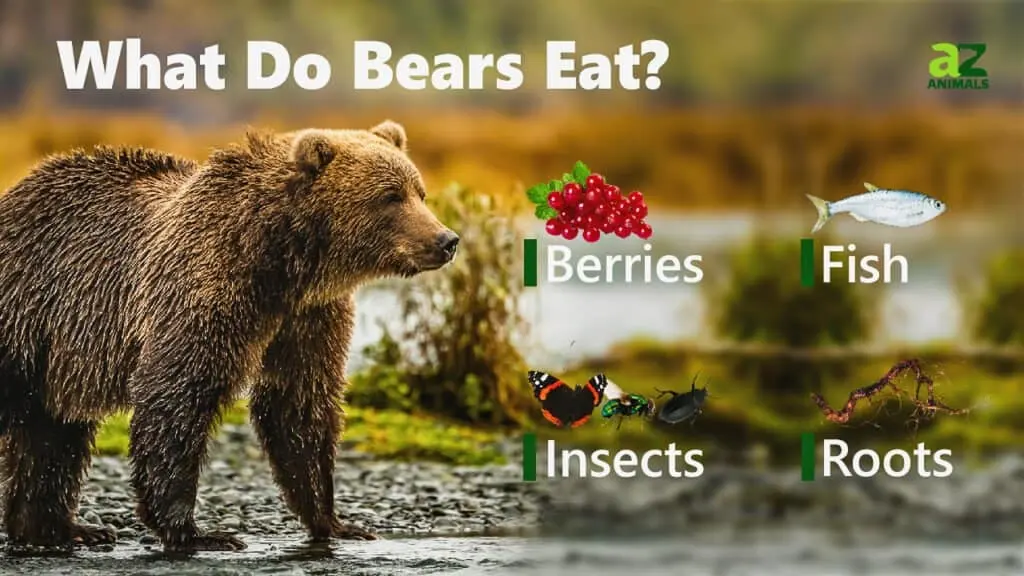
Black bears are opportunistic omnivores that consume a diverse diet based on seasonal availability. While they primarily eat vegetation, including grasses, berries, nuts, and roots, they also consume insects, fish, and small mammals. Their diet is highly adaptable, shifting throughout the year to maximize caloric intake for winter hibernation and survival.
On this page
What do black bears eat in the wild?
Black bears are generalist feeders, meaning they are not picky about their food sources. Approximately 85 to 90 percent of their diet consists of plant material. In the spring, they focus on succulent new growth, such as grasses, clover, and young shoots. As the season progresses, they transition to soft mast like blueberries, raspberries, and blackberries, which provide essential sugars for energy.
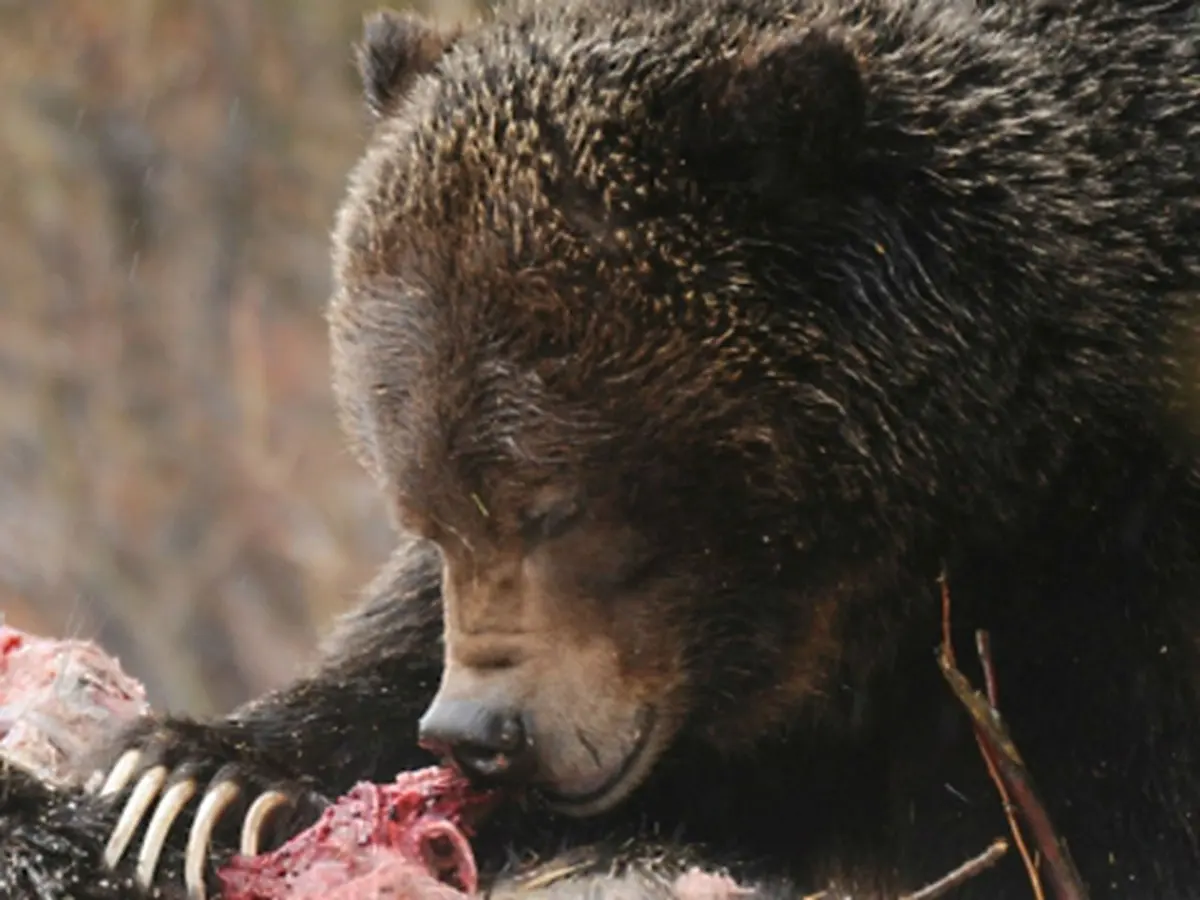
During the autumn months, black bears prioritize hard mast, specifically acorns, beechnuts, and hickory nuts. These items are rich in fats and carbohydrates, which are critical for building the fat reserves necessary to survive the winter denning period. While plants dominate their intake, they also act as predators or scavengers when the opportunity arises. They frequently consume:
- Colonial insects, such as ants, bees, and yellowjackets.
- Carrion from winter-killed deer or moose.
- Small mammals, including rodents or occasional fawns.
- Fish, particularly salmon in coastal regions during spawning runs.
How do black bears find food?
Black bears possess a keen sense of smell, which is their primary tool for locating sustenance. Their olfactory capabilities are estimated to be seven times stronger than those of a bloodhound, allowing them to detect food sources from over a mile away. They spend a significant portion of their waking hours foraging, often covering several miles in a single day to locate patches of ripening fruit or productive nut trees.
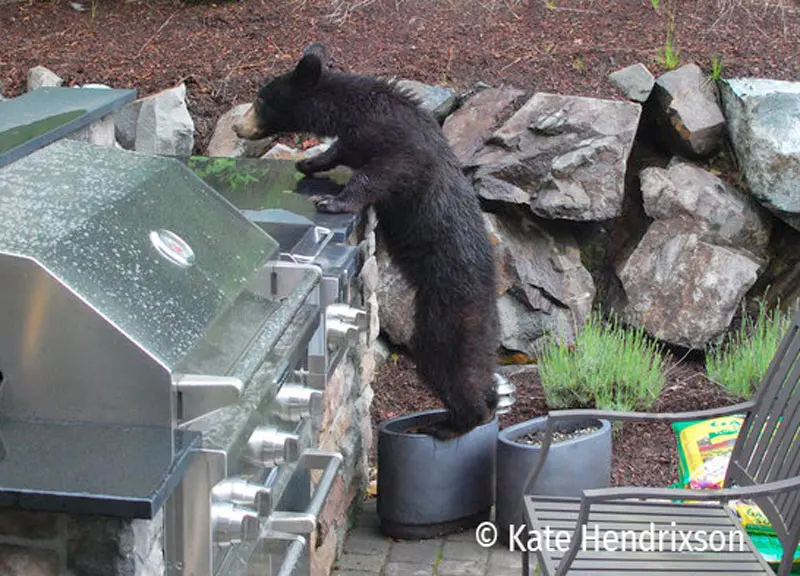
Their foraging behavior is highly intelligent and memory-based. Bears create mental maps of their home ranges, remembering exactly when and where specific food sources become available throughout the year. This spatial memory allows them to return to reliable patches year after year. When natural food sources are scarce due to drought or late frosts, bears become more adventurous. They may expand their search into human-populated areas, where they are attracted to non-natural food sources like garbage, birdseed, and pet food.
Why do black bears eat human food?
Bears are driven by an evolutionary need to consume high-calorie foods to maintain their weight. Human-provided food, such as trash or discarded leftovers, often contains much higher concentrations of fat and sugar than natural forage. A single container of birdseed or a greasy pizza crust can provide a bear with more calories than hours of foraging for berries or ants. This efficiency makes human-associated food highly attractive to bears.
Once a bear discovers that residential areas provide easy, calorie-dense rewards, it may become "food-conditioned." This process involves the bear losing its natural wariness of humans in exchange for the convenience of an artificial food source. This behavioral change is dangerous for both the animal and the public. Food-conditioned bears are more likely to approach homes, damage property, and eventually become a public safety risk, which often leads to the bear being euthanized by wildlife management agencies.
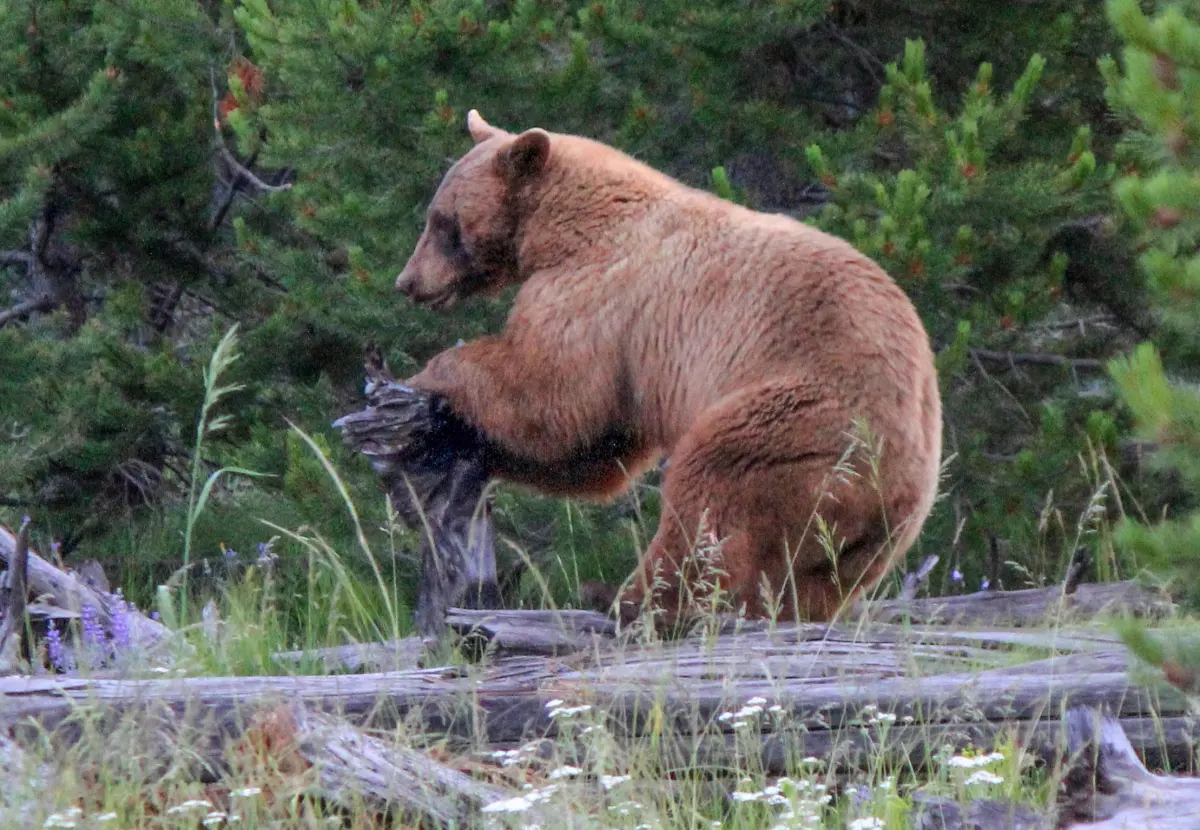
Common mistakes when living near black bears
Preventing bears from accessing human food is the most effective way to keep them wild and safe. Many homeowners inadvertently attract bears by failing to secure simple attractants. To minimize the risk of a bear visiting your property, follow these guidelines:
- Secure all garbage in bear-resistant containers or store it inside a locked garage until the morning of pickup.
- Remove bird feeders during the spring, summer, and fall months, as seeds and suet are high-calorie attractants.
- Clean outdoor grills thoroughly after each use to remove grease and food residue.
- Feed pets indoors and store pet food in airtight, secure containers.
- Compost responsibly by avoiding meat, dairy, or oily scraps that produce strong odors.
A common mistake is assuming that rinsing a trash can or hanging a bird feeder "high enough" will deter a bear. Bears are excellent climbers and have a sense of smell that can penetrate even the most well-cleaned bins. If a bear finds food on your property once, it will likely return, reinforcing the habit.
How to manage bear encounters safely
If you encounter a black bear while it is foraging, your reaction is critical to the safety of both parties. Most black bears are naturally shy and will retreat if they detect human presence. If you see a bear, do not approach it or attempt to feed it. Give the animal plenty of space and an escape route, and never run, as this can trigger a predatory chase response.
If a bear approaches you, follow these steps to discourage it:
- Stand your ground and make yourself look as large as possible by raising your arms.
- Speak in a calm, firm, and assertive voice to identify yourself as a human rather than prey.
- Slowly back away while keeping your eyes on the bear, but avoid direct, aggressive eye contact.
- If the bear is persistent, use bear spray if available, aiming for the face to create a deterrent barrier.
By respecting the bear's need for natural food and maintaining a clean environment, you contribute to the long-term health of the local ecosystem. Understanding that a bear’s diet is a reflection of its environment helps humans coexist with these animals without encouraging dangerous, unnatural behaviors that ultimately harm the species.
Key facts
- American black bears are omnivores, meaning they consume both plant matter and animal protein.
- Vegetation, such as grasses, berries, nuts, and roots, makes up approximately 85 to 95 percent of their diet.
- During the autumn hyperphagia phase, bears consume up to 20,000 calories daily to build fat reserves for winter.
- They are opportunistic feeders and will readily consume human food, garbage, and pet feed if accessible.
- A bear’s sense of smell is roughly seven times stronger than that of a bloodhound, allowing them to locate food from miles away.
- To prevent bears from becoming "nuisance" animals, always store food in bear-resistant containers and never leave trash unsecured.
The bottom line
Black bears are highly adaptable omnivores that prioritize plant-based foods like berries and nuts to sustain their energy needs. While they occasionally consume insects or small animals, their survival relies on their ability to forage efficiently. By securing trash and removing attractants, humans can prevent bears from seeking food in residential areas, ensuring that these animals remain wild and avoid dangerous conflicts with people.
People also ask
Do black bears hunt adult deer?
While primarily foragers, black bears are capable predators. They occasionally kill newborn fawns in the spring, but they rarely hunt healthy, full-grown deer.
How much do black bears weigh?
Adult males typically weigh between 150 and 400 pounds, while females usually weigh between 100 and 250 pounds. Their weight fluctuates significantly based on seasonal food availability.
Will black bears eat birdseed?
Yes, birdseed is a high-calorie attractant that bears find irresistible. If you live in bear country, it is recommended to remove bird feeders during the spring, summer, and fall.
Do black bears eat fish?
Black bears are skilled at catching fish, especially during salmon spawning runs. However, fish consumption is localized and depends heavily on the bear's proximity to rivers and streams.
Are black bears dangerous if they find human food?
Yes, bears that associate human food with safety often lose their natural fear of people. This behavior, known as habituation, frequently leads to aggressive encounters and may result in the bear being euthanized.
Can black bears survive without eating for months?
During winter dormancy, bears do not eat, drink, or defecate for several months. They survive entirely on the thick layer of fat they accumulated during the summer and fall.
This answer was created with the help of AI research tools and reference sources. Spotted an error? Let us know — we correct mistakes quickly. See our editorial policy.