How long do bison live?
Short answer
American bison typically live between 12 and 20 years in the wild. While their life expectancy is often shortened by predation, disease, and environmental stressors, individuals living in protected environments or captivity can occasionally reach 25 to 30 years of age. Females generally outlive males due to less intense physical competition.
On this page
How long do bison live in the wild?
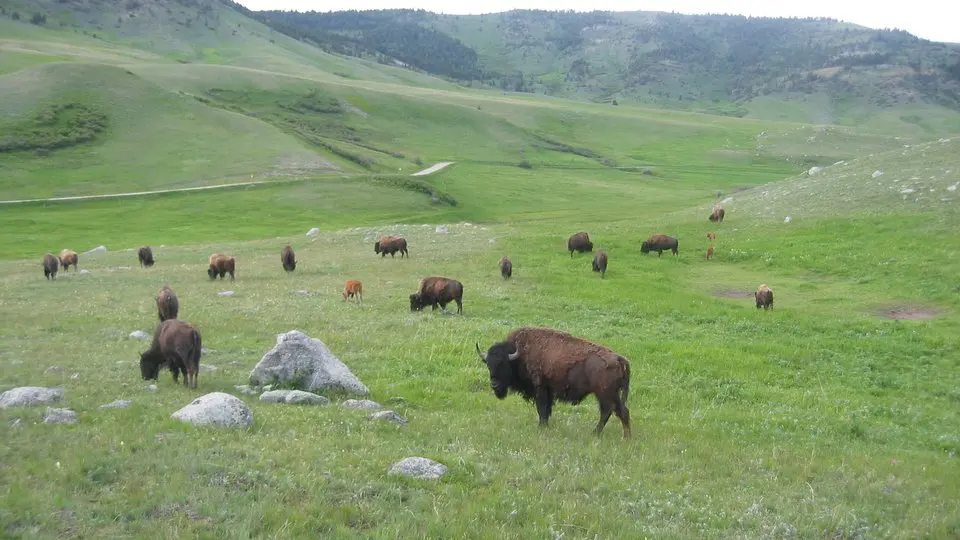
In natural habitats, the lifespan of a bison is primarily dictated by environmental conditions and the availability of resources. Most wild bison survive for 12 to 15 years, though exceptional individuals may reach their early twenties. Survival rates are heavily influenced by the harshness of winter, the presence of predators such as wolves or grizzly bears, and the overall health of the herd. Younger bison face the highest mortality rates during their first year of life, particularly during severe weather events or periods of drought.
Once a bison reaches adulthood, its primary threats shift from predation to competition for mating rights and dominance. Bulls often engage in violent clashes during the rut, which can lead to injuries that reduce their long-term survival prospects. Furthermore, the physical toll of maintaining large body mass in rugged terrain contributes to the gradual decline of older animals. Despite these challenges, healthy populations maintain a stable age structure through consistent reproductive success.
Why do bison live longer in captivity?
Bison kept in zoos, private ranches, or protected sanctuaries often experience significantly longer lifespans than their wild counterparts. Without the constant threat of predation and with access to supplemental feed and veterinary care, these animals frequently live into their mid-twenties. The reduction of environmental stress allows them to conserve energy that would otherwise be spent on foraging or migrating across vast distances.
Caregivers in these settings monitor the health of the herd closely, providing interventions that would be impossible in the wild. This includes vaccinations against common diseases like brucellosis and the provision of high-quality forage during winter months. As a result, the natural aging process is less inhibited by external factors, allowing for a more comfortable decline. However, even in captivity, the biological limits of the species eventually lead to the typical signs of senescence.
What factors affect bison life expectancy?
Several biological and environmental elements determine how long a specific animal will survive. Understanding these variables is critical for wildlife management and conservation efforts. The following factors are the most significant contributors to the longevity of the species:
- Genetic diversity: Populations with higher genetic variation are generally more resilient to diseases and environmental changes.
- Nutrition: Access to high-quality grasses and minerals throughout the year prevents malnutrition and strengthens the immune system.
- Reproductive stress: Frequent calving in females or intense physical exertion in males during the rut can lead to premature exhaustion.
- Disease prevalence: Outbreaks of illnesses like bovine tuberculosis or brucellosis can decimate local populations regardless of age.
- Human interaction: Habitat fragmentation and hunting regulations play a direct role in the mortality rates of various herds.
How to identify an aging bison
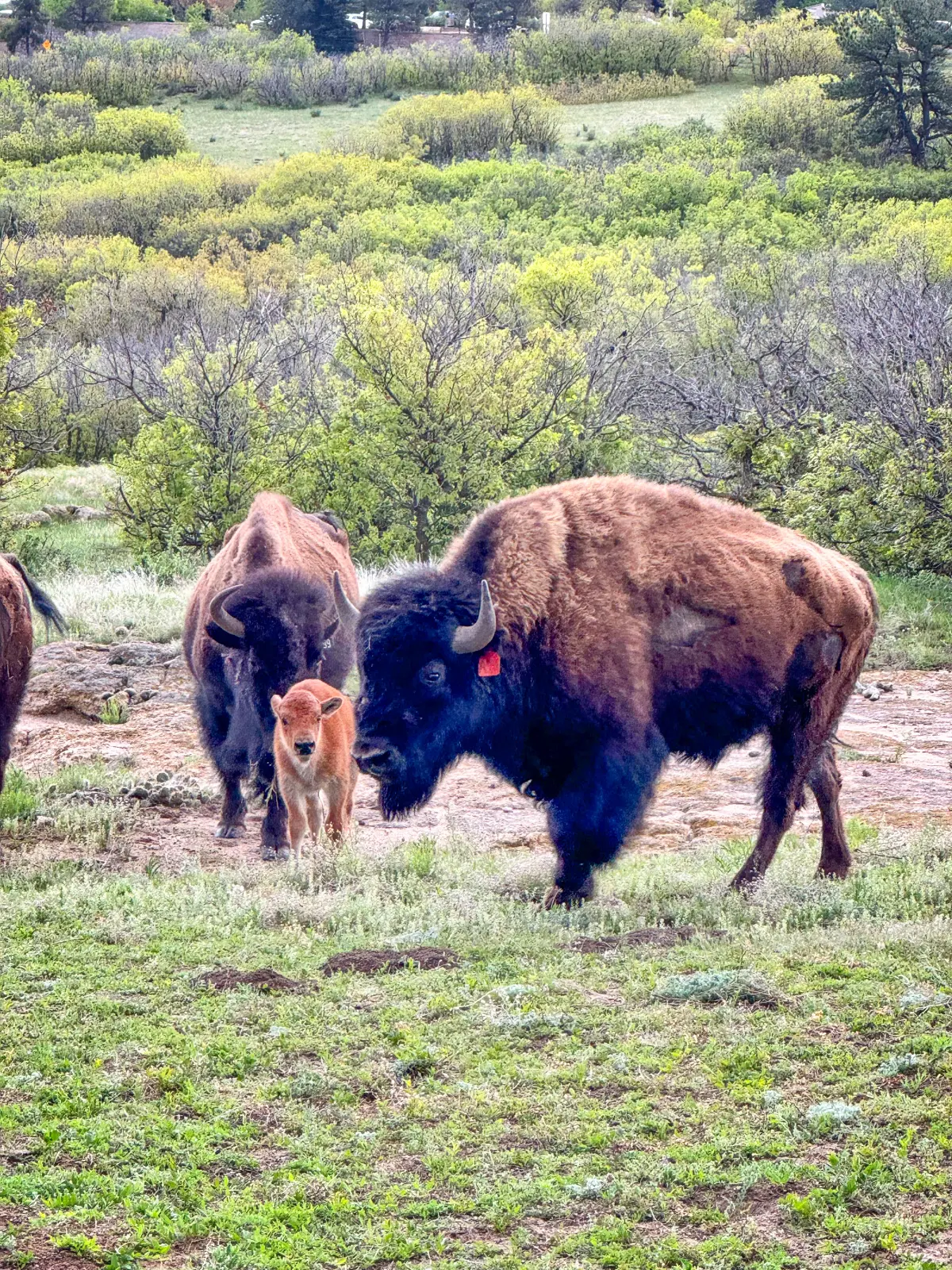
Observing the physical condition of a bison provides clear indicators of its maturity and age. As these animals move into their final years, their behavior and appearance change in predictable ways. Recognizing these signs helps researchers and ranchers assess the health of a population without needing invasive testing.
- Observe the coat condition: Older bison often have patchy, thinning fur that does not shed or regrow with the same vigor as younger animals.
- Check the teeth: As bison age, their teeth become worn down, making it difficult for them to chew tough prairie grasses effectively.
- Monitor movement patterns: Elderly bison are frequently found on the periphery of the herd and may struggle to keep up with the group during migrations.
- Look for muscle atrophy: A noticeable loss of mass in the hindquarters and a protruding spine are common indicators of advanced age.
Common mistakes when estimating bison age
One of the most frequent errors in assessing bison longevity is assuming that size is a direct indicator of age. While a large bull may appear to be in his prime, he could be a younger animal that has reached maturity quickly due to excellent nutrition. Conversely, a smaller, thinner animal might be an elderly individual suffering from the natural effects of aging rather than a younger animal that is simply malnourished. Relying solely on visual size without considering the animal's overall condition and behavior often leads to inaccurate conclusions.
Another significant mistake is failing to account for the impact of social hierarchy on longevity. Observers often assume that dominant bulls are the healthiest, but these animals are often the most stressed due to constant fighting and defense of their territory. This high-stress lifestyle often results in a shorter lifespan compared to more passive members of the herd. By ignoring the social dynamics and focusing only on physical dominance, one misses the complex reality of how these majestic animals navigate their life cycles in the wild.
Key facts
- Wild American bison typically live between 12 and 20 years in their natural habitat.
- Bison kept in captivity or protected environments can reach 25 to 30 years of age.
- Females generally live longer than males because bulls often sustain injuries from aggressive breeding fights.
- Predation, severe winter weather, and disease are the primary factors that shorten a wild bison's lifespan.
- A common mistake is assuming bison are domestic cattle; they are wild animals that require vast space and specialized care.
- Proper habitat management, including rotational grazing and adequate water access, is essential for maximizing the longevity of captive herds.
The bottom line
While wild American bison typically live for about 15 to 20 years, their lifespan is heavily influenced by environmental pressures and social hierarchies. In managed or captive settings, they can live up to a decade longer due to consistent nutrition and protection from predators. Understanding these natural limits is vital for anyone interested in wildlife conservation or the responsible management of private bison herds today.
People also ask
Do bison grow throughout their entire lives?
Bison continue to grow for several years, with bulls often reaching their full physical size and weight between 6 and 8 years of age. While their skeletal growth slows down, they may continue to add muscle mass and depth as they mature.
At what age do bison reach sexual maturity
Most bison reach sexual maturity between 2 and 3 years of age. However, younger bulls rarely get the chance to breed because they cannot compete with the larger, more dominant males in the herd.
How can you tell the age of a bison?
Biologists primarily determine a bison's age by examining the wear and eruption patterns of its teeth. Observing the shape and length of the horns can also provide a rough estimate, as horns grow and change shape as the animal ages.
Are there differences in lifespan between American and European bison?
Both species have similar potential lifespans, typically ranging from 15 to 25 years. The European bison, or wisent, is slightly more forest-adapted, which can influence its specific mortality risks compared to the plains-dwelling American bison.
What is the leading cause of death for wild bison?
In the wild, natural causes such as severe winter starvation, predation by wolves or grizzly bears, and disease outbreaks like brucellosis are the main drivers of mortality. Human-related factors, including hunting and habitat loss, also play a significant role in population numbers.
Do bison lose their teeth as they get older?
Like many ruminants, bison experience significant tooth wear as they age due to the abrasive nature of the grasses they consume. Once their teeth wear down to the gums, they struggle to process forage, which often leads to malnutrition and eventual death.
This answer was created with the help of AI research tools and reference sources. Spotted an error? Let us know — we correct mistakes quickly. See our editorial policy.