What is the Harbour Centre?
Short answer
The Harbour Centre is a prominent skyscraper and landmark located in downtown Vancouver, British Columbia. Completed in 1977, it stands 177 meters tall and serves as a major office complex, educational hub for Simon Fraser University, and a popular tourist destination featuring an observation deck that offers panoramic views of the city.
On this page
What is the Harbour Centre used for?
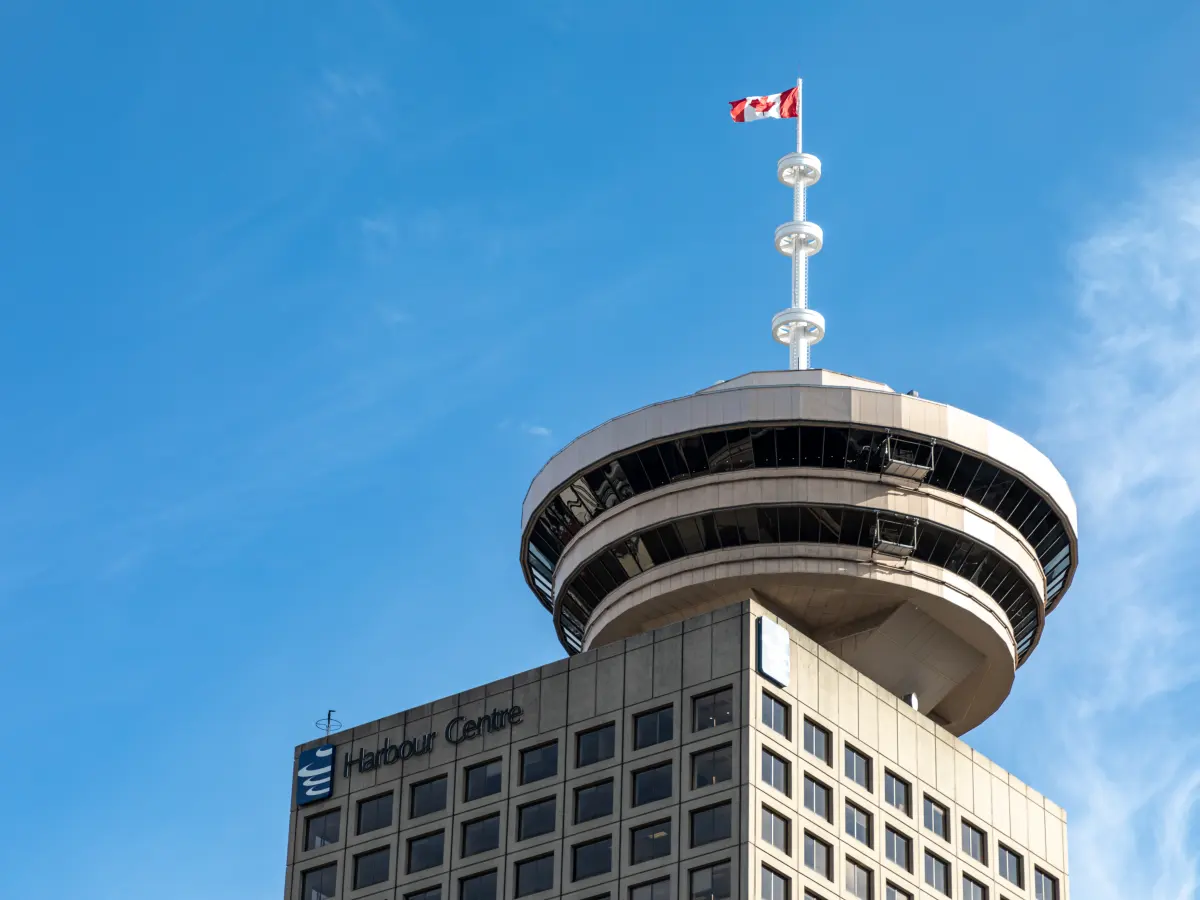
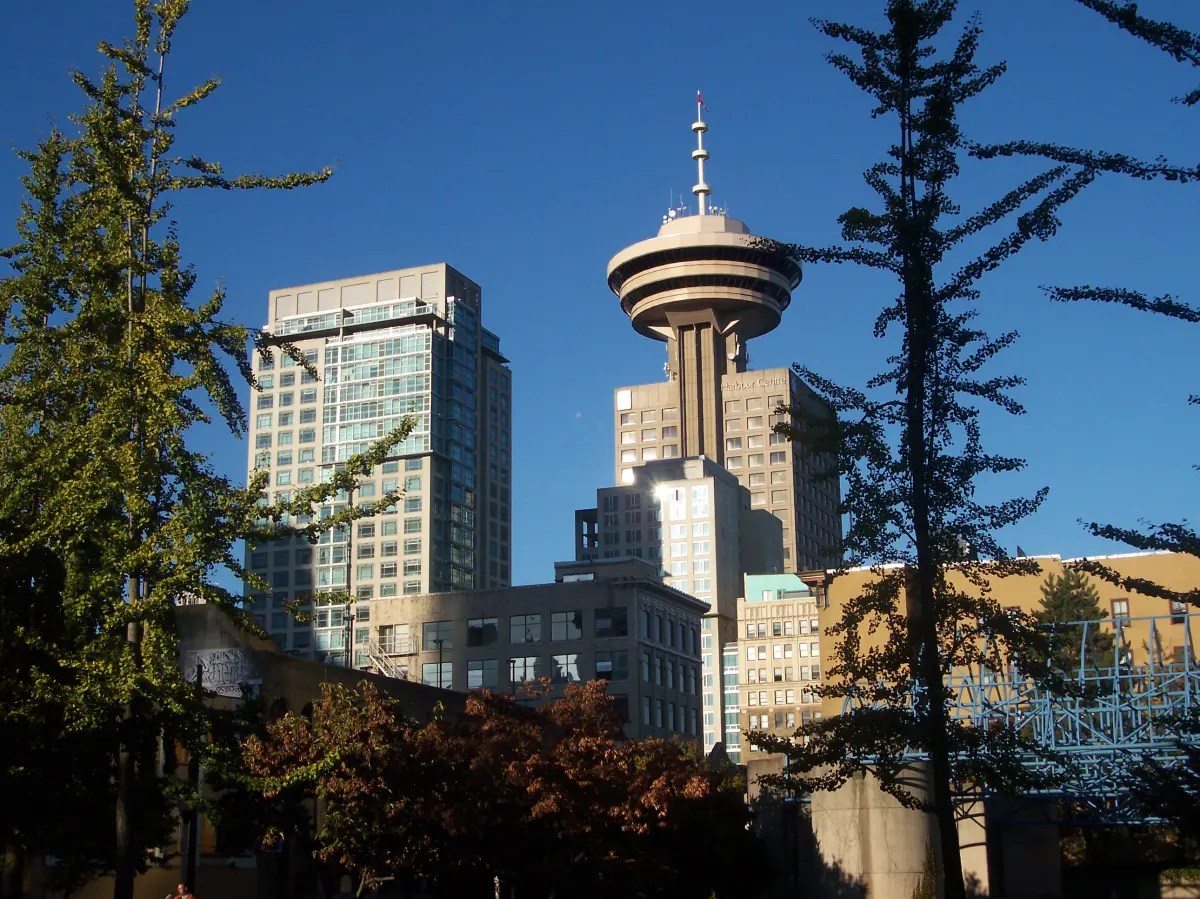
The Harbour Centre functions as a multipurpose commercial and academic facility in the heart of Vancouver’s financial district. Its primary role is as a high-density office tower, housing various corporate headquarters, professional firms, and government agencies. The building’s distinct architectural silhouette, characterized by its cylindrical top, makes it a recognizable fixture of the skyline.
Beyond its corporate functions, the building serves as a significant educational satellite campus for Simon Fraser University (SFU). This integration allows students and faculty to access urban research facilities and classrooms directly within the city center. The building also hosts the Harbour Centre complex, which includes a shopping mall, food court, and direct access to the city’s public transit network.
How to visit the Vancouver Lookout
The Vancouver Lookout is the building's most famous attraction, situated at the top of the tower. To reach the observation deck, visitors must enter through the main lobby and purchase tickets at the designated kiosk. A glass-fronted elevator whisks passengers up to the 168-meter mark in roughly 40 seconds, providing a unique perspective of the city’s rapid ascent.
Once at the top, the deck offers a 360-degree view of the North Shore Mountains, the Burrard Inlet, and the Pacific Ocean. To ensure a smooth visit, follow these steps:
- Check the weather forecast beforehand, as heavy fog can obscure the view.
- Purchase tickets online in advance to skip potential queues during peak summer months.
- Bring a camera with a wide-angle lens to capture the expansive landscape.
- Visit during the "golden hour" just before sunset for the best lighting conditions.
Why is the Harbour Centre significant to Vancouver?
The Harbour Centre was a transformative project for Vancouver’s downtown core during the 1970s. When it opened in 1977, it was the tallest building in the city, symbolizing a period of rapid economic growth and urban modernization. Its construction helped shift the focus of the downtown area toward high-density commercial development, setting a precedent for the glass towers that now dominate the skyline.
The building’s design by architect WZMH Architects was innovative for its time, utilizing a unique concrete core structure. This engineering choice allowed for the iconic observation deck, which was the first of its kind in the city. By combining commercial office space with public-facing tourism and education, the Harbour Centre created a blueprint for mixed-use developments that are now common in major metropolitan areas across North America.
Common mistakes when visiting the Harbour Centre
Many tourists make the mistake of assuming the Harbour Centre is exclusively a tourist attraction. Because it is an active office building, visitors should remain mindful of local professionals moving through the lobby and elevators. Avoid blocking walkways or lingering in private office entryways, as the building operates on a standard business schedule throughout the work week.
Another frequent error is failing to account for the building's multiple entrances. The complex is connected to the Waterfront Station and the surrounding underground shopping network known as Waterfront Centre. If you arrive via the SkyTrain, follow the signs for the Harbour Centre rather than exiting onto the street level prematurely. This will save you from navigating through rain or heavy traffic, especially during the winter months when Vancouver experiences significant precipitation.
How to navigate the building and surroundings
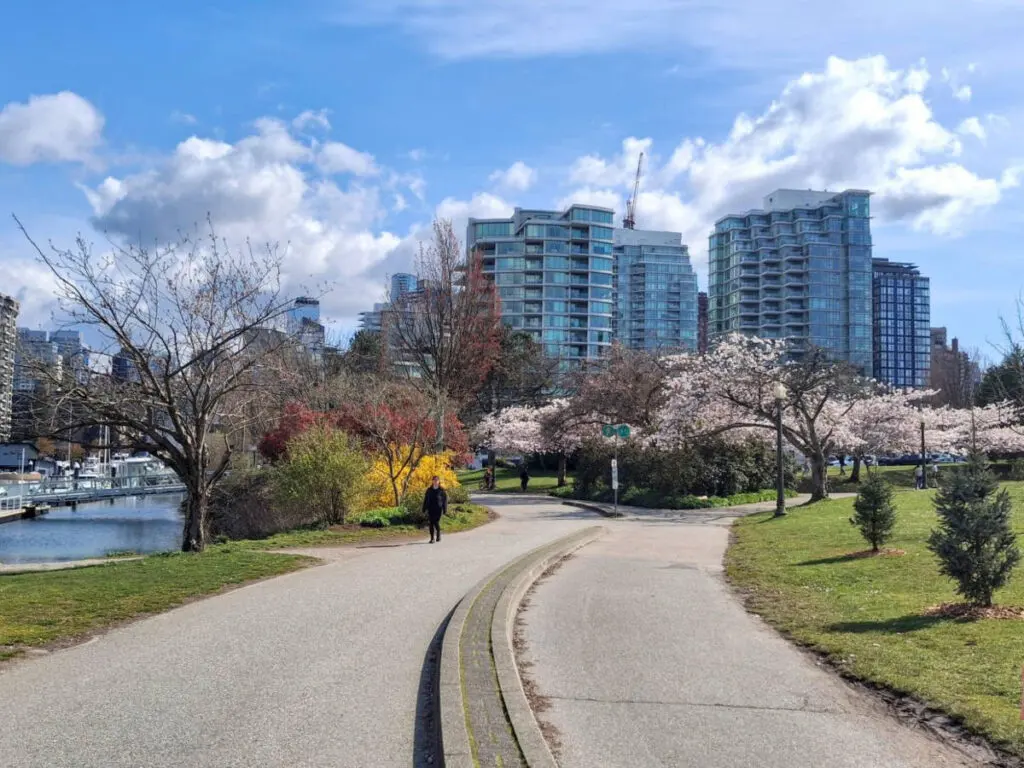
Navigating the Harbour Centre is relatively straightforward due to its central location. The building is directly connected to the Waterfront Station, which serves as a major hub for the SkyTrain, SeaBus, and West Coast Express. This makes it one of the most accessible locations in the city for those relying on public transportation.
If you are planning to explore the surrounding area after your visit, keep these tips in mind:
- The building is just a short walk from Gastown, Vancouver’s oldest neighborhood, known for its cobblestone streets and steam clock.
- Access the waterfront path via the nearby stairs to enjoy a scenic walk along the Burrard Inlet.
- Use the underground pedestrian tunnels during inclement weather to reach nearby hotels and shopping centers without needing an umbrella.
- Remember that the observation deck has specific operating hours that may change seasonally, so verify the schedule on their official website before heading out.
Key facts
- The Harbour Centre is a prominent 146-meter skyscraper located at 555 West Hastings Street in downtown Vancouver, British Columbia.
- It was completed in 1977 and served as the tallest building in the city until 1984.
- The building is easily identified by its distinctive "flying saucer" observation deck, known as the Vancouver Lookout.
- The structure is a major hub for telecommunications and serves as a primary carrier hotel for Western Canada.
- Simon Fraser University occupies a significant portion of the building for its downtown campus facilities.
- Visitors can access the observation deck via a glass-enclosed exterior elevator that climbs the side of the building in approximately 40 seconds.
The bottom line
The Harbour Centre remains a vital landmark in Vancouver’s skyline, serving as both a functional telecommunications hub and a popular tourist destination. Its iconic observation deck provides the most comprehensive view of the city’s geography and urban layout. Whether you are a student attending classes at the downtown university campus or a visitor seeking a bird's-eye perspective, the building offers a unique vantage point of the Pacific Northwest.
People also ask
How much does it cost to visit the Vancouver Lookout?
Ticket prices vary based on age and residency status, typically ranging from $15 to $20 CAD. It is recommended to check the official website for current pricing and potential group discounts before arriving.
Is the Harbour Centre open to the public every day?
Yes, the observation deck is generally open daily, though hours may shift seasonally or during private events. Always verify the daily schedule online to avoid arriving during a closure.
Can you dine at the top of the Harbour Centre?
The revolving restaurant that once operated at the top of the tower is currently closed to the public. The space is now primarily used for private events and corporate functions rather than daily dining.
What is the best time of day to visit the observation deck?
Visiting during the late afternoon allows you to see the city in daylight and watch the sunset. This timing also helps you avoid the largest crowds that typically arrive during midday.
Is the Harbour Centre accessible for people with mobility issues?
The building is fully wheelchair accessible, including the elevators that lead to the observation deck. Staff are available to assist visitors who require extra time or support during the boarding process.
What can you see from the top of the building?
On a clear day, you can see a 360-degree panoramic view of the North Shore Mountains, the Burrard Inlet, and the entire downtown Vancouver peninsula. Informational plaques are placed around the deck to help identify major landmarks.
This answer was created with the help of AI research tools and reference sources. Spotted an error? Let us know — we correct mistakes quickly. See our editorial policy.