What is the Vancouver Lookout?
Short answer
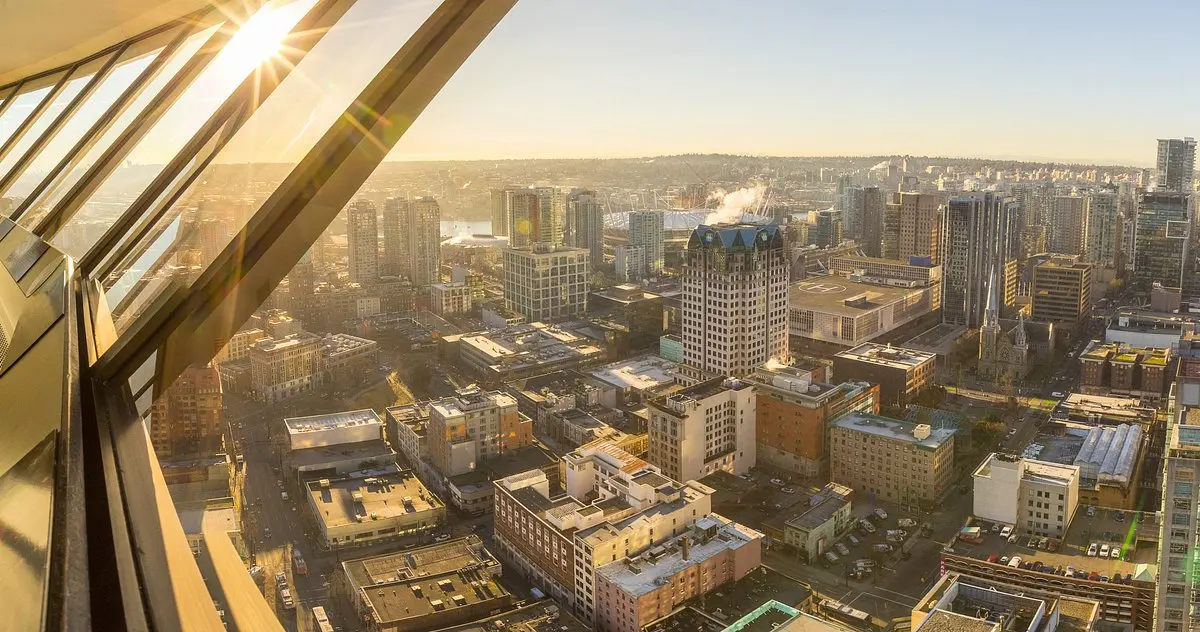
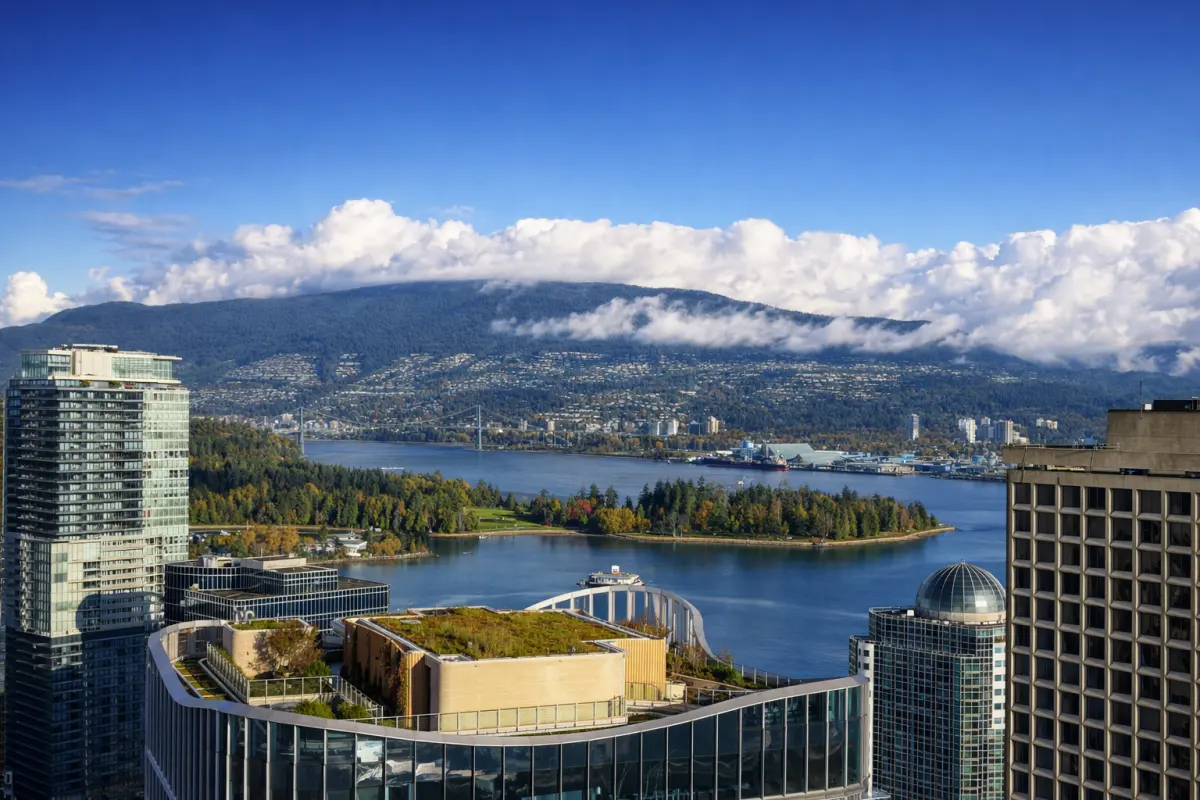
The Vancouver Lookout is an observation deck located atop the Harbour Centre in downtown Vancouver, British Columbia. Standing 168 meters above the city, it provides a 360-degree panoramic view of the skyline, the North Shore Mountains, and the Pacific Ocean. It serves as a popular tourist attraction for aerial city sightseeing.
On this page
What is the history of the Vancouver Lookout?
The Vancouver Lookout opened on August 13, 1977, as part of the Harbour Centre complex. Designed by architect WZMH Architects, the tower was intended to revitalize the downtown core and provide a landmark for the city’s growing skyline. The observation deck was officially inaugurated by Neil Armstrong, the first man to walk on the moon, who famously left his footprint in the concrete at the entrance.
The structure remains a significant piece of Vancouver’s urban identity. It features a distinctive glass elevator that travels up the exterior of the building, offering passengers a view of the streetscape as they ascend. Over the decades, it has transitioned from a modern architectural marvel into a heritage-style viewpoint that contrasts with the newer, taller glass skyscrapers that have since risen around it.
How to visit the Vancouver Lookout
Visiting the lookout is a straightforward process, though it requires purchasing a ticket at the base of the Harbour Centre. Guests enter through the main lobby and proceed to the security checkpoint before boarding the glass-enclosed elevator. The ride to the observation deck takes approximately 40 seconds, whisking visitors to the 553-foot elevation level.
To ensure a smooth experience, follow these steps:
- Check the weather forecast before booking, as heavy fog can obscure the view.
- Purchase tickets online in advance to avoid potential queues during peak summer months.
- Arrive at least 30 minutes before sunset to capture both daylight and twilight cityscapes.
- Bring a camera with a wide-angle lens to take advantage of the unobstructed panoramic windows.
The facility is fully wheelchair accessible, and staff are available to assist guests with mobility needs. Once at the top, you are free to stay as long as you wish during operating hours.
Best times to visit for photography
Photography enthusiasts often find that the best time to visit is during the "golden hour," which occurs shortly before sunset. During this time, the sunlight hits the glass towers of the financial district, creating a dramatic reflection. As the sun dips below the horizon, the city lights begin to flicker on, providing a vibrant contrast against the darkening silhouette of the North Shore Mountains.
If you are looking for fewer crowds, consider visiting on a weekday morning. The observation deck is significantly quieter on Tuesday and Wednesday mornings compared to weekends. Avoid visiting during major holidays or cruise ship arrival days if you prefer a peaceful environment, as the attraction can become quite crowded with tourists from the nearby cruise terminal.
Why the Vancouver Lookout is unique
The primary draw of the Vancouver Lookout is its central location, which offers a perspective that other viewpoints in the city cannot match. While other mountains or parks offer distant views, the Lookout places you directly in the heart of the urban grid. You can look straight down into the historic Gastown district, observe the bustling activity at the port, and see the intricate layout of the city's bridges and transit lines.
Several key features define the experience:
- A 360-degree indoor observation deck that protects guests from wind and rain.
- Informative plaques located around the perimeter that identify key geographical landmarks.
- High-powered binoculars available for rent to get a closer look at Stanley Park or the Lions Gate Bridge.
- A central location within walking distance of major transit hubs, including the Waterfront SkyTrain station.
Common mistakes when visiting the Lookout
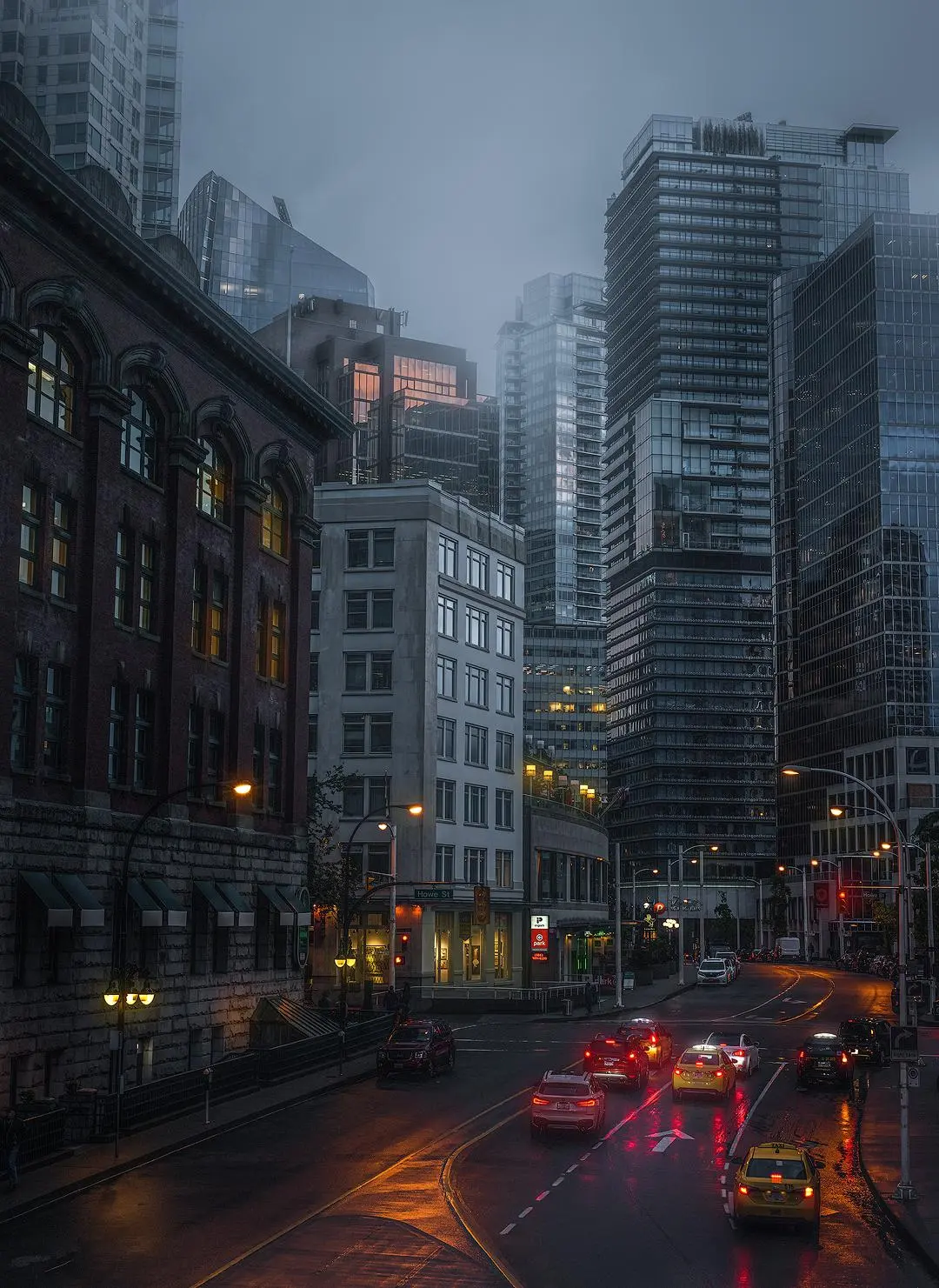
One of the most frequent mistakes visitors make is failing to check the visibility conditions before their visit. Because Vancouver is known for its frequent rainfall and low-hanging clouds, it is possible to reach the top and find yourself inside a thick mist. Always check the live webcams on the official website if the weather looks questionable to ensure you will actually be able to see the city.
Another error is underestimating the time needed to appreciate the view. Many guests rush through the deck in ten minutes, missing the opportunity to observe the subtle changes in the city as the light shifts. Plan to spend at least an hour at the top to fully absorb the geography of the region. Finally, do not forget to bring a light jacket, as the temperature at the observation level can be slightly cooler than at street level due to the altitude and the nature of the climate-controlled glass enclosure.
Key facts
- The Vancouver Lookout is an observation deck located atop the Harbour Centre building in downtown Vancouver, British Columbia.
- It stands 168 meters (553 feet) tall, offering a 360-degree panoramic view of the city, mountains, and harbor.
- Visitors reach the observation level via a glass-fronted exterior elevator that provides a scenic 40-second ride.
- The structure was officially opened on August 13, 1977, by astronaut Neil Armstrong, who pressed the ceremonial button.
- Tickets are valid for all-day re-entry, allowing guests to visit during the day and return to see the city lights at night.
- Avoid visiting on rainy or foggy days, as low-hanging clouds can significantly obscure the visibility of the surrounding North Shore Mountains.
The bottom line
The Vancouver Lookout remains a premier destination for those seeking a comprehensive orientation of the city’s geography. By providing an elevated perspective of the urban skyline and natural landscapes, it serves as an ideal starting point for any trip to British Columbia. Whether you are a first-time tourist or a local resident, the panoramic views offer a unique, bird’s-eye appreciation of Vancouver’s stunning coastal environment.
People also ask
How long does it take to see everything at the Vancouver Lookout?
Most visitors spend between 45 minutes to an hour at the top. This allows enough time to walk the full perimeter, read the informative plaques, and take photographs.
Is the Vancouver Lookout accessible for people with disabilities?
Yes, the facility is fully wheelchair accessible. The elevators and the observation deck are designed to accommodate guests with limited mobility comfortably.
Are there dining options available at the summit?
While there is no restaurant currently operating on the observation deck level, the Harbour Centre building houses various food vendors on the lower levels. Guests are encouraged to eat before or after their visit.
Can I take professional photography equipment to the observation deck?
Handheld cameras and phones are welcome, but tripods are generally discouraged due to space constraints and safety regulations. Always check with staff upon arrival if you have specific gear.
Is the Vancouver Lookout open during the winter months?
The Lookout operates year-round, regardless of the season. It is an excellent indoor activity during colder months, providing a warm vantage point to view the snowy peaks.
Does the observation deck rotate?
No, the current observation deck is stationary. However, the 360-degree layout allows for a complete view of the city, the Burrard Inlet, and the distant islands without needing to move.
This answer was created with the help of AI research tools and reference sources. Spotted an error? Let us know — we correct mistakes quickly. See our editorial policy.