How do octopuses change color?
Short answer
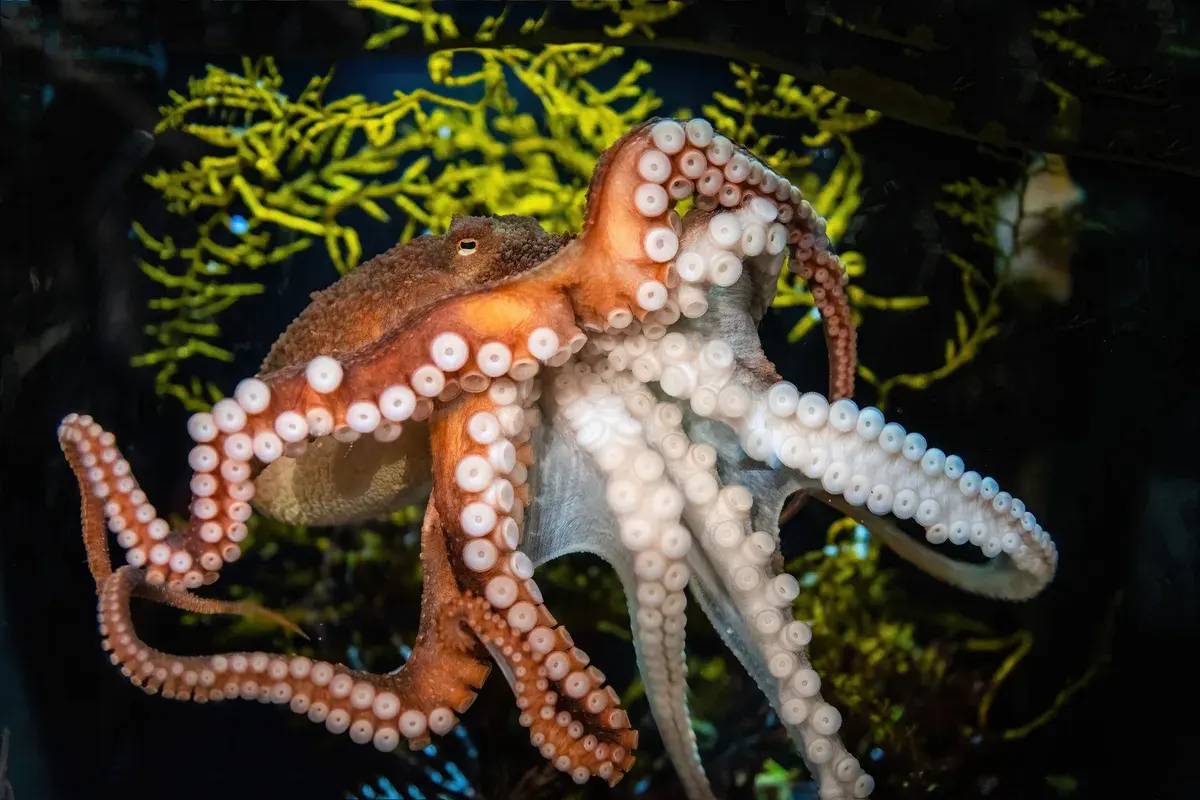
Octopuses change color through a complex interplay of specialized skin cells called chromatophores, iridophores, and leucophores. By using their nervous system to expand or contract these pigment-filled sacs, they can alter their skin tone, pattern, and texture in milliseconds, allowing them to camouflage, communicate, or signal threats to potential predators.
On this page
How do octopuses change color so fast?
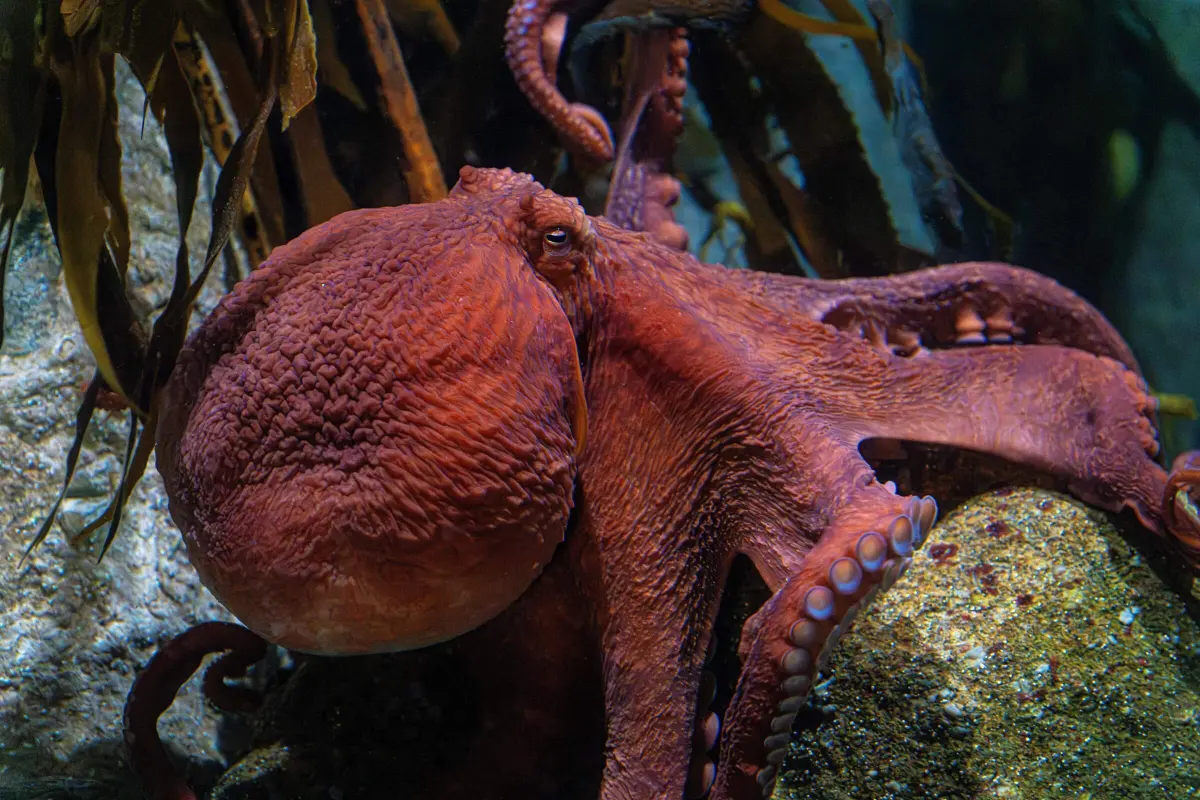
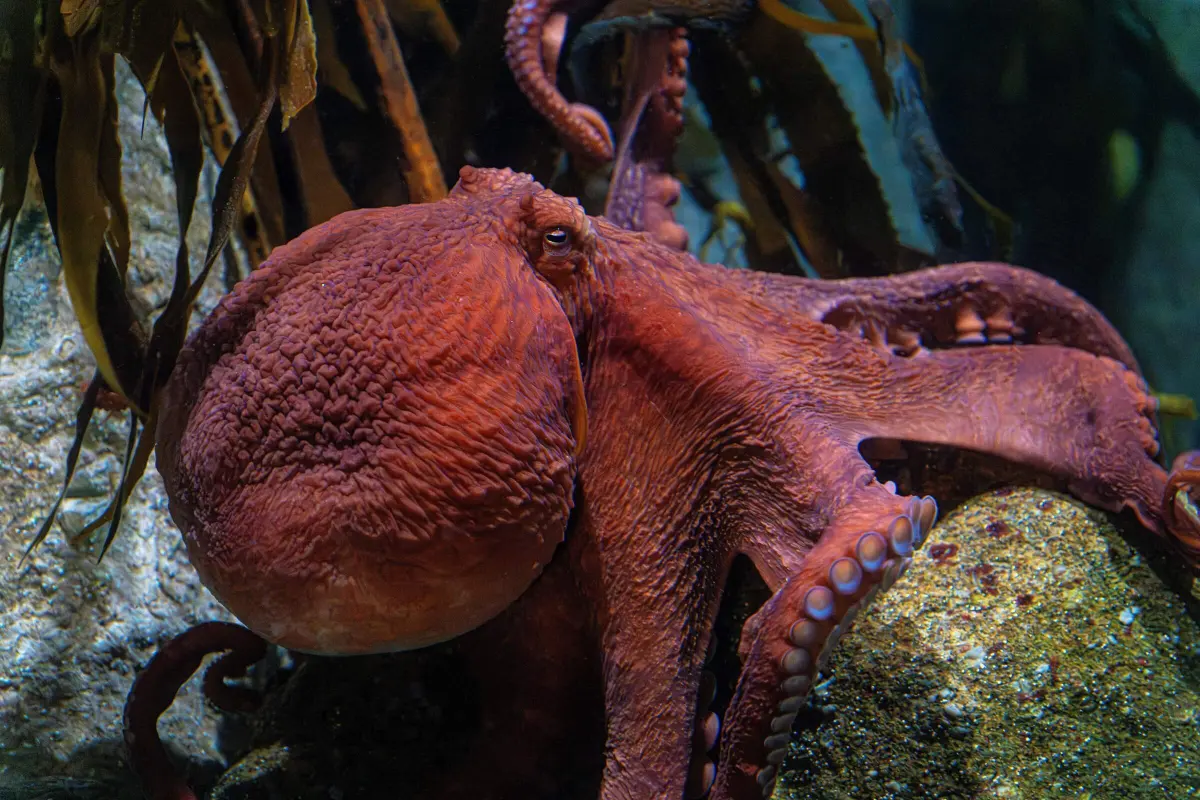
The rapid color transformation of an octopus is primarily driven by chromatophores, which are tiny, elastic sacs filled with pigment located in the outer layer of the skin. Each chromatophore is surrounded by a ring of radial muscles that are directly controlled by the octopus's brain. When the brain sends a signal, these muscles contract, stretching the pigment sac into a wide, flat disc that displays color. When the muscles relax, the sac shrinks to a tiny, almost invisible point, effectively hiding the color.
This process is incredibly efficient because it bypasses the slow chemical signaling used by many other animals, such as chameleons. Instead, the octopus utilizes a direct neural pathway, allowing it to change its appearance in as little as 200 milliseconds. This speed is essential for survival in dynamic environments where lighting and shadows shift constantly. By coordinating these muscular contractions across thousands of chromatophores, the animal can create complex, rippling patterns that mimic the surrounding seafloor with startling accuracy.
What are the different types of skin cells?
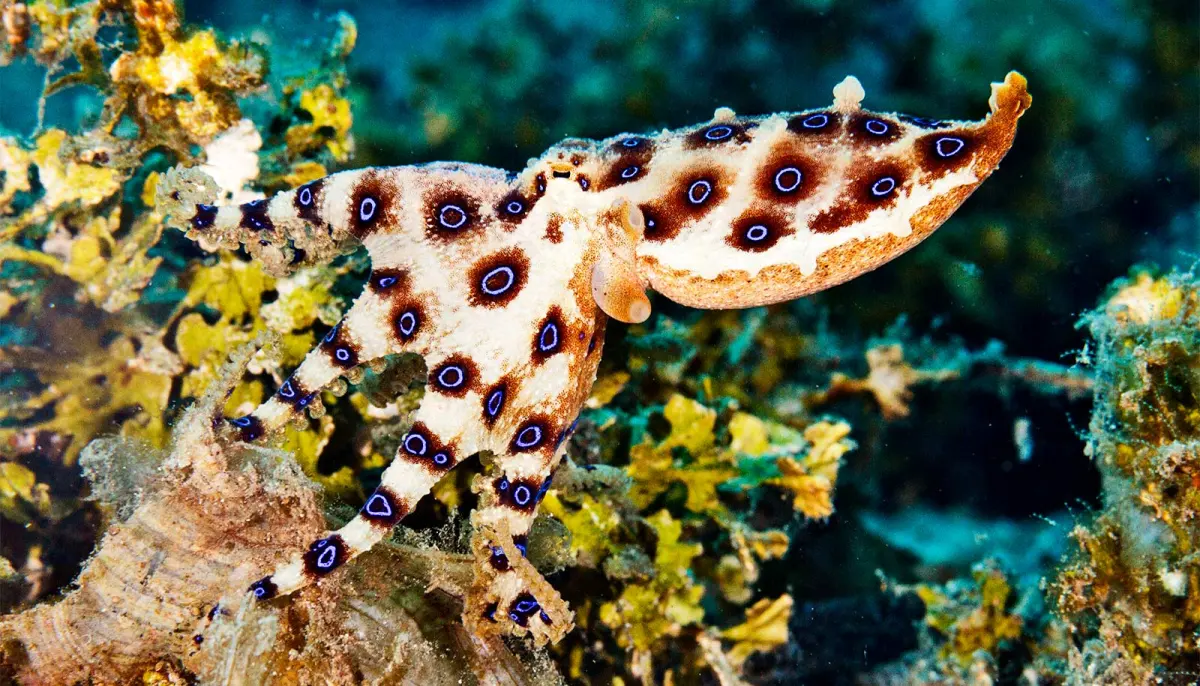
Beyond the pigment-filled chromatophores, octopuses possess two other types of structural cells that add depth and reflectivity to their appearance. Iridophores are located beneath the chromatophores and contain stacks of thin, reflective plates. These plates manipulate light through thin-film interference, producing iridescent blues, greens, silvers, and golds. Unlike chromatophores, which provide color through pigment, iridophores create color through the physical structure of the cells, reflecting specific wavelengths of light.
Leucophores sit even deeper in the skin and act as broadband reflectors. They are responsible for creating white or neutral backgrounds by scattering all incoming light. By combining these three cell types, the octopus achieves a full spectrum of visual effects:
- Chromatophores provide the primary pigments like red, brown, and black.
- Iridophores add metallic, shiny, or iridescent highlights.
- Leucophores provide the base white or grey tones to enhance contrast.
This layered system allows the octopus to create a sophisticated camouflage that works under various lighting conditions, from the bright shallows to the dim twilight zones of the ocean.
Why do octopuses change their texture?
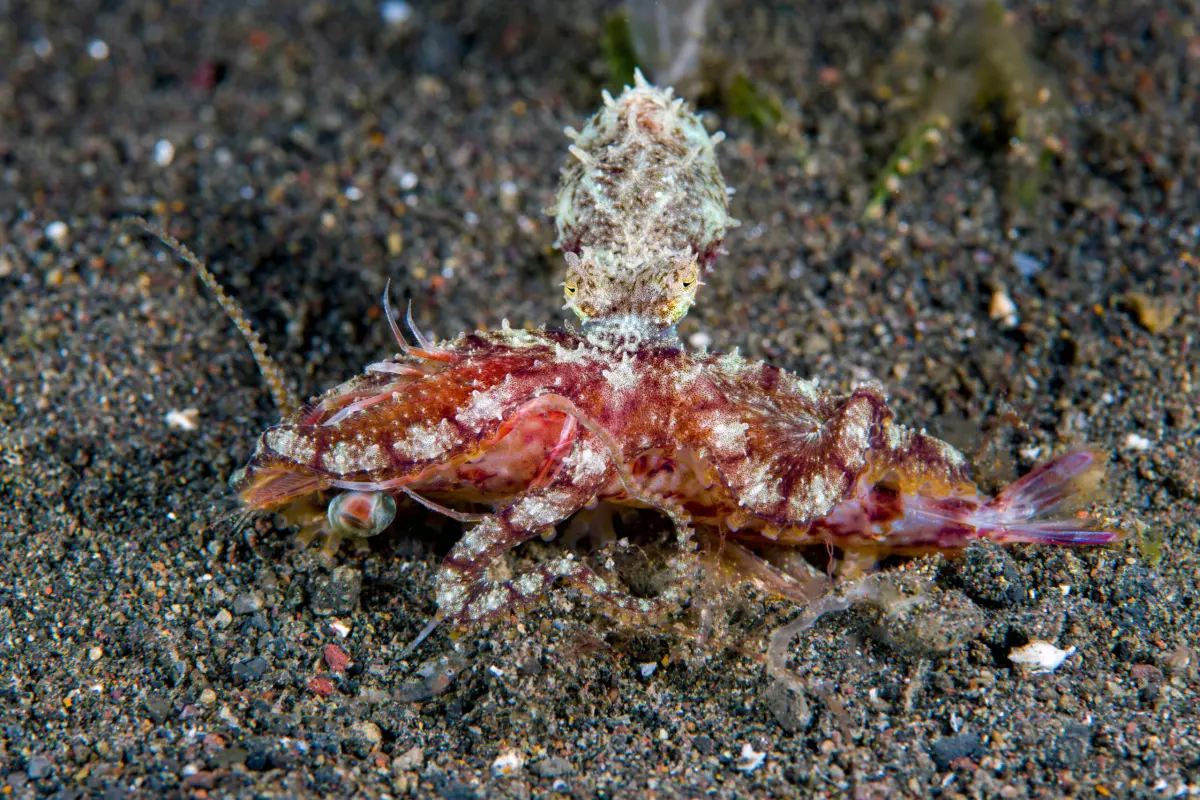
Color is only half of the camouflage equation; the octopus also manipulates its skin texture to blend into its environment. This is achieved through structures called papillae, which are small, muscular projections on the skin. By contracting or relaxing these muscles, an octopus can change its skin from perfectly smooth to jagged, bumpy, or spiked. This allows the animal to mimic the appearance of rocks, coral, or seaweed, effectively breaking up its silhouette.
The combination of color and texture is a masterclass in biological engineering. An octopus can adjust its papillae to match the rough surface of a barnacle-covered rock while simultaneously shifting its color to match the mottled grey and brown of the stone. To achieve this, the octopus follows a specific sequence of sensory integration:
- Visual perception of the surrounding environment via the eyes.
- Neural processing of the texture and color patterns in the brain.
- Coordinated activation of chromatophore muscles and skin papillae.
- Final adjustment based on real-time feedback from the environment.
Common mistakes when observing octopus camouflage
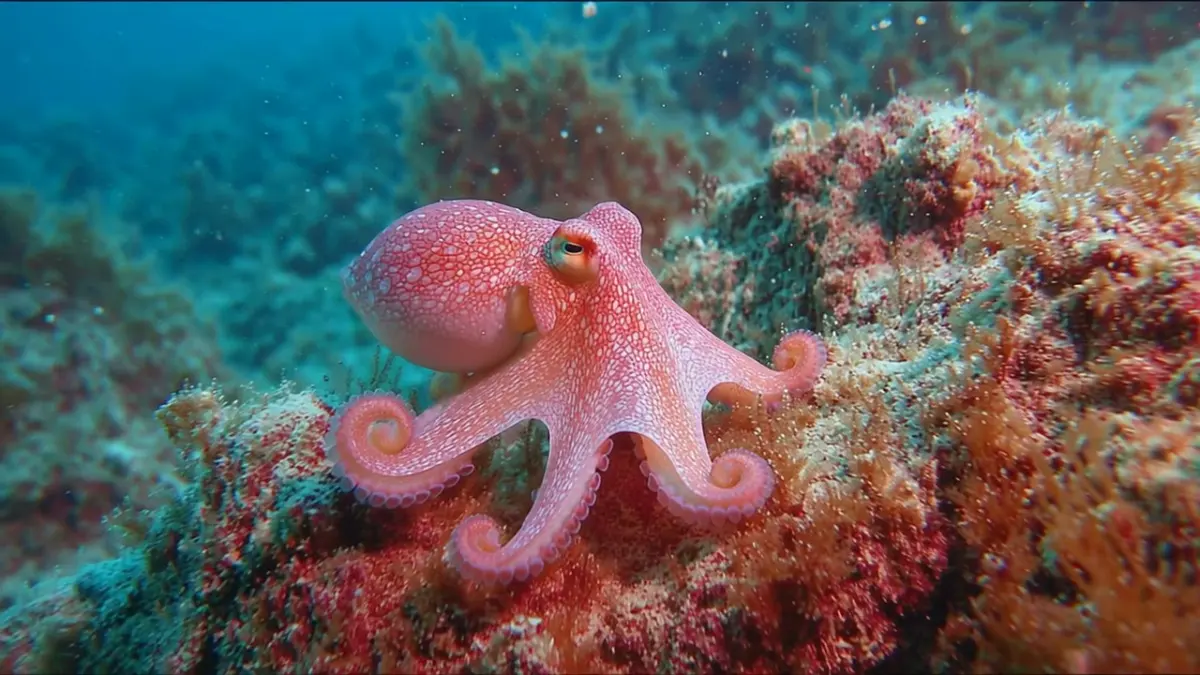
One common mistake observers make is assuming that color changes are always related to camouflage. While hiding is a primary function, octopuses also use their color-changing abilities for complex social signaling and defense. For example, a threatened octopus may suddenly flash a high-contrast display of white and dark brown to startle a predator. This behavior, known as deimatic display, is intended to make the animal look larger or more dangerous, rather than blending in.
Another misconception is that octopuses can see color as we do. Research suggests that most octopus species are actually colorblind, possessing only one type of photoreceptor in their eyes. This raises a fascinating scientific question: if they cannot perceive color, how do they match their surroundings so perfectly? Experts believe they may use their pupils to detect light polarization or rely on high-contrast edges to discern patterns. When watching an octopus, avoid assuming it is "seeing" the color red; instead, focus on how it interprets light intensity and contrast to inform its physical transformation.
How can you spot an octopus in the wild?
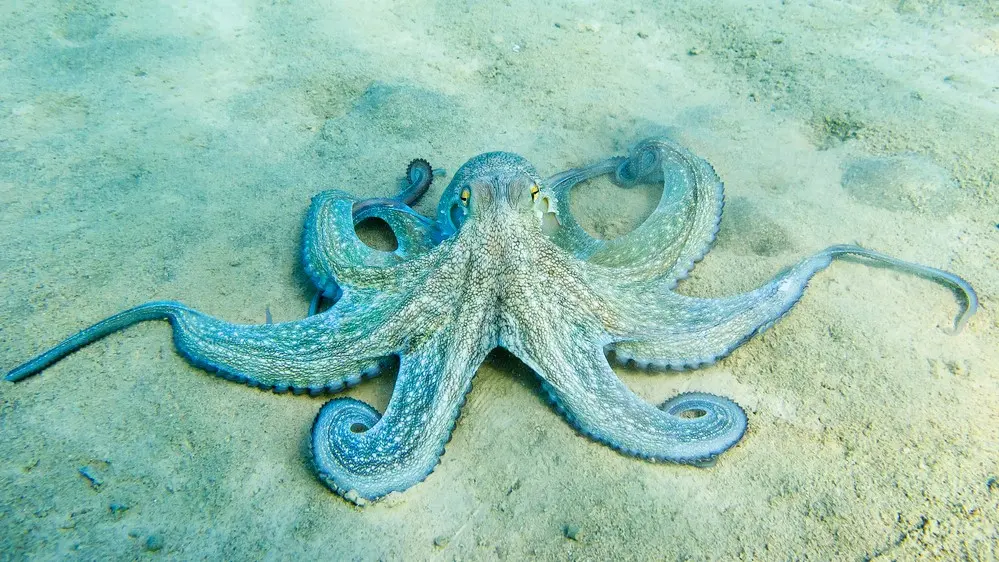
Spotting an octopus requires patience and a keen eye for subtle irregularities in the environment. Because they are masters of disguise, you should look for movement that does not match the rhythm of the ocean. Watch for shadows that shift independently of the current or patches of sand that appear slightly "off" in texture. If you are snorkeling or diving, scan the base of rocky outcroppings, as these areas provide the best cover for an octopus to anchor itself while hunting.
When you find an octopus, maintain a respectful distance to avoid triggering a stress response. If the animal detects you, it may change its color to a dark, uniform shade or try to hide immediately. To observe their natural behavior, follow these guidelines:
- Move slowly and minimize your silhouette against the light.
- Look for the "eye" of the octopus, which is often the most difficult part to camouflage.
- Observe the skin for subtle pulses of color, which indicate the animal is actively processing its surroundings.
By remaining still, you increase the chances that the octopus will resume its normal activities, revealing the full range of its incredible color-changing capabilities.
Key facts
- Octopuses use specialized skin cells called chromatophores to change color in milliseconds.
- Each chromatophore is a tiny sac of pigment connected to radial muscles that expand or contract the sac.
- Iridophores and leucophores are deeper skin layers that reflect light to create iridescent blues, greens, and whites.
- The octopus nervous system controls these cells directly, allowing for rapid, subconscious camouflage.
- Texture changes occur simultaneously with color shifts by using muscular protrusions called papillae.
- To avoid detection, an octopus must match both the color and the light-reflecting properties of its immediate surroundings.
The bottom line
The octopus is a master of disguise, utilizing a sophisticated biological system of chromatophores, iridophores, and leucophores to manipulate its appearance. By controlling these cells through its nervous system, the animal can alter its color, pattern, and texture in a fraction of a second. This remarkable ability allows the octopus to hide from predators, hunt effectively, and communicate with others in diverse marine environments across the globe.
People also ask
Can octopuses see color?
Research suggests most octopus species are colorblind, yet they possess an incredible ability to match the colors of their environment. They likely rely on specialized photoreceptors in their skin that detect light intensity and contrast rather than true color vision.
Do octopuses change color when they are sleeping?
Yes, octopuses often display shifting patterns and colors while they sleep. Scientists believe these involuntary displays may be related to dreaming or processing information from their waking hours.
How fast can an octopus change its appearance?
An octopus can shift its entire body pattern in less than 200 milliseconds. This speed is faster than the human eye can track, making their camouflage appear instantaneous to predators and prey.
Do all octopus species have the ability to change color?
Nearly all of the roughly 300 known octopus species possess the ability to change color. However, deep-sea species that live in total darkness have fewer chromatophores and rely less on visual camouflage.
Why do octopuses turn white?
An octopus often turns pale or white when it is stressed, frightened, or attempting to blend into a sandy background. This rapid loss of color is a defensive reflex used to startle a predator or signal submission.
Can an octopus change its skin texture?
Beyond color, octopuses can change their skin texture from smooth to spiky or bumpy. They achieve this by manipulating thousands of tiny muscles called papillae to mimic the appearance of rocks, coral, or seaweed.
This answer was created with the help of AI research tools and reference sources. Spotted an error? Let us know — we correct mistakes quickly. See our editorial policy.