How is charcoal made?
Short answer
Charcoal is produced through the process of carbonization, where wood is heated in a low-oxygen environment. This thermal decomposition, known as pyrolysis, drives off water, methane, and tar, leaving behind a carbon-rich residue. The resulting material burns hotter and cleaner than raw wood, making it an ideal fuel for cooking.
On this page
How is charcoal made industrially?
Industrial charcoal production relies on large-scale kilns or retorts to convert raw timber into fuel. The process begins by stacking hardwood logs—such as oak, hickory, or maple—inside a sealed vessel. Technicians ignite a portion of the wood to generate internal heat, then restrict the airflow to prevent the wood from turning into ash. This oxygen-starved environment forces the wood to undergo pyrolysis, where temperatures reach between 400 and 600 degrees Celsius.
As the wood heats, volatile compounds including water vapor, acetic acid, and methanol are released as smoke. Modern industrial facilities often capture these gases to produce secondary products like wood vinegar or to fuel the kiln itself. Once the wood has fully carbonized, the kiln is sealed completely to cool for several days. This slow cooling prevents the charcoal from spontaneously combusting when exposed to fresh air. The final product is then crushed, screened for size, and often mixed with binders like starch to form uniform briquettes.
How to make charcoal at home
For those interested in small-scale production, the pit or barrel method is the most common approach. This requires a metal drum with a lid, a supply of dry hardwood, and a way to control airflow. The goal is to create a controlled burn that leaves behind the carbon skeleton of the wood.
- Prepare a dry, level area and place the metal drum on bricks to allow for airflow underneath.
- Fill the drum with tightly packed hardwood, leaving space at the top for a small fire starter.
- Light the top layer of wood and allow it to burn until the flames begin to turn blue, indicating the volatiles are burning off.
- Cover the drum with a lid, leaving only a tiny gap for smoke to escape.
- Once the smoke stops, seal the lid airtight with sand or soil and let it cool for at least 24 hours.
How long does it take to make charcoal?
The duration of the carbonization process depends heavily on the density of the wood and the volume of the kiln. In a small backyard barrel, the active burning phase typically lasts between three to six hours. However, the cooling phase is the most critical and time-consuming part of the operation. If you open the container too early, the charcoal will react with oxygen and ignite, turning your hard work into useless ash.
Total time from ignition to a finished, usable product usually spans 36 to 48 hours. Industrial retorts are significantly faster due to sophisticated temperature controls and forced-air systems, often completing a cycle in under 24 hours. Regardless of the method, rushing the cooling process is the primary cause of failure. Patience ensures that the carbon structure remains intact and that the final product reaches the desired density for efficient burning.
Best wood for making charcoal
Not all wood species are created equal when it comes to charcoal production. Dense hardwoods are the gold standard because they contain more carbon per cubic inch and produce a longer-lasting, more consistent heat. Softwoods, such as pine or cedar, are generally avoided because they contain high levels of resin and sap. These substances create excessive smoke and unpleasant odors during the carbonization process, resulting in charcoal that imparts a bitter taste to food.
- Oak: Known for high density and long burn times.
- Hickory: Prized for its intense, savory flavor profile.
- Maple: Offers a mild, consistent heat suitable for general grilling.
- Fruitwoods: Excellent for adding subtle, sweet aromas to meats.
- Avoid: Treated lumber, plywood, or painted wood, as these release toxic chemicals.
Always use wood that has been seasoned for at least six to twelve months. Green or "wet" wood contains too much moisture, which requires excessive energy to evaporate. This leads to an incomplete carbonization process and results in "half-burned" wood that is difficult to ignite and produces heavy, acrid smoke.
Common mistakes when making charcoal
The most frequent error beginners make is failing to control the oxygen supply. If too much air enters the kiln, the wood will burn completely into ash rather than carbonizing into charcoal. Conversely, if the airflow is too restricted, the wood may not reach the temperature required to drive off the moisture and impurities. Finding the balance requires monitoring the color and density of the smoke exiting the vent.
- Opening the kiln too early: This causes the charcoal to turn to ash immediately upon contact with oxygen.
- Using damp wood: This leads to low-quality, soft charcoal that crumbles easily and produces excessive smoke.
- Inconsistent stacking: Loose stacking creates air pockets that lead to uneven carbonization and "cold spots" in the batch.
- Neglecting safety: Always perform the process in a well-ventilated outdoor area away from structures or flammable vegetation to avoid fire hazards.
By avoiding these pitfalls, you ensure a high-quality yield of charcoal that burns clean and hot. Proper storage is the final step; keep your finished charcoal in a dry, airtight container to prevent it from absorbing atmospheric moisture, which can hinder its ability to light efficiently for your next cooking session.
Key facts
- Charcoal is produced through pyrolysis, the heating of organic material in an environment with little to no oxygen.
- Hardwoods like oak, hickory, and maple are preferred because they produce denser, longer-burning charcoal than softwoods.
- The process typically requires temperatures between 400 and 600 degrees Celsius to drive off moisture and volatile gases.
- A standard charcoal kiln or retort can reduce the weight of raw wood by approximately 75 to 80 percent during carbonization.
- Avoid using wood treated with chemicals, paints, or preservatives, as these release toxic fumes when burned.
- Proper ventilation is essential during production to prevent the buildup of carbon monoxide and flammable gases.
The bottom line
Charcoal production is a precise thermal process that transforms raw wood into high-carbon fuel by removing moisture and volatile compounds in an oxygen-deprived environment. By selecting dense hardwoods and carefully managing heat levels, you can create an efficient energy source for cooking or heating. Understanding the fundamentals of pyrolysis allows for safer, more effective production, ensuring a clean-burning product that outperforms raw wood in most applications.
People also ask
How long does it take to make charcoal?
In a traditional earth mound or kiln, the process can take several days to complete. Modern industrial retorts can finish the carbonization cycle in as little as 8 to 12 hours.
Can I make charcoal in my backyard?
Yes, you can use a metal drum or a small pit to char wood, provided you have a way to restrict oxygen flow. Always check local fire ordinances and ensure you have water nearby for safety.
Is charcoal the same thing as coal?
No, charcoal is a man-made product derived from biomass like wood, while coal is a fossil fuel mined from the earth. Coal takes millions of years to form under geological pressure.
Why does wood turn black during the process?
The black color is pure carbon, which remains after heat removes the water, hydrogen, and oxygen from the wood fibers. This carbon structure is what allows charcoal to burn hotter and cleaner than raw wood.
What is the difference between lump charcoal and briquettes?
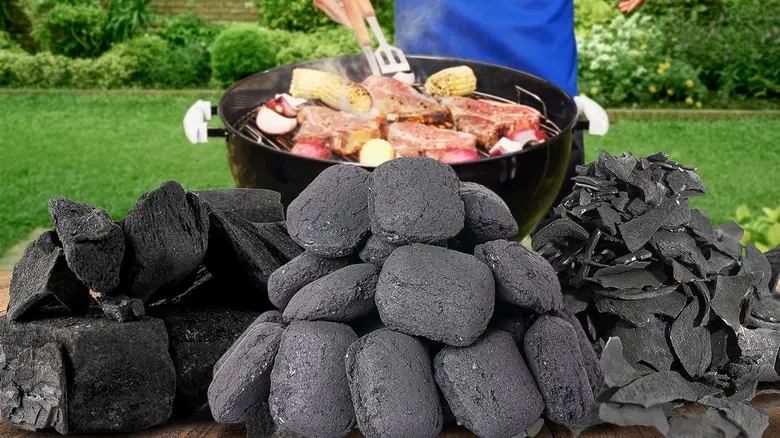
Lump charcoal is natural wood charred directly, while briquettes are made from wood scraps compressed with binders and additives. Lump charcoal lights faster, but briquettes offer a more consistent, longer burn time.
How do you know when the charcoal is finished?
The wood should be completely black, brittle, and have a metallic ring when struck. If the pieces are still brown or soft in the center, the carbonization process was incomplete.
This answer was created with the help of AI research tools and reference sources. Spotted an error? Let us know — we correct mistakes quickly. See our editorial policy.