What is archival paper?
Short answer
Archival paper is high-quality, chemically stable material engineered to resist deterioration over centuries. It is typically acid-free, buffered with an alkaline reserve, and made from cotton fibers or high-alpha cellulose wood pulp. Designed for preservation, it prevents yellowing, brittleness, and fading, making it the industry standard for documents, artwork, and historical records.
On this page
What makes paper archival?
Archival paper is defined by its ability to withstand the passage of time without significant chemical degradation. Most standard office paper is manufactured using acidic processes that cause the cellulose fibers to break down, leading to the yellowing and crumbling often seen in old newspapers. Archival-grade paper avoids this by utilizing a neutral or slightly alkaline pH, typically ranging between 7.5 and 9.5. This pH level ensures the paper remains chemically inert and resistant to the environmental pollutants that accelerate decay.
Beyond acidity, the composition of the fibers plays a critical role in longevity. The highest quality archival paper is made from 100% cotton rag, which consists of long, durable fibers that do not easily break. Alternatively, high-alpha cellulose wood pulp is used, provided it has been chemically processed to remove lignin and hemicellulose. These substances are the primary culprits behind paper yellowing when exposed to light and air. By selecting materials free of these impurities, manufacturers create a substrate that remains flexible and bright for hundreds of years.
How to identify archival paper
When shopping for paper for long-term projects, you must look for specific technical indicators on the packaging. The term "acid-free" is a necessary starting point, but it does not always guarantee long-term stability on its own. For true archival quality, look for products that meet the ISO 9706 standard, which specifies requirements for paper permanence. This international certification ensures the paper has passed rigorous tests for resistance to aging, including heat-aging simulations.
To verify the quality of your materials, look for these specific labels:
- Acid-free: Indicates a neutral pH level.
- Buffered: Contains an alkaline reserve, usually calcium carbonate, to neutralize future acidity.
- Lignin-free: Ensures the paper will not yellow from light exposure.
- 100% Cotton: Signifies the use of high-strength, long-lasting fibers.
- ISO 9706: The gold standard for permanent, long-lasting paper.
If a product lacks these certifications, it is likely intended for temporary use. Avoid any paper that feels brittle or has a distinct yellow tint, as these are immediate indicators of poor chemical stability.
Why paper degrades over time
The primary enemy of paper is acid, which acts as a catalyst for the hydrolysis of cellulose. This process breaks the long molecular chains that give paper its strength, turning a flexible sheet into a brittle, fragile object. Acid can originate from the manufacturing process itself, such as the use of alum-rosin sizing, or from external sources like atmospheric pollution, acidic inks, and poor storage conditions. Once the degradation process begins, it is difficult to reverse, which is why archival paper is designed to be self-protecting.
Another major factor is the presence of lignin, a natural polymer found in wood that binds fibers together. When exposed to ultraviolet light, lignin oxidizes and turns yellow, which is why newspaper clippings turn brown so quickly. Archival paper is processed to remove or stabilize these components. Furthermore, environmental factors such as high humidity and fluctuating temperatures can accelerate chemical reactions within the paper. By using buffered archival paper, you provide a chemical buffer that neutralizes acidic gases before they can damage the cellulose structure of the sheet.
Common mistakes when storing documents
Even the finest archival paper will deteriorate if it is stored in an improper environment. One of the most frequent errors is storing important documents in basements or attics, where humidity levels fluctuate wildly. Excess moisture encourages mold growth, while dry, hot air causes the fibers to become brittle. Ideally, documents should be kept in a climate-controlled room with a stable temperature around 68 degrees Fahrenheit and a relative humidity between 30% and 50%.
Follow these steps to ensure your documents remain in pristine condition:
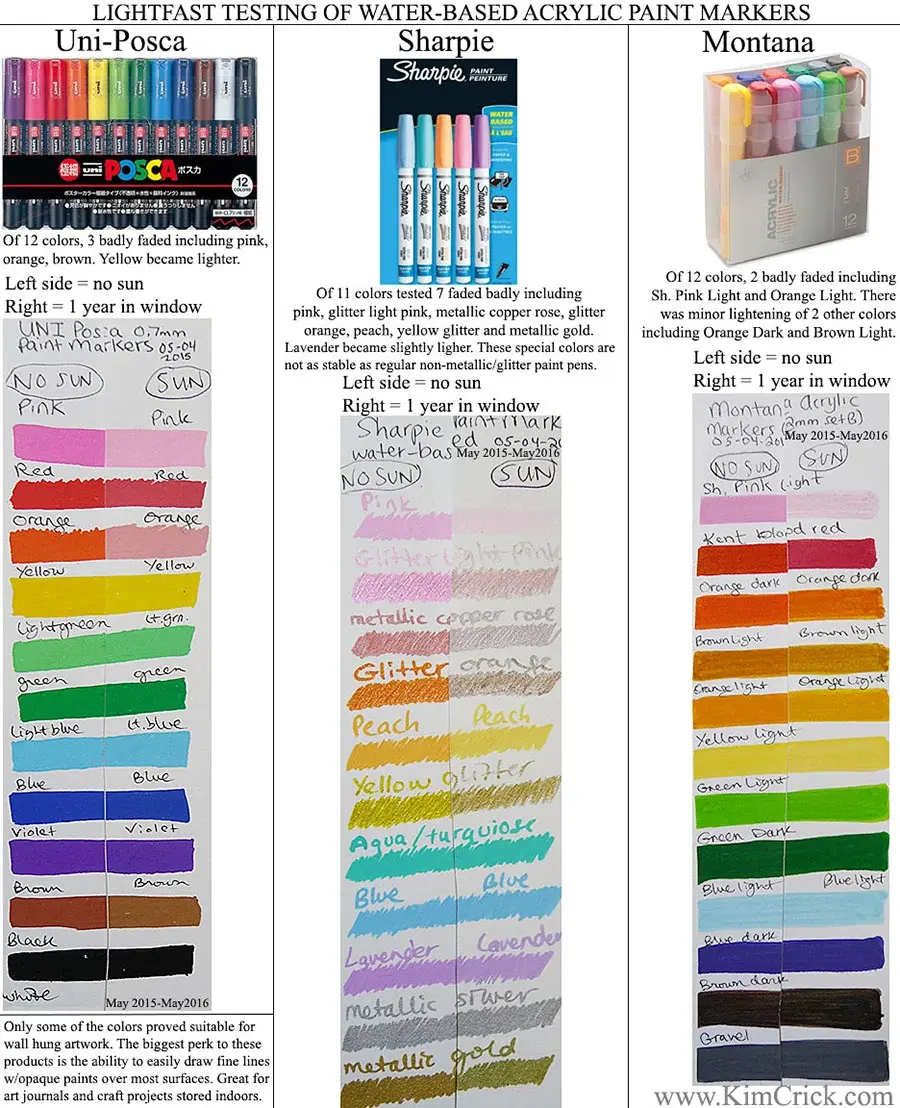
- Remove metal paperclips and staples, as they rust and cause permanent staining.
- Place documents in acid-free, lignin-free folders or sleeves.
- Store items in a dark, dry place to prevent light damage and biological growth.
- Use archival-quality storage boxes that are chemically inert and free of volatile organic compounds.
- Avoid using adhesive tapes or glue, which contain acidic chemicals that will bleed into the paper over time.
Never store important documents in PVC plastic sleeves, as these release gases that can damage paper. Always opt for polyester (Mylar) or polypropylene protectors instead.
Best uses for archival paper
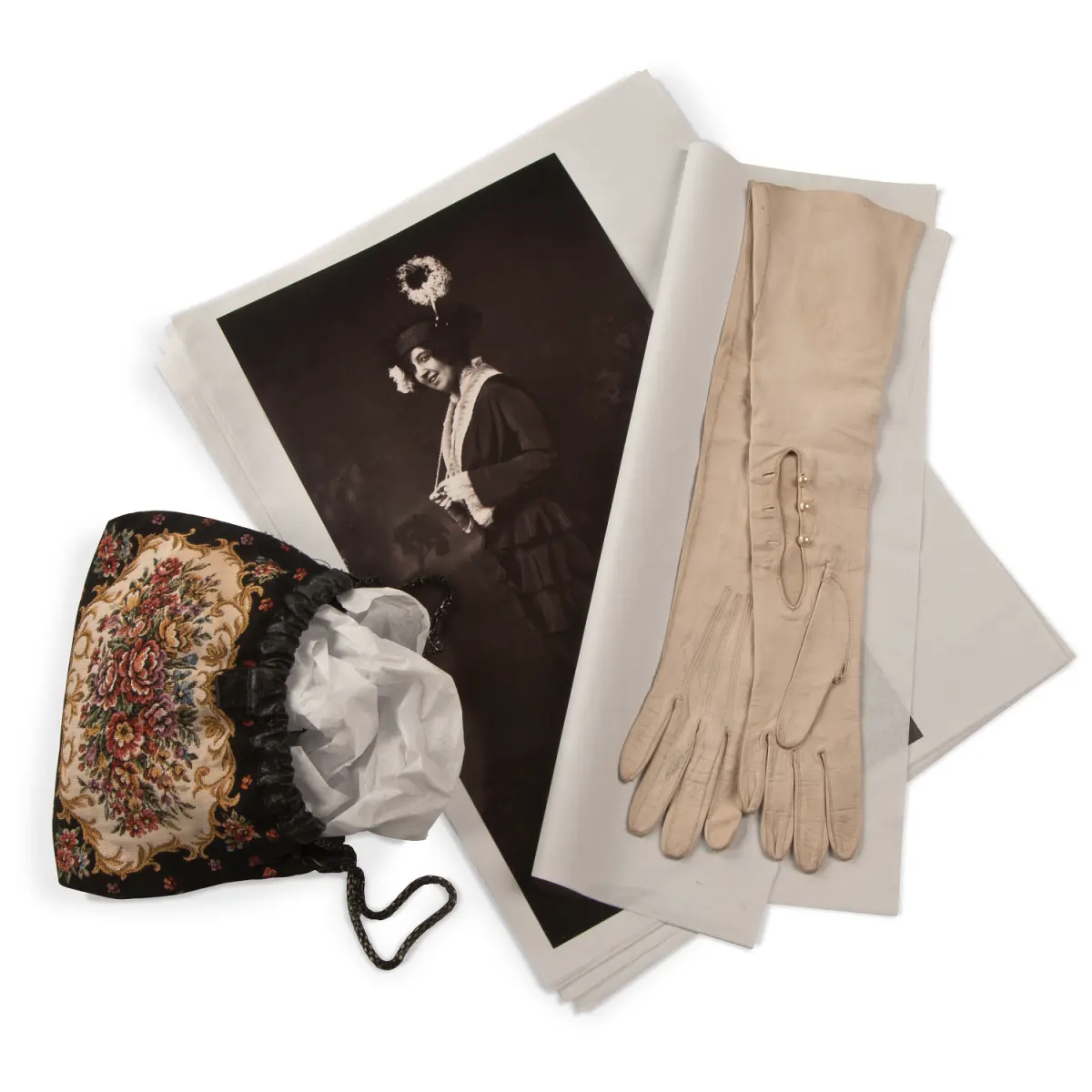
Archival paper is an essential investment for anyone creating documents or artwork intended to last for generations. It is the standard choice for artists working with watercolors, charcoal, or ink, as the paper's stability ensures that colors remain vibrant and the surface does not warp over time. Beyond the arts, it is critical for legal documents, genealogical records, family histories, and photographs. By using the correct paper, you ensure that the information you record today remains legible for your descendants.
For those printing digital documents, specialized archival-grade inkjet paper is available. These papers are coated with a layer that prevents ink from bleeding and protects the pigments from ozone and light. When printing, ensure your printer settings are adjusted for heavy-weight paper to prevent jamming. While the initial cost of archival materials is higher than standard office supplies, the long-term benefit of preserving your work far outweighs the expense. By choosing the right materials today, you are effectively safeguarding your personal legacy against the inevitable effects of environmental decay.
Key facts
- Archival paper is chemically stable, typically featuring a neutral or slightly alkaline pH level of 7.0 or higher.
- Most archival paper is buffered with calcium carbonate to neutralize acidic pollutants absorbed from the surrounding environment.
- High-quality archival paper is manufactured from cotton or linen fibers, which are naturally free of lignin.
- Wood-pulp paper often contains lignin, a substance that turns paper yellow and brittle over time as it oxidizes.
- Avoid using pressure-sensitive adhesive tapes, such as standard cellophane tape, on archival documents as they leave permanent, acidic stains.
- Store archival materials in a cool, dry environment with a consistent temperature below 70°F (21°C) to prevent biological degradation.
The bottom line
Archival paper is a specialized, acid-free material designed to resist decay and preserve documents for centuries. By eliminating lignin and adding alkaline buffers, manufacturers ensure that these papers remain flexible and bright despite environmental exposure. For personal collections, using high-quality archival paper and storing items in inert containers provides the best defense against the natural aging process, ensuring that your important records survive for future generations.
People also ask
How can I tell if my paper is archival?
Look for the term "acid-free" or "buffered" on the packaging. You can also use a pH testing pen, which changes color when applied to the paper's edge to indicate acidity levels.
Can I use regular printer paper for long-term storage?
No, standard office paper is usually acidic and will deteriorate within a few decades. It often contains wood pulp that breaks down, causing the paper to become yellow and brittle.
What does "buffered" mean in paper manufacturing?
Buffering involves adding an alkaline reserve, such as calcium carbonate, to the paper pulp. This reserve acts as a shield against acidic gases and prevents the paper from becoming acidic over time.
Does archival paper expire?
While it is designed to last for centuries, it can still degrade if exposed to poor conditions. High humidity, direct sunlight, and extreme temperature fluctuations will eventually damage even the highest-quality paper.
Is recycled paper always archival?
Not necessarily, as many recycled papers contain short, weak fibers and residual chemicals from the recycling process. Always check for specific "archival" or "acid-free" certifications before choosing paper for important documents.
Should I use plastic sleeves for archival storage?
Use only inert plastics like polyester (Mylar), polypropylene, or polyethylene. Avoid PVC sleeves, as they contain plasticizers that can off-gas and damage your documents over time.
This answer was created with the help of AI research tools and reference sources. Spotted an error? Let us know — we correct mistakes quickly. See our editorial policy.