What is the best paper for watercolor?
Short answer
The best watercolor paper is 100% cotton, cold-pressed, and at least 300 gsm (140 lb) in weight. Cotton fibers provide superior durability, allowing the paper to handle multiple washes without pilling. While brands like Arches, Fabriano, and Saunders Waterford are industry standards, the ideal choice depends on your specific painting style and technique.
On this page
Why choose 100% cotton paper
Professional watercolorists prioritize 100% cotton paper because of its unique structural integrity. Unlike wood-pulp or cellulose-based alternatives, cotton fibers are long and interlaced, which prevents the paper from disintegrating when saturated with water. This material allows pigments to sit beautifully on the surface, ensuring that colors remain vibrant once dry.
If you use cheaper wood-pulp paper, you will likely encounter "pilling," where the surface fibers rub off into small, unsightly balls. Furthermore, cotton paper allows for easier lifting of paint, meaning you can correct mistakes or create highlights by re-wetting the paper. While cotton paper is more expensive, it is an essential investment for anyone serious about mastering the medium.
- Durability: Withstands multiple layers of heavy water application.
- Absorbency: Maintains even moisture levels for smooth washes.
- Longevity: Acid-free cotton resists yellowing and brittleness over decades.
- Texture: Provides a tactile surface that grips pigments effectively.
How to understand paper weight and texture
Watercolor paper is categorized by weight, which is measured in grams per square meter (gsm) or pounds (lb). The standard weight for most artists is 300 gsm (140 lb). Anything lighter, such as 190 gsm (90 lb), will almost certainly buckle or warp when wet, necessitating that you stretch the paper on a board before painting.
Texture, or "tooth," is equally important and typically comes in three varieties:
- Cold-pressed: The most popular choice; it has a slight texture that is versatile for most subjects.
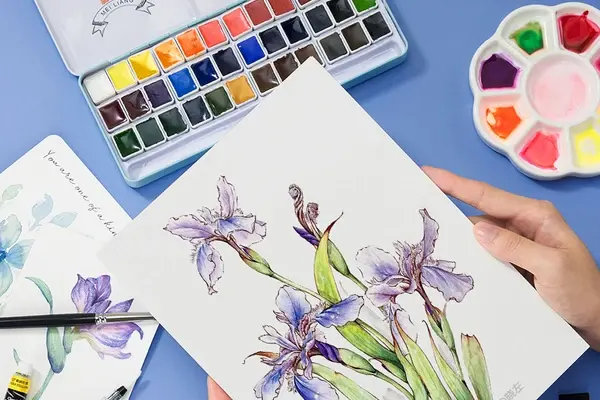
- Hot-pressed: A smooth, flat surface ideal for fine detail, pen-and-ink work, and botanical illustrations.
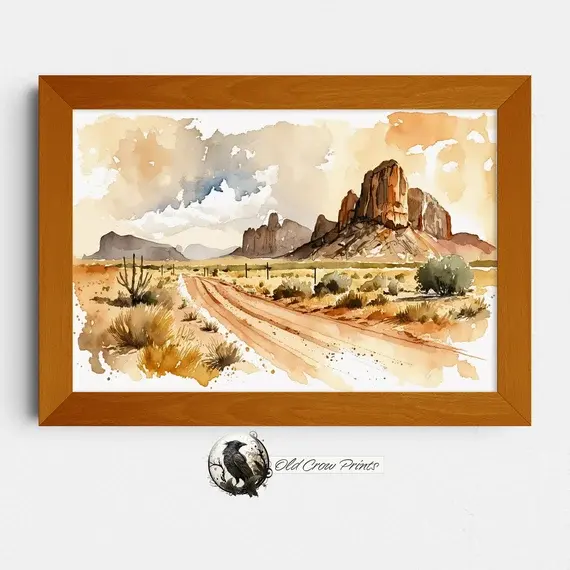
- Rough: A heavily textured surface that creates dramatic, broken paint effects and is excellent for landscapes.
Choosing the right texture depends on your artistic goals. Beginners should start with cold-pressed paper, as it is the most forgiving for learning basic washes and brush control.
Best watercolor paper for beginners
When starting out, you do not necessarily need the most expensive professional-grade paper, but you should avoid "student-grade" pads that contain wood pulp. Instead, look for budget-friendly cotton options or high-quality cellulose papers to practice your brushstrokes. Many manufacturers offer smaller blocks or pads specifically designed for students that mimic the surface of professional sheets.
It is common for beginners to feel discouraged when their paint looks muddy or the paper tears. This is almost always a result of using poor-quality paper rather than a lack of talent. By using a 300 gsm cotton block, you remove the frustration of paper buckling, allowing you to focus entirely on color mixing and composition.
- Start with a 9x12 inch pad to keep material costs manageable.
- Use a block format, which is paper glued on all four sides to prevent warping.
- Purchase individual sheets to test different brands before committing to a full pack.
- Avoid "watercolor paper" found in general craft stores that lack specific fiber content labels.
Common mistakes when choosing paper
One of the most frequent errors is assuming that all paper labeled "watercolor" is created equal. Many inexpensive pads are sized with chemicals that cause paint to bead up or resist the surface, making it impossible to create smooth gradients. Always check the packaging for the "acid-free" and "archival" labels, which ensure your work will not degrade or yellow over time.
Another mistake is ignoring the sizing of the paper. Sizing is a gelatin or synthetic treatment applied to the fibers that controls how much water the paper absorbs. If the sizing is too weak, the paint will bleed uncontrollably; if it is too strong, the paint will sit on top and never settle into the fibers. Stick to reputable brands like Arches or Fabriano to ensure the sizing is consistent and reliable for professional results.
How to prepare paper for painting
If you are using paper that is not in a pre-glued block, you may need to stretch it to prevent buckling. Stretching involves soaking the paper in clean water and taping it down to a rigid board while damp. As the paper dries, it shrinks and becomes drum-tight, providing a perfectly flat surface that will not warp regardless of how much water you apply.
- Submerge your paper in a clean water bath for about 5 to 10 minutes.
- Lay the damp sheet flat on a wooden drawing board or a piece of foam core.
- Use high-quality gummed paper tape to secure all four edges of the sheet to the board.
- Allow the paper to dry completely in a horizontal position before you begin painting.
Following these steps ensures that your surface remains stable, allowing for precise control during the painting process. Avoid using masking tape, as it often fails to hold the paper down as it dries and may damage the surface when removed.
Key facts
- Choose 100% cotton paper to ensure the fibers can withstand heavy water application without pilling or tearing.
- Look for "cold press" paper, which has a slight texture that helps hold pigment and water in place.
- Select a weight of at least 140 lb (300 gsm) to prevent the paper from buckling or warping when wet.
- "Hot press" paper is smooth and best suited for detailed work or pen-and-ink combinations rather than broad washes.
- Always check for "acid-free" or "archival" labels to ensure your artwork will not yellow or degrade over time.
- Use "rough" paper if you want to create dramatic, grainy effects by catching pigment in deep surface indentations.
The bottom line
The ideal watercolor paper is 100% cotton with a weight of 140 lb (300 gsm). While surface textures vary from smooth hot press to grainy rough, cold press is the most versatile choice for beginners and professionals alike. By investing in archival-quality materials and properly preparing your paper, you ensure that your pigments remain vibrant and your surface remains stable throughout the entire painting process.
People also ask
Does the brand of watercolor paper really matter?
Yes, professional brands like Arches, Fabriano, and Saunders Waterford use higher-quality sizing and cotton fibers. Cheaper wood-pulp alternatives often lack the necessary absorbency, causing paint to sit on the surface or bleed uncontrollably.
What is "sizing" in watercolor paper?
Sizing is a gelatinous substance added to the paper to control how much water and pigment it absorbs. Proper sizing allows colors to remain vibrant on the surface rather than soaking into the fibers and looking dull.
Can I use both sides of a sheet of watercolor paper?
You can, though the texture is often slightly different on the back due to the manufacturing process. Most artists prefer one side, but testing both can reveal unique characteristics for specific techniques.
How do I stop my paper from buckling?
Stretching your paper by soaking it in water and taping it to a board is the most effective method. Alternatively, using a heavy block of paper glued on all four sides keeps the sheets flat while you paint.
Is sketchbook paper suitable for watercolors?
Only if the sketchbook is specifically labeled for watercolor and contains at least 140 lb paper. Standard drawing or sketching paper is too thin and will disintegrate or pill when exposed to water.
How should I store my finished watercolor paintings?
Store them in a cool, dry place away from direct sunlight to prevent fading. Using acid-free mats and UV-protective glass when framing will further preserve the integrity of the pigments over many years.
This answer was created with the help of AI research tools and reference sources. Spotted an error? Let us know — we correct mistakes quickly. See our editorial policy.