What is a tripod pencil grip?
Short answer
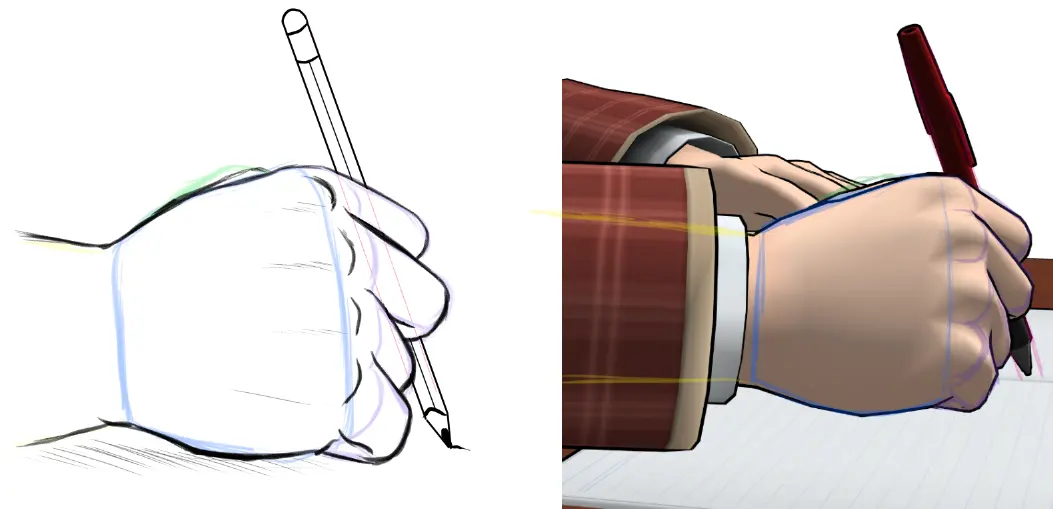
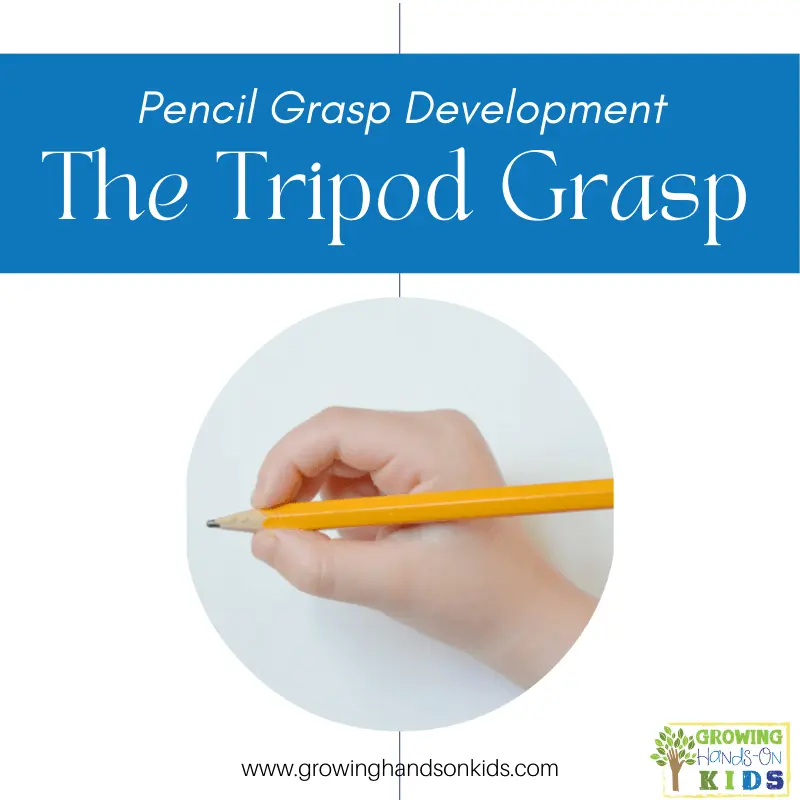
The tripod pencil grip is a refined hand position used for writing and drawing, involving the thumb, index finger, and middle finger. The pencil rests against the side of the middle finger while the thumb and index finger provide control and stability. It is widely considered the most efficient grip for precision.
On this page
What is a tripod pencil grip?
The tripod grip is the standard functional grasp for writing instruments, characterized by the dynamic use of three fingers. In this configuration, the thumb and index finger hold the shaft of the pencil, while the middle finger acts as a support base underneath. This arrangement allows for fluid movement, as the fingers can flex and extend independently to create letters and shapes.
This grip is classified as a dynamic tripod grasp because it relies on the small muscles of the fingers rather than the larger muscles of the wrist or shoulder. By utilizing this tripod structure, writers can maintain control over their writing tool for extended periods without experiencing rapid muscle fatigue. It is the gold standard taught in occupational therapy and early childhood education because it promotes optimal penmanship and reduces the physical strain associated with writing tasks.
How to teach the tripod grip
Developing a proper tripod grip is a developmental milestone for children, typically occurring between the ages of four and six. Educators and parents often use specific techniques to encourage children to adopt this posture naturally. Providing shorter, triangular-shaped pencils can also assist, as these tools naturally guide fingers into the correct positions through their ergonomic design.
- Place the pencil on the table with the writing tip pointing toward the child.
- Instruct the child to pick up the pencil using only their thumb and index finger near the sharpened end.
- Have the child flip the pencil back so that it rests comfortably against the middle finger.
- Ensure the ring finger and pinky are tucked into the palm to provide a stable foundation for the hand.
Why use a tripod pencil grip?
The primary advantage of the tripod grip is the balance it provides between control and mobility. Because the fingers are positioned close to the writing surface, the writer has a clear line of sight, which is essential for accuracy. This grip minimizes the need for excessive downward pressure, which is a common issue with less efficient grips that rely on a tight, "fist-like" hold of the writing instrument.
Furthermore, the tripod grip facilitates the use of "finger isolation," where the thumb and index finger perform the bulk of the work. This allows the wrist to remain relatively stable while the fingers perform the intricate movements required for cursive or print writing. By reducing the reliance on the entire arm for movement, the tripod grip helps writers achieve greater speed and legibility, making it an essential skill for students transitioning to longer writing assignments.
Common mistakes when using a tripod grip
Many individuals struggle with writing efficiency because they adopt "compensatory" grips that look similar to the tripod but lack its mechanical benefits. A frequent error is the "thumb wrap," where the thumb crosses over the index finger, restricting movement and causing the hand to cramp quickly. Another common mistake is holding the pencil too close to the tip, which obscures the writer's view and leads to an awkward, hunched posture.
- Holding the pencil with a "white-knuckle" grip, which indicates excessive tension.
- Resting the pencil on the ring finger instead of the middle finger, leading to instability.
- Keeping the fingers too far up the shaft, which reduces precision and control.
- Applying too much pressure, causing the pencil to leave deep indentations on the paper.
- Failing to tuck the ring and pinky fingers, which causes the hand to drag across the page.
How to improve your pencil grip
If you find that your writing is messy or your hand tires quickly, you may need to adjust your grip. Start by analyzing your current hold during a short writing session to identify where the tension originates. If you notice your fingers are stiff or your hand is prone to cramping, consciously relaxing your hold can make a significant difference in your comfort and output.
- Perform hand-strengthening exercises, such as squeezing a stress ball, to improve finger dexterity.
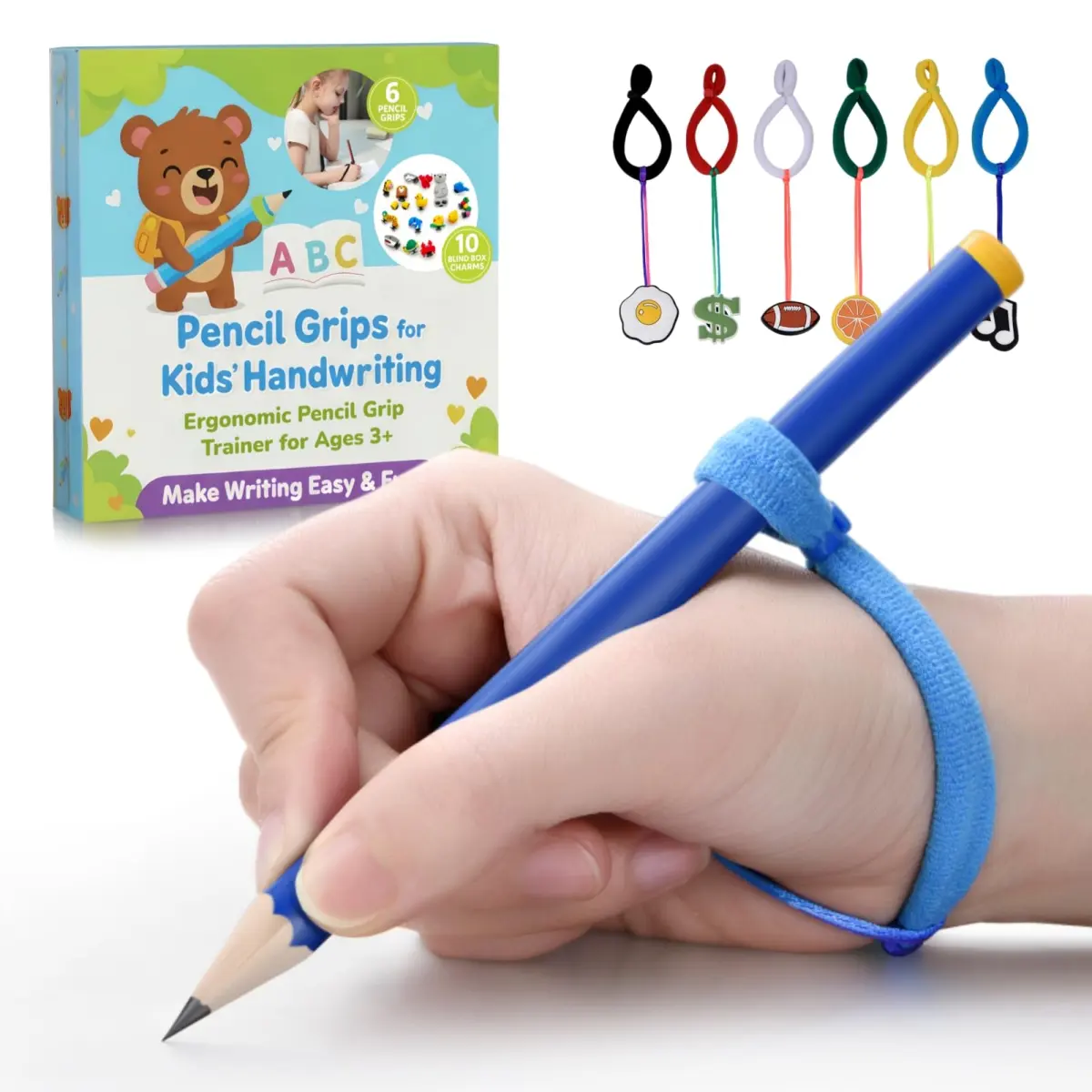
- Use a rubber pencil grip or an ergonomic sleeve to increase the surface area and reduce the need for a tight pinch.
- Practice writing on a vertical surface, such as a whiteboard, which naturally encourages the wrist to extend and the fingers to adopt a more functional tripod position.
- Take frequent breaks during long writing tasks to stretch your fingers and release built-up tension in your forearm.
By focusing on these small adjustments, you can transition to a more efficient tripod grip. Consistent practice is the key to retraining your muscle memory. Over time, the movement will become subconscious, allowing you to focus entirely on your work rather than the mechanics of holding your pen.
Key facts
- The tripod grip is considered the most efficient way to hold a writing instrument, involving the thumb, index finger, and middle finger.
- In this grip, the pencil rests against the side of the middle finger while the thumb and index finger control the movement.
- Occupational therapists often recommend this grip because it reduces muscle fatigue during long writing sessions.
- The ring finger and pinky should remain tucked toward the palm to provide a stable base for the hand.
- A "dynamic" tripod grip allows the fingers to move independently, which is essential for fluid handwriting and drawing.
- Using a pencil grip aid can help children or adults transition from an immature grasp to a functional tripod position.
The bottom line
The tripod grip is the gold standard for handwriting because it optimizes finger coordination and minimizes physical strain. By utilizing the thumb, index, and middle fingers, a writer gains superior control over the pencil’s path. While variations exist, mastering this specific grasp promotes long-term comfort and legibility. Consistent practice and the use of ergonomic aids can help anyone refine their technique for more efficient, fluid writing.
People also ask
At what age should a child develop a tripod grip
Most children begin transitioning to a tripod grip between the ages of four and six. By age seven, the grip is typically well-established and consistent across various writing tasks.
Is the tripod grip the only correct way to hold a pencil?
No, it is not the only way, but it is the most widely taught method in schools. Other grips, such as the quadrupod or lateral tripod, are also functional and allow for effective writing.
What are the common mistakes when learning this grip?
A frequent error is the "thumb wrap," where the thumb crosses over the index finger, restricting movement. Another mistake is gripping the pencil too tightly, which causes hand strain and slows down writing speed.
How can I help a child who struggles with this grip?
You can use short, golf-sized pencils to encourage the fingers to stay in the correct position. Additionally, using rubber pencil grips can provide tactile feedback and prevent fingers from slipping.
Does a tripod grip improve handwriting legibility?
Yes, because it offers the best balance of stability and mobility. When the fingers move freely, it is easier to control the pressure and direction of the pencil tip.
Can adults change their pencil grip if they are uncomfortable?
Yes, adults can retrain their grip through conscious practice and the use of ergonomic tools. It requires patience, as muscle memory for an established grip can be difficult to override.
This answer was created with the help of AI research tools and reference sources. Spotted an error? Let us know — we correct mistakes quickly. See our editorial policy.