How do you preserve a pencil drawing?
Short answer
Preserving a pencil drawing requires protecting the graphite from smudging, friction, and environmental degradation. The most effective methods include applying a high-quality fixative spray, storing the work in acid-free materials, and framing it behind UV-filtering glass. These steps prevent oxidation, fading, and physical damage, ensuring the artwork remains stable for decades.
On this page
How to use fixative sprays properly
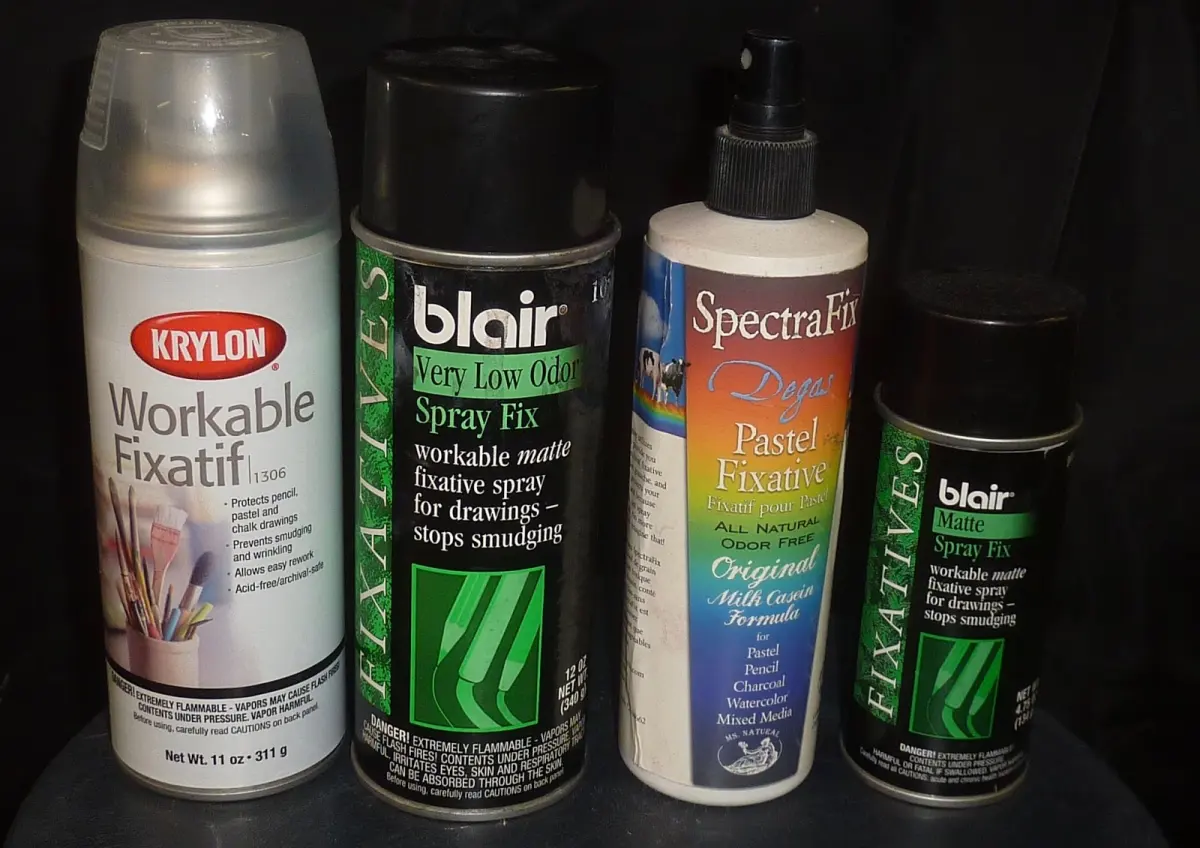
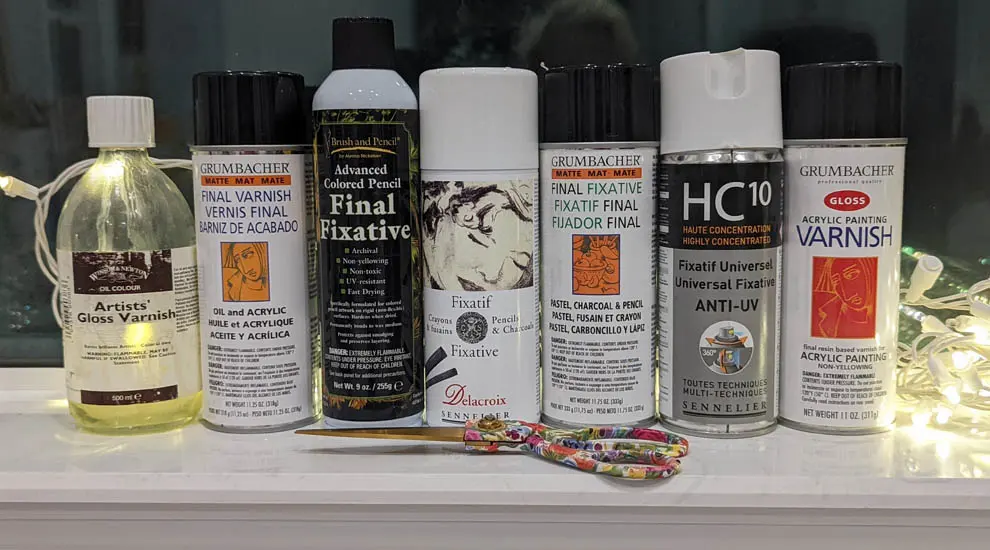
Fixative sprays are essential for sealing graphite particles to the paper surface, preventing the drawing from smudging or lifting over time. When selecting a product, look for "workable" fixatives, which allow you to continue drawing, or "final" fixatives, which provide a permanent, non-removable protective layer. Always choose an archival-quality, acid-free spray to ensure the paper does not yellow or become brittle as the chemicals age.
- Work in a well-ventilated area or outdoors to avoid inhaling aerosol fumes.
- Place your drawing flat on a protected surface, ensuring it is free of loose dust or eraser crumbs.
- Hold the spray can approximately 10 to 12 inches away from the paper.
- Apply light, even coats using a sweeping motion, starting off the edge of the paper and moving across.
- Allow the first layer to dry completely before applying a second, thinner coat to avoid pooling or saturation.
How to store pencil drawings safely
Proper storage is the most critical factor in the long-term preservation of graphite art. Graphite is sensitive to humidity, light, and acidity, all of which can degrade the paper support over time. Using archival-grade materials creates a micro-environment that shields the drawing from these external stressors. Always avoid standard cardboard or plastic sleeves, as these often contain acidic components that will migrate into your paper, causing irreversible staining or "foxing."
- Use acid-free, lignin-free archival folders or portfolios to house your work.
- Place a sheet of glassine paper—a smooth, acid-free, and translucent paper—over the surface of the drawing to prevent smudging during storage.
- Store your collection in a cool, dry environment, ideally away from exterior walls or areas prone to temperature fluctuations.
- Avoid stacking heavy objects on top of your drawings, as this can compress the graphite and cause it to transfer to the protective sheets.
Why graphite smudging happens
Smudging occurs when loose graphite particles are displaced by physical contact or friction. Because graphite is a soft, waxy mineral, it does not chemically bond to the paper fibers in the same way that pigments in paint do. Even after a drawing is finished, the graphite rests on the surface, making it highly susceptible to movement. If you touch the surface with your fingers, the natural oils from your skin can also leave permanent marks that attract dust and degrade the paper quality.
To minimize the risk of smudging during the creative process, artists should develop good habits early. Always place a clean piece of scrap paper under your drawing hand to act as a bridge between your skin and the artwork. If you must transport your drawings, ensure they are secured in a rigid portfolio to prevent bending. Bending the paper causes the graphite to crack and flake off, which is a common cause of permanent damage to detailed illustrations.

Common mistakes when preserving art
Many beginners make the mistake of using hairspray as a DIY fixative. While it may seem like a cheap alternative, hairspray is acidic and contains oils or fragrances that will yellow the paper and cause the graphite to become tacky or discolored within a few years. Another frequent error is sealing a drawing that is not yet clean. If you spray a fixative over eraser crumbs or graphite dust, you are essentially gluing that debris to the paper, creating permanent dark spots that cannot be removed without damaging the drawing.
- Never use standard masking tape or office tape to mount your drawings, as the adhesive will eventually eat through the paper.
- Avoid displaying drawings in direct sunlight, as UV rays can break down the paper fibers and cause the graphite to appear faded or washed out.
- Do not store your artwork in basements or attics, where high humidity levels can lead to mold growth or warping.
- Avoid using cheap, non-archival frames that lack a mat board, as the glass should never touch the surface of the drawing directly.
Best framing techniques for longevity
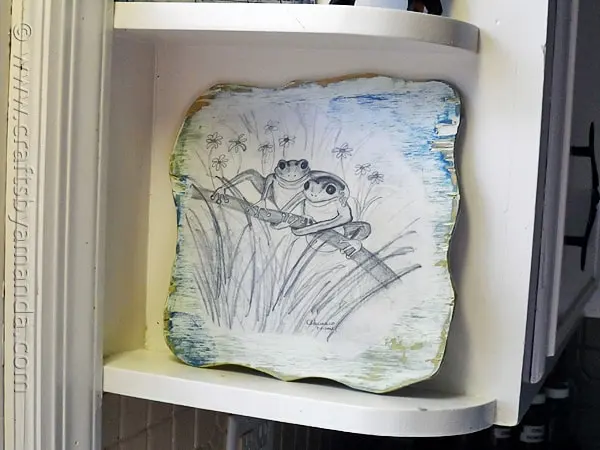
Framing is the ultimate way to protect a pencil drawing while allowing it to be enjoyed. The most important rule is to ensure the drawing does not touch the glass. If the graphite makes contact with the glass, moisture can cause it to stick, leading to "ghosting" or loss of detail. Use a mat board made of acid-free, buffered museum board to create a physical gap between the artwork and the glass. This simple addition provides structural support and prevents the paper from buckling.
When choosing glass, prioritize UV-filtering options, often called "conservation glass." This material blocks harmful ultraviolet light that causes paper to yellow and graphite to lose its crispness. If you are framing a large piece, consider using acrylic (plexiglass) instead of traditional glass, as it is lighter and shatter-resistant. Ensure the frame is sealed with high-quality, acid-free backing paper to keep out dust, insects, and humidity, creating a professional-grade environment that will preserve your work for many years to come.
Key facts
- Graphite is a dry medium that remains loose on the paper surface, making it highly susceptible to smudging and abrasion.
- Fixative sprays contain resins that bind graphite particles to the paper fibers, preventing accidental erasure or transfer.
- Archival-quality, acid-free paper prevents yellowing and brittleness over time, ensuring the drawing remains stable for decades.
- Ultraviolet light causes paper to fade and graphite to lose contrast; always display drawings away from direct sunlight.
- Glass frames should include a mat or spacer to prevent the artwork from touching the glass, which can cause condensation and mold.
- Storing drawings in flat files or acid-free portfolios protects them from dust, moisture, and physical damage.
The bottom line
Preserving a pencil drawing requires minimizing physical contact and environmental exposure. By using professional fixatives, acid-free storage materials, and protective framing, you can prevent smudging, yellowing, and degradation. Always keep your work away from direct sunlight and humidity, as these are the primary enemies of graphite art. Proper handling and storage ensure that your drawings remain pristine and vibrant for many years to come.
People also ask
Should I use hairspray to seal my pencil drawings?
You should avoid using hairspray because it is not archival and contains chemicals that will cause the paper to yellow and the graphite to degrade over time. Professional-grade artist fixatives are designed to be acid-free and non-yellowing.
How do I prevent graphite from smearing while I am still working?
Place a clean sheet of glassine or smooth tracing paper under your hand while drawing to avoid transferring skin oils or smudging the graphite. This barrier protects the work from accidental friction as you move across the page.
Can I use a regular picture frame for my drawing?
A standard frame is acceptable, but ensure the backing board is acid-free to prevent chemical migration into the paper. Always use a mat to create a physical gap between the paper and the glass.
What is the best way to clean a dusty pencil drawing?
Never use water or liquid cleaners on a graphite drawing, as this will permanently ruin the paper surface. If dust accumulates, gently use a soft, dry brush to lightly sweep the surface, or simply keep it protected behind glass.
Does the hardness of the pencil lead affect how easily it smudges?
Yes, softer pencils like 4B or 6B contain more graphite and less clay, making them much darker and more prone to smudging than harder pencils like 2H. You must be extra careful when applying fixative to drawings made with soft, dark leads.
How should I store my finished drawings if I do not want to frame them?
Place each drawing in an individual archival-quality plastic sleeve made of polyester or polypropylene. Store these sleeves flat in a dark, cool, and dry environment to prevent environmental damage.
This answer was created with the help of AI research tools and reference sources. Spotted an error? Let us know — we correct mistakes quickly. See our editorial policy.