Who invented paper?
Short answer
Cai Lun, a court official during China’s Eastern Han Dynasty, is officially credited with inventing paper in 105 CE. While archaeological evidence suggests earlier, more primitive forms of paper existed in China as early as the 2nd century BCE, Cai Lun revolutionized the process by standardizing materials and improving production efficiency.
On this page
Who was Cai Lun and how did he invent paper?
Cai Lun served as a high-ranking eunuch and official in the imperial court of Emperor He of Han. In 105 CE, he presented a new method for papermaking to the emperor, which utilized a sophisticated blend of mulberry bark, hemp, rags, and fishnets. Before this innovation, writing surfaces in China were primarily limited to expensive silk or cumbersome bamboo and wooden strips.
By refining the pulping process, Cai Lun created a lightweight, flexible, and affordable medium that transformed bureaucracy and communication. His technique involved macerating raw materials into a slurry, spreading the fibers onto a woven screen, and allowing them to dry into thin, uniform sheets. This standardized approach allowed for mass production, setting a precedent that would remain largely unchanged for centuries.
How is traditional handmade paper made?
The traditional process of papermaking relies on the separation of plant fibers, which are then reformed into a mat. This method requires patience and a specific sequence of actions to ensure the resulting sheet has structural integrity and a smooth writing surface.
- Gather raw plant fibers such as mulberry, flax, or recycled cotton rags.
- Boil the materials in an alkaline solution, such as wood ash or soda ash, to break down lignin and soften the fibers.
- Beat the softened fibers into a pulp using a wooden mallet or a mechanical beater until the mixture is uniform.
- Fill a vat with water and add the pulp, stirring thoroughly to create a suspension.
- Dip a mold—a frame with a fine mesh screen—into the vat to capture a thin, even layer of fibers.
- Remove the mold from the water, shake it gently to interlock the fibers, and allow the excess water to drain.
- Transfer the wet sheet onto a felt cloth, stack multiple layers, and press them to remove remaining moisture before final drying.
Why did papermaking technology spread so slowly?
For several hundred years, the secret of papermaking was strictly guarded by the Chinese imperial court. The technology remained confined to East Asia, slowly reaching Korea and Japan by the 7th century. It was not until the Battle of Talas in 751 CE, where Arab forces captured Chinese papermakers, that the knowledge began to migrate toward the Islamic world.
The spread across the Middle East and eventually into Europe was driven by the need for efficient record-keeping in growing urban centers. Paper was significantly cheaper and easier to transport than parchment, which was made from animal skins. As trade routes expanded, the demand for paper grew, leading to the establishment of the first paper mills in Baghdad, Damascus, and later, Spain and Italy.
Common mistakes when making paper at home
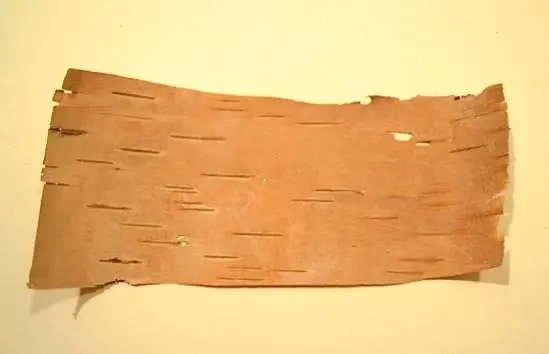
Attempting to make paper at home is a rewarding craft, but beginners often encounter issues that affect the quality of the final sheet. One of the most frequent errors is failing to process the pulp thoroughly. If the fibers are not beaten long enough, the resulting paper will be brittle and prone to tearing.
Another common mistake is adding too much pulp to the vat, which creates sheets that are too thick and take an excessively long time to dry. Conversely, if the fibers are not stirred properly, the paper will have thin spots or "holes" where the screen was not fully covered. Always ensure your water-to-pulp ratio is consistent and that you maintain a steady, level motion when lifting the mold out of the vat to prevent uneven distribution.
What is the difference between ancient and modern paper?
Ancient paper was almost exclusively made from natural plant fibers and relied on manual labor for every stage of production. This resulted in a textured, durable, and archival-quality material that could last for centuries without yellowing or degrading. Modern paper, by contrast, is largely produced through industrial chemical processes designed for speed and cost-efficiency.
- Modern paper often contains wood pulp treated with chlorine bleach to achieve a stark white color.
- Industrial paper frequently includes chemical additives like sizing agents to prevent ink from bleeding.
- Ancient paper was typically acid-free, whereas mass-produced paper from the 19th and 20th centuries often contains acids that cause it to become brittle over time.
While modern paper is perfect for high-speed printing and daily use, it lacks the unique character and long-term stability of the handcrafted sheets first pioneered during the Han Dynasty. Understanding these differences highlights the remarkable ingenuity of early inventors who transformed simple organic waste into the foundation of human knowledge.
Key facts
- Cai Lun, a Chinese court official, is traditionally credited with inventing paper in 105 CE.
- Early papermaking materials included mulberry bark, hemp, old rags, and fishnets.
- The process involved macerating fibers in water, pressing them into thin sheets, and drying them in the sun.
- Before paper, civilizations recorded information on bamboo strips, silk, clay tablets, or animal skins like parchment.
- Papermaking technology spread from China to the Islamic world in the 8th century and reached Europe by the 11th century.
- To make simple handmade paper, ensure your pulp is finely blended to avoid thick, uneven clumps that prevent smooth writing.
The bottom line
While Cai Lun is officially credited with the invention of paper in 105 CE, he likely refined existing techniques to create a standardized, efficient manufacturing process. By utilizing fibrous plant materials, he transformed how humanity recorded and shared knowledge. This innovation eventually replaced cumbersome alternatives, fostering the spread of literacy and communication across the globe, and remains the foundation for modern printing and archival storage.
People also ask
What was used for writing before paper was invented?
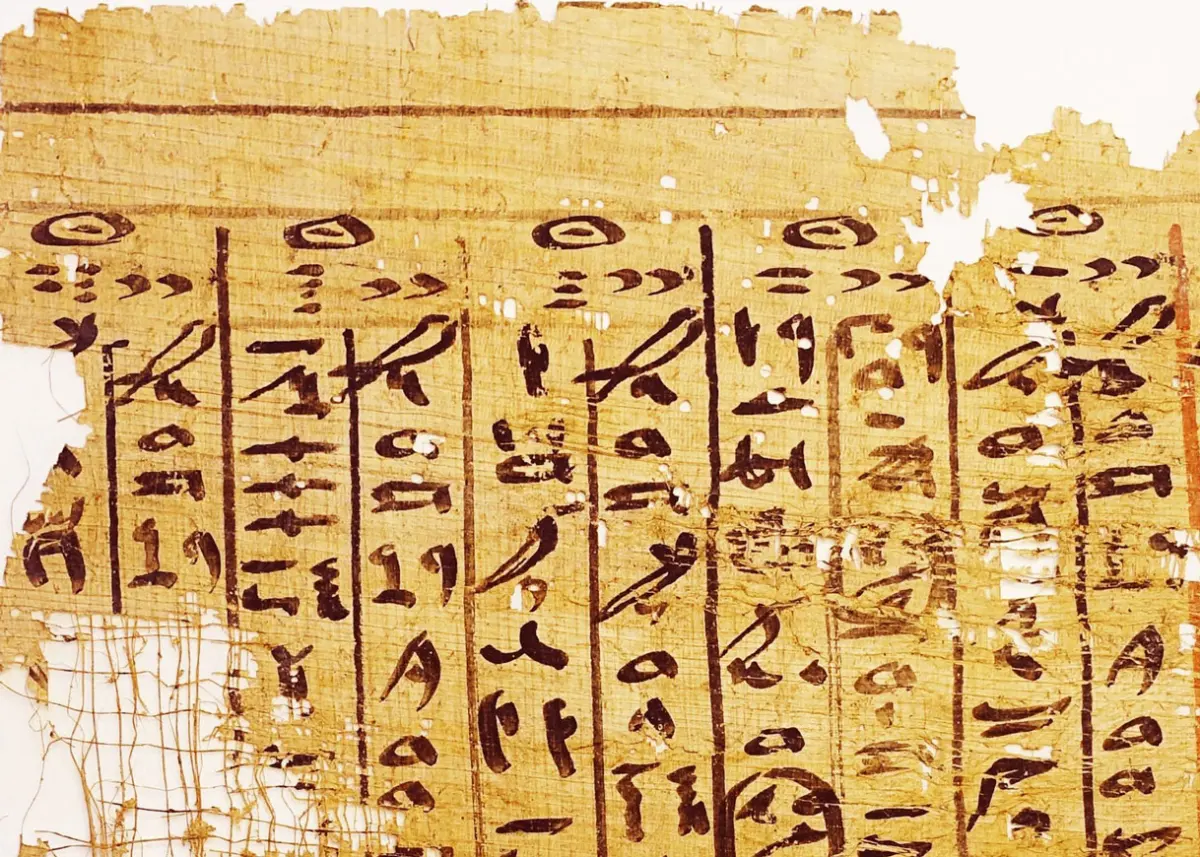
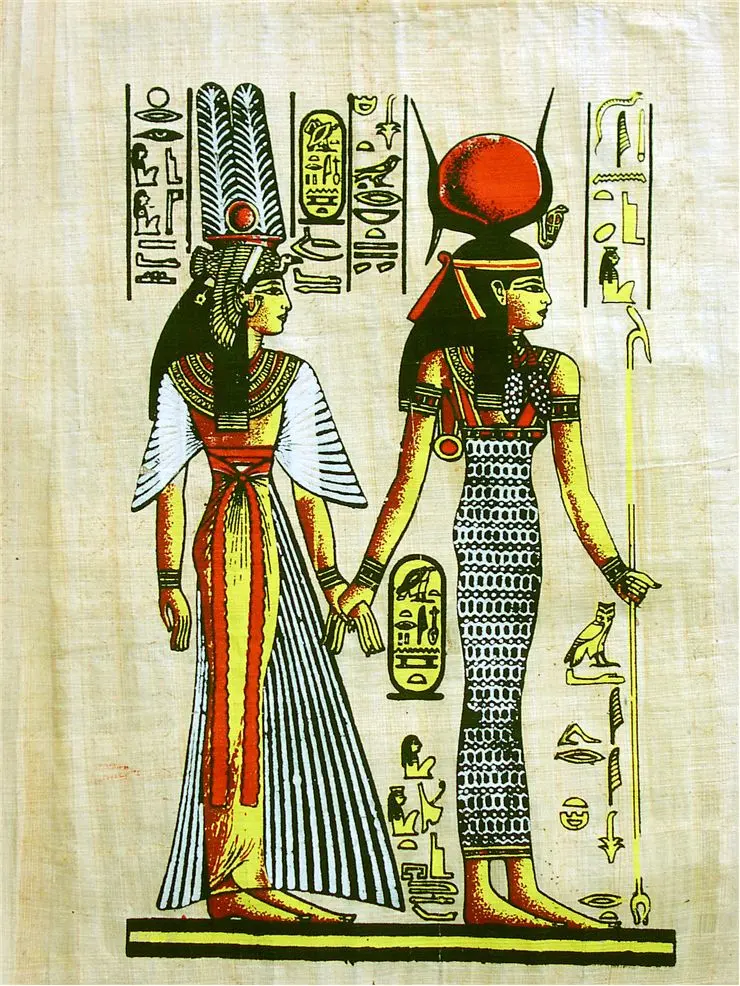
People used various surfaces depending on their region, such as clay tablets in Mesopotamia, papyrus in Egypt, and bamboo or silk in China. These materials were often heavy, expensive, or difficult to produce in large quantities.
How did paper reach the rest of the world?
The technology traveled along the Silk Road through Central Asia and into the Middle East following the Battle of Talas in 751 CE. From there, it moved through North Africa and into Europe via Islamic Spain and Sicily.
What is the difference between papyrus and paper?
Papyrus is made by pressing strips of the pith from the papyrus plant together, while true paper is made from macerated fibers that are felted together in a water suspension. Paper is more durable and flexible than the brittle, layered structure of papyrus.
Why was Cai Lun’s invention considered a turning point?
His process allowed for the mass production of a lightweight, inexpensive, and portable medium for recording information. This significantly increased literacy rates and the efficiency of government administration across ancient dynasties.
Can you make paper at home using recycled materials?
Yes, you can create paper by blending scrap paper with water to form a pulp, then using a screen frame to lift and drain the mixture. Avoid using glossy or coated papers, as the chemicals and clay coatings prevent the fibers from binding correctly.
What are the most common mistakes when making paper?
Using too much pulp on the screen often results in paper that is too thick and takes days to dry. Additionally, failing to press out enough water before drying can lead to warping and an uneven, rough texture.
This answer was created with the help of AI research tools and reference sources. Spotted an error? Let us know — we correct mistakes quickly. See our editorial policy.