Where can you see fall colors in Vancouver?
Short answer
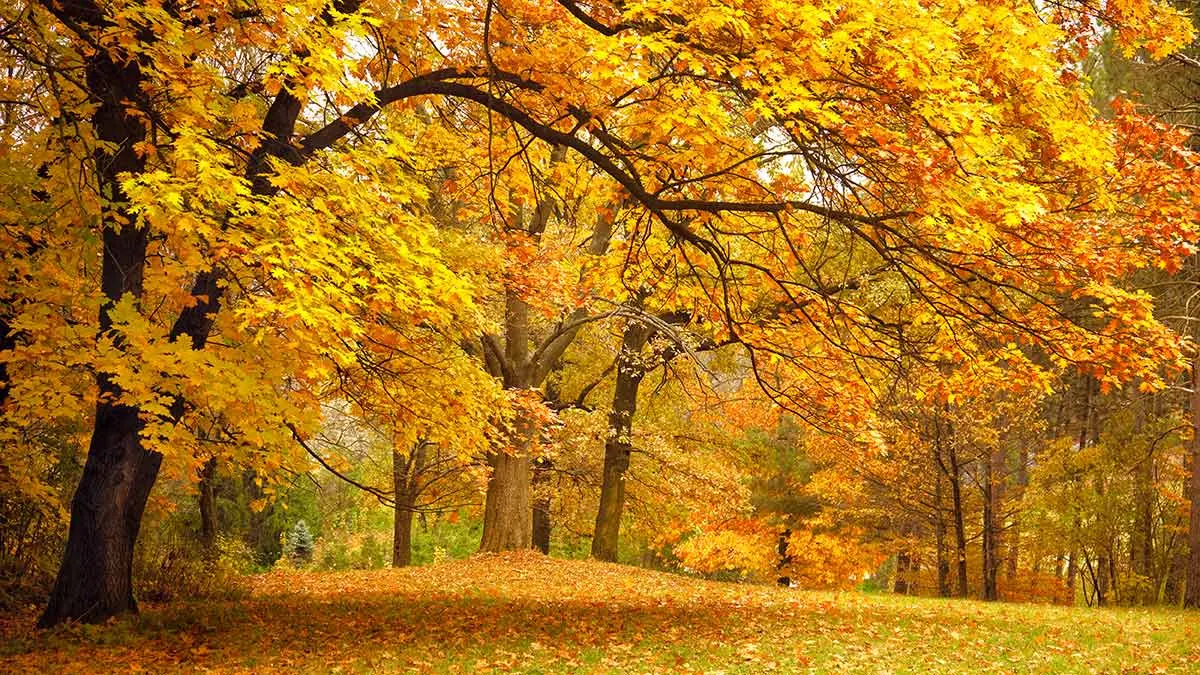
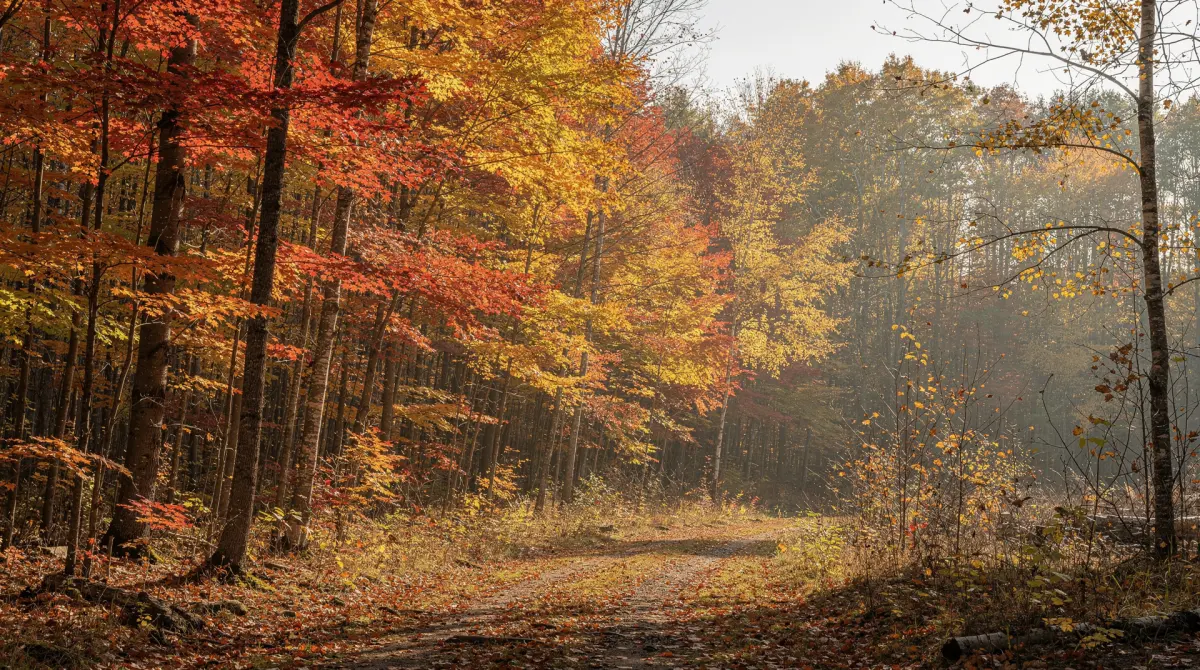
Vancouver offers spectacular fall foliage from early October through mid-November. Prime viewing locations include Stanley Park, Queen Elizabeth Park, and the University of British Columbia Botanical Garden. The city’s mild climate and diverse mix of native maples and introduced species create a vibrant display of gold, amber, and deep crimson colors throughout the urban landscape.
On this page
Where to see the best fall colors in Vancouver
Stanley Park is the premier destination for autumn colors, featuring a dense canopy of bigleaf maples that turn brilliant shades of yellow. The Seawall provides a scenic route to view these trees against the backdrop of the Pacific Ocean. Queen Elizabeth Park offers a more manicured experience, with its sunken quarry gardens showcasing a variety of deciduous trees that contrast beautifully with the city’s skyline.
For those seeking a quieter atmosphere, the University of British Columbia (UBC) Botanical Garden and the Nitobe Memorial Garden are essential stops. The Japanese maples at Nitobe offer some of the most intense reds and oranges found anywhere in the region. These locations are particularly photogenic during the golden hour when the low sun illuminates the translucent leaves.
- Stanley Park: Best for expansive forest walks and coastal views.
- Queen Elizabeth Park: Ideal for panoramic city vistas and landscaped gardens.
- UBC Botanical Garden: Perfect for rare species and tranquil, curated displays.
- VanDusen Botanical Garden: Excellent for diverse international tree collections.
When is the best time to see fall foliage
The peak season for fall colors in Vancouver typically spans from mid-October to early November. Because the city experiences a temperate rainforest climate, the transition is gradual rather than sudden. Early October marks the beginning of the color change, while the first significant frost or heavy rainfall in mid-November often signals the end of the season as leaves drop rapidly.
Timing your visit requires monitoring the local weather patterns. A dry, cool autumn tends to produce more vibrant and long-lasting displays, whereas heavy windstorms can strip the trees of their leaves prematurely. If you arrive early in the season, focus on maples in higher elevations or sheltered gardens. By late October, the colors usually descend into the lower-lying urban neighborhoods and parks.
- Early October: Initial color changes begin in maples and shrubs.
- Mid-October: Peak intensity across most city parks and residential streets.
- Late October: Final displays of deep reds and oranges before the leaf drop.
- Early November: Best time for "carpet" photography as leaves cover the ground.
How to photograph fall colors effectively
Capturing the beauty of autumn requires attention to lighting and composition. The soft, diffused light of an overcast Vancouver day is often superior to harsh, direct sunlight, as it prevents high-contrast shadows and makes the colors appear more saturated. Use a polarizing filter to reduce glare on wet leaves and to deepen the blues of the sky or water.
Focus on both the macro and the landscape scale to tell a complete story. Close-up shots of individual leaves highlight the intricate textures and veins, while wide-angle shots capture the scale of the changing canopy. Avoid centering your subject; instead, use the rule of thirds to create a more dynamic and professional-looking image. Always carry a microfiber cloth to wipe moisture off your lens, as the damp coastal air can quickly cause fogging.
Common mistakes when planning a fall trip
One of the most frequent errors is underestimating the impact of Vancouver’s rainy weather on travel plans. While the city is famous for its precipitation, many visitors assume they must stay indoors during light rain. In reality, the rain enhances the saturation of the foliage, making the reds and yellows appear more vivid against the dark, wet bark of the trees.
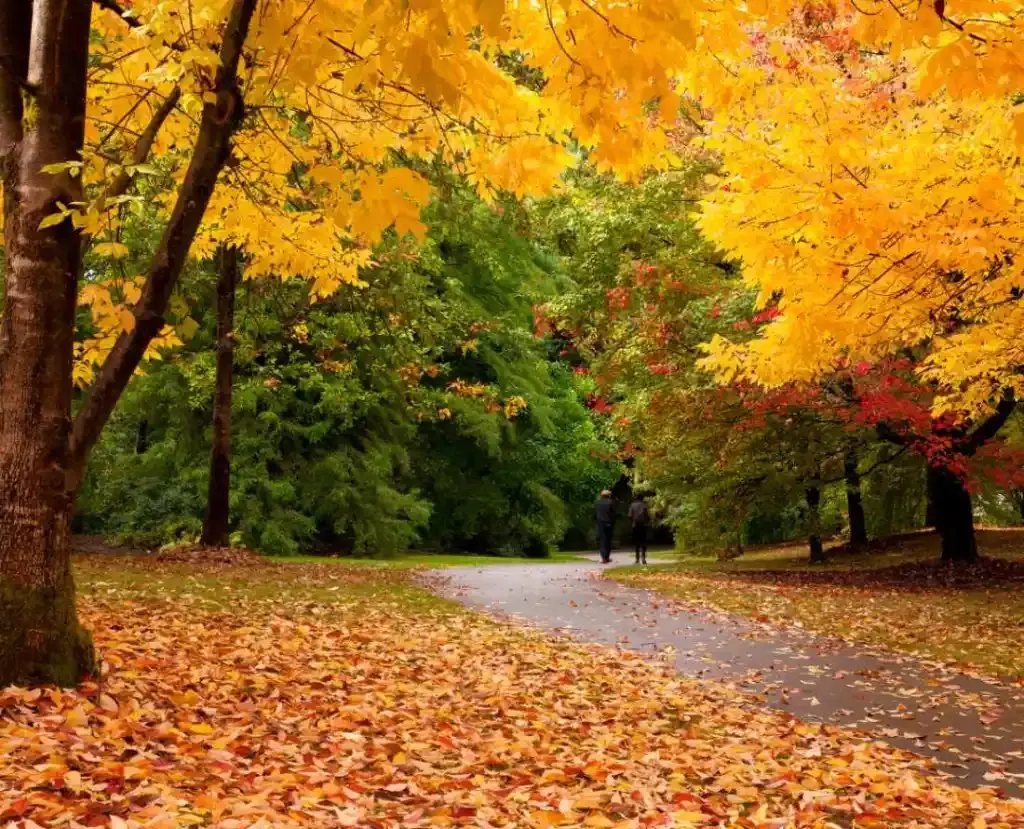
Another mistake is focusing exclusively on the most famous parks while ignoring the city's residential neighborhoods. Areas like Kitsilano, West End, and Mount Pleasant are lined with mature street trees that provide stunning tunnels of color. These residential streets are often less crowded than the major parks, offering a more peaceful experience for those who prefer to walk or cycle through the changing seasons without the distraction of large tourist groups.
Best walking routes for fall foliage viewing
To maximize your experience, plan routes that combine natural beauty with urban convenience. The Stanley Park loop is a classic, but consider extending your walk into the West End to see the historic heritage homes framed by turning trees. Another excellent route is the path around Trout Lake, which offers a circular walk with reflections of the colorful trees on the water’s surface.
If you prefer a more structured hike, the trails within Pacific Spirit Regional Park provide a wilder, more immersive forest experience. The towering conifers mixed with deciduous maples create a dramatic contrast that is unique to the Pacific Northwest. Regardless of the route chosen, always wear waterproof footwear, as the trails can become muddy and slippery after the frequent autumn showers that define the local climate.
Key facts
- Peak fall foliage in Vancouver typically occurs from mid-October through early November.
- Stanley Park features over 500,000 trees, including vibrant Japanese maples near the Rose Garden.
- VanDusen Botanical Garden offers a diverse collection of international tree species that turn brilliant shades of red and gold.
- Queen Elizabeth Park provides elevated views of the city framed by changing leaves, especially near the Bloedel Conservatory.
- The University of British Columbia (UBC) Botanical Garden is home to the Nitobe Memorial Garden, famous for its autumn-colored maples.
- Avoid visiting during heavy rainstorms, as strong winds can strip the trees of their leaves quickly.
The bottom line
Vancouver offers spectacular autumn displays, with peak colors usually arriving between mid-October and early November. While Stanley Park and Queen Elizabeth Park provide accessible urban beauty, specialized gardens like VanDusen offer more curated displays. To maximize your experience, aim for clear mornings during the week, wear waterproof gear, and monitor local weather reports to ensure you catch the foliage before the seasonal rains arrive.
People also ask
What is the best time of day to photograph fall colors in Vancouver?
The best time is during the "golden hour," which occurs shortly after sunrise or just before sunset. These times provide soft, warm light that enhances the deep oranges and reds of the foliage.
Are there any entry fees for these parks?
Stanley Park and Queen Elizabeth Park are free to the public. However, VanDusen Botanical Garden and the UBC Botanical Garden require paid admission tickets for entry.
Can I see fall colors by public transit?
Yes, all major parks in Vancouver are accessible via TransLink buses or the SkyTrain. Use the TransLink trip planner to find the most efficient route from your specific location.
Do the leaves stay on the trees for a long time?
Vancouver’s frequent autumn rain and wind often cause leaves to fall rapidly once they reach peak color. It is best to visit within a week of the first significant color change to ensure the best experience.
Is it better to visit parks on a weekday or weekend?
Weekdays are significantly quieter, allowing for a more peaceful experience and better opportunities for photography. Weekends can become very crowded, particularly at popular spots like Stanley Park.
What should I wear for a fall foliage tour?
Wear waterproof shoes and a light rain jacket, as Vancouver weather is unpredictable in autumn. Dressing in layers is recommended to stay comfortable as temperatures shift throughout the day.
This answer was created with the help of AI research tools and reference sources. Spotted an error? Let us know — we correct mistakes quickly. See our editorial policy.