How do eyes see color?
Short answer
Eyes perceive color through specialized photoreceptor cells called cones located in the retina. These cells contain pigments sensitive to specific wavelengths of light: red, green, and blue. When light enters the eye, these cones trigger electrical signals that the brain processes, blending the inputs to create the full spectrum of visible color.
On this page
How do eyes detect light and color?
The human eye functions like a biological camera, capturing light and converting it into neural signals. Light passes through the cornea and pupil, hitting the retina at the back of the eye. The retina contains two main types of photoreceptors: rods and cones. Rods are highly sensitive to low light but cannot distinguish colors, while cones are responsible for color vision and fine detail.
Most humans possess three types of cones, often categorized by the wavelengths they detect best:
- Short-wavelength cones: Sensitive to blue light.
- Medium-wavelength cones: Sensitive to green light.
- Long-wavelength cones: Sensitive to red light.
When light hits these cones, it triggers chemical reactions that send impulses through the optic nerve to the visual cortex in the brain. The brain compares the relative activation levels of these three cone types to determine the specific hue, saturation, and brightness of the light entering the eye.
Why do we see different colors?
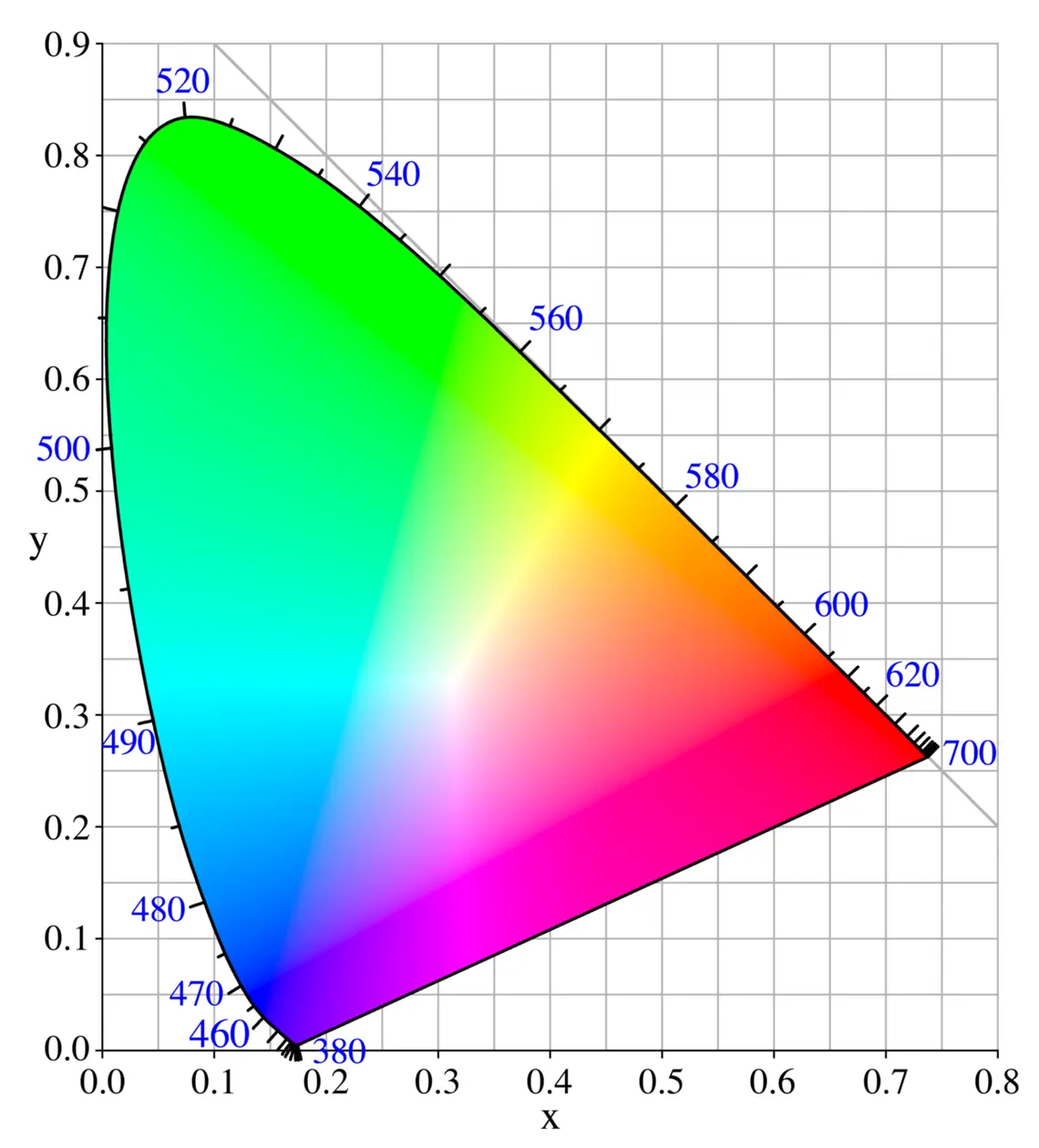
Color perception is a result of additive color mixing occurring within the brain. Every color we see is a combination of the signals sent by the red, green, and blue cones. For example, when you look at a yellow object, both your red and green cones are stimulated simultaneously. The brain interprets this specific overlap as yellow.
This process explains why screens and digital displays use the RGB (red, green, blue) model. By varying the intensity of these three primary colors, displays can trick the human eye into perceiving millions of distinct shades. If all three cone types are stimulated equally, the brain perceives the result as white light. If no cones are stimulated, the brain perceives black, which is the absence of light.
How does light interact with objects?
Objects themselves do not possess color; they only possess the ability to reflect or absorb certain wavelengths of light. When white light, which contains all visible colors, hits an object, the material absorbs some wavelengths and reflects others. The color we perceive is determined solely by the light that bounces off the object and into our eyes.
- Light source emits a full spectrum of wavelengths.
- The object absorbs specific wavelengths based on its molecular structure.
- The remaining reflected wavelengths travel to the eye.
- The retina’s cones detect these reflected wavelengths.
- The brain interprets the signal as a specific color.
For instance, a red apple absorbs blue and green light while reflecting red wavelengths. If you view the apple in a room with only blue light, the apple will appear black because there is no red light available for it to reflect.
Common mistakes when understanding color vision
A frequent misconception is that the eye captures a high-resolution, full-color image across the entire field of vision. In reality, color vision is highly concentrated in the fovea, a tiny pit in the center of the retina. The periphery of the retina is dominated by rods, meaning your color perception is significantly weaker in your peripheral vision than in your central focus.
Another common error is assuming that everyone perceives color identically. Color blindness, or color vision deficiency, occurs when one or more types of cones are missing or malfunctioning. The most common form is red-green color blindness, where the red and green cones overlap too much in their sensitivity. This makes it difficult for the brain to distinguish between shades that people with typical vision see as distinct, such as distinguishing a red cherry from green leaves.
How to protect your color vision health
Maintaining healthy eyes is essential for accurate color perception over a lifetime. Certain conditions, such as cataracts or macular degeneration, can cloud the lens or damage the retina, leading to color desaturation or shifts in how colors appear. Regular eye exams are the best way to monitor these changes and ensure that your photoreceptors are functioning correctly.
Follow these steps to support your long-term visual health:
- Wear high-quality sunglasses that block 100 percent of UV rays to prevent retinal damage.
- Maintain a diet rich in lutein and zeaxanthin, found in leafy greens, which support macular health.
- Avoid smoking, as it is linked to an increased risk of age-related macular degeneration.
- Manage systemic health conditions like diabetes, which can cause retinopathy and impair color sensitivity.
By protecting the physical structures of the retina and the clarity of the lens, you ensure that light reaches your cones without distortion, allowing your brain to continue interpreting the vibrant spectrum of the world accurately.
Key facts
- Human eyes contain specialized cells called cones that detect red, green, and blue light wavelengths.
- The retina houses approximately 6 to 7 million cones, concentrated mostly in a central area called the fovea.
- Color blindness occurs when one or more types of cone cells are missing or malfunctioning, often due to genetics.
- Light enters the eye through the pupil and is focused by the lens onto the light-sensitive retina.
- The brain interprets the electrical signals sent from the optic nerve to construct the perception of millions of colors.
- To maintain eye health, protect your vision by wearing UV-blocking sunglasses to prevent long-term damage to retinal cells.
The bottom line
Color vision is a complex biological process involving the interaction between light waves, retinal cone cells, and the brain. By capturing specific light frequencies, your eyes provide the data necessary for the brain to paint a vivid, multicolored world. Understanding that this perception is subjective and dependent on both light conditions and individual biology highlights the remarkable, yet delicate, nature of human sight and optical health.
People also ask
Why do some people see colors differently than others?
Variations in color perception, such as color vision deficiency, are typically caused by genetic mutations that affect the photopigments in cone cells. These differences mean that certain wavelengths of light are not processed correctly, leading to confusion between colors like red and green.
Can animals see the same colors as humans?
Most animals have different visual systems; for example, dogs possess only two types of cones, making them dichromatic. Conversely, some birds and insects can perceive ultraviolet light, which is entirely invisible to the human eye.
Does lighting affect how we perceive color?
Yes, color perception is highly dependent on the light source, a phenomenon known as metamerism. An object may appear to be a different shade under warm incandescent bulbs compared to cool daylight because the light spectrum hitting the object changes.
What is the difference between rods and cones?
Cones are responsible for color vision and high-detail central vision, functioning best in bright light. Rods are far more numerous and sensitive to low light levels, but they only detect motion and shades of gray rather than color.
How does age affect color vision?
As humans age, the lens of the eye can yellow and become less transparent, which may filter out shorter wavelengths like blue and violet. This natural process can make colors appear slightly muted or shifted in hue over time.
Is it possible to improve color vision?
While genetic color blindness cannot be cured, specialized tinted lenses can sometimes enhance the contrast between colors for those with deficiencies. For general vision health, maintaining a diet rich in antioxidants like lutein and zeaxanthin helps protect the retinal cells responsible for color detection.
This answer was created with the help of AI research tools and reference sources. Spotted an error? Let us know — we correct mistakes quickly. See our editorial policy.