Why do we see the color red as danger?
Short answer
The association of red with danger stems from a combination of biological evolution and cultural conditioning. Humans evolved to detect red as a signal for blood, fire, and ripe, potentially toxic fruit. Over time, societies formalized this innate sensitivity into universal warning systems, using the color’s high visibility to command immediate attention.
On this page
Why does the human eye notice red first?
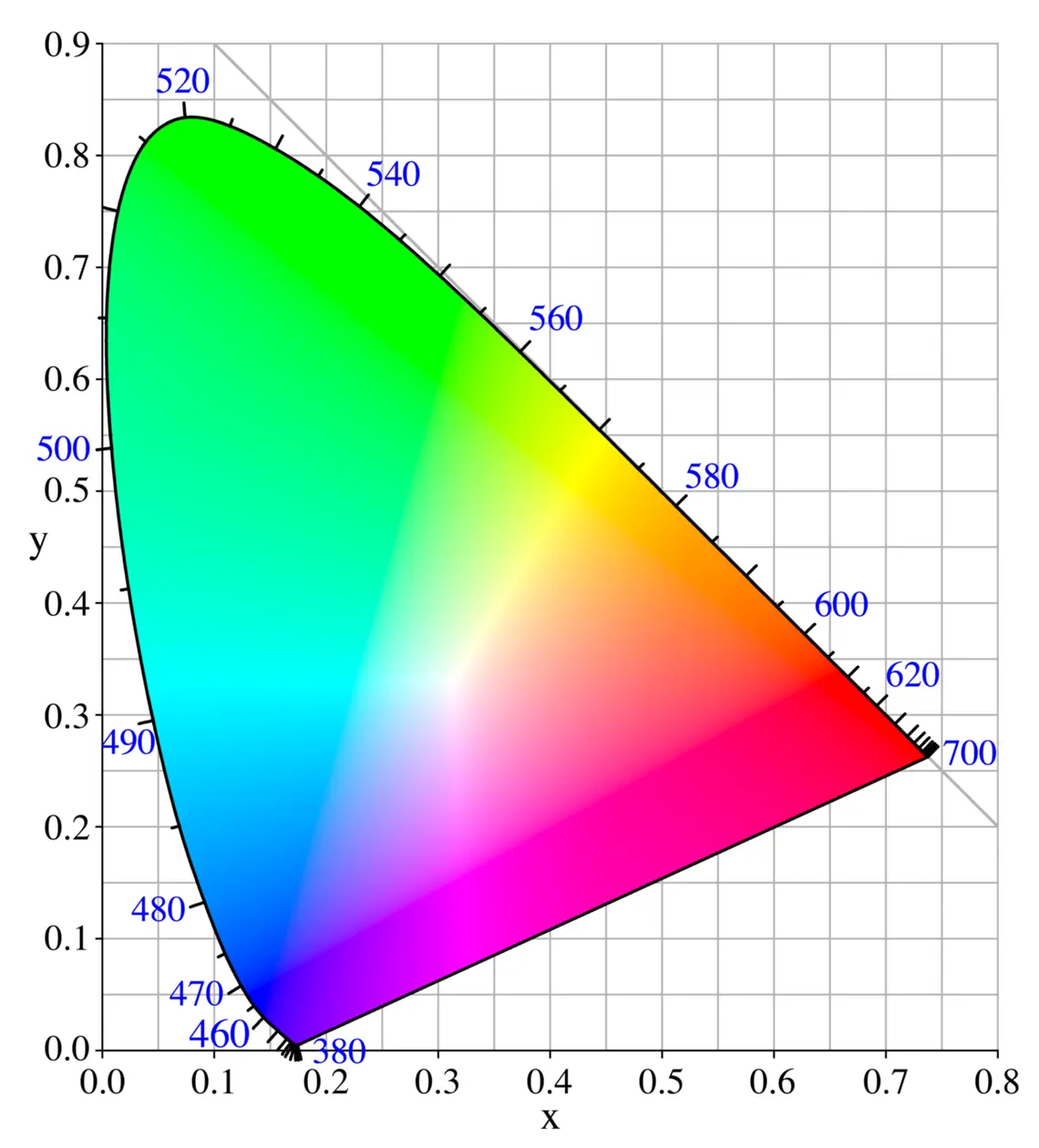
The human eye is biologically primed to prioritize the color red due to the specific structure of our cone cells. We possess three types of color-detecting cells in the retina, and those sensitive to longer wavelengths—which correspond to red—are highly efficient at capturing light. This evolutionary adaptation likely helped our ancestors distinguish ripe fruit from green foliage and detect fresh blood against natural backgrounds. Because red light has the longest wavelength in the visible spectrum, it is less easily scattered by atmospheric particles like fog or dust, allowing it to remain visible from greater distances than blue or violet hues.
This physiological sensitivity creates a "pop-out" effect in our visual field. When a red object appears against a neutral or green background, the brain processes the stimulus faster than other colors. This rapid detection is not merely a preference but a survival mechanism. By instinctively focusing on red, the brain prepares the body for potential threats or significant environmental changes. This involuntary reaction is why red is used in critical safety equipment, as it bypasses conscious thought to trigger a heightened state of alertness.
How does evolution shape our fear of red?
Evolutionary psychologists suggest that the link between red and danger is deeply rooted in the concept of "prepared learning." Early humans who associated the sight of red blood with physical injury or the sight of red flames with life-threatening heat were more likely to survive and pass on their genes. This ancestral memory is reinforced by the fact that red is the color of blood, which serves as a universal signifier of vulnerability and mortality in many mammalian species. Beyond blood, red can also signal toxicity in nature, such as in poisonous berries or the warning patterns of venomous insects.
Because these associations are tied to fundamental survival needs, they are difficult to unlearn. While modern life has replaced predators with traffic lights and stop signs, the underlying neurological pathway remains the same. The brain treats a red warning signal with the same urgency it once applied to a physical threat. This persistence of evolutionary traits in a modern context explains why we feel a visceral, almost automatic sense of caution when we encounter red in a high-stakes environment.

Why is red used for emergency signaling?
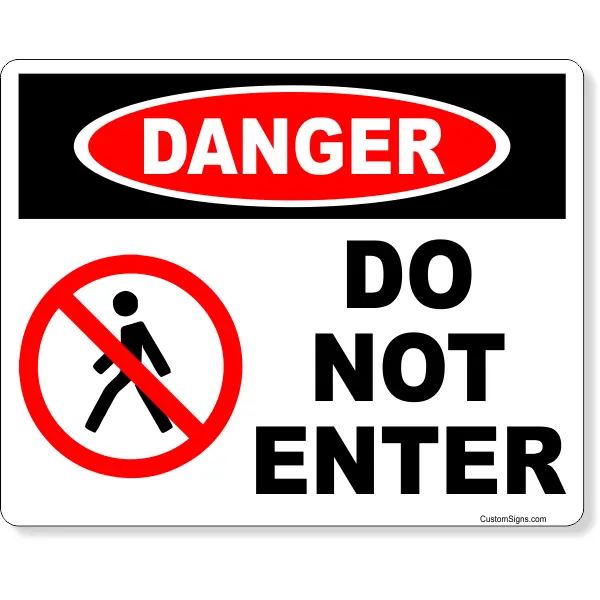
The use of red in safety systems is a deliberate application of human color perception. Because red is the most conspicuous color, it is the standard for stop signals, fire alarms, and hazardous materials labeling. Using a color that the brain is already wired to prioritize ensures that safety messages are communicated even when a person is distracted or under stress. This standardization creates a global visual language that transcends linguistic barriers, allowing people to recognize danger regardless of their native tongue.
- High visibility: Red light penetrates through rain, fog, and smoke better than other colors.
- Psychological urgency: The color increases heart rate and blood pressure, preparing the body for action.
- Contrast: Red stands out sharply against the gray and blue tones of urban environments and industrial machinery.
- Cultural reinforcement: Decades of exposure to red warning signs have conditioned us to expect a stop or a hazard.

Common mistakes when using color for safety
A frequent error in design and safety management is the over-reliance on red for non-critical information. When red is used for mundane tasks, such as highlighting minor text or decorative elements, it leads to "alarm fatigue." This phenomenon occurs when the brain becomes desensitized to a warning signal because it is encountered too frequently in low-stakes situations. If every notification on a screen is red, the user eventually stops perceiving the color as a sign of danger, which can lead to disastrous consequences during a genuine emergency.
Another mistake is ignoring the needs of individuals with color vision deficiency, specifically protanopia, which affects the ability to distinguish red from green. Relying solely on color to convey a warning is a significant safety failure. To ensure universal comprehension, safety protocols should always include redundant cues:
- Use distinct shapes, such as octagons for stop signs.
- Incorporate text labels or international symbols alongside the color.
- Utilize flashing patterns to draw attention to the signal.
- Ensure high contrast between the red element and its background.
How to manage reactions to red signals
Understanding your own reaction to the color red can help you stay calm in high-pressure environments. Because red triggers a physiological stress response, it is common to feel a spike in anxiety when seeing red warning lights or urgent notifications. To manage this, practice conscious observation. When you encounter a red signal, take a moment to identify the context before reacting. This pause helps decouple the automatic "fight or flight" response from the rational assessment of the situation.
- Identify the source: Determine if the red signal is a genuine emergency or a routine notification.
- Regulate breathing: Use deep, slow breaths to counteract the natural spike in heart rate caused by the color.
- Assess the environment: Look for secondary indicators, such as sirens or verbal instructions, to confirm the nature of the threat.
- Respond logically: Once the situation is understood, execute the necessary safety procedure without panic.
By consciously processing these signals, you can maintain control over your emotional state and respond effectively to true emergencies while remaining composed during everyday alerts. This approach prevents the unnecessary stress that often accompanies the innate human reaction to the color red.
Key facts
- Red has the longest wavelength in the visible spectrum, making it easier to perceive from a distance than other colors.
- Evolutionary biologists suggest humans associate red with blood and injury, triggering an innate survival instinct.
- In nature, "aposematism" is the use of bright colors like red to warn predators that an organism is toxic or dangerous.
- Red light scatters less than blue light when passing through atmospheric particles like fog, smoke, or dust.
- Studies show that seeing the color red can physically increase a person's heart rate and reaction speed.
- When using red for safety, ensure it is paired with high-contrast text or symbols to remain legible for colorblind individuals.
The bottom line
The association between red and danger is a blend of biological evolution and cultural conditioning. Because red mimics the appearance of blood and fire, our brains are hardwired to prioritize it as a signal of potential threat. By leveraging these innate psychological responses, we have created a universal visual language that effectively communicates urgency, helping to maintain safety in everything from traffic systems to industrial workplaces.
People also ask
Why are stop signs red instead of another color?
Red is used for stop signs because it is universally recognized as a signal for urgency and danger. Its high visibility ensures drivers notice the command even in low-light conditions or inclement weather.
Do all cultures view red as a sign of danger?
No, cultural interpretations of red vary significantly. While Western societies often link red to danger or prohibition, many East Asian cultures associate the color with good fortune, prosperity, and celebration.
Is red the most visible color to the human eye?
While red is highly visible, the human eye is actually most sensitive to yellow-green light during the day. However, red remains the standard for danger because of its strong psychological association with blood and fire.
How can I use color effectively for safety signage?
Use red for immediate hazards and prohibitions, but pair it with clear icons or text. Avoid using red for general information, as it can cause "alarm fatigue" if overused in non-emergency contexts.
Why do sports referees use red cards?
A red card is used to signal an immediate expulsion from the game due to a severe infraction. The color is chosen for its psychological impact, clearly communicating that the player’s behavior is unacceptable.
Does the color red actually make people perform better in competitions?
Some research suggests that athletes wearing red may have a slight competitive advantage. This is thought to be due to both the intimidation factor it imposes on opponents and a boost in confidence for the wearer.
This answer was created with the help of AI research tools and reference sources. Spotted an error? Let us know — we correct mistakes quickly. See our editorial policy.