What is the rarest eye color?
Short answer
Green is widely considered the rarest natural human eye color, appearing in approximately 2 percent of the global population. While violet or red eyes are often discussed, these are typically the result of albinism or specific lighting conditions rather than standard pigmentation, making green the rarest color found in healthy, non-albino individuals.
On this page
Why does eye color happen?
Eye color is determined by the amount and distribution of melanin in the iris, the colored part of the eye. Melanin is a dark brown pigment that also affects skin and hair color. The iris contains two layers: the front layer, known as the stroma, and the back layer, called the pigment epithelium. The concentration of melanin in these layers dictates the final hue perceived by the human eye.
When the stroma contains high levels of melanin, the eyes appear brown. Conversely, if there is very little melanin, the light scatters through the stroma in a process called Rayleigh scattering, similar to how the sky appears blue. Green eyes occur when there is a moderate amount of melanin mixed with a yellowish pigment called lipochrome. This unique combination creates the distinct green appearance that is statistically rare across all human populations.
How rare is green eye color?
Green eyes are found in approximately 2 percent of the world’s population, making them significantly less common than brown or blue eyes. Brown is the most prevalent eye color globally, with estimates suggesting that 70 to 80 percent of people possess brown irises. Blue eyes are the second most common, appearing in roughly 8 to 10 percent of the population, primarily among those of European descent.
The distribution of eye color is heavily influenced by genetics and geography. Green eyes are most frequently observed in Northern and Central Europe, particularly in countries like Ireland, Scotland, and Iceland. While green eyes can occur in any ethnic group, they are statistically much rarer in Asian, African, and Middle Eastern populations. The rarity of the color is a result of complex polygenic inheritance, where multiple genes interact to determine the specific shade of the iris.
What causes violet or red eyes?
Many people search for "violet" or "red" eyes, believing them to be the rarest natural colors. In reality, these colors are not caused by standard pigmentation but by medical conditions or external factors. Red or pink eyes typically occur in individuals with albinism, a group of genetic conditions that result in little to no melanin production. Because the iris lacks pigment, the blood vessels at the back of the eye become visible, creating a reddish hue.
Violet eyes are often a misinterpretation of blue or gray eyes under specific lighting conditions. When light hits a very light blue iris in a certain way, the reflection can create a purple tint. True violet pigmentation does not exist in the human iris, as there is no biological mechanism for producing purple-colored melanin. If you see someone with strikingly violet eyes, it is almost certainly due to:
- Specialized contact lenses designed for cosmetic purposes.
- Harsh lighting that alters the perception of light blue or gray eyes.
- Digital photo editing or filters used on social media platforms.
Common mistakes when identifying eye color
A frequent error is confusing gray eyes with blue or green eyes. Gray eyes are quite rare and are often mistaken for blue because they also rely on light scattering rather than heavy pigmentation. However, gray eyes have a different density of collagen in the stroma, which causes the light to scatter differently, resulting in a muted, silvery appearance. People often mislabel these as blue because they do not see a distinct green or brown tone.
Another common mistake is assuming that eye color is permanent throughout a person's life. While most infants are born with blue or gray eyes, the final color often settles by age three as melanin production increases. Some adults may also experience subtle shifts in eye color due to:
- Changes in pupil size, which compress or expand the iris tissue.
- Health conditions, such as Horner’s syndrome or pigmentary glaucoma.
- Environmental factors, including the color of clothing or ambient lighting.
How to determine your eye color accurately
If you want to identify your true eye color, you should follow a simple, controlled process to avoid environmental bias. Because the iris is reflective, your surroundings can significantly alter how your eyes appear to others. By following these steps, you can get a clearer understanding of your natural pigmentation:
- Stand in a room with neutral-colored walls, preferably white or light gray, to avoid color reflection.
- Use natural daylight coming through a window, as artificial bulbs can cast yellow or blue tints.
- Hold a mirror at eye level and use a high-quality camera to take a close-up photo without a flash.
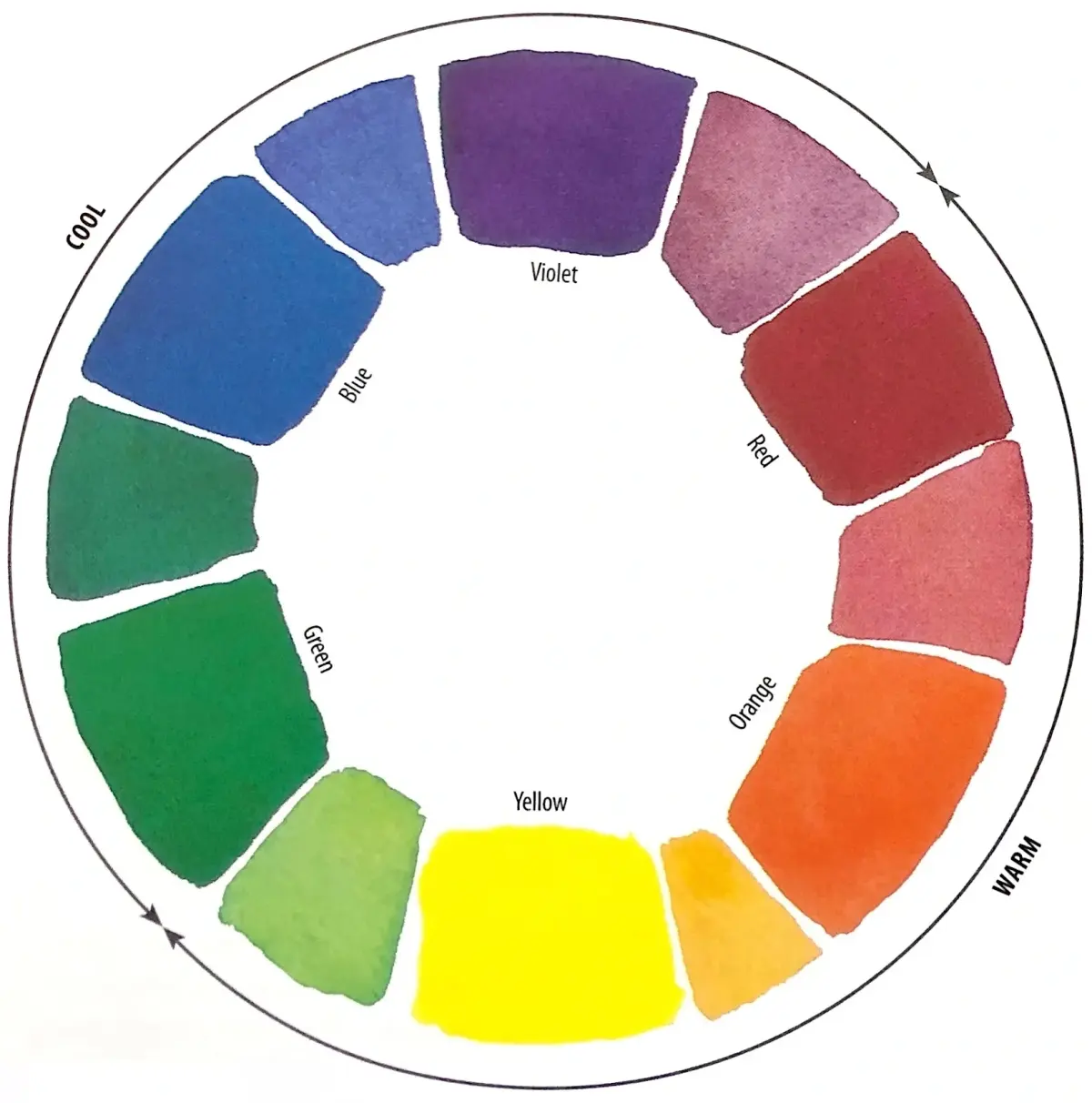
- Compare your iris against a standardized color chart or look for the presence of brown flecks, which indicate a hazel color rather than pure green.
Avoid relying on quick snapshots taken in dim lighting, as the pupil will dilate and mask the true color of the iris. If you are still unsure, observe your eyes at different times of the day to see if the perceived color changes, which often happens with hazel or gray eyes.
Key facts
- Green is widely considered the rarest natural eye color, occurring in approximately 2% of the global population.
- Eye color is determined by the amount and type of pigment, known as melanin, in the iris.
- Albinism can result in violet or red-appearing eyes due to the lack of pigment and the reflection of blood vessels.
- Heterochromia is a condition where an individual has two different colored eyes or multi-colored irises.
- Brown is the most common eye color worldwide, estimated to be present in 70% to 80% of the human population.
- Avoid using colored contact lenses to determine your natural shade, as they often mask the subtle variations in your iris pattern.
The bottom line
While green is the rarest natural eye color among the general population, true rarity is often found in unusual conditions like ocular albinism or heterochromia. Most eye colors are simply variations of brown, blue, or green dictated by complex genetic inheritance and melanin levels. Understanding these biological factors helps clarify why certain shades appear more frequently in specific regions and why individual eye color remains unique.
People also ask
Can eye color change as you age?
Yes, many infants are born with blue or gray eyes that darken during their first few years as melanin production increases. While rare, some adults may experience subtle shifts in intensity due to health conditions or medication.
Does geography influence eye color prevalence?
Geography and ancestral heritage play a significant role in eye color distribution. For example, blue and green eyes are statistically more common in populations of European descent compared to those of African or Asian descent.
Is black a natural eye color?
True black eyes do not exist; what appear to be black eyes are actually extremely dark brown irises. The high concentration of melanin makes the iris blend into the pupil, creating the illusion of a solid black eye.
What is the rarest eye color caused by a mutation?
Violet eyes are often cited as the rarest, though this is usually a result of ocular albinism. This condition causes the iris to have very little pigment, allowing light to reflect off the red blood vessels at the back of the eye.
Can you predict a child's eye color?
While genetics follow complex patterns, you cannot perfectly predict a child's eye color based solely on the parents. Multiple genes contribute to the final phenotype, making it possible for two brown-eyed parents to have a child with blue or green eyes.
Does light sensitivity correlate with eye color?
Generally, lighter-colored eyes are more sensitive to bright light because they contain less melanin to absorb scattered light. People with blue or green eyes may find sunglasses more necessary in high-glare environments than those with dark brown eyes.
This answer was created with the help of AI research tools and reference sources. Spotted an error? Let us know — we correct mistakes quickly. See our editorial policy.