How do you attract bees to your garden?
Short answer
Attracting bees requires planting a diverse range of native flowers that bloom throughout the growing season. Provide a consistent water source, eliminate the use of chemical pesticides, and create undisturbed nesting habitats. By offering food, shelter, and safety, you transform your garden into a vital sanctuary for essential local pollinators.
On this page
Which flowers attract the most bees?
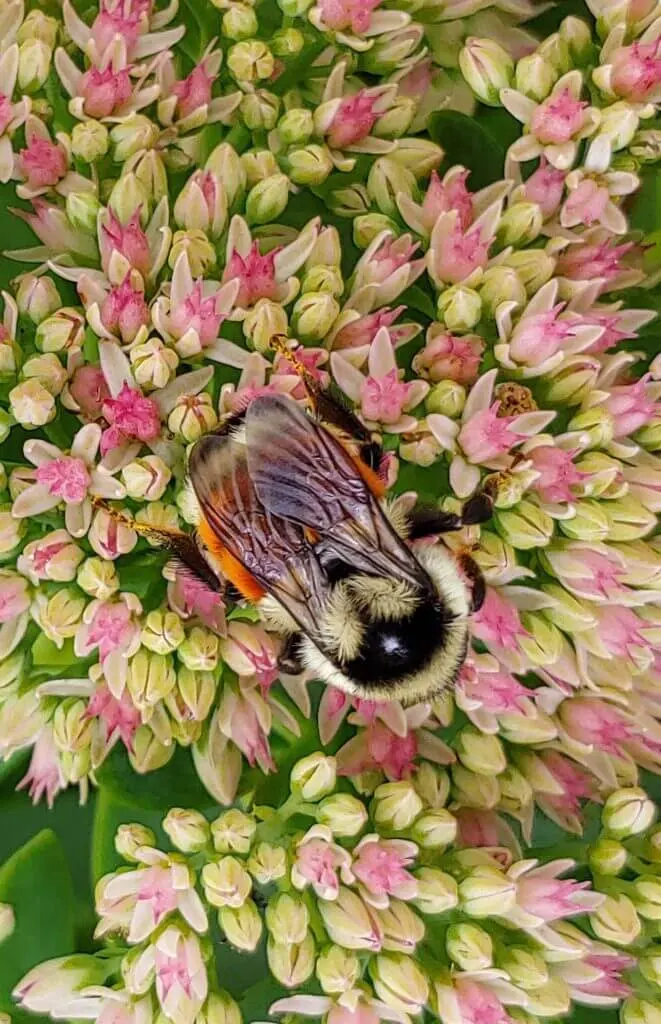
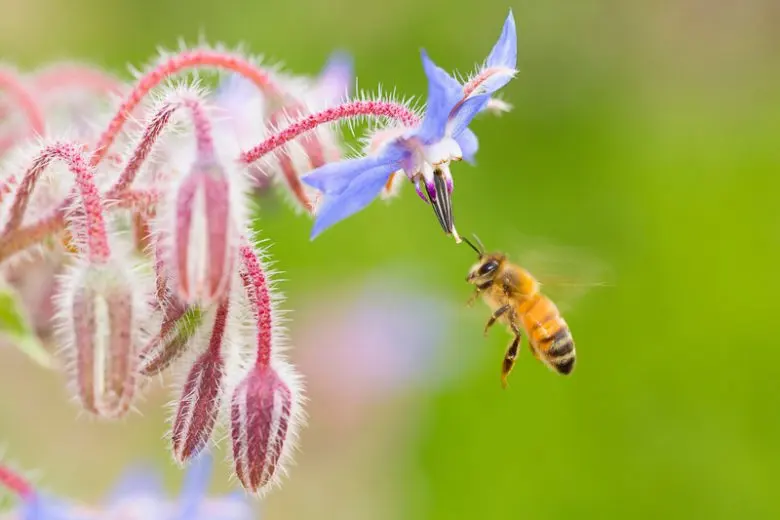
Bees are primarily attracted to nectar and pollen-rich plants. To maximize your impact, prioritize native species, as local bee populations have co-evolved with these specific plants over thousands of years. Research indicates that native plants can support up to four times as many bees as non-native varieties. Focus on flowers with varied shapes and colors, as different bee species possess different tongue lengths and foraging preferences.
For the best results, aim for a "pollinator buffet" that provides continuous blooms from early spring through late autumn. This ensures bees have a reliable food source during every stage of their life cycle. Consider incorporating these high-value plants into your landscape design:
- Purple Coneflower (Echinacea purpurea)
- Bee Balm (Monarda)
- Lavender (Lavandula)
- Sunflowers (Helianthus)
- Goldenrod (Solidago)
How to provide water for bees?
Bees require water not only for hydration but also to regulate the temperature of their hives and dilute stored honey. Because bees cannot swim, they need a safe way to land and drink without the risk of drowning. A simple birdbath or saucer can be dangerous if the water is too deep or the sides are too steep for a tiny insect to climb out.
To create a safe watering station, follow these simple steps:
- Select a shallow dish or a wide, flat saucer.
- Fill the base with stones, pebbles, or marbles to create "islands" that protrude above the water line.
- Add water, ensuring the level stays below the top of the stones so the bees have dry landing spots.
- Place the station in a sunny, sheltered area near your flower beds.
- Change the water at least twice a week to prevent mosquito breeding and keep the supply fresh.
Where should bees nest in a garden?
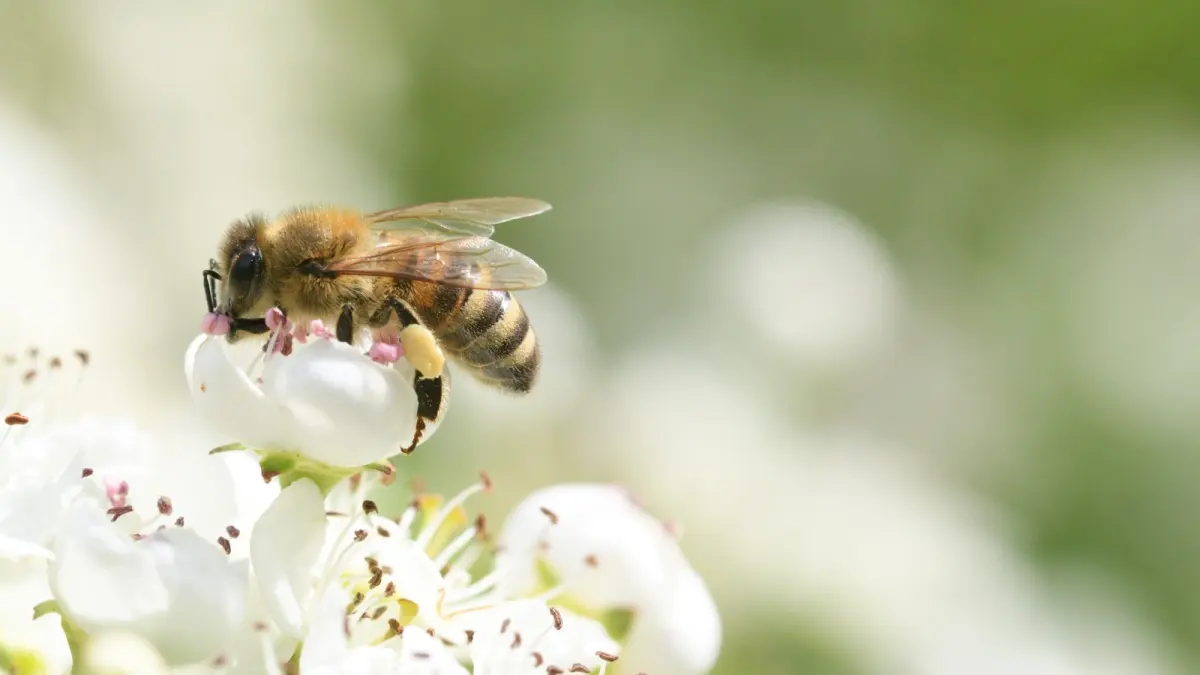
Not all bees live in hives; in fact, approximately 70 percent of native bee species are ground-nesters. These bees require patches of bare, well-drained soil to burrow and lay their eggs. Avoid covering every inch of your garden with heavy mulch or landscape fabric, as this prevents bees from accessing the ground. Leaving a small, undisturbed corner of your yard with sandy or loamy soil is highly beneficial.
For cavity-nesting bees, such as mason bees and leafcutter bees, you can provide artificial housing. These bees look for hollow reeds, pithy stems, or pre-drilled holes in wood. You can purchase or build a "bee hotel" to mimic these conditions. Ensure your bee hotel is placed in a sunny location facing south or southeast to provide warmth. Keep the nesting materials clean and replace them annually to prevent the buildup of parasites or diseases that could harm the bee population.
Common mistakes when attracting bees
The most significant error gardeners make is the use of systemic insecticides and herbicides. Pesticides, particularly neonicotinoids, can be lethal to bees or impair their ability to forage and navigate back to their nests. Even products labeled as "organic" can sometimes be harmful if applied while bees are active. Always avoid spraying flowers directly, and if you must use a treatment, apply it late in the evening when bees have finished their foraging flights for the day.
Another frequent mistake is "over-tidying" the garden in the fall. Many gardeners remove all dead stalks, fallen leaves, and dried flower heads to keep the yard looking pristine. However, these materials serve as crucial overwintering sites for solitary bees and other beneficial insects. By leaving your garden "messy" until late spring, you provide the necessary insulation and protection for bees to survive the winter months. Wait until temperatures are consistently above 50 degrees Fahrenheit before performing your spring cleanup.
Why biodiversity matters for pollinators
A healthy garden ecosystem relies on diversity to remain resilient against pests and environmental stressors. Planting a wide variety of species ensures that your garden can support a broader range of bee types, from tiny sweat bees to large bumblebees. Diversity also helps manage the bloom schedule, ensuring that there are no "food deserts" in your landscape where bees might struggle to find sustenance. A monoculture, even one consisting of flowers, is rarely as effective as a diverse planting scheme.
When planning your garden, think in terms of layers. By incorporating ground cover, herbaceous perennials, shrubs, and trees, you create a complex habitat that offers multiple niches for different species. This structural complexity provides not only food but also protection from wind and predators. By fostering a biodiverse environment, you contribute to the stability of your local ecosystem and ensure that your garden remains a thriving, sustainable home for bees for many years to come.
Key facts
- Plant at least 10 different species of flowers to ensure a continuous supply of nectar and pollen from early spring through late autumn.
- Choose native plants, as they are four times more attractive to native bees than exotic ornamental varieties.
- Avoid all pesticides, including organic ones, because even substances like neem oil can be toxic to foraging bees.
- Install a shallow water feature, such as a birdbath with pebbles, to provide a safe landing spot for bees to drink without drowning.
- Leave patches of bare, undisturbed soil or install "bee hotels" with hollow reeds to provide nesting sites for solitary ground-nesting and cavity-nesting species.
- Group plants of the same species together in "drifts" of at least three feet wide to help bees locate food sources more efficiently.
The bottom line
Creating a bee-friendly garden requires a shift toward biodiversity and minimal intervention. By prioritizing native plants, eliminating chemical pesticides, and providing consistent water and nesting sites, you transform your outdoor space into a vital sanctuary. These simple, ecologically sound practices support the health of local pollinator populations, ensuring your garden remains a vibrant, productive, and essential link in the broader natural ecosystem for years to come.
People also ask
Do honey bees and native bees compete for the same flowers?
While they often forage on similar plants, native bees are generally more efficient pollinators for specific local flora. Honey bees are social generalists, whereas many native species have evolved specialized relationships with particular plants.
Should I be worried about bees stinging me in my garden?
Most bees, especially solitary native species, are docile and will only sting if physically threatened or handled. They are focused on gathering nectar and typically ignore humans unless their nest is directly disturbed.
Are blue flowers more attractive to bees than red ones?
Bees see ultraviolet light and are most attracted to colors in the blue, purple, and yellow spectrum. They struggle to see the color red, often perceiving it as black, which makes red flowers less visible to them.
Can I keep a beehive in a small urban garden?
Yes, urban beekeeping is possible, but it requires local permit compliance and careful management to prevent overcrowding. Ensure you have enough forage nearby to support the colony before installing a hive.
How do I know if my garden is successfully attracting bees?
Observe your plants during mid-morning on a sunny day when temperatures are above 55 degrees Fahrenheit. If you see various shapes and sizes of insects visiting your blooms, your garden is likely providing a healthy habitat.
Is it necessary to trim back all my perennials in the fall?
No, leaving hollow stems and dried foliage provides essential winter shelter for overwintering bees. Trimming everything back removes these habitats, so it is better to wait until late spring to tidy your garden.
This answer was created with the help of AI research tools and reference sources. Spotted an error? Let us know — we correct mistakes quickly. See our editorial policy.