Are bees endangered?
Short answer
Bees are not a single endangered species, but many individual bee populations face severe threats. While the honeybee is not at risk of extinction, thousands of wild bee species are experiencing significant declines due to habitat loss, pesticide exposure, and climate change. Protecting these pollinators is vital for global food security and biodiversity.
On this page
Why are bee populations declining?
The decline of bee populations is driven by a complex interaction of environmental stressors rather than a single cause. Habitat loss is perhaps the most significant factor, as urban development and industrial agriculture replace diverse wildflower meadows with monocultures. These landscapes lack the variety of pollen and nectar sources bees require to maintain healthy immune systems.
Chemical exposure further compounds these challenges. Neonicotinoid pesticides, which are systemic insecticides, can impair the navigational abilities, foraging efficiency, and reproductive success of bees. Additionally, climate change shifts the timing of flower blooms, creating a "phenological mismatch" where bees emerge from hibernation before their primary food sources are available. Pathogens and parasites, such as the Varroa destructor mite, also devastate managed honeybee colonies, which can then spill over into wild populations.
- Habitat fragmentation: Roads and buildings isolate bee populations.
- Pesticide toxicity: Chemicals weaken bees, making them susceptible to disease.
- Climate instability: Unpredictable weather disrupts seasonal foraging cycles.
Which bee species are actually endangered?
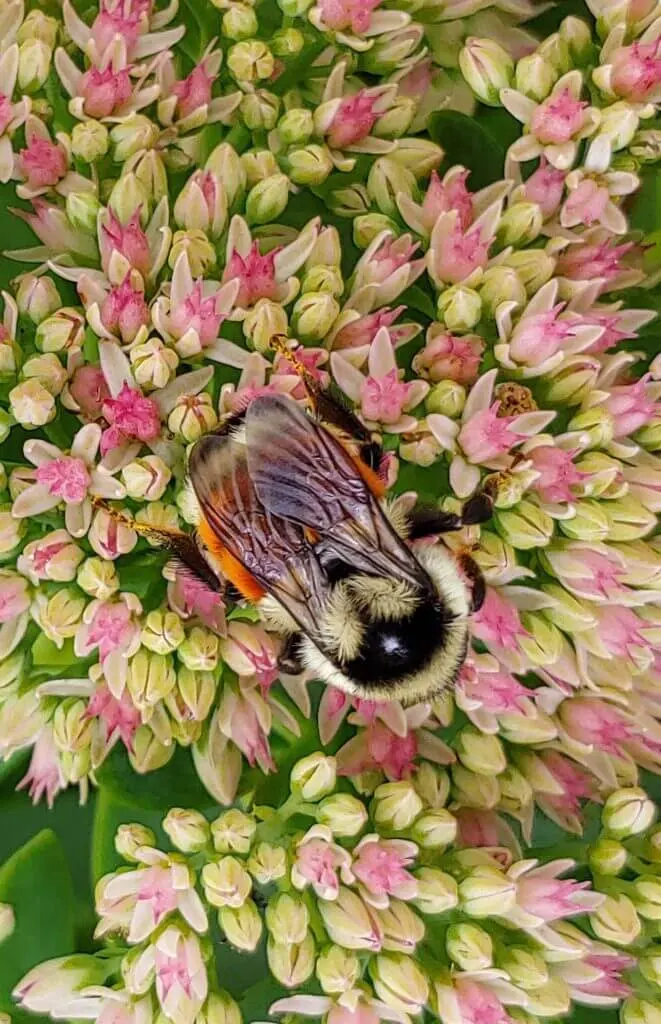
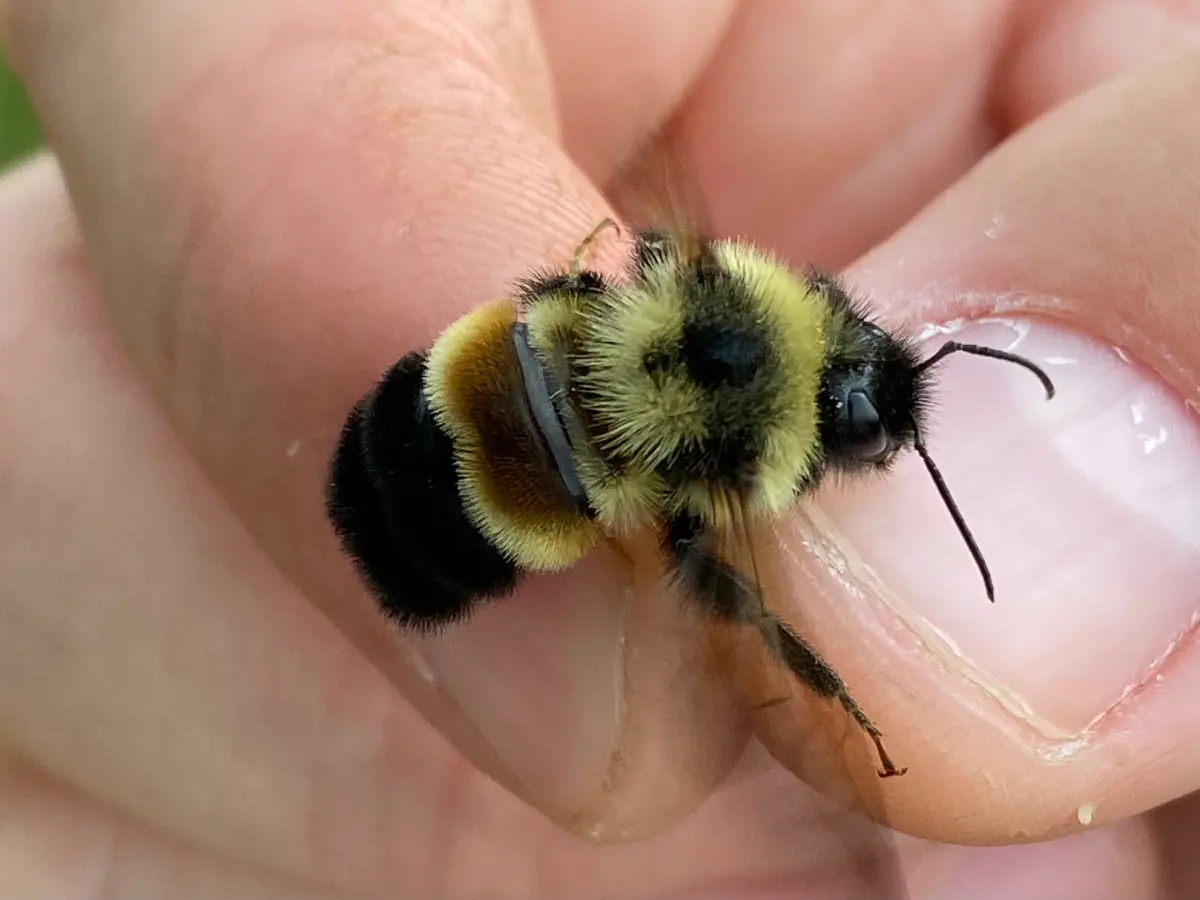
It is a common misconception that all bees are disappearing. The Western honeybee (Apis mellifera) is a managed livestock species; while colonies struggle, they are not at risk of extinction because humans actively breed and relocate them. However, many wild, solitary bee species are in critical danger. In the United States, the rusty patched bumble bee (Bombus affinis) was the first bee species listed as endangered under the Endangered Species Act in 2017.
Other species, such as the Franklin’s bumble bee, have not been sighted in years and are presumed extinct in the wild. Unlike honeybees, which live in large, social hives, most wild bees are solitary and nest in the ground or hollow stems. Because they do not have the protection of a large colony, these species are far more vulnerable to localized environmental changes and habitat destruction.
- Rusty patched bumble bee: Critically endangered in North America.
- Franklin’s bumble bee: Likely extinct; historically found in Oregon and California.
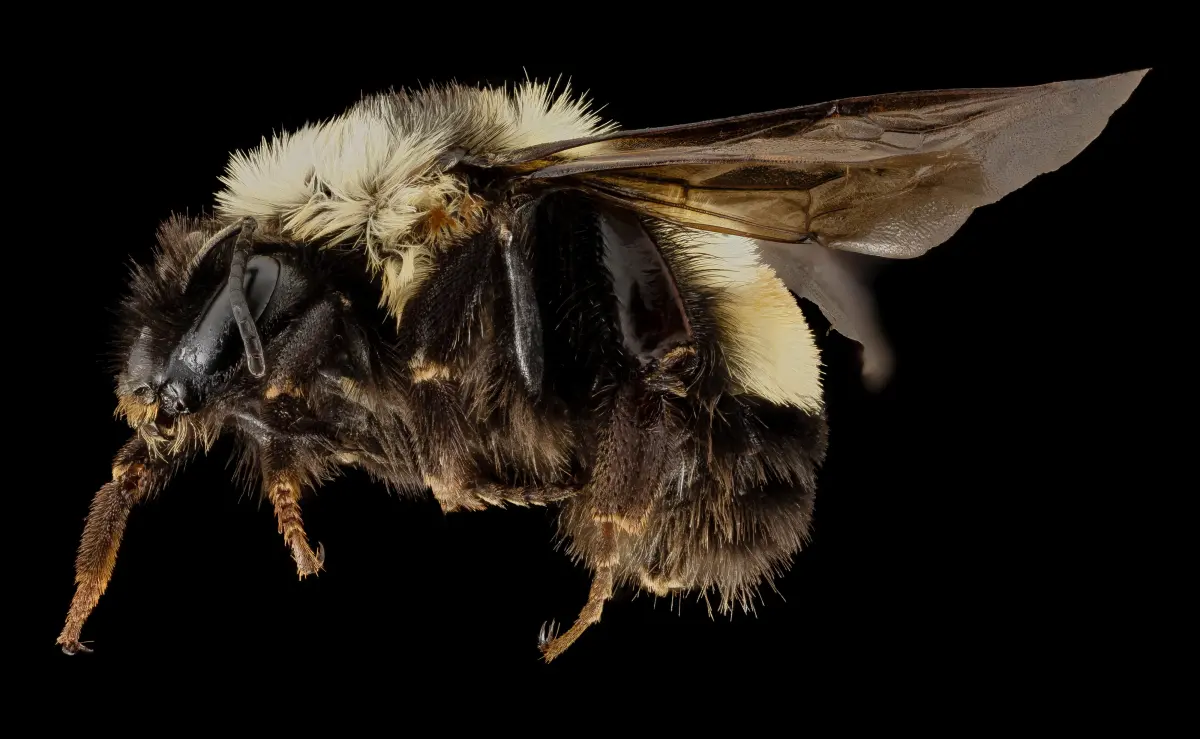
- Yellow-patched bumble bee: Experiencing significant range contraction.
How to create a bee-friendly garden
You can support local pollinators by transforming your outdoor space into a sanctuary. The goal is to provide a continuous supply of food from early spring through late autumn. Choose native plants, as local bees have co-evolved with these flowers and are best adapted to their nutritional profiles. Avoid modern hybrid flowers, which are often bred for aesthetics and may contain little to no nectar or pollen.
Design your garden to mimic natural landscapes by leaving some areas "messy." Many wild bees nest in undisturbed soil or within dry, hollow plant stalks. By avoiding heavy mulch and excessive tilling, you provide essential nesting sites for ground-nesting species. Always prioritize organic gardening methods to ensure your garden remains a safe haven rather than a toxic trap for visiting insects.
- Plant in clusters: Groups of the same flower attract more bees than scattered individuals.
- Provide water: A shallow dish with stones allows bees to drink without drowning.
- Avoid pesticides: Even organic-labeled sprays can be harmful to beneficial insects.
Common mistakes when helping bees
Many well-intentioned people inadvertently harm bees by installing honeybee hives in areas where wild bees are already struggling. While honeybees are important for agriculture, they are highly competitive and can outcompete native bees for limited floral resources. If your primary goal is conservation, focus on supporting wild populations rather than keeping honeybees, which requires significant expertise and ongoing management.
Another frequent error is the use of "bee hotels" without proper maintenance. These structures can become breeding grounds for parasites and diseases if they are not cleaned or replaced annually. If you use nesting blocks, ensure they are made of breathable materials like untreated wood or cardboard tubes. Furthermore, many people mistakenly believe that all bees sting; in reality, most solitary wild bees are docile and will only sting if physically crushed or handled directly.
- Over-managing: Trying to "save" bees by keeping honeybees can hurt wild species.
- Neglecting maintenance: Dirty bee houses can spread mites and fungal infections.
- Planting invasives: Non-native plants often fail to provide the correct nutrients.
How to support bee conservation efforts
Beyond your own backyard, you can contribute to the survival of bees by supporting policies that protect natural habitats. Advocate for the preservation of wild meadows and the reduction of pesticide use in local parks and public lands. Many regional conservation groups monitor bee populations through "citizen science" projects, where volunteers photograph and identify local species to help researchers track population trends.
You should also be mindful of your consumer choices. Purchasing organic produce reduces the demand for systemic pesticides that harm pollinators. By supporting local farmers who utilize integrated pest management, you help shift agricultural practices toward more sustainable models. Protecting bees is a long-term commitment that requires a combination of individual action, scientific research, and systemic policy changes to ensure these essential insects continue to thrive in our ecosystems for future generations.
Key facts
- There are over 20,000 known species of bees globally, but only a small fraction are considered endangered.
- The rusty patched bumble bee (Bombus affinis) was the first bee species in the continental United States to be listed as endangered in 2017.
- Habitat loss due to intensive monoculture farming and urban expansion is the primary driver of declining bee populations.
- Pesticides, particularly neonicotinoids, can impair bee navigation, immune systems, and reproductive success.
- Climate change shifts the timing of flower blooms, creating a "phenological mismatch" where bees emerge before their food sources are available.
- You can support local pollinators by planting native wildflowers and avoiding the use of synthetic insecticides in your garden.
The bottom line
While the term "endangered" is technically reserved for specific species like the rusty patched bumble bee, many wild bee populations face severe declines. The crisis is not a singular event but a combination of habitat loss, pesticide exposure, and climate instability. By prioritizing native plants and reducing chemical use, individuals can create essential refuges that help stabilize local ecosystems and support diverse, healthy pollinator communities.
People also ask
Why are honey bees not considered endangered?
Honey bees (Apis mellifera) are managed livestock, meaning humans actively breed and protect them. While they face high annual mortality rates due to parasites like Varroa destructor, their populations are maintained by beekeepers, unlike wild native bees that lack such intervention.
What is the difference between honey bees and native bees?
Honey bees are a single non-native species introduced to North America, while there are thousands of native bee species, such as mason and leafcutter bees. Native bees are often more efficient pollinators for local plants and are solitary rather than living in large hives.
How do pesticides specifically harm bees?
Pesticides often contain neurotoxins that disrupt a bee's ability to forage or return to its nest. Even sub-lethal doses can weaken a bee's immune system, making it more susceptible to diseases and environmental stressors.
Can I keep bees to help save them?
Keeping honey bees is a hobby that does not necessarily help wild bee conservation. In some areas, high densities of managed honey bees can actually compete with native bees for limited floral resources.
What should I avoid doing in my garden to protect bees?
Avoid using systemic insecticides, especially those containing neonicotinoids, which remain in plant tissues for long periods. Also, avoid clearing away all dead wood and hollow stems in the fall, as many native bees nest in these materials.
How does climate change affect bee migration?
Bees rely on specific environmental cues to emerge from hibernation, but warming temperatures can cause them to wake up too early. If the flowers they depend on have not yet bloomed due to different environmental triggers, the bees may starve.
This answer was created with the help of AI research tools and reference sources. Spotted an error? Let us know — we correct mistakes quickly. See our editorial policy.