Where can you see salmon spawning near Vancouver?
Short answer
You can witness salmon spawning across various streams and hatcheries in the Greater Vancouver area, primarily from late September through November. Key locations include the Capilano Salmon Hatchery, the Seymour River, and various creeks within Burnaby and Coquitlam. These sites offer accessible viewing platforms and educational displays for observing the annual migration.
On this page
Where to see salmon spawning near Vancouver
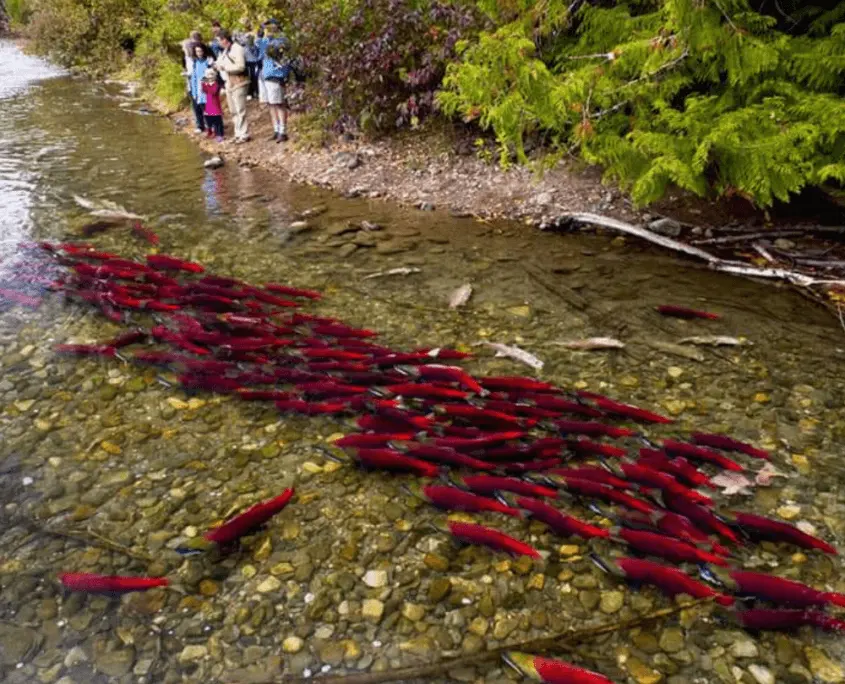
The Greater Vancouver region is home to several high-traffic spawning grounds that are easily accessible to the public. The Capilano Salmon Hatchery in North Vancouver is arguably the most popular site, featuring viewing windows where you can watch Coho and Chinook salmon navigate the fish ladder. Further east, the Seymour River offers rugged, natural trails where salmon can be spotted in the lower reaches during peak autumn months.
In the suburbs, the Hoy Creek Hatchery in Coquitlam and the Byrne Creek Streamkeepers area in Burnaby provide excellent community-led viewing opportunities. These urban streams are vital for local salmon populations and are maintained by dedicated volunteer groups. Because these locations are often nestled within municipal parks, they provide a convenient way to experience the life cycle of the Pacific salmon without traveling deep into the wilderness.
When is the best time to see salmon
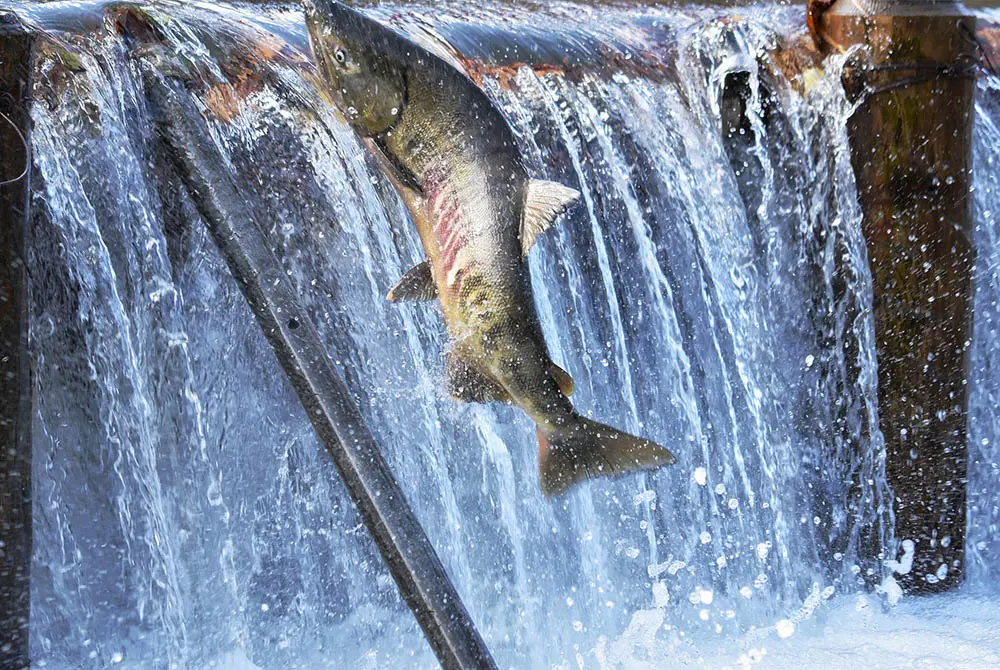
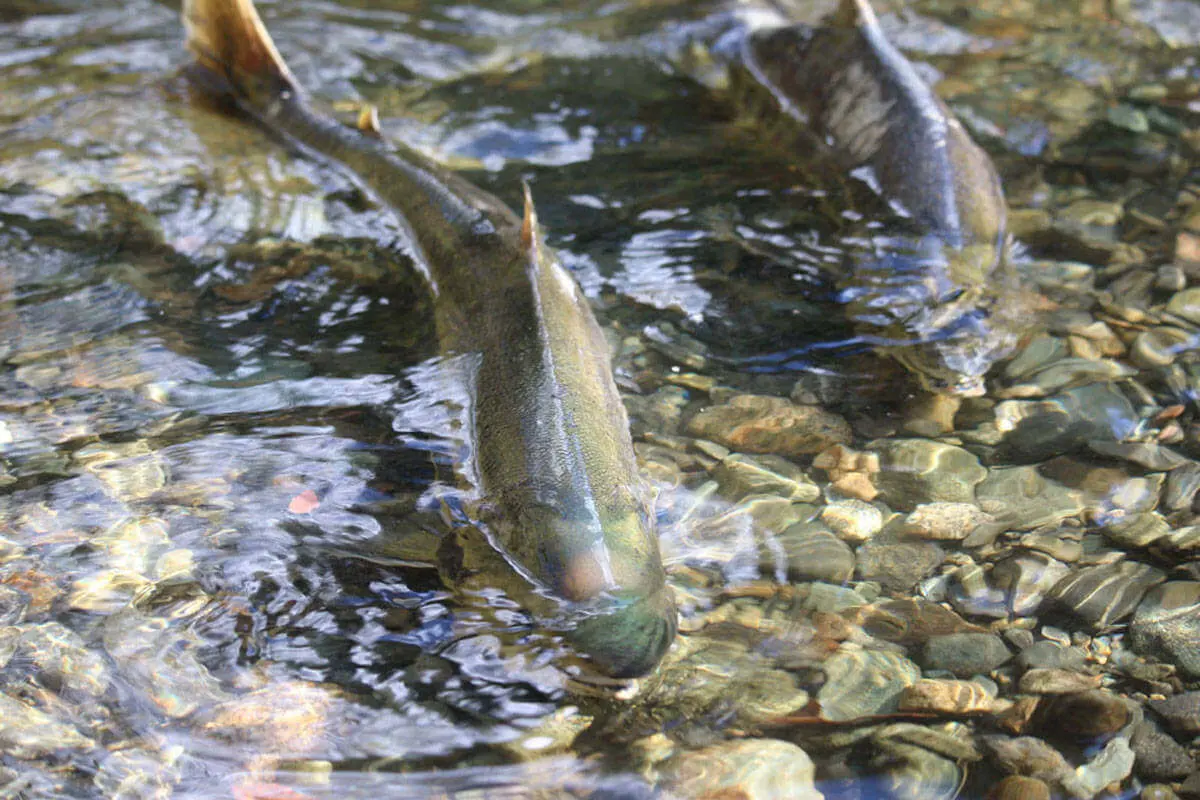
Salmon spawning runs are highly dependent on rainfall, as fish require higher water levels to navigate upstream. Generally, the season begins in late September and continues through November, with different species arriving at different times. Chinook salmon often start the run early, while Chum and Coho salmon typically dominate the streams from mid-October through late November.
- Late September: Early Chinook and Pink salmon begin their journey.
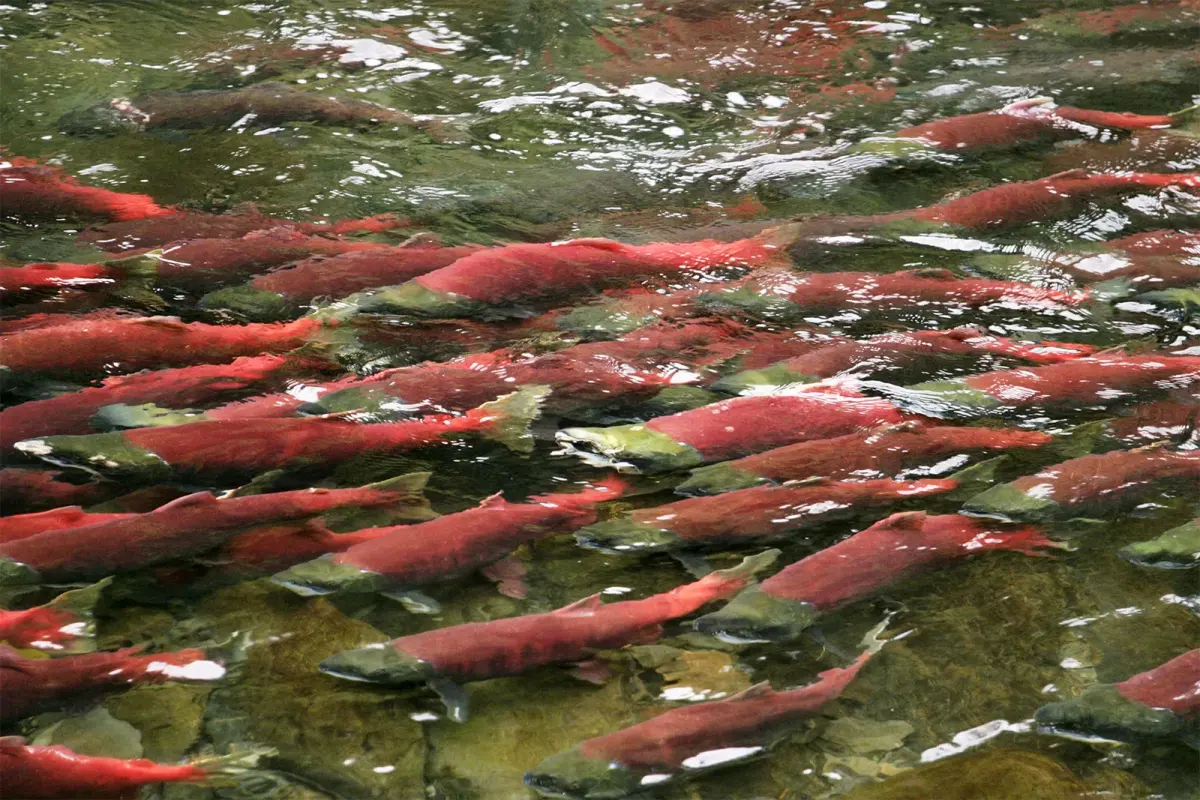
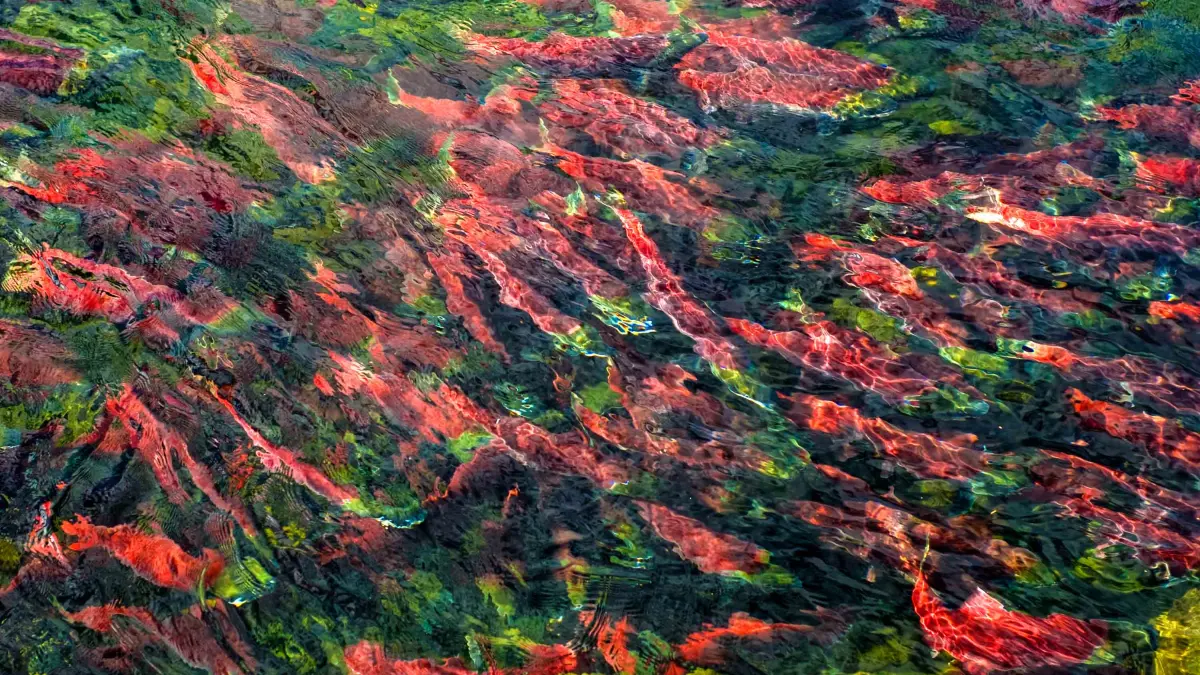
- October: Peak time for Chum salmon, which are often visible in large numbers.
- November: Coho salmon complete the run, often seen in the upper reaches of streams.
Checking local hatchery websites or social media pages for "spawning updates" is a practical way to time your visit. Heavy rainfall following a dry spell is often the trigger that encourages salmon to move into shallower waters, making them much easier to spot from the banks.
How to watch salmon without disturbing them
Observing salmon is a privilege that requires visitors to act as responsible stewards of the environment. The most important rule is to keep a respectful distance from the water's edge and avoid casting shadows over the stream, as salmon are easily spooked by movement. Never attempt to touch, feed, or throw objects into the water to get a better view, as this can disrupt their delicate spawning behavior.
- Stay on designated trails to prevent soil erosion and damage to sensitive stream banks.
- Keep dogs on a short leash at all times, as they can easily frighten fish or trample redds (nests).
- Use polarized sunglasses to reduce glare on the water surface, which significantly improves your ability to see fish beneath the ripples.
- Remain quiet and avoid sudden movements, as salmon are highly sensitive to vibrations and visual disturbances.
Common mistakes when viewing salmon
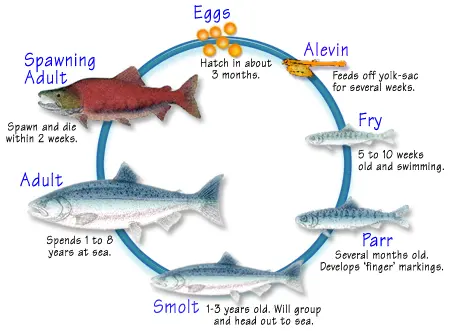
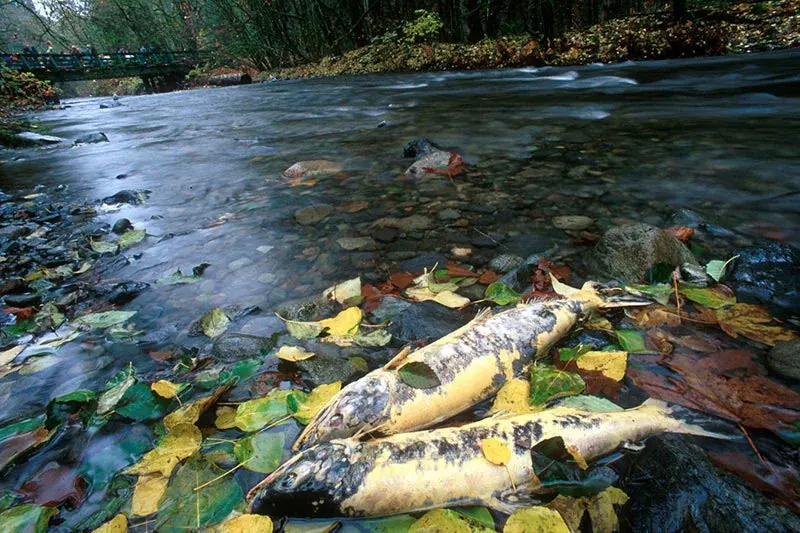
A frequent error newcomers make is assuming that all salmon in the stream are alive and active. During the late stages of the run, you will see many "spent" salmon, which are fish that have already spawned and are nearing the end of their life cycle. It is common to see these fish drifting or resting in calm pools; this is a natural part of the ecosystem and provides essential nutrients for the surrounding forest.
Another mistake is visiting during the heat of the day when the sun creates significant glare on the water. Early morning or late afternoon provides the best lighting conditions for photography and observation. Additionally, many visitors fail to dress for the weather, forgetting that streamside areas are often significantly colder and wetter than the surrounding city. Always wear waterproof footwear, as trails are frequently muddy, and bring layers to stay comfortable while standing still for extended periods.
Why salmon spawning matters to the ecosystem
The return of the salmon is a cornerstone of the Pacific Northwest ecosystem, acting as a biological bridge between the ocean and the land. When salmon die after spawning, their carcasses provide a massive influx of nitrogen and phosphorus to the forest floor. This nutrient cycle supports everything from towering cedar trees to insects, birds, and bears, demonstrating the deep interconnectedness of the coastal environment.
By visiting these sites, you are witnessing a critical biological event that sustains the health of local watersheds. Supporting local hatcheries and streamkeeper organizations through donations or volunteer work helps ensure that these populations remain stable for future generations. Understanding the challenges salmon face—such as urban runoff, habitat loss, and climate change—is the first step toward advocating for the protection of these vital waterways. Your presence at these spawning grounds is a powerful reminder of the fragile balance that defines the natural beauty of the Vancouver region.
Key facts
- Peak spawning season for most Pacific salmon species near Vancouver occurs from late September through November.
- The Capilano River Hatchery in North Vancouver offers excellent viewing opportunities and educational displays.
- Hoy Creek in Coquitlam is a prime urban location where chum salmon return to spawn in shallow, accessible waters.
- Wear polarized sunglasses to reduce water glare, which makes spotting the fish significantly easier.
- Always keep dogs on a leash and stay on marked trails to avoid damaging sensitive riverbank habitats.
- Never enter the water or attempt to touch the salmon, as this can disrupt their delicate spawning process.
The bottom line
Witnessing the annual salmon migration is a highlight of autumn in British Columbia. By visiting local hatcheries or protected urban creeks between October and November, you can observe this remarkable natural phenomenon firsthand. Remember to prioritize the safety of the fish by maintaining a respectful distance and staying on established trails. This simple, mindful approach ensures that these vital ecosystems remain healthy for future salmon runs.
People also ask
What time of day is best for viewing salmon?
Early morning or late afternoon provides the best visibility when the sun is lower in the sky. These times also tend to be quieter, which encourages salmon to move more freely in shallow stream sections.
Do I need a permit to watch salmon spawning?
No permit is required to view salmon in public parks or along designated stream trails. Simply remain on the paths and respect all posted signage regarding habitat protection.
Which salmon species are most common in Vancouver streams?
Chum salmon are the most frequently observed species in local urban creeks during the autumn months. Coho and Chinook salmon also return to regional rivers, though they often prefer larger, deeper waterways.
Can I bring my children to see the salmon?
Yes, salmon spawning is an excellent educational experience for families. Many local hatcheries provide interactive exhibits that explain the salmon life cycle in simple, engaging terms for children.
What should I do if I see a dead salmon in the stream?
Do not remove it, as carcasses provide essential nutrients for the ecosystem and future generations of fish. These "nutrient pulses" are a natural part of the forest and stream health cycle.
Is it possible to see spawning salmon in downtown Vancouver?
While downtown Vancouver is mostly urbanized, nearby areas like Stanley Park have small streams that occasionally support salmon. However, for reliable sightings, traveling to North Vancouver or the Tri-Cities is highly recommended.
This answer was created with the help of AI research tools and reference sources. Spotted an error? Let us know — we correct mistakes quickly. See our editorial policy.