What is onomatopoeia?
Short answer
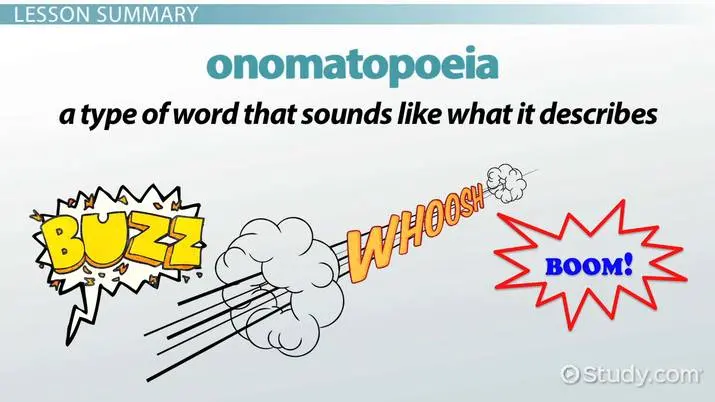
Onomatopoeia is the linguistic process of creating words that phonetically imitate, resemble, or suggest the sound they describe. These words bridge the gap between abstract language and sensory experience, allowing writers to evoke auditory images. Common examples include animal noises like "meow," mechanical sounds like "click," and impact noises like "bang."
On this page
What is onomatopoeia exactly?
Onomatopoeia functions as a bridge between the physical world and written language. Unlike most words, which rely on arbitrary social agreement to convey meaning, onomatopoeic terms are iconic; their sound structure mimics the actual noise produced by an object or action. This linguistic device is ubiquitous in literature, advertising, and everyday speech, serving to make descriptions more vivid and immersive for the reader or listener.
The term derives from the Greek words "onoma," meaning name, and "poiein," meaning to make. Essentially, it is the act of naming a thing by imitating the sound it makes. While languages differ significantly in their vocabularies, onomatopoeic words often share cross-cultural phonetic similarities because they are rooted in the natural acoustics of the environment rather than purely human-made syntax.
How to use onomatopoeia in writing
Using onomatopoeia effectively requires a sense of moderation and intent. When integrated into creative writing, these words can heighten the tension of a scene or provide a rhythmic quality to prose. However, they should be used to enhance the narrative rather than distract from it. Overusing these sounds can make a piece of writing feel juvenile or cartoonish, so they are best reserved for moments of high impact or specific sensory detail.
To incorporate these sounds into your writing, consider the following steps:
- Identify the specific sound you want to emphasize, such as a sharp snap or a muffled thud.
- Choose a word that mimics the rhythm and frequency of that sound.
- Place the word strategically within the sentence to maintain the flow of your narrative.
- Read the sentence aloud to ensure the sound word integrates naturally with the surrounding prose.

Why onomatopoeia varies by language
While the sounds of nature are universal, the way different cultures transcribe those sounds into words varies dramatically. This phenomenon occurs because every language has its own unique phonological rules and available consonant-vowel combinations. For instance, the sound of a barking dog is interpreted as "woof" in English, but as "guau" in Spanish, "wan-wan" in Japanese, and "vov" in Russian.
These variations demonstrate that even onomatopoeia is filtered through the lens of a specific linguistic system. Speakers adapt the sounds they hear to fit the phonetic constraints of their native tongue. This process highlights the intersection of biology and culture, as humans attempt to replicate the same external stimuli using the specific vocal tools they have been trained to use since childhood.
Common mistakes when using onomatopoeia
One of the most frequent errors writers make is relying on onomatopoeia as a crutch for poor descriptive writing. Simply writing "boom" is rarely as effective as describing the vibration of the floor or the sudden pressure change in the air. Onomatopoeia should function as a garnish, not the main course of your sensory description. If the reader cannot understand the context of the sound, the word itself loses its impact.
Another common mistake involves inconsistent spelling or excessive capitalization. Writers often feel the need to use all-caps or excessive exclamation points to emphasize a sound, such as "BANG!!!" This stylistic choice often undermines the professional tone of the work. Instead, allow the word to stand on its own within the sentence structure. If the word is well-chosen, the reader will naturally understand its intensity without the need for typographical gimmicks.
Examples of onomatopoeia in daily life
Onomatopoeia is not limited to comic books or literature; it is a fundamental part of how we communicate about the physical world. We use these words to categorize sounds quickly and efficiently, often without realizing we are using a specific literary device. By observing the world around you, you can identify many instances where language mimics reality.
Consider these common categories of onomatopoeic words:
- Water sounds: splash, drip, gurgle, plop, swish.
- Voice sounds: murmur, whisper, giggle, grumble, hiccup.
- Impact sounds: thump, whack, clatter, bang, crash.
- Animal sounds: moo, quack, hiss, tweet, buzz.
- Mechanical sounds: beep, click, zoom, vroom, tick-tock.
By recognizing these patterns, you can better appreciate the way language captures the auditory essence of our environment. Whether you are writing a novel or simply observing the world, understanding onomatopoeia allows you to better articulate the symphony of sounds that defines our daily existence.
Key facts
- Onomatopoeia refers to words that phonetically imitate, resemble, or suggest the sound that they describe.
- Common examples include animal sounds like "meow," "moo," or "woof" and mechanical noises like "bang," "click," or "zoom."
- These words are highly language-specific; for instance, a rooster's crow is "cock-a-doodle-doo" in English but "kikeriki" in German.
- Writers use onomatopoeia to create sensory immersion, helping readers "hear" the action described in a narrative.
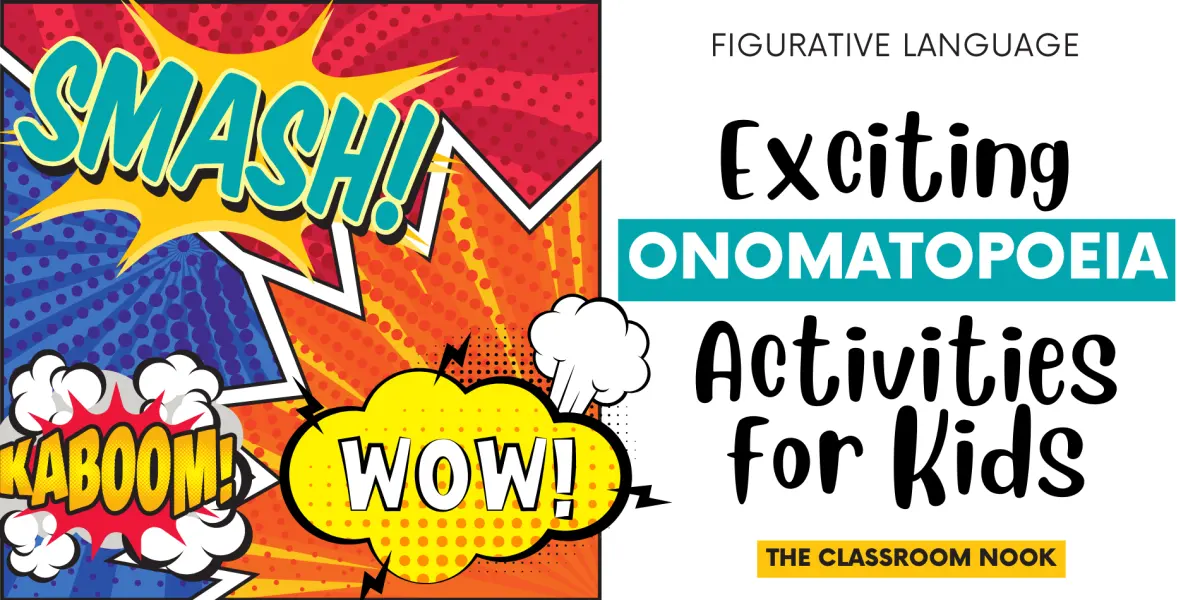
- Comic books frequently employ these terms as visual sound effects, such as "pow," "zap," or "thwack," to emphasize impact.
- Avoid overusing these words in formal or academic writing, as they can diminish the professional tone of a document.
The bottom line
Onomatopoeia serves as a powerful linguistic tool that bridges the gap between written language and sensory experience. By mimicking the sounds of the physical world, these words allow writers to evoke immediate auditory responses in their readers. While highly effective in creative writing and comics for adding impact and realism, it is best used sparingly to maintain clarity and professionalism in more formal communication contexts.
People also ask
Is onomatopoeia considered a figure of speech?
Yes, it is classified as a figure of speech because it uses sound to evoke imagery rather than relying solely on literal definitions. It functions as a linguistic bridge between the auditory experience and written text.
Are all sound-related words examples of onomatopoeia?
No, only words that mimic the actual sound are considered onomatopoeic. Words like "noisy" or "silent" describe sound but do not imitate the acoustic quality of the phenomenon itself.
Does onomatopoeia change depending on the language?
Absolutely, because different languages have unique phonetic systems and cultural interpretations of sounds. While a dog barks in English, the same action is described as "guau guau" in Spanish or "wan wan" in Japanese.
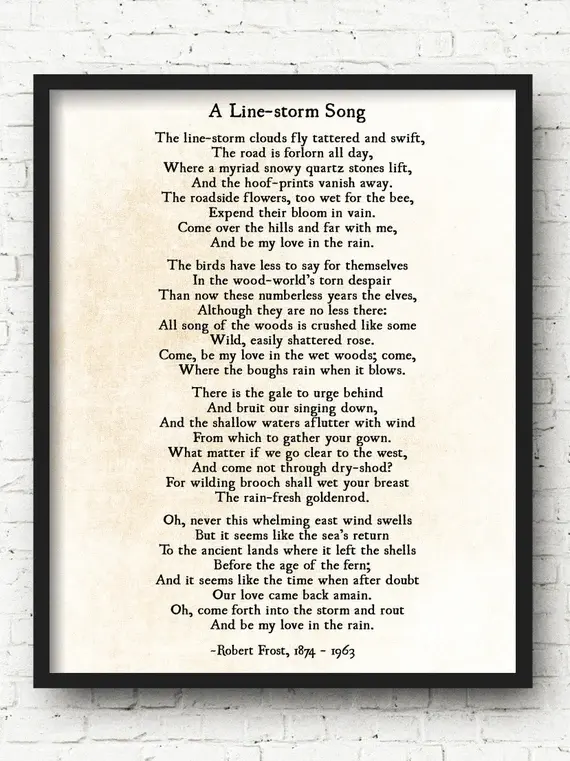
Can onomatopoeia be used in poetry?
It is a staple technique in poetry to enhance rhythm and sensory appeal. Poets often select specific words to create a musical quality that mirrors the mood or subject of the verse.
How do I correctly punctuate onomatopoeic words?
These words are often treated as interjections and may be followed by an exclamation point to indicate volume or suddenness. When used within a sentence, they should be integrated naturally without unnecessary punctuation.
Is there a difference between onomatopoeia and sound symbolism?
Onomatopoeia refers to words that directly imitate a specific sound, whereas sound symbolism is a broader concept where certain speech sounds suggest meanings. Onomatopoeia is a concrete, direct imitation, while sound symbolism is often more abstract or associative.
This answer was created with the help of AI research tools and reference sources. Spotted an error? Let us know — we correct mistakes quickly. See our editorial policy.