What is the difference between a poem and a song?
Short answer
Poems are literary compositions primarily designed to be read or recited, focusing on imagery, rhythm, and linguistic nuance. Songs are musical compositions intended for performance, relying on melody, harmony, and rhythm to convey emotion. While both utilize lyrical language, songs require a structural marriage between text and musical accompaniment to function.
On this page
What defines the structure of a poem versus a song
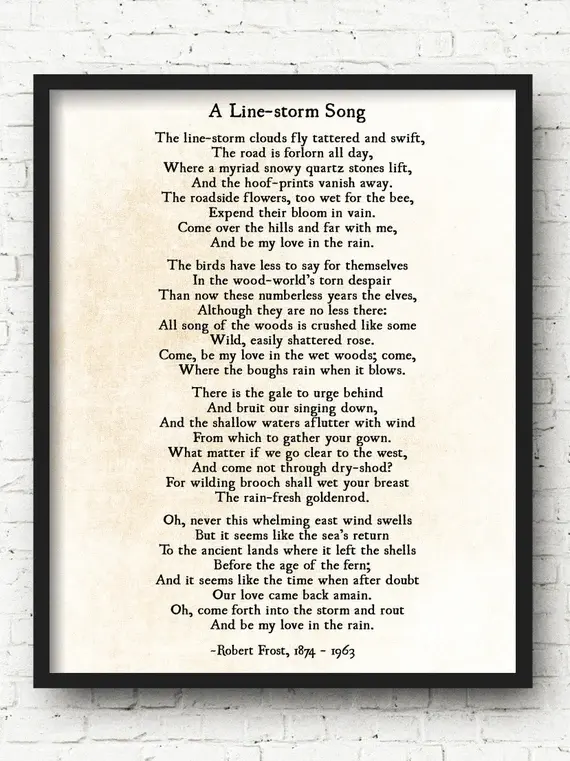
Poetry is a form of literature that prioritizes the aesthetic and rhythmic qualities of language. Poets often use line breaks, stanza patterns, and meter to control the reader's pace and emphasize specific imagery. Because a poem exists on the page, the reader dictates the timing, allowing for pauses and reflections that are entirely subjective. The primary goal is to evoke an intellectual or emotional response through the precision of word choice and the arrangement of sounds.
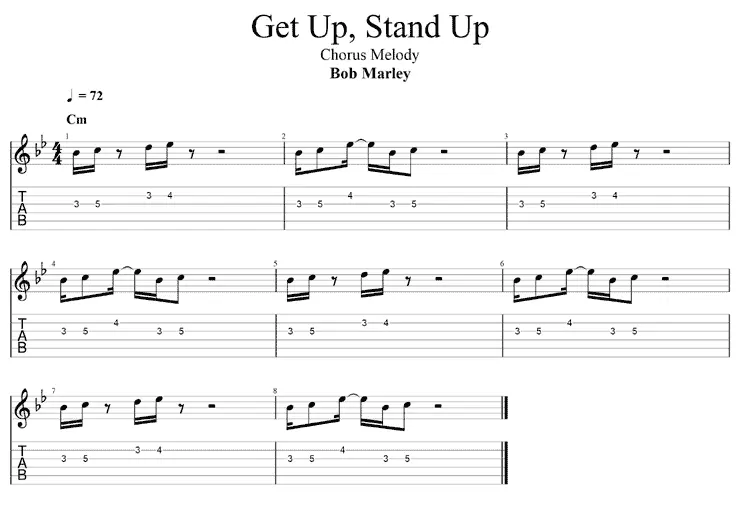
Songs, conversely, are bound by the constraints of musical time. A songwriter must consider tempo, time signatures, and the physical limitations of vocal performance. While a poem might be free-form, a song typically follows a predictable structure to ensure the melody remains memorable and repeatable. This structure often includes:
- Verse: The narrative or descriptive segments that advance the story.
- Chorus: A repetitive, central theme that reinforces the song's core message.
- Bridge: A departure from the main melody to provide contrast or tension.
- Outro: A concluding section that signals the end of the musical experience.
How to distinguish between written lyrics and poetry
Many people confuse song lyrics with poetry because both use figurative language and rhyme. However, lyrics are often incomplete without their musical context. A song lyric might seem simplistic or repetitive when read in silence, but it is specifically crafted to sit within a melodic phrase. A poem, by contrast, is designed to stand alone; it provides its own internal rhythm through meter and syntax, requiring no external sound to be considered "complete."
When analyzing a piece of writing to determine its form, consider these factors:
- Read the text aloud without any melody; if it feels rhythmically awkward or relies heavily on repetition, it is likely a lyric.
- Look for visual cues; poems often utilize unique indentation or spacing to convey meaning, whereas lyrics are usually formatted to match musical bars.
- Assess the density of the language; poetry often employs complex metaphors that require multiple readings, while songs usually prioritize clarity for immediate listener comprehension.
Why songs rely on musical accompaniment
Music serves as the emotional engine for a song, providing a context that words alone cannot achieve. A minor chord progression can turn a joyful lyric into a melancholic one, effectively changing the meaning of the words through tone. In a poem, the emotional weight must be carried entirely by the vocabulary and the cadence of the syllables. The poet must work harder to create an atmosphere, whereas the songwriter can rely on instrumentation to set the mood instantly.
This reliance on music creates a different type of intimacy between the creator and the audience. A listener experiences a song as a communal or shared event, often influenced by the performance style of the singer. A poem creates an individual experience, as the reader interprets the text through their own internal voice. This fundamental difference explains why a song can be a "hit" based on its melody alone, while a poem must succeed based on the strength of its written expression.
Common mistakes when trying to turn poems into songs
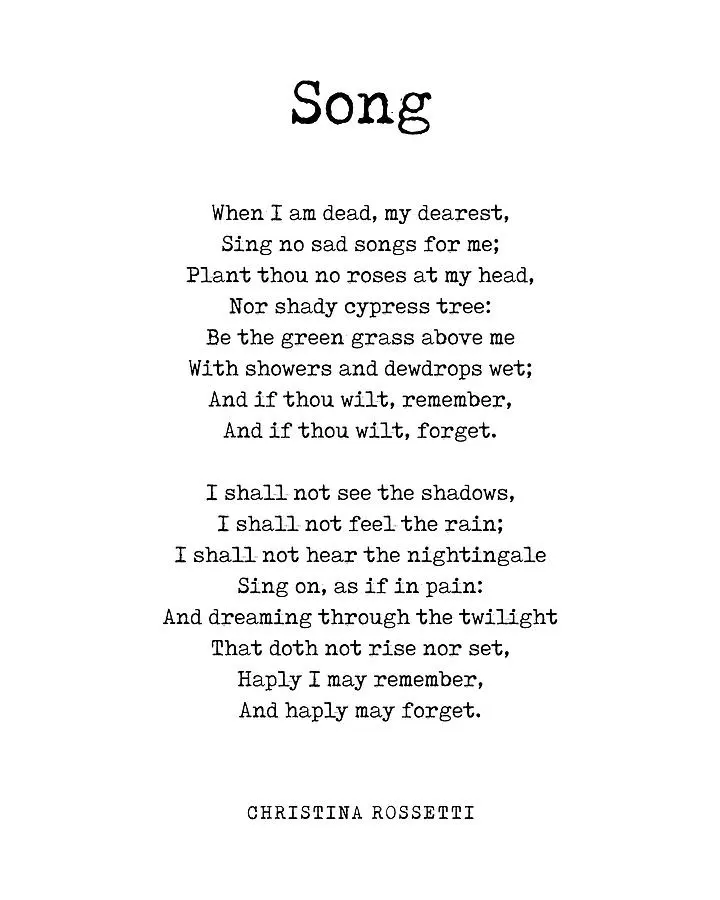
A frequent error is attempting to set a poem to music without adjusting the syllable count or rhythm. Poems often contain irregular line lengths that do not fit into a standard 4/4 time signature, which is the industry standard for most popular music. If you force a poem into a song structure, you will likely find that the melody feels forced or the phrasing becomes unnatural. You must be willing to edit the text to accommodate the musical requirements of the composition.
Another mistake is ignoring the need for "breathable" lines in songwriting. Singers need natural pauses to inhale, which is why lyrics are usually broken into shorter, rhythmic phrases. Poets often write long, flowing sentences that span multiple lines, which can be difficult to sing without losing the melodic line. To successfully convert a poem into a song:
- Simplify the vocabulary to ensure the message is clear at a fast tempo.
- Create a consistent rhyme scheme to make the song easier to memorize.
- Add a repetitive hook that anchors the listener to the song's theme.
How to improve your writing for both mediums
To become a better writer, you must understand the specific demands of your chosen medium. If you are writing poetry, focus on the "music of the words"—the internal alliteration, assonance, and cadence of the language. Read works by masters like T.S. Eliot or Emily Dickinson to see how they use line breaks to manipulate time. Practice writing without rhyme to ensure your imagery is strong enough to stand on its own without the crutch of a predictable sound pattern.
If you are writing songs, focus on the "marriage of word and sound." Study the works of songwriters like Bob Dylan or Joni Mitchell, who bridge the gap between literary quality and musical accessibility. Always hum a melody while you write to ensure the syllables flow naturally. Remember that a song is a blueprint for a performance, so leave room for the music to breathe and for the singer to add their own emotional interpretation. By respecting the unique constraints of each, you will produce more effective and impactful work.
Key facts
- Poems rely primarily on the rhythmic arrangement of words and imagery to evoke emotion without musical accompaniment.
- Songs are inherently collaborative, requiring the marriage of lyrics with melody, harmony, and rhythmic instrumentation.
- The structure of a poem is fluid, whereas songs typically follow rigid patterns like verse-chorus-verse to ensure listener retention.
- A poem is complete on the page, while a song is often considered an incomplete draft until it is performed or recorded.
- To turn a poem into a song, focus on creating a consistent meter and a repeating chorus that acts as a melodic anchor.
- Avoid forcing rhymes in poetry, as it can sound juvenile, but embrace them in songwriting to help the listener memorize the hook.
The bottom line
The primary distinction lies in the delivery: poems exist as linguistic art meant for the eye or voice, while songs function as musical compositions requiring melody and rhythm. While both share a foundation in language and meter, songs prioritize accessibility and repetition to engage the listener’s ear. Understanding these differences allows writers to tailor their creative work for the intended medium, whether for silent reflection or performance.
People also ask
Can a poem be considered a song if it is read aloud?
No, reading a poem aloud is a performance, but it lacks the musical composition required to be a song. A song requires a specific melodic structure that dictates the pitch and duration of the words.
Why do song lyrics often look simple compared to poetry?
Song lyrics are designed to be understood instantly by a listener who cannot pause or re-read the text. Poets have the luxury of complexity because readers can linger over difficult lines.
Is rap music considered poetry or song?
Rap sits in a unique middle ground, often called "spoken word" or "rhythmic poetry." Because it utilizes a beat and melodic cadence, it is technically classified as a song.
Do all songs need to rhyme?
No, many songs use free verse or slant rhymes to maintain a conversational tone. However, the musical accompaniment often provides the structural glue that rhyming provides in poetry.
What is the most important element when writing a song?
The most important element is the "hook," a catchy melodic or lyrical phrase that repeats. In poetry, the most important element is usually the precision of the imagery.
Can I use the same lyrics for both a poem and a song?
You can, but you will likely need to adjust the syllable counts to fit a musical time signature. A poem that flows well on paper may feel awkward or "clunky" when set to a standard 4/4 beat.
This answer was created with the help of AI research tools and reference sources. Spotted an error? Let us know — we correct mistakes quickly. See our editorial policy.