Where do deer live?
Short answer
Deer inhabit every continent except Antarctica and Australia, thriving in diverse environments ranging from dense forests and grasslands to mountainous regions and wetlands. They are highly adaptable herbivores that require access to cover for protection and a consistent supply of vegetation, allowing them to occupy both wild landscapes and suburban areas.
On this page
Where do deer live in the wild?
Deer occupy a vast array of habitats across the globe, demonstrating remarkable versatility in their environmental requirements. While many species, such as the white-tailed deer in North America, prefer the "edge" habitats where dense forests meet open meadows, others are specialized for extreme conditions. For instance, reindeer and caribou are specifically adapted to the harsh, treeless expanses of the Arctic tundra.
These animals generally seek out locations that provide a balance between food availability and safety from predators. Deep forests offer excellent concealment, while nearby clearings provide the grasses and shrubs essential for their diet. In mountainous regions, deer often perform seasonal migrations, moving to lower elevations during the winter to avoid deep snow and find accessible forage. Their ability to thrive in such varied climates—from tropical rainforests to subalpine zones—is a primary reason for their widespread success as a family.
How to identify deer habitats
Identifying a deer habitat requires looking for specific environmental markers that indicate the presence of a herd. You should look for areas that provide three fundamental necessities: food, water, and shelter. If an area lacks one of these, deer will likely only pass through rather than reside there permanently.
- Look for "browse lines" on trees, which are clear paths where deer have eaten all accessible leaves and twigs.
- Search for bedding areas, typically found in tall grass or thick brush, where the ground is matted down.
- Identify game trails, which are narrow, worn paths through vegetation that deer use repeatedly to travel between feeding and sleeping spots.
- Check for signs of activity like droppings, hoof prints, and rubbed bark on saplings where bucks have marked their territory.
Common mistakes include focusing only on open fields, which deer usually avoid during daylight hours, or ignoring the importance of permanent water sources like creeks or ponds.
Why do deer move into suburban areas?
The migration of deer into suburban and urban environments is primarily driven by the loss of natural habitat and the abundance of human-provided resources. As human development expands into previously wild areas, deer are pushed into closer proximity to residential zones. These areas often provide an artificial sanctuary where hunting is prohibited and predators are scarce, allowing deer populations to grow rapidly.
Furthermore, suburban landscapes are frequently landscaped with ornamental plants, shrubs, and gardens that serve as high-quality, year-round food sources. Unlike wild forests, which may suffer from seasonal food shortages, residential neighborhoods offer consistent nutrition. This combination of safety from natural threats and an easy food supply makes suburban living highly attractive to deer. While this proximity can lead to conflicts with homeowners, it reflects the species' inherent ability to adapt its behavior to exploit new, resource-rich environments.
Best ways to spot deer in the wild
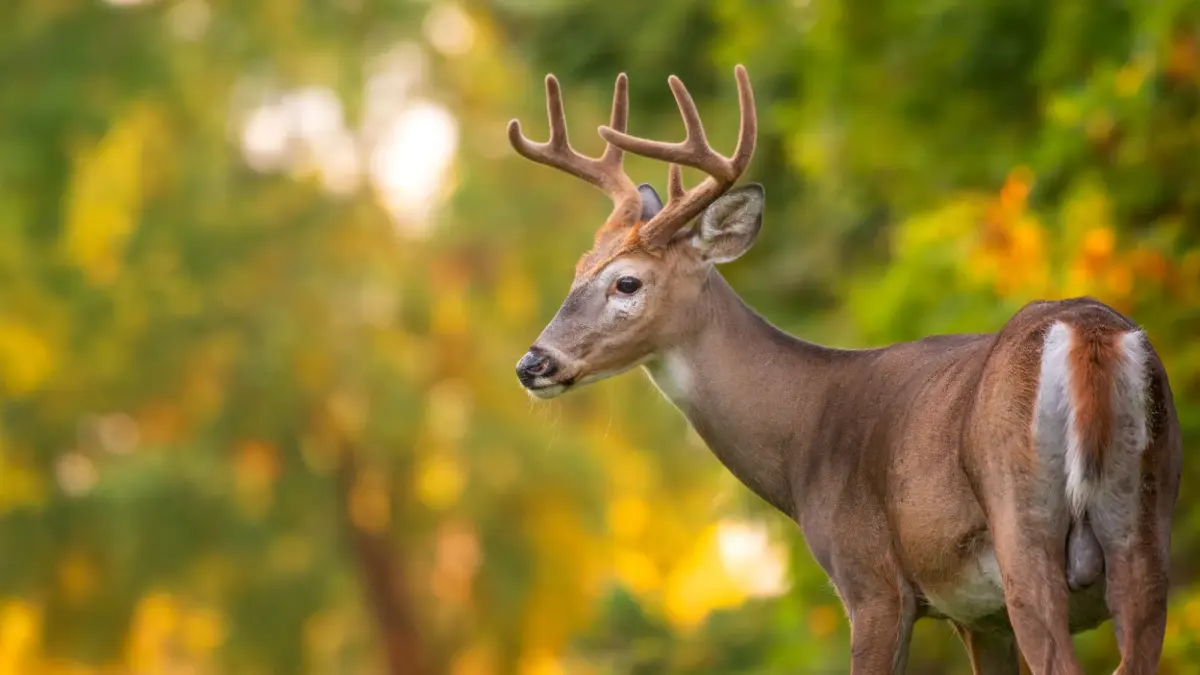
Observing deer in their natural habitat requires patience, stealth, and an understanding of their daily activity cycles. Deer are crepuscular, meaning they are most active during the twilight hours of dawn and dusk. Planning your observation during these times significantly increases your chances of a successful sighting compared to the middle of the day.
- Wear neutral-colored clothing that blends into the background to minimize your visual profile.
- Move slowly and stop frequently to scan the perimeter, as deer are highly sensitive to sudden movements.
- Position yourself downwind from the area you are watching, as deer rely heavily on their acute sense of smell to detect danger.
- Use binoculars to observe from a distance, which prevents the deer from becoming alarmed and fleeing your presence.
Avoid wearing perfumes or scented lotions, as these artificial odors can alert deer to your presence long before you arrive at your observation point.
Common mistakes when interacting with deer
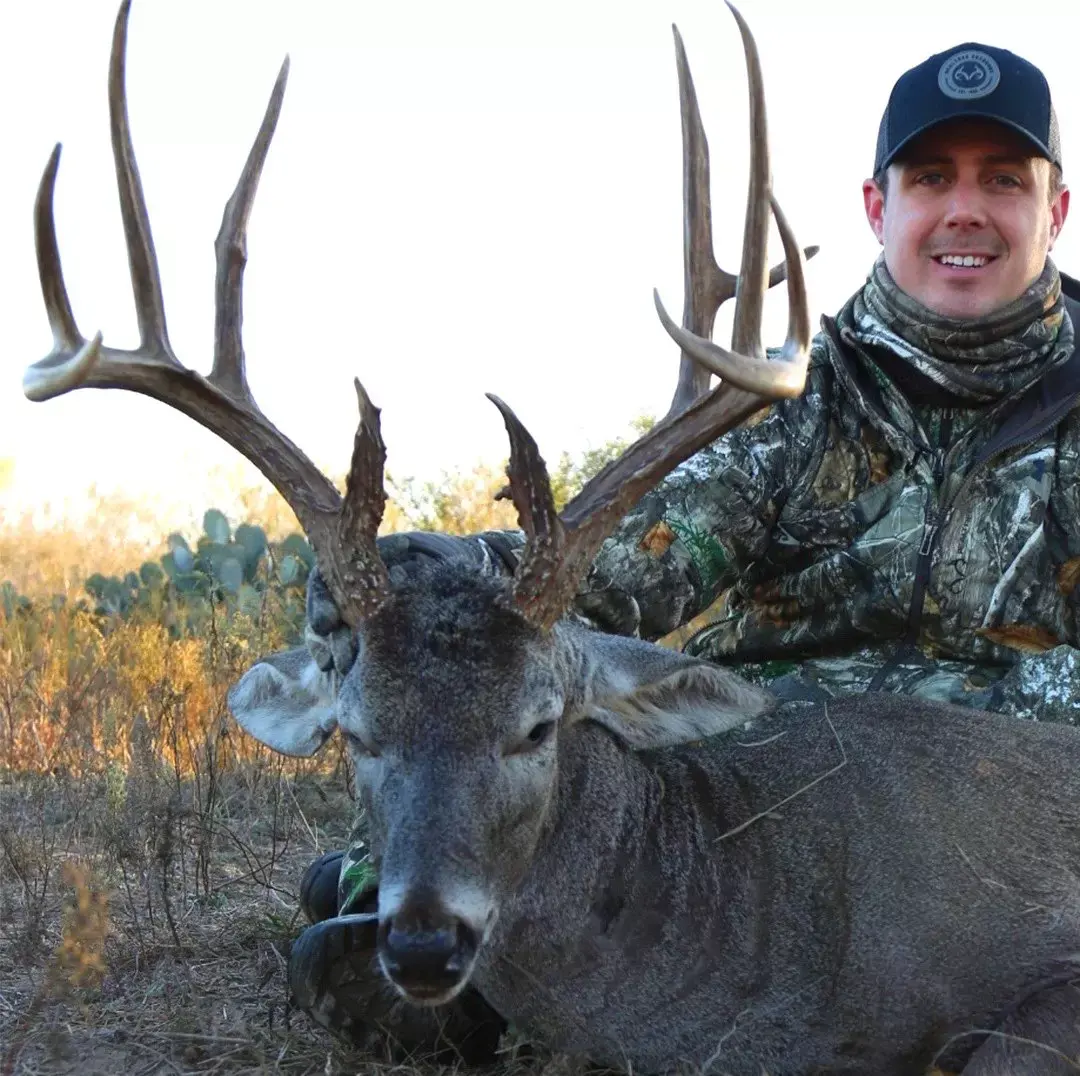
Interacting with deer, even from a distance, requires caution to ensure the safety of both the human and the animal. A frequent mistake is attempting to feed deer, which can cause them to lose their natural fear of humans and lead to aggressive behavior. Feeding can also lead to the spread of diseases, such as Chronic Wasting Disease, by congregating animals in unnatural densities.
Another critical error is approaching a fawn that appears to be alone. In many cases, the mother is nearby, watching from a distance, and will return once the perceived threat has passed. If you handle or move a fawn, you may cause the mother to abandon it. Always maintain a respectful distance and observe quietly. If you encounter a deer that appears sick, injured, or displays unusual behavior, such as a lack of fear or erratic movement, do not approach it. Instead, contact local wildlife authorities who are trained to handle such situations safely and effectively.
Key facts
- Deer inhabit every continent except Antarctica and Australia.
- They thrive in diverse ecosystems, ranging from dense rainforests and wetlands to arid deserts and high-altitude mountains.
- Edge habitats, where forests meet open fields or meadows, are preferred because they provide both cover and abundant food.
- Deer are highly adaptable and frequently live in suburban and urban areas, often foraging in residential gardens.
- Most deer species require a home range of roughly 300 to 600 acres to find adequate food, water, and shelter.
- To avoid attracting deer to your property, secure trash cans and avoid planting hostas, tulips, or yews, which are favorite snacks.
The bottom line
Deer are remarkably adaptable mammals that occupy diverse landscapes across the globe, from deep forests to suburban backyards. Their survival depends on access to edge habitats that provide both shelter and varied vegetation. While they are generally elusive, their presence in human-populated areas is increasing. Understanding their need for specific browsing grounds and seasonal movement patterns is essential for peaceful coexistence with these resilient creatures.
People also ask
Do deer migrate?
Most deer do not perform long-distance migrations like birds, but they do move seasonally. In winter, they often move to lower elevations or dense coniferous forests to escape deep snow and find thermal cover.
How do deer survive in the winter?
Deer grow a dense, hollow-haired winter coat that provides excellent insulation against freezing temperatures. They also lower their metabolic rate and rely on stored body fat while foraging for woody browse like twigs and buds.
Can deer live in cities?
Yes, deer are increasingly common in urban environments where they find protection from natural predators and easy access to ornamental plants. This often leads to conflicts with gardeners and increased risks of vehicle collisions.
Do deer stay in the same place their whole lives?
Many deer are sedentary and spend their entire lives within a relatively small home range of a few square miles. However, young males will often disperse long distances to find their own territory and avoid competition with older bucks.
How do I spot a deer's habitat?
Look for signs such as tracks in soft mud, horizontal "browse lines" on shrubs, and patches of hair caught on low-hanging branches. Bedding areas are often found in tall grass or thick brush where the ground is flattened.
Are deer dangerous to humans?
Deer are generally shy and will flee when approached, but they can become aggressive during the autumn rut or if a mother feels her fawns are threatened. Always maintain a respectful distance and never attempt to feed them.
This answer was created with the help of AI research tools and reference sources. Spotted an error? Let us know — we correct mistakes quickly. See our editorial policy.