How long do deer live?
Short answer
In the wild, most deer live between 2 and 10 years, depending on the species and environmental pressures. While some individuals can reach 15 to 20 years in protected environments, predation, disease, and habitat loss significantly shorten average lifespans. Captive deer often live longer, frequently exceeding 15 years due to consistent nutrition and veterinary care.
On this page
How long do wild deer live?
The lifespan of a deer in the wild is heavily influenced by natural selection and environmental challenges. Most white-tailed deer, the most common species in North America, rarely survive past their tenth year. During their first year, fawns face high mortality rates due to predators like coyotes, bobcats, and bears. Those that survive the initial vulnerability typically reach reproductive maturity by their second year, which marks the beginning of their most productive but dangerous phase of life.
Environmental factors such as harsh winters, food scarcity, and parasites play a major role in limiting longevity. In regions with severe winters, deer often struggle to find enough forage, leading to malnutrition that weakens their immune systems. Furthermore, chronic wasting disease and other illnesses can significantly reduce life expectancy in specific populations. While a deer might possess the biological potential to live longer, the reality of the wild environment ensures that few reach their theoretical maximum age.
Why do captive deer live longer?
Deer kept in captivity, such as those in zoos, research facilities, or high-fenced deer farms, experience significantly higher survival rates. Without the constant threat of predators and with a guaranteed supply of high-quality food, these animals often reach 15 to 20 years of age. Veterinary intervention further extends their lives by treating injuries or infections that would be fatal in the wilderness.
The management of captive deer involves specific practices to ensure health and longevity:
- Providing a balanced diet rich in minerals and protein to prevent metabolic bone disease.
- Implementing regular deworming schedules to manage internal parasite loads.
- Maintaining secure fencing to prevent accidental injuries from collisions or predator intrusion.
- Monitoring for early signs of illness to allow for immediate medical treatment.
How can you tell how old a deer is?
Determining the exact age of a deer is a common task for wildlife biologists and hunters. The most reliable method involves examining the wear and replacement patterns of the animal's teeth. Fawns have milk teeth, while adults possess permanent molars that gradually wear down over time. By observing the height of the cusps and the extent of dentine exposure, experts can estimate the age of a deer with reasonable accuracy.
- Inspect the lower jaw for the presence of premolars and molars.
- Identify if the teeth are deciduous (milk teeth) or permanent.
- Measure the wear on the molar cusps to determine the degree of aging.
- Compare the tooth wear against established regional charts for that specific deer species.
Common mistakes when estimating deer age
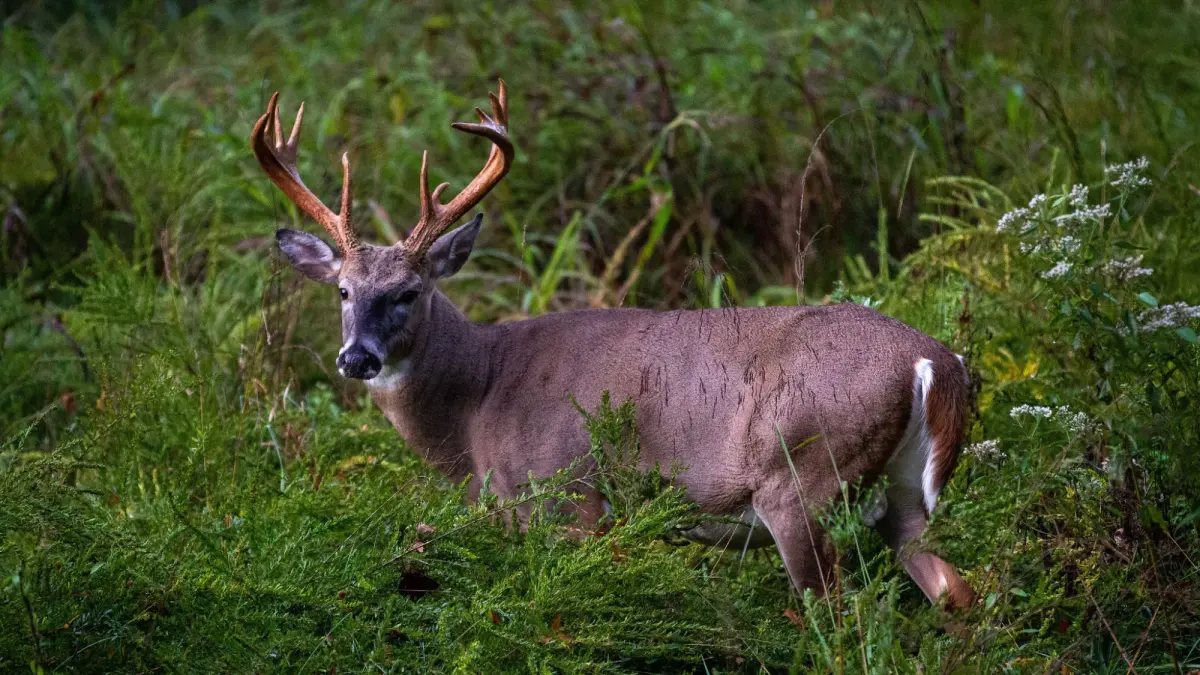
Many people rely on inaccurate physical indicators when trying to guess a deer's age, leading to significant errors. A common mistake is assuming that body size or antler development is a direct reflection of age. While older bucks often have larger antlers, genetics and nutrition play a much larger role in antler growth than age alone. A young, well-fed deer may have larger antlers than an older, malnourished one, making physical appearance a poor metric for aging.
Another frequent error is underestimating the impact of environmental stress on physical development. Observers often mistake a small, stunted deer for a fawn when it may actually be an adult suffering from poor habitat conditions. Relying on behavior, such as boldness or social hierarchy, is also unreliable, as these traits vary greatly between individuals. To avoid these pitfalls, always prioritize dental examination over visual cues like body mass, coat condition, or antler size when attempting to assess the maturity of a deer.
How to support healthy deer populations
Promoting the longevity of local deer populations requires a focus on habitat quality rather than direct human intervention. The most effective way to support deer is to protect their natural environment from fragmentation and degradation. Ensuring that deer have access to diverse native vegetation provides the necessary nutrients for them to survive harsh seasons. When deer are well-nourished, they are better equipped to fight off diseases and survive the natural stresses of their environment.
Practical steps to support healthy deer populations include:
- Planting native trees and shrubs that provide natural browse throughout the year.
- Protecting riparian zones to ensure access to clean water sources.
- Avoiding the use of pesticides that can contaminate food sources and harm local ecosystems.
- Limiting human disturbance in critical wintering areas to reduce energy expenditure during cold months.
- Supporting land conservation efforts that maintain large, connected corridors for animal movement and genetic diversity.
Key facts
- Wild deer typically live between 5 and 10 years, though some individuals may reach 15 years in protected environments.
- Captive deer often live significantly longer than wild counterparts, sometimes reaching 20 years due to regular feeding and veterinary care.
- Predation, vehicle collisions, and harsh winters are the primary factors that shorten the lifespan of wild deer populations.
- Tooth wear patterns are the most reliable biological method used by wildlife biologists to estimate the age of a deceased deer.
- Fawns face the highest mortality rate, with many failing to survive their first year due to predators or malnutrition.
- To help local deer populations, avoid planting invasive species and drive cautiously during dawn and dusk when deer are most active.
The bottom line
While deer are biologically capable of living up to 20 years, most wild deer rarely survive past a decade due to environmental pressures. Factors like predation, disease, and vehicle accidents dictate their lifespan far more than genetics. Understanding these natural limitations helps in managing healthy herds and appreciating the challenges deer face in their daily struggle for survival within diverse and often changing natural habitats.
People also ask
Do male or female deer live longer?
Female deer, or does, generally have a longer life expectancy than male deer, or bucks. This is largely because bucks face higher stress levels during the rutting season and are more frequently targeted by hunters.
How can you tell how old a deer is?
Biologists examine the wear and replacement of teeth on the lower jaw to determine age. By looking at the eruption of permanent teeth and the level of enamel wear, they can estimate the age of a deer with high accuracy.
Do deer die of old age in the wild?
It is rare for a deer to die of old age in the wild because their physical decline makes them vulnerable to predators. As their teeth wear down, they become unable to process food efficiently, leading to malnutrition and susceptibility to disease.
Why do captive deer live longer than wild deer?
Captive deer are protected from natural predators, have constant access to high-quality nutrition, and receive medical treatment for injuries or illnesses. These factors eliminate the most common causes of premature death found in nature.
At what age is a deer considered fully mature
Most deer reach physical maturity between 2 and 3 years of age. While they are capable of breeding earlier, they do not reach their full body size or peak antler development until they pass these initial years.
Does hunting significantly impact the average lifespan of deer?
In areas with high hunting pressure, the average age of the deer population is often lower because fewer individuals survive to reach their full potential lifespan. Wildlife management programs use hunting regulations to balance these populations and maintain healthy age structures.
This answer was created with the help of AI research tools and reference sources. Spotted an error? Let us know — we correct mistakes quickly. See our editorial policy.