What is the fastest animal in the world?
Short answer
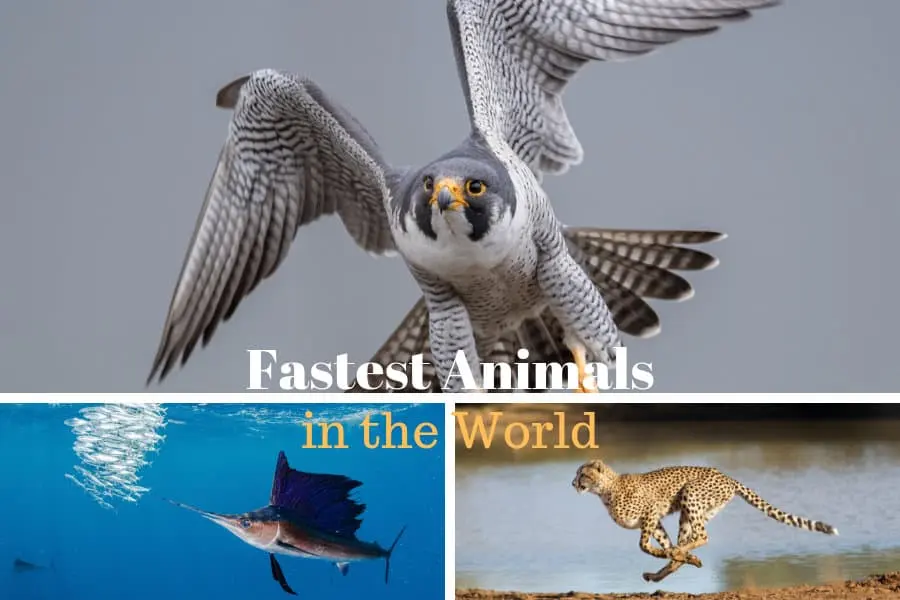
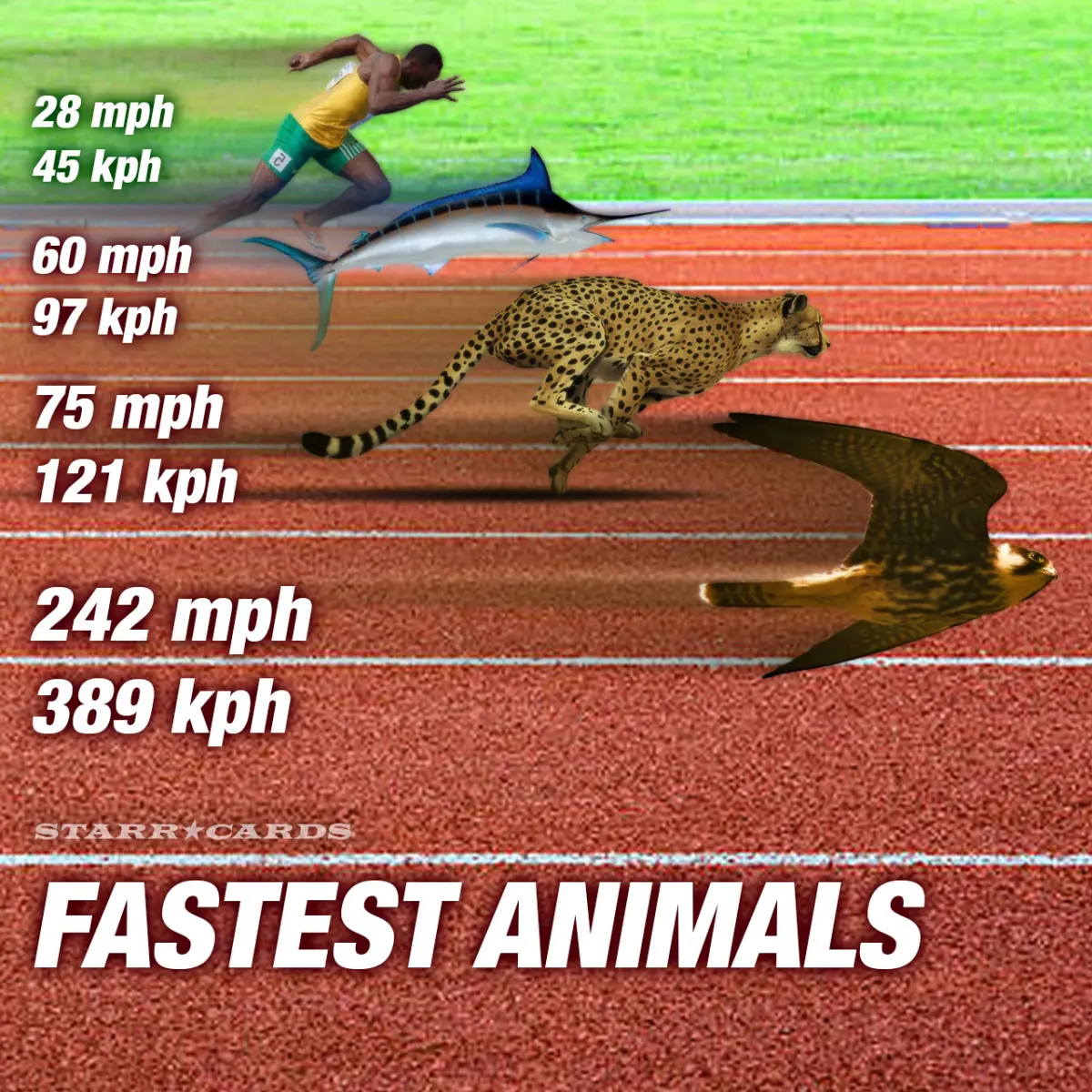
The peregrine falcon is the fastest animal on the planet. When performing its signature high-speed hunting dive, known as a stoop, it reaches speeds exceeding 200 miles per hour (320 kilometers per hour). While other animals are faster in level flight or on land, no creature matches the falcon’s gravity-assisted aerial velocity.
On this page
How fast can a peregrine falcon fly?
The peregrine falcon (Falco peregrinus) holds the undisputed record for the highest speed of any member of the animal kingdom. During a hunting maneuver called a stoop, the bird tucks its wings tightly against its body to become aerodynamic, dropping from great heights to strike prey mid-air. Recorded speeds have consistently topped 200 miles per hour, with some scientific measurements suggesting peaks near 240 miles per hour.
This incredible velocity is not sustained horizontal flight, but rather a controlled dive. In level flight, the peregrine falcon typically cruises at speeds between 40 and 60 miles per hour. The transition from a high-altitude search to a terminal-velocity dive allows the bird to generate the kinetic energy necessary to strike and stun its prey instantly. This biological feat is a result of millions of years of evolutionary pressure to hunt other birds in open skies.
Which animals are the fastest in other categories?
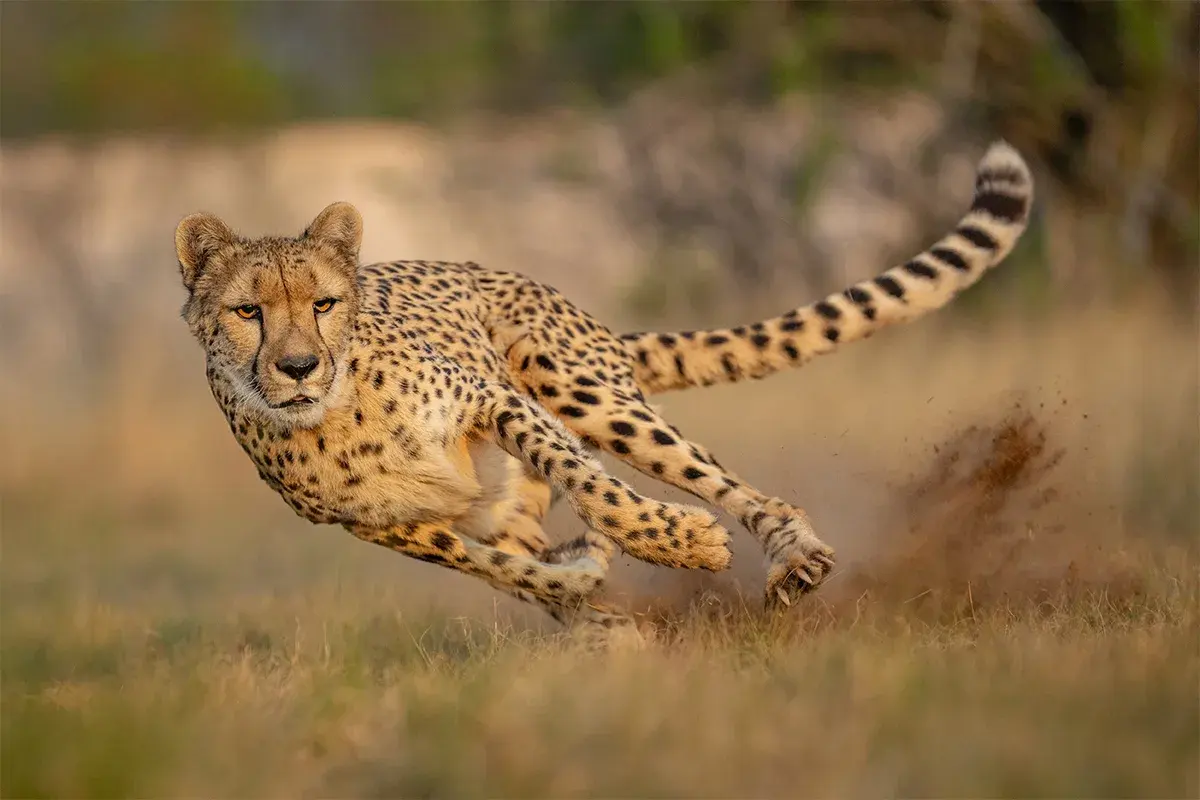
While the peregrine falcon dominates the air, other species hold records in different environments. On land, the cheetah (Acinonyx jubatus) is the undisputed champion, capable of reaching speeds between 60 and 70 miles per hour in short bursts. In the water, the black marlin and the sailfish are often cited as the fastest swimmers, with some estimates suggesting they can reach speeds of 68 to 80 miles per hour.
These animals have evolved specialized physical traits to achieve such high speeds:
- Cheetahs possess a flexible spine and non-retractable claws that act like running spikes for traction.
- Sailfish have a large dorsal fin that can be folded down to reduce drag while swimming.
- Peregrine falcons feature specialized bony tubercles in their nostrils to prevent lung damage from high-pressure air during dives.
- Pronghorn antelope are the fastest long-distance land animals, capable of maintaining 35 miles per hour for several miles.
Why do animals need to be so fast?
Speed is primarily an evolutionary adaptation for survival, serving two main purposes: predation and predator avoidance. For the peregrine falcon, high speed is a hunting tool that allows it to capture agile prey like pigeons or ducks before they can react. The force of the impact is often enough to kill the prey upon contact, minimizing the energy the falcon must spend on a prolonged struggle.
For prey animals like the cheetah or the pronghorn, speed is a defensive mechanism. A cheetah’s acceleration allows it to close the distance to a gazelle before the prey can reach cover. Conversely, the gazelle’s own speed and ability to make sharp, erratic turns are its only defenses against being caught. This "evolutionary arms race" ensures that only the fastest and most efficient individuals survive to pass on their genes to the next generation.
How to observe the fastest animals in the wild
Observing these animals requires patience, the right equipment, and an understanding of their natural habitats. If you are interested in spotting a peregrine falcon, look for high vantage points such as skyscrapers, cliffs, or bridges in urban areas where they often nest. Using high-quality binoculars or a spotting scope is essential, as the birds are often perched hundreds of feet above the ground.
To increase your chances of seeing these animals in action, follow these steps:
- Research the local migration patterns and nesting seasons for peregrine falcons in your region.
- Visit open areas like coastal cliffs or city centers during the early morning or late afternoon when hunting activity peaks.
- Bring a camera with a fast shutter speed to capture the action, as the movements are often too quick for the human eye to track.
- Maintain a respectful distance to avoid disturbing the birds, especially during the nesting season.
Common mistakes when identifying fast animals
A frequent error is confusing top speed with sustained speed. Many people assume a cheetah can maintain its maximum velocity for long periods, but it is actually a sprinter that tires quickly. Another common mistake is relying on outdated or anecdotal speed records. Some older reports of animal speeds were based on inaccurate timing methods or exaggerated observations, leading to myths that persist despite modern GPS tracking technology providing more reliable data.
Furthermore, observers often fail to account for environmental factors like wind speed or slope, which can artificially inflate an animal's recorded velocity. When researching these creatures, always look for data verified by biologists using radar or high-speed video analysis. Avoiding these pitfalls ensures you have an accurate understanding of how these animals move and why they are so effective in their respective niches. By focusing on verified scientific measurements, you can better appreciate the true physical limits of the natural world.
Key facts
- The peregrine falcon is the fastest animal on Earth, reaching diving speeds exceeding 200 mph (322 kph).
- A cheetah is the fastest land animal, capable of sprinting at speeds between 60 and 70 mph (97–113 kph).
- The black marlin is widely considered the fastest fish, with recorded bursts reaching speeds of up to 80 mph (129 kph).
- A peregrine falcon’s "stoop" is a high-speed hunting dive where it tucks its wings to reduce drag and increase velocity.
- Cheetahs can accelerate from 0 to 60 mph in just three seconds, outperforming many high-end sports cars.
- When observing wildlife, avoid chasing or startling animals, as their high-speed bursts consume massive amounts of energy.
The bottom line
The title of the world’s fastest animal depends on the environment, with the peregrine falcon dominating the skies, the cheetah ruling the land, and the black marlin leading in the water. While these creatures possess incredible biological adaptations for speed, these bursts are usually short-lived and reserved for hunting. Understanding these records highlights the remarkable diversity of evolutionary strategies used by nature to survive and thrive.
People also ask
How does the peregrine falcon survive the physical impact of such high speeds?
The falcon possesses specialized bony tubercles in its nostrils that act as baffles to slow down incoming air, allowing it to breathe comfortably while diving. Its nictitating membranes, or third eyelids, also clear debris and protect the eyes from high-pressure wind.
Can a human ever outrun a cheetah?
No, a human cannot outrun a cheetah. While the fastest human, Usain Bolt, reached a top speed of about 27.8 mph, a cheetah can maintain speeds more than double that, making it impossible for a person to escape or catch one on foot.
Why are cheetahs faster than other big cats like lions or tigers?
Cheetahs have evolved a lightweight, aerodynamic frame, non-retractable claws that provide traction like running spikes, and a long tail that acts as a rudder for sharp turns. These physical adaptations prioritize explosive speed over the raw strength required for wrestling large prey.
Do birds fly faster than they dive?
No, horizontal flight is significantly slower than a vertical dive. While a peregrine falcon can reach 200+ mph in a stoop, its level flight speed is typically between 40 and 60 mph.
Are there any insects that can fly faster than birds?
Some insects, such as the horsefly, have been recorded at high speeds, but they generally do not exceed the velocity of a diving falcon. Most insects rely on maneuverability and rapid wing beats rather than sustained high-speed travel.
How do scientists measure the speed of wild animals accurately?
Researchers use high-speed cameras, GPS tracking collars, and radar technology to record animal movements in their natural habitats. These tools allow for precise calculations of velocity, acceleration, and endurance without interfering with the animal's behavior.
This answer was created with the help of AI research tools and reference sources. Spotted an error? Let us know — we correct mistakes quickly. See our editorial policy.