How long do ants live?
Short answer
Ant lifespans vary significantly based on their role within the colony and their species. Worker ants typically live for a few months, while queens can survive for several years or even decades. Environmental factors, such as temperature and predation, also play a critical role in determining the total lifespan of an individual ant.
On this page
How long do worker ants live?
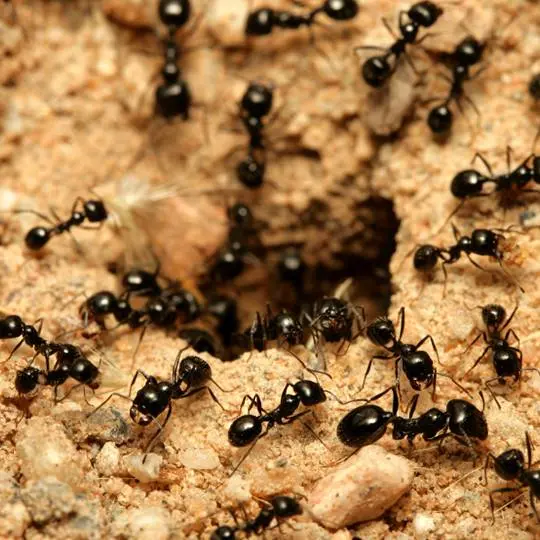
Worker ants are the sterile females responsible for all colony maintenance, foraging, and brood care. In most common species, such as the black garden ant or the pavement ant, these workers live for approximately three to six months. Their lifespan is largely dictated by the intensity of their labor and the external hazards they encounter while foraging for food. Because they are constantly exposed to predators, environmental stressors, and pathogens, few workers reach their biological potential.
In some species, however, workers may live for a year or more if they remain within the protected environment of the nest. Factors that influence these variations include:
- The specific species of the ant.
- The seasonal cycle of the colony.
- The accessibility of food resources.
- The level of protection provided by the nest structure.
When a worker is tasked with high-risk foraging, its life expectancy drops significantly compared to those performing internal duties like tending to the queen or larvae.
How long do queen ants live?
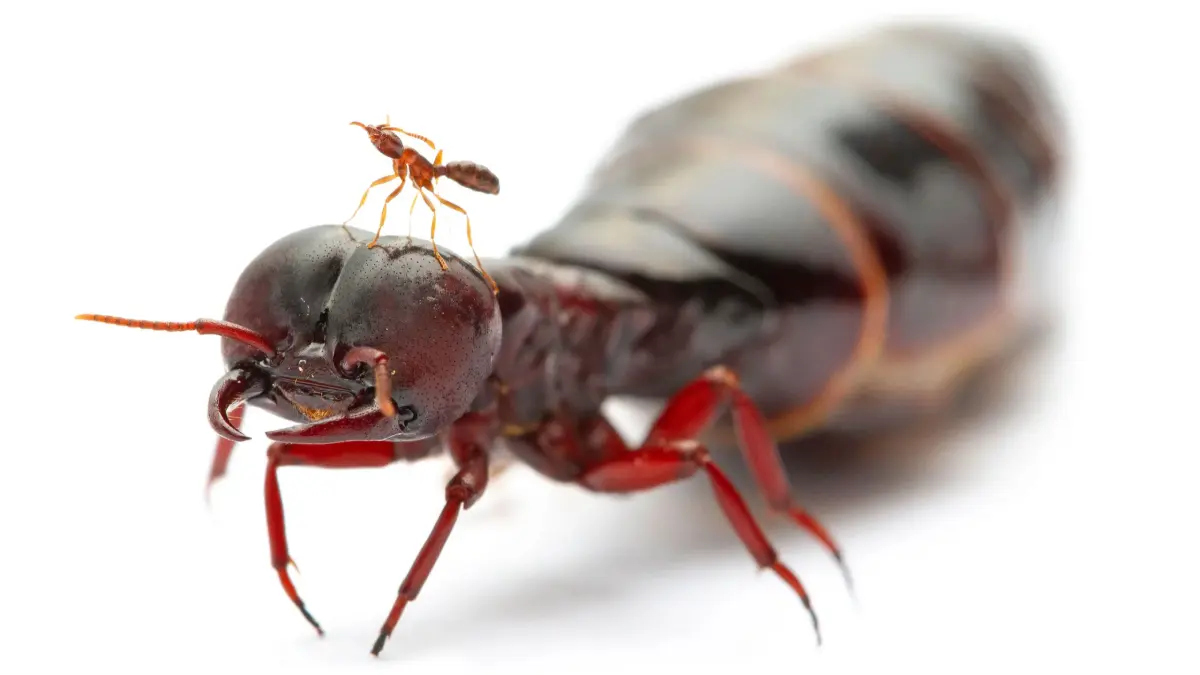
Queen ants are the long-lived matriarchs of the colony, often surviving for several years or even decades. The record for the longest-living ant is held by a queen of the species Lasius niger, which lived for nearly 30 years in captivity. Unlike workers, queens are protected deep within the nest and do not engage in dangerous foraging activities. Their primary biological function is reproduction, and they are cared for by the worker caste, which ensures they remain fed and groomed.
The longevity of a queen is essential for the stability and growth of the colony. Because she is the sole reproductive member, her survival determines the success of the entire social structure. If a queen dies prematurely, the colony may attempt to raise a new queen from existing larvae, but this is a complex process that often leads to the eventual collapse of the colony. Consequently, the queen's environment is highly regulated to maximize her survival.
Why do ant lifespans vary by species?
Biological differences between species account for the vast range of lifespans observed in the ant world. Some species have evolved to prioritize rapid reproduction, resulting in shorter-lived individuals that mature quickly. Others, particularly those living in harsh or unpredictable climates, have developed mechanisms to survive longer periods of dormancy. Size also plays a role, as larger ants often have slower metabolic rates, which can correlate with increased longevity compared to smaller, faster-metabolizing species.
Environmental adaptation is the primary driver of these differences. For instance, ants in tropical regions may experience shorter individual lifespans due to constant activity and high competition. Conversely, ants in temperate zones often undergo a period of hibernation during winter, which effectively pauses their aging process. This seasonal pause allows them to survive for much longer than they would in a climate that supports year-round activity.
Common mistakes when identifying ant ages
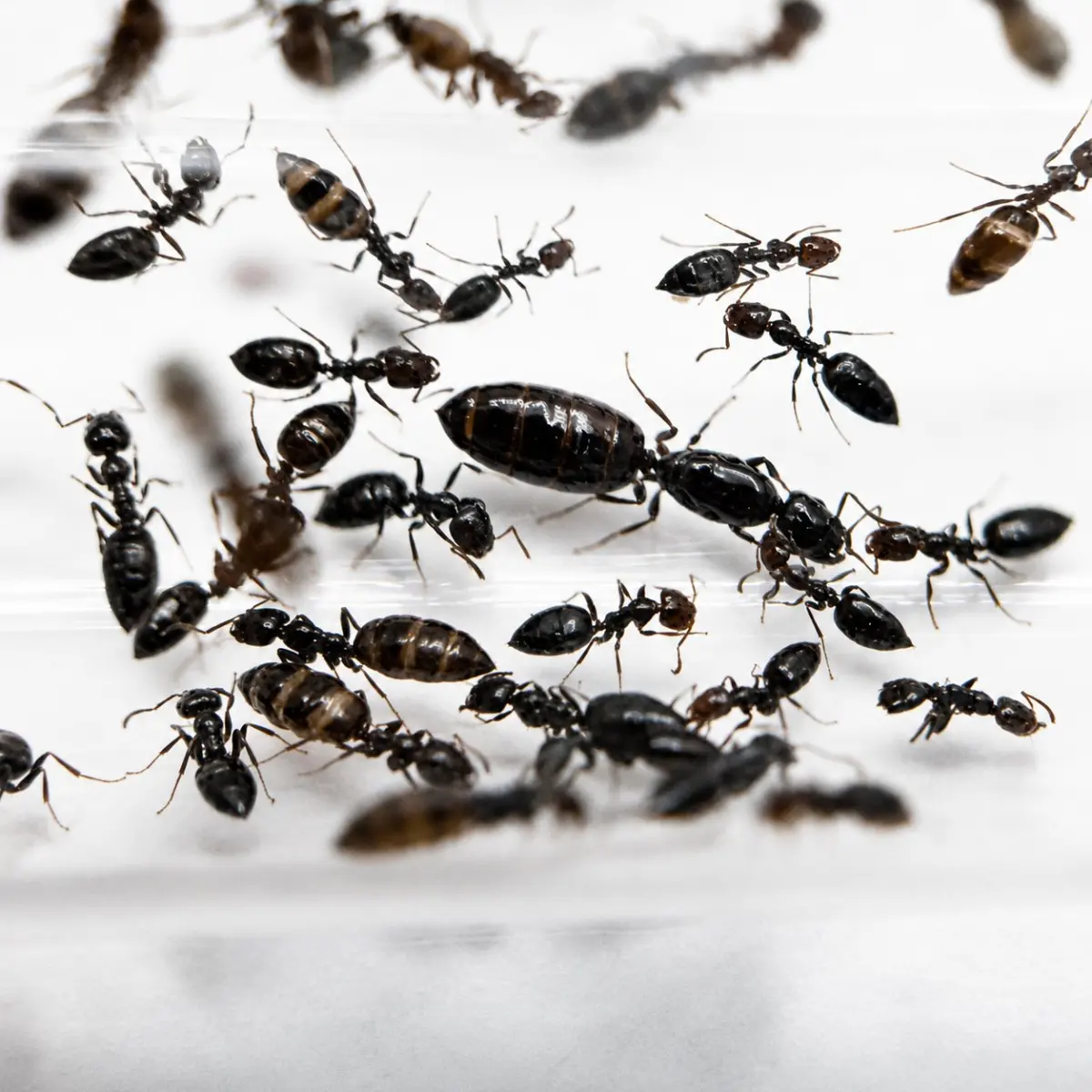
Many people mistakenly assume that all ants within a colony are the same age or that they can determine an ant's age by its size. In reality, size is usually determined by the nutrition the ant received during its larval stage rather than its chronological age. A larger ant is not necessarily older; it is simply a member of a different caste or a better-fed individual. Another common error is assuming that the presence of many ants indicates a long-lived population, when it actually reflects a high rate of reproduction.
To better understand the lifecycle of ants in your area, avoid these common pitfalls:
- Assuming that a single large ant is the queen, as many species have multiple queens or large worker castes.
- Believing that ants found in the house are old, when they are often newly emerged foragers.
- Overlooking the impact of pesticides, which artificially shorten lifespans and disrupt colony age structures.
Focusing on the colony as a whole organism rather than individual ants provides a more accurate picture of their population dynamics.
Best ways to monitor ant colonies
If you are interested in observing ants, the best approach is to create a controlled environment such as an ant farm. This allows you to track the development of individual ants from egg to adult without the interference of outside predators. When setting up an observation space, ensure the habitat is kept at a consistent temperature and moisture level. Watching the interaction between the queen and her workers provides valuable insight into how colony roles are distributed and maintained over time.
To successfully monitor a colony, follow these steps:
- Choose a species that is native to your region to ensure it thrives in local conditions.
- Provide a consistent, balanced diet of sugar-water and protein sources.
- Minimize light exposure, as many ants prefer darkness to feel secure.
- Use a magnifying glass to observe the brood, as larvae and pupae are key indicators of the colony's health.
By maintaining a stable environment, you can observe the natural lifespan of your ants and gain a deeper appreciation for their complex social behaviors and biological resilience.
Key facts
- Worker ants typically live for a few months, while queens can live for several years or even decades.
- The lifespan of an ant is heavily influenced by its caste, species, and environmental conditions.
- A Lasius niger queen has been recorded living for up to 29 years in a controlled laboratory setting.
- Worker ants in many species live between 30 and 90 days, depending on their specific tasks.
- Maintaining a consistent temperature and humidity level is essential if you are keeping ants as pets.
- Avoid exposing ant colonies to direct sunlight or harsh chemicals, as these factors significantly shorten their natural lifespan.
The bottom line
Ant longevity is primarily determined by caste, with queens living vastly longer than the short-lived worker and male populations. While workers may survive only a few months, the queen serves as the foundation of the colony's stability for years. Understanding these biological constraints is crucial for anyone observing or keeping ants, as providing an optimal environment is the only way to support their natural, species-specific life cycle.
People also ask
Do all ants in a colony live for the same amount of time?
No, lifespan varies by caste. Queens live significantly longer than workers because they are protected within the nest and perform different biological functions.
How can I tell if my pet ant is dying?
A dying ant often exhibits lethargic movement, curled legs, or a lack of response to external stimuli. If you notice these signs, check the colony's moisture levels and food supply immediately.
Does the size of an ant species determine how long it lives?
Generally, larger species tend to live longer than smaller ones, but this is not a strict rule. Environmental factors and colony structure play a much larger role in longevity.
Can diet affect how long an ant lives?
Yes, a balanced diet consisting of carbohydrates for energy and proteins for growth is vital. Providing high-quality food sources can help worker ants reach their maximum potential lifespan.
Why do some ants die faster in captivity than in the wild?
Ants in captivity often suffer from improper humidity, inadequate ventilation, or stress from vibrations. Mimicking their natural habitat as closely as possible is the best way to ensure they thrive.
Do male ants live as long as females?
Male ants, or drones, typically have very short lifespans. Their primary purpose is to mate with a queen, after which they usually die within a few weeks.
This answer was created with the help of AI research tools and reference sources. Spotted an error? Let us know — we correct mistakes quickly. See our editorial policy.