What is Science World known for?
Short answer
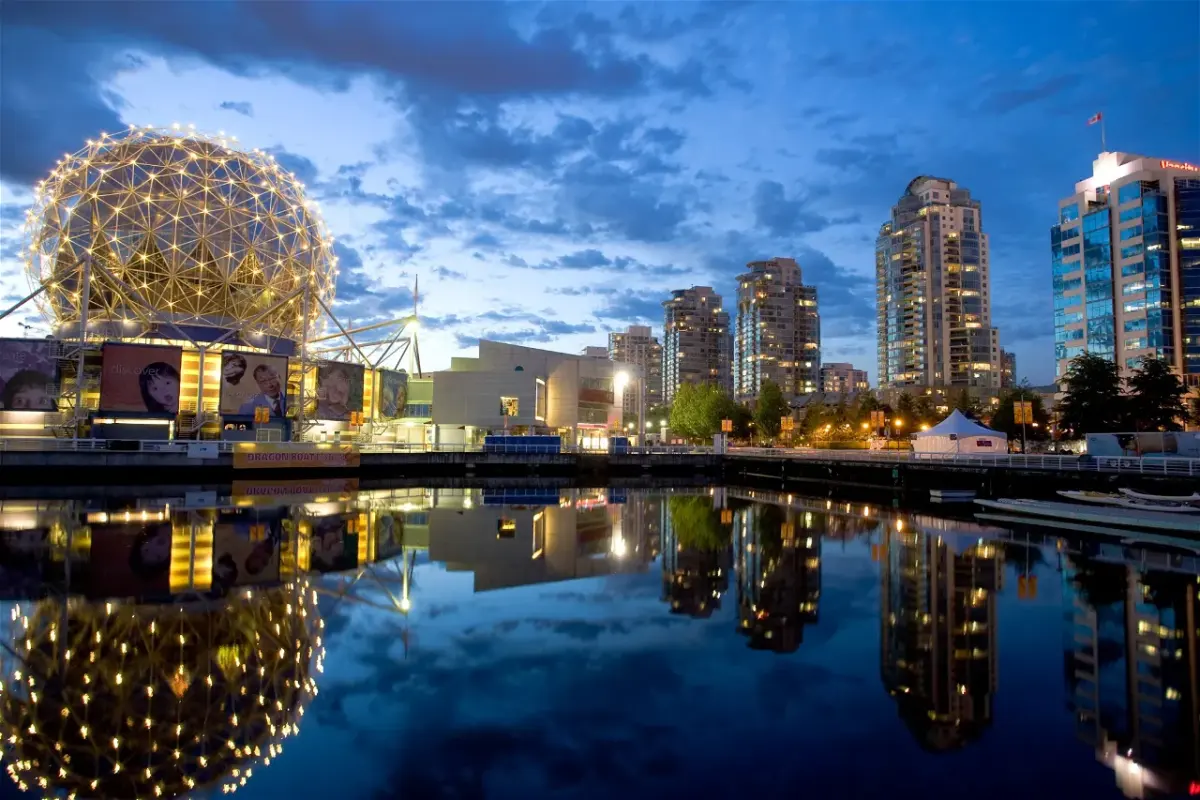
Science World is a renowned non-profit science center in Vancouver, British Columbia, housed within a landmark geodesic dome. It is primarily known for its interactive, hands-on exhibits, educational programming for youth, and its role as a prominent architectural icon on the city’s skyline, particularly when illuminated at night along False Creek.

On this page
Why is the Science World dome famous?
The structure, originally built as the Expo Centre for the 1986 World’s Fair, is one of the largest geodesic domes in the world. Designed by architect Bruno Freschi, the building features a distinctive spherical frame covered in triangular panels. Its futuristic appearance made it an instant symbol of Vancouver’s transition into a modern, technology-focused city.
Beyond its architectural significance, the dome serves as a beacon for scientific literacy. It is situated at the eastern end of False Creek, making it highly visible to commuters and tourists alike. When the sun sets, the dome is illuminated by thousands of LED lights, creating a vibrant reflection on the water. This visual presence has cemented its status as a beloved local landmark that represents curiosity and innovation.
What is there to do at Science World?
Science World offers a wide array of permanent and rotating exhibits designed to engage visitors of all ages. The galleries focus on themes such as physics, biology, and environmental sustainability. Visitors can experiment with water flow in the Wonder gallery, explore human biology in the BodyWorks exhibit, or test physical laws in the Tinkering Space.
The facility also features the OMNIMAX Theatre, which utilizes a massive domed screen to provide immersive documentary experiences. These films often cover natural history, space exploration, and environmental issues, providing a sensory-rich way to learn about the world. To maximize your visit, consider the following approach:
- Arrive early when doors open to avoid the largest crowds in the popular galleries.
- Check the daily schedule for live science demonstrations held in the Peter Brown Family Centre Stage.
- Visit the outdoor Ken Spencer Science Park to learn about urban sustainability and local ecosystems.
How do I plan a visit to Science World?
Planning a trip requires checking the official website for current hours and ticket pricing, as these can fluctuate based on the season. General admission covers all permanent galleries and live shows, though some special exhibitions may require an additional fee. The center is easily accessible via the SkyTrain at Main Street-Science World station, making public transit the most efficient way to arrive.
When preparing for your visit, keep these practical tips in mind:
- Purchase tickets online in advance to skip the box office queue.
- Wear comfortable shoes, as the facility spans multiple levels and requires significant walking.
- Bring a reusable water bottle, as there are filling stations located throughout the building.
- Allow at least three to four hours to fully explore the main exhibits and watch a film.
Common mistakes when visiting Science World
Many visitors underestimate the time required to engage with the interactive displays. Rushing through the galleries often results in missing the nuance of the experiments. It is common for guests to spend too much time in the lobby area, not realizing that the most engaging content is spread across the upper floors.
Another frequent error is failing to check the daily calendar for specific demonstrations. The science shows are highly interactive and often involve volunteers from the audience, which is a highlight for many children. Additionally, visitors sometimes forget that the facility is geared toward families; if you are looking for a quieter experience, try visiting on weekday afternoons during the school year rather than on weekends or holidays when the venue is at maximum capacity.
Why is Science World important for education?
Science World plays a critical role in British Columbia’s educational landscape by providing resources that supplement classroom learning. Through its "Scientists and Innovators in the Schools" program, the organization sends professionals into classrooms to inspire students. This outreach helps bridge the gap between theoretical textbook knowledge and real-world application, fostering an early interest in STEM careers.
The center also hosts professional development workshops for teachers, ensuring that educators have the tools to make science accessible and exciting. By creating a space where failure is viewed as a necessary part of the learning process, Science World helps build critical thinking skills in the next generation. Whether through its massive public displays or its quiet, behind-the-scenes work with school districts, the institution remains a cornerstone of community engagement and lifelong learning for thousands of residents every year.
Key facts
- Science World is housed in the iconic geodesic dome originally built as the Expo Centre for the 1986 World's Fair in Vancouver.
- The facility features over 400 interactive exhibits across multiple galleries, focusing on physics, biology, and environmental science.
- The OMNIMAX Theatre inside the dome is one of the largest of its kind in the world, featuring a massive 27-meter diameter screen.
- Visitors should avoid arriving during peak weekend hours or school holidays to minimize wait times for popular hands-on displays.
- The building is illuminated by over 1,000 programmable LED lights that change colors for special events and awareness campaigns.
- Plan to spend at least three to four hours exploring the galleries to fully experience the rotating feature exhibitions and live science demonstrations.
The bottom line
Science World stands as a premier destination for hands-on learning, blending architectural heritage with modern scientific discovery. By combining its globally recognized geodesic dome with diverse interactive galleries and high-tech cinema, it fosters curiosity in visitors of all ages. Whether you are exploring physics principles or attending an evening event, the center serves as a vital community hub for science literacy in the heart of Vancouver.
People also ask
Is Science World suitable for adults without children?
Yes, the exhibits are designed to be engaging for all ages, and the facility frequently hosts "Science World After Dark" events specifically for adults. These evening sessions feature cocktails, music, and full access to the galleries without younger crowds.
Can I bring my own food into the building?
You are welcome to bring your own snacks and lunch, which can be eaten in the designated picnic areas. However, eating and drinking are strictly prohibited inside the galleries to protect the interactive displays and keep the facility clean.
How do I get to Science World using public transit?
The venue is conveniently located directly next to the Main Street-Science World SkyTrain station. This makes it easily accessible via the Expo Line from anywhere in the Metro Vancouver region.
Are there membership options available for frequent visitors?
Science World offers annual memberships that provide unlimited general admission and discounts on OMNIMAX tickets. This is often the most cost-effective choice if you plan to visit more than twice in a single calendar year.
Does the museum offer educational programs for schools?
The institution provides extensive curriculum-aligned programming for students ranging from kindergarten to grade 12. These include field trip workshops, virtual classroom sessions, and specialized outreach programs that travel to schools across British Columbia.
Is the facility fully wheelchair accessible?
The entire building is designed to be accessible, featuring elevators to all levels and ramps throughout the exhibit galleries. Complimentary wheelchairs are also available at the guest services desk on a first-come, first-served basis.
This answer was created with the help of AI research tools and reference sources. Spotted an error? Let us know — we correct mistakes quickly. See our editorial policy.