What is False Creek known for?
Short answer
False Creek is a vibrant urban inlet in Vancouver, British Columbia, renowned for its transformation from an industrial wasteland into a model of sustainable waterfront living. It is best known for hosting the Expo 86 world’s fair, the iconic Granville Island public market, and its extensive network of scenic seawall pathways.
On this page
Why is False Creek famous?
False Creek serves as the geographic and cultural heart of modern Vancouver. Originally an industrial area filled with sawmills and shipyards, the inlet underwent a dramatic revitalization beginning in the 1970s. This transformation prioritized residential development, public parks, and recreational space over heavy manufacturing, setting a global standard for urban planning.
The area gained international prominence when it served as the primary site for Expo 86. This world’s fair accelerated the development of the region, leading to the construction of the SkyTrain and the conversion of former industrial lands into the bustling neighborhoods seen today. Today, the creek is a hub for water sports, cycling, and tourism, acting as a bridge between the downtown core and the city’s residential west side.
How to explore Granville Island
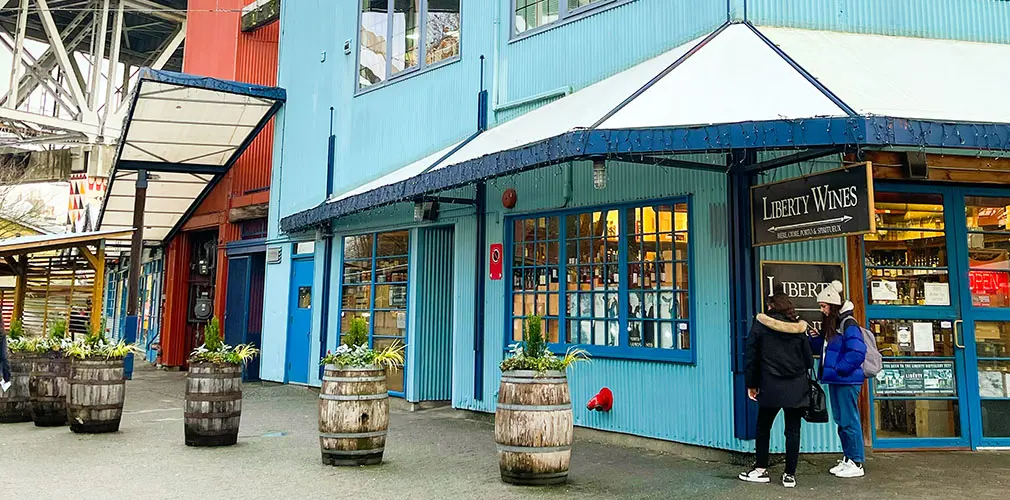
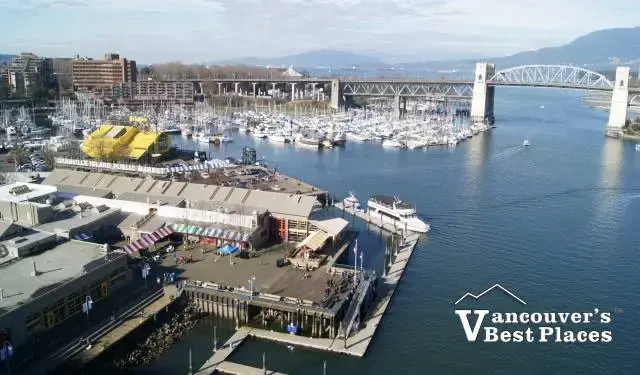
Granville Island is the most visited destination within the False Creek basin. Formerly a manufacturing hub, it is now a pedestrian-friendly district featuring the famous Public Market, artisan studios, and performing arts venues. Visitors can reach the island by driving, cycling, or taking the colorful Aquabus ferries that crisscross the water.
To make the most of a visit to the island, consider these steps:
- Start at the Public Market to sample local cheeses, fresh seafood, and baked goods.
- Walk through the Net Loft building to discover handmade jewelry, stationary, and local art.
- Visit the Kids Market if traveling with family, which features indoor play areas and toy shops.
- Catch a live performance at the Waterfront Theatre or browse the many galleries along the docks.
Best ways to travel around the water
The most efficient way to navigate False Creek is via the water taxi services, specifically the Aquabus or False Creek Ferries. These small, distinctively shaped boats provide frequent service between various docks, including Granville Island, Science World, and Yaletown. They offer a unique perspective of the city skyline that land-based transit cannot match.
For those who prefer staying on land, the False Creek Seawall is a premier destination for exercise and sightseeing. This paved path is part of the larger Vancouver seawall system and is strictly divided into walking and cycling lanes. Whether you choose to walk, jog, or rent a bicycle, the route provides a flat, accessible path that circles the entire perimeter of the inlet.
Common mistakes when visiting False Creek
Many visitors underestimate the popularity of the area during peak summer months and weekends. A common mistake is attempting to drive and park on Granville Island during Saturday afternoons, as parking lots frequently reach capacity by mid-morning. It is almost always more convenient to park at a nearby lot and walk, or use public transit and the ferry system.
Another error is ignoring the designated lane markings on the seawall. The path is heavily used by commuters and high-speed cyclists, making it dangerous for pedestrians to wander into the cycling lanes. Always stay to the right, keep pets on short leashes, and be aware of your surroundings to ensure a safe and pleasant experience for everyone sharing the public space.
What to see near Science World
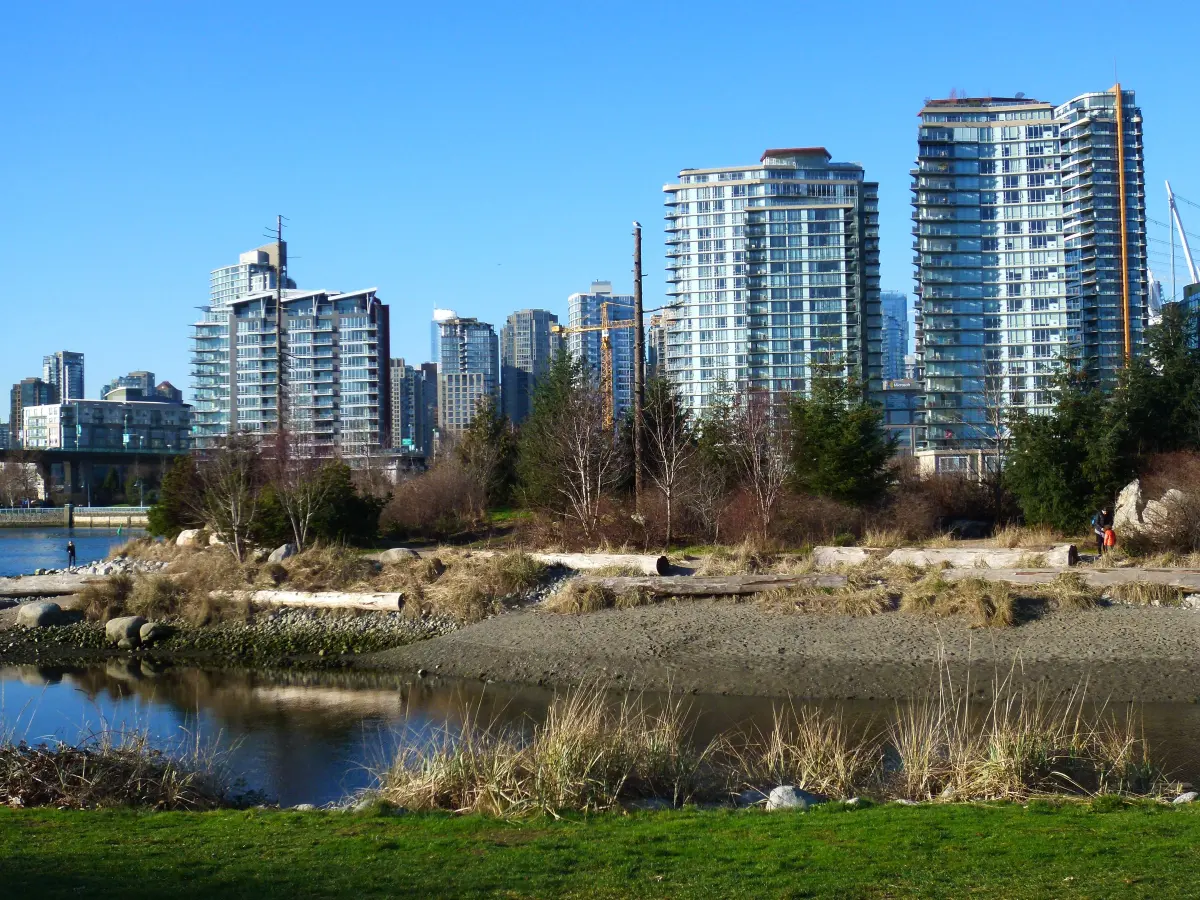
Located at the eastern end of the creek, Science World is housed in the geodesic dome originally constructed for Expo 86. This landmark is easily recognized by its reflective exterior and serves as a major educational center for families. The surrounding area, known as Olympic Village, offers a modern look at sustainable architecture and high-density urban living.
The area offers several unique features for visitors:
- The Creekside Community Centre, which provides recreational facilities and public art installations.
- Hinge Park, a naturalized wetland area that showcases local flora and urban water management.
- The Habitat Island, a man-made park designed to encourage local wildlife and bird populations to return to the urban environment.
- Various outdoor patios and restaurants that provide panoramic views of the downtown skyline reflected in the calm waters of the inlet.
Key facts
- False Creek is a short, sheltered inlet in the heart of Vancouver, British Columbia, separating the downtown peninsula from the city's southern neighborhoods.
- It served as the primary site for Expo 86, a world’s fair that transformed the area from industrial wasteland into a model for high-density urban living.
- The False Creek Seawall is a 28-kilometer-long path that attracts millions of pedestrians, cyclists, and joggers annually for recreational use.
- Granville Island, located mid-creek, is a premier tourist destination famous for its public market, artisan workshops, and performing arts venues.
- The area is home to the False Creek Ferries and Aquabus, small passenger vessels that provide a unique, scenic transit service across the inlet.
- Visitors should avoid swimming in the water, as the inlet is an urban waterway that occasionally experiences poor water quality due to runoff.
The bottom line
False Creek stands as a global success story in urban planning, having evolved from a polluted industrial zone into a vibrant, high-density residential and recreational hub. By integrating public transit, extensive pedestrian infrastructure, and cultural landmarks like Granville Island, it offers a blueprint for modern city living. For visitors, it provides the quintessential Vancouver experience, blending natural beauty with accessible, human-centric design in the city center.
People also ask
Can you swim in False Creek?
Swimming is strongly discouraged due to fluctuating water quality and significant marine traffic. The city regularly monitors the water, and it is safest to stick to the nearby public beaches like Kitsilano or English Bay for swimming.
What is the best way to travel around False Creek?
The most practical and enjoyable way to traverse the inlet is by using the small passenger ferries that stop at various points along the shore. Alternatively, renting a bicycle to navigate the flat, scenic Seawall is a popular choice for visitors.
Is Granville Island an actual island?
While it is called an island, it is technically a sandspit that was transformed into an industrial manufacturing area in the early 20th century. It is connected to the mainland by a road and remains a bustling hub for food and crafts.
What are the main landmarks to see in False Creek?
Key landmarks include the iconic geodesic dome of Science World, the Granville Island Public Market, and the modern residential towers of the Olympic Village. Each offers a distinct glimpse into the area's transition from industrial port to urban residential space.
Are there parks located along False Creek?
Yes, the area features several waterfront parks, including Hinge Park, Charleson Park, and David Lam Park. These spaces provide green areas for picnics, sports, and views of the downtown skyline.
How did False Creek get its name?
The name originated from a surveying error in 1859 by Captain George Henry Richards, who mistook the inlet for a larger passage. He named it "False Creek" after realizing it was merely a dead-end waterway rather than a through-channel.
This answer was created with the help of AI research tools and reference sources. Spotted an error? Let us know — we correct mistakes quickly. See our editorial policy.