What is the Okanagan known for?
Short answer
The Okanagan Valley in British Columbia is world-renowned for its thriving viticulture, sun-drenched climate, and extensive lake systems. As Canada’s premier fruit-growing region, it attracts millions of visitors annually to its award-winning wineries, pristine beaches, and diverse recreational landscapes, making it a central hub for agriculture, tourism, and outdoor lifestyle enthusiasts.
On this page
Why is the Okanagan famous for wine?
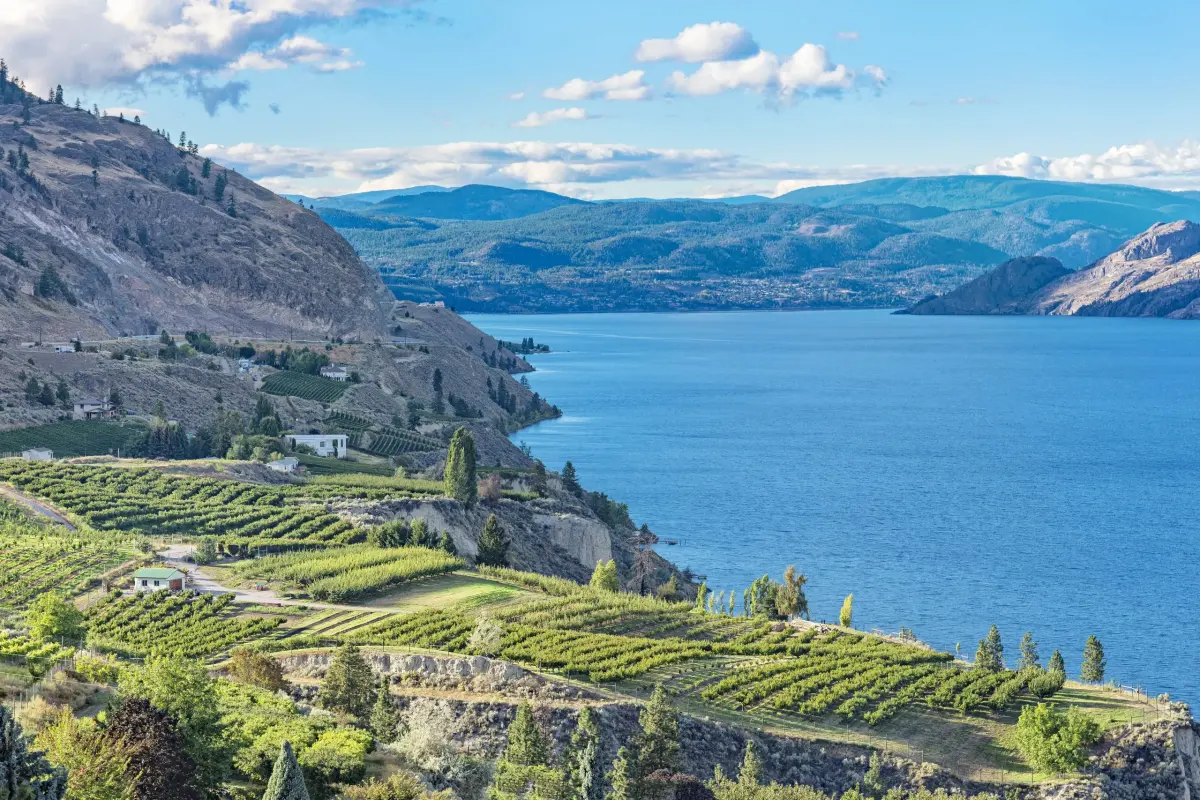
The Okanagan Valley benefits from a unique semi-arid climate and a long, hot growing season that allows for the production of high-quality cool-climate and warm-climate grapes. Stretching over 250 kilometers from the U.S. border to the north of Vernon, the region features diverse soil compositions and microclimates that support more than 200 licensed wineries. The valley is particularly celebrated for its crisp Rieslings, complex Chardonnays, and robust Merlots, which have gained international acclaim at prestigious global competitions.
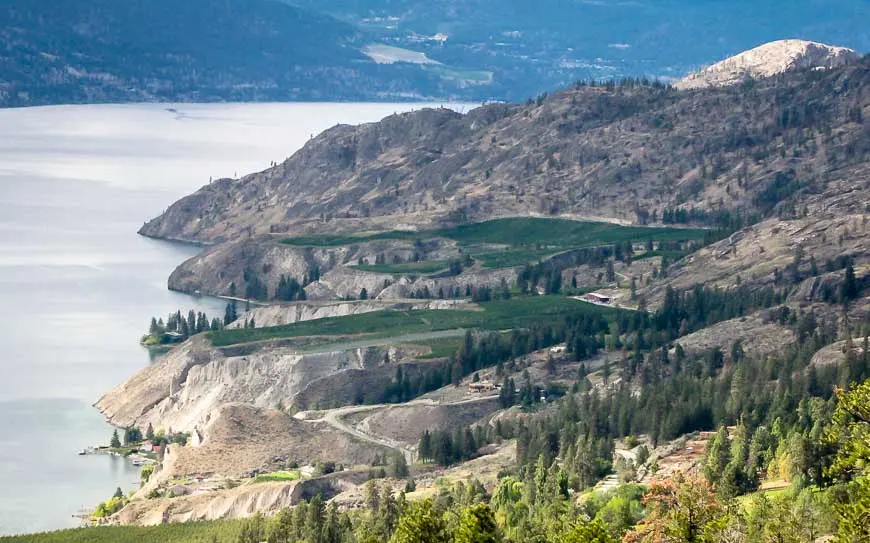
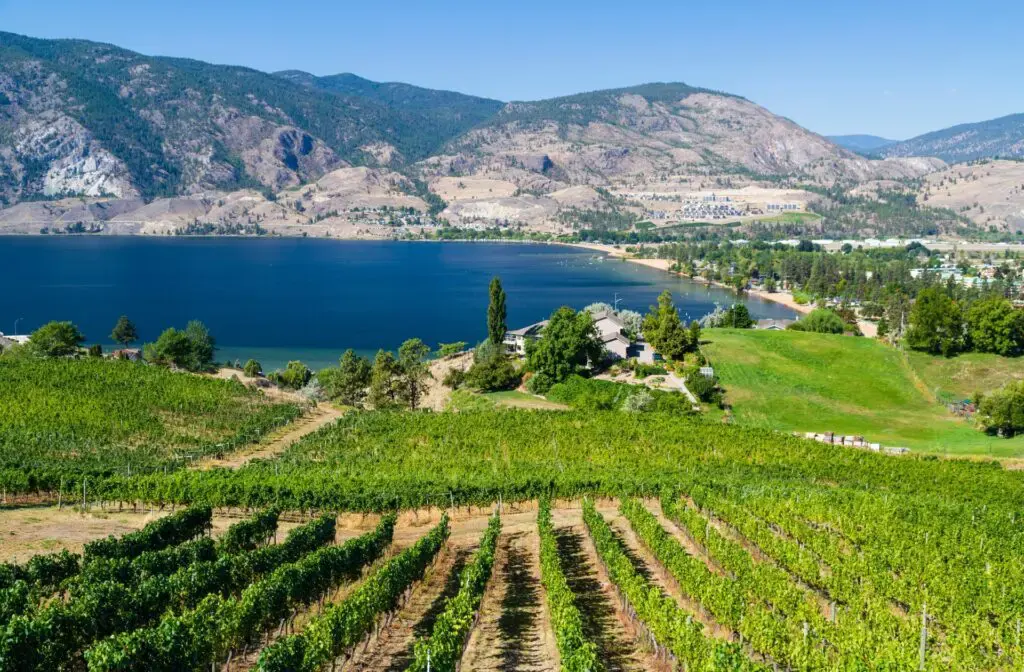
The region's success is largely attributed to the moderating influence of the massive Okanagan Lake, which prevents extreme temperature fluctuations. This allows winemakers to achieve a delicate balance of acidity and sugar in their fruit. Many visitors explore the area via the "Wine Trails," which are organized by sub-regions such as the Naramata Bench, Kelowna, and the Golden Mile Bench in Oliver. Whether you are a casual sipper or a serious oenophile, the region offers a sophisticated tasting experience set against dramatic mountain backdrops.
Best time of year to visit the Okanagan
The peak tourist season in the Okanagan runs from June through August, when temperatures frequently exceed 30 degrees Celsius. This period is ideal for those looking to enjoy water sports on Okanagan Lake, Skaha Lake, or Osoyoos Lake. However, the shoulder seasons of May and September offer a more tranquil experience with pleasant weather, fewer crowds, and the added benefit of harvest activities. September is particularly vibrant as the vineyards begin their transformation into golden hues.
If you are planning a trip, consider these seasonal highlights:
- June: The start of the cherry season and ideal temperatures for hiking.
- July and August: Peak beach weather, outdoor concerts, and bustling winery patios.
- September: The grape harvest, known as "crush," and the Okanagan Fall Wine Festival.
- October: Lower prices for accommodations and stunning autumn foliage throughout the valley.
- Winter: Skiing at Big White or SilverStar resorts located in the surrounding highlands.
How to plan a winery tour safely
Navigating the valley’s wine country requires careful planning, especially since many wineries are spread across rural roads. To maximize your experience, focus on one sub-region per day to minimize driving time and allow for a more immersive visit. Always book your tastings in advance, as popular estates often reach capacity during the summer months. Most importantly, prioritize safety by utilizing local transportation services or guided tour operators who provide door-to-door shuttle service.
Follow these steps to ensure a smooth excursion:
- Research the specific sub-region you wish to visit to minimize travel time between stops.
- Book appointments online at least two weeks in advance for high-demand wineries.
- Arrange for a designated driver or hire a professional wine tour company.
- Eat a substantial meal before starting your tastings to manage alcohol absorption.
- Bring a reusable water bottle to stay hydrated between winery visits.
Common mistakes when visiting the Okanagan
A frequent error travelers make is underestimating the size of the valley and the time required to travel between towns. The Okanagan is nearly 200 kilometers long, and traffic during the summer months can significantly slow transit on Highway 97. Another common oversight is failing to dress for the climate; while it is hot during the day, temperatures can drop rapidly in the evening. Visitors often arrive unprepared for the intense sun, so packing high-SPF sunscreen and wide-brimmed hats is essential for outdoor activities.
Another mistake is assuming that all wineries accept walk-ins. While some smaller estates may accommodate spontaneous visitors, many of the most sought-after locations require reservations to ensure a high-quality experience. Additionally, avoid scheduling too many stops in a single day. Three to four wineries are generally the maximum for an enjoyable day, as rushing through tastings prevents you from appreciating the nuances of the local viticulture. Pace yourself, enjoy the scenery, and remember to purchase a few bottles to take home as souvenirs.
What outdoor activities are available besides wine?
Beyond the vineyards, the Okanagan is a premier destination for outdoor adventure and water-based recreation. The region’s geography, defined by steep mountains and deep, glacial lakes, creates a playground for boating, paddleboarding, and kayaking. In the northern reaches of the valley, the terrain shifts into high-altitude forests that are perfect for mountain biking and hiking. During the winter months, the region transitions into a world-class skiing destination, with Big White Ski Resort near Kelowna and SilverStar near Vernon offering extensive alpine and Nordic trails.
For those seeking a more relaxed pace, the valley is home to numerous golf courses that take advantage of the dramatic landscape and dry climate. The region also boasts an extensive network of cycling paths, including the Kettle Valley Rail Trail, which allows cyclists to traverse historic trestle bridges and tunnels with panoramic views of the valley floor. Whether you are looking for an adrenaline-filled mountain excursion or a quiet afternoon on a sandy beach, the Okanagan provides a diverse range of activities that cater to every type of traveler.
Key facts
- The Okanagan Valley, located in British Columbia, Canada, is home to over 180 licensed wineries, with the region producing roughly 80 percent of the province’s wine.
- Okanagan Lake dominates the landscape, stretching 135 kilometers long and serving as a central hub for recreational boating, swimming, and fishing.
- The region experiences a semi-arid climate, making it one of the warmest areas in Canada and ideal for growing peaches, cherries, apricots, and apples.
- Kelowna, the valley’s largest city, serves as the primary economic and cultural center, featuring an international airport that handles over two million passengers annually.
- Visitors should avoid visiting during the peak of summer wildfire season in July and August, as smoke can significantly impact air quality and outdoor visibility.
- When planning a wine tour, book tastings in advance, as many boutique wineries require reservations and cannot accommodate walk-in groups during the busy harvest season.
The bottom line
The Okanagan Valley is a premier Canadian destination defined by its stunning lake vistas, expansive vineyards, and high-quality fruit production. Whether you are exploring the semi-arid landscapes of the south, skiing in the northern mountains, or touring the hundreds of wineries surrounding Kelowna, the region offers a diverse mix of outdoor adventure and culinary excellence that caters to travelers seeking both relaxation and active exploration.
People also ask
What is the best time of year to visit the Okanagan?
The best time to visit is from June through September for warm weather and lake activities. If you prefer wine tasting without the crowds, consider visiting during the shoulder seasons of May or October.
Are there any famous legends associated with the Okanagan?
The region is famous for the legend of the Ogopogo, a lake monster said to inhabit Okanagan Lake. While no scientific evidence exists to support its presence, it remains a significant part of local folklore and tourism branding.
What outdoor activities are available in the winter?
The valley is home to world-class ski resorts like Big White and SilverStar Mountain Resort. These locations offer extensive downhill skiing, snowboarding, and cross-country trails from late November through early April.
Is the Okanagan considered a desert?
The southern portion of the valley, particularly near Osoyoos, is classified as a semi-arid shrub-steppe, often referred to as Canada’s only desert. This unique ecosystem supports rare plant and animal species not found elsewhere in the country.
How do I get around the Okanagan without a car?
Public transit is limited between towns, so renting a car is highly recommended for exploring the region. Some tour operators offer shuttle services for wine tours, which is a safer alternative to driving after tastings.
What are the most popular fruits grown in the region?
The valley is renowned for its stone fruits, including cherries, peaches, and nectarines. Apple orchards also remain a staple of the local agricultural industry, dating back to the late 19th century.
This answer was created with the help of AI research tools and reference sources. Spotted an error? Let us know — we correct mistakes quickly. See our editorial policy.