How long do woodpeckers live?
Short answer
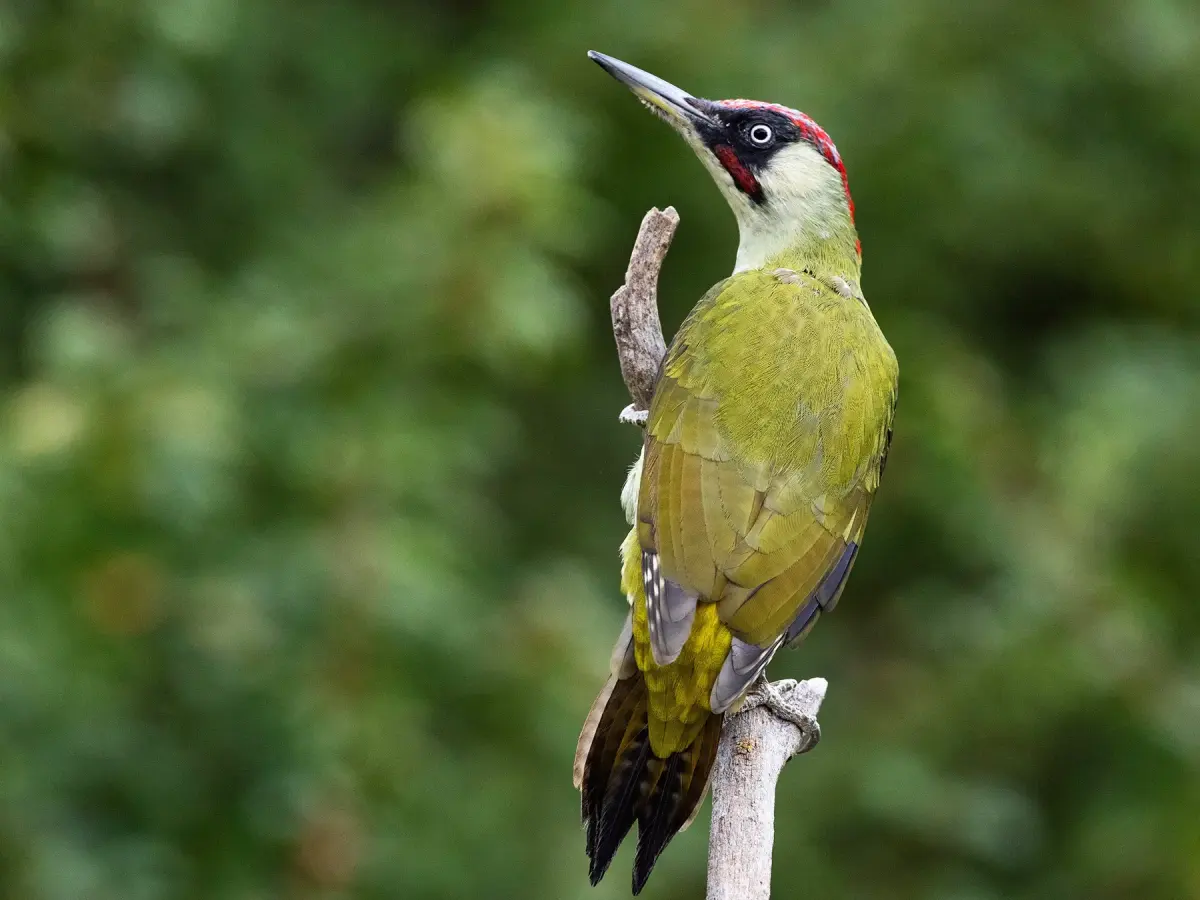
Most woodpeckers live between 4 and 12 years in the wild, though lifespans vary significantly by species and environmental conditions. Smaller species like the Downy Woodpecker often live 5 to 7 years, while larger birds such as the Pileated Woodpecker can survive for 10 to 12 years or more under ideal circumstances.
On this page
How long do different woodpecker species live?
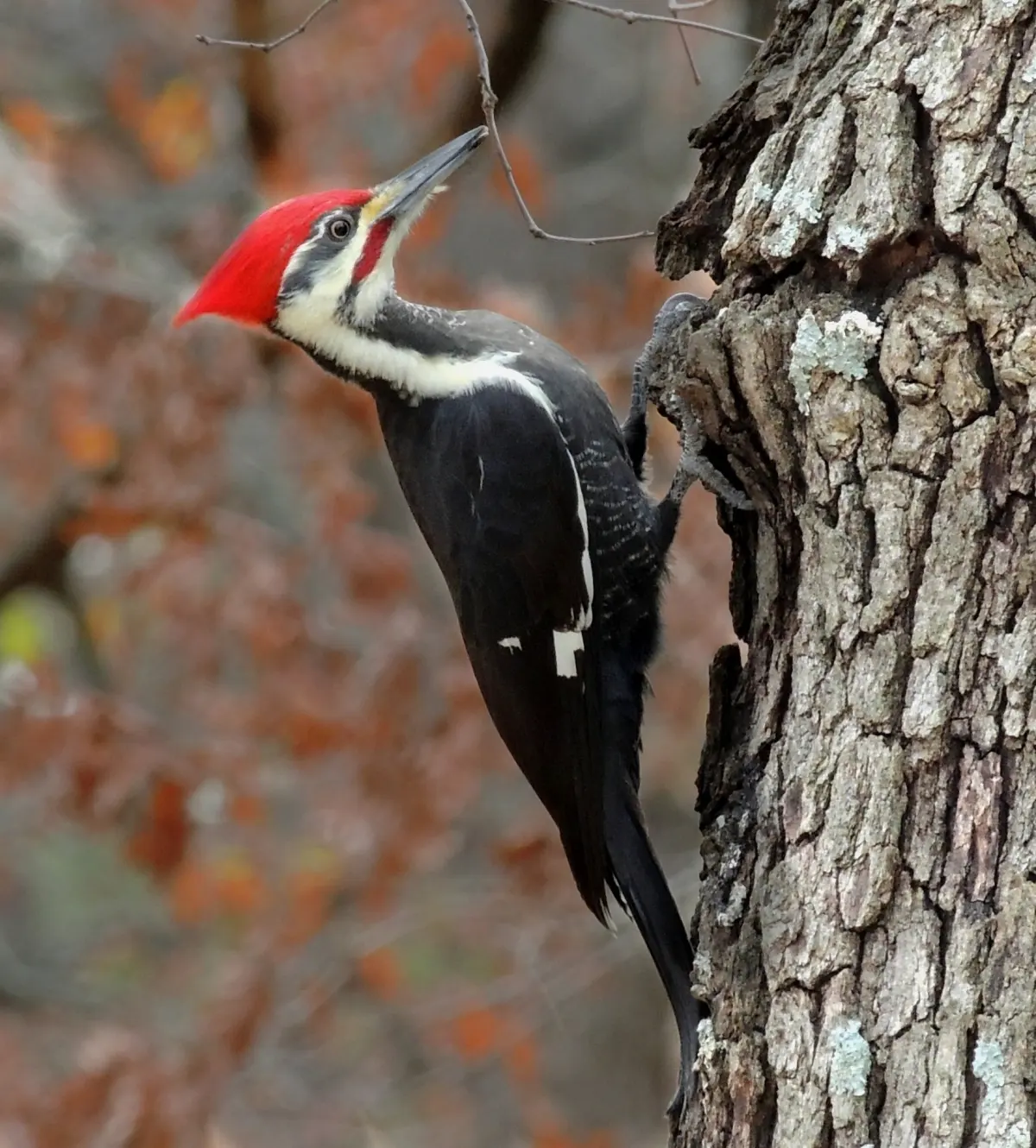
Lifespan in woodpeckers is heavily influenced by body size and metabolic rates. Smaller species, such as the Downy Woodpecker, typically face higher predation risks and have shorter lifespans, averaging around 5 to 7 years. In contrast, larger, more robust species like the Pileated Woodpecker have fewer natural predators and can live significantly longer, often reaching 10 to 12 years in the wild.
Environmental factors also play a critical role in determining these figures. Birds living in protected habitats with abundant food sources and nesting sites tend to live longer than those in fragmented or urbanized landscapes. While some individuals have been recorded living past 15 years, these cases are considered exceptional outliers rather than the norm. Most woodpeckers face significant mortality risks during their first year of life, primarily due to weather, starvation, and predation.
- Downy Woodpecker: 5–7 years
- Hairy Woodpecker: 6–8 years
- Red-headed Woodpecker: 8–10 years
- Pileated Woodpecker: 10–12+ years
Why do woodpecker mortality rates vary?
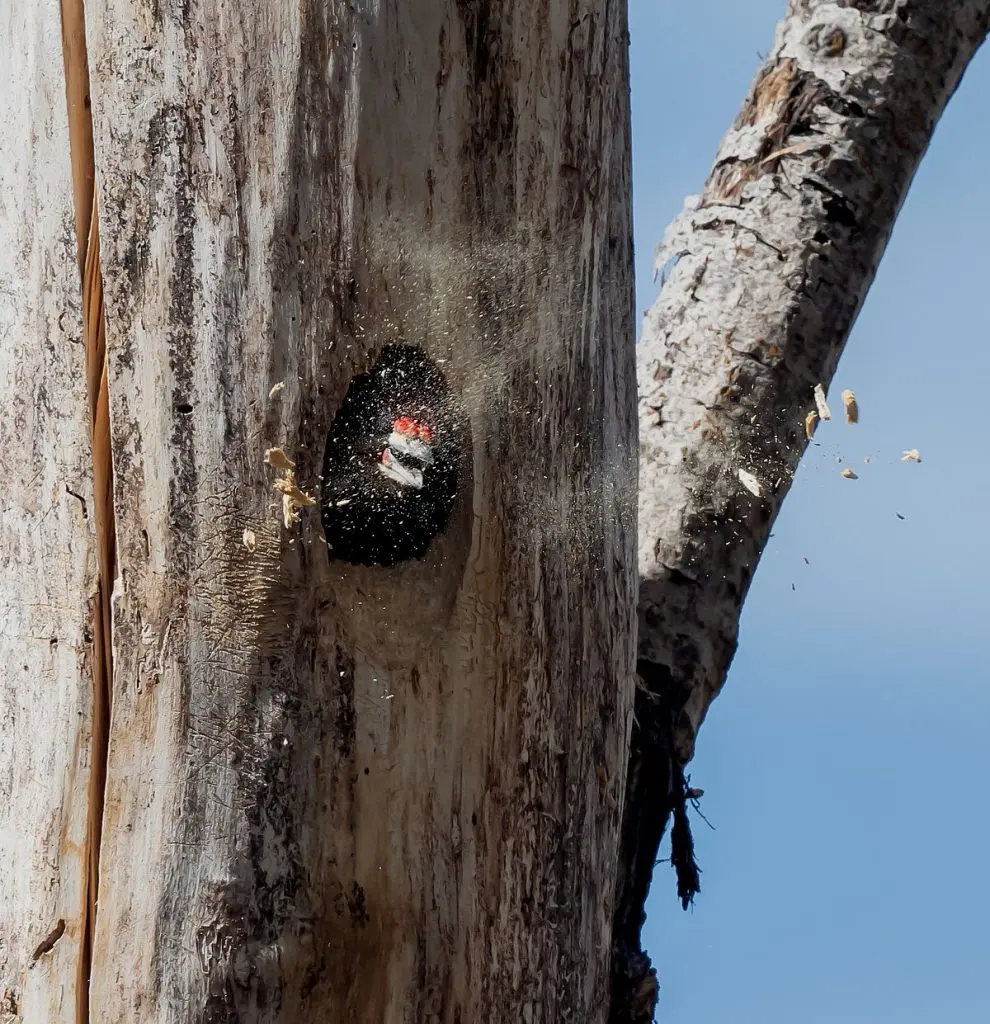
The primary threats to woodpecker survival include habitat loss, predation, and disease. Because woodpeckers rely on dead or decaying trees for nesting and foraging, the removal of "snags" or dead timber significantly reduces their ability to survive. When a forest is managed too aggressively for timber, the loss of these essential resources forces birds into suboptimal territories where food is scarce and protection from the elements is minimal.
Predation is another major factor, especially for fledglings and nesting birds. Common predators include hawks, owls, snakes, and even domestic cats. Because woodpeckers are relatively noisy and active during the day, they are often visible to aerial hunters. Furthermore, extreme weather events like severe winters or prolonged droughts can devastate local populations. When food sources like wood-boring insects become unavailable due to freezing temperatures, mortality rates spike, particularly among younger, less experienced birds that have not yet established prime territories.
How to support woodpeckers in your backyard
Creating a bird-friendly environment can help local woodpecker populations thrive and potentially extend their lifespans. Providing a consistent source of food and shelter is the most effective way to attract and sustain these birds. By mimicking their natural habitat, you can provide a safe haven that reduces the energy they must spend searching for resources.
- Install suet feeders during the winter months when insects are difficult to find.
- Leave dead trees or large branches standing if they do not pose a safety hazard to your home.
- Plant native trees that produce nuts or berries, such as oaks or dogwoods, to provide natural food sources.
- Avoid using pesticides in your yard, as these chemicals kill the insects that woodpeckers rely on for protein.
One common mistake is using low-quality suet that contains fillers like corn or wheat, which provide little nutritional value. Always opt for high-fat, pure beef suet to ensure the birds receive the energy they need to survive cold nights.
Common mistakes when attracting woodpeckers
Many well-meaning homeowners unintentionally create hazards for woodpeckers while trying to attract them. A frequent error is placing feeders too close to windows, which can lead to fatal collisions. Because woodpeckers are often focused on the food, they may not notice the reflection of the sky in the glass. Placing feeders at least 30 feet away from windows or using decals to break up reflections can prevent these accidents.
Another mistake is failing to clean bird feeders regularly. Moldy or spoiled suet can harbor bacteria that cause avian diseases, which spread rapidly through a local population. You should scrub feeders with a mild bleach solution every few weeks to keep them sanitary. Additionally, avoid using "birdhouses" that are not specifically designed for woodpeckers. Woodpeckers require deep, dark cavities to feel secure; standard songbird boxes often lead to nest failure because they are too shallow or lack the necessary interior texture for the birds to grip.
How to identify a healthy woodpecker
Observing woodpeckers in the wild requires patience and an understanding of their behavior. A healthy woodpecker is typically characterized by high energy levels, persistent foraging, and clear, bright plumage. You will often see them moving vertically up tree trunks with a purposeful, rhythmic motion, using their stiff tail feathers for support. If you notice a bird that appears lethargic, has matted feathers, or remains on the ground for extended periods, it may be sick or injured.
When watching these birds, look for signs of successful nesting, such as adults carrying food to a hole in a tree. This indicates that the habitat is supporting a breeding pair. By keeping a respectful distance and using binoculars, you can enjoy their presence without causing stress. Remember that these birds are highly territorial; if you see two woodpeckers fighting, they are likely defending their food supply or nesting site, which is a normal part of their lifecycle and not a cause for alarm.
Key facts
- Most woodpecker species have an average lifespan of 4 to 11 years in the wild.
- The Downy Woodpecker, North America’s smallest, typically lives about 2 to 5 years.
- Larger species like the Pileated Woodpecker can live up to 10 to 12 years in optimal conditions.
- Predation by hawks, snakes, and domestic cats remains the leading cause of premature death.
- Habitat loss and the removal of dead trees, known as snags, significantly reduce local population longevity.
- Avoid using chemical pesticides in your yard, as these toxins accumulate in the insects woodpeckers consume.
The bottom line
While woodpecker lifespans vary significantly by species and environmental pressures, most wild birds live between four and eleven years. Their survival depends heavily on access to dead trees for nesting and a consistent supply of insects. By maintaining natural habitats, minimizing pesticide use, and installing window protection, homeowners can create a safer environment that supports the long-term health and vitality of these remarkable avian excavators.
People also ask
Why do woodpeckers drill holes in trees?
Woodpeckers drill into trees primarily to forage for wood-boring insects and larvae hidden beneath the bark. They also excavate cavities to create safe nesting sites for raising their young.
How can I tell if a woodpecker is healthy?
A healthy woodpecker displays alert behavior, maintains smooth, clean feathers, and exhibits strong, rhythmic drumming. If a bird appears lethargic, has matted plumage, or sits on the ground for extended periods, it may be injured or ill.
Do woodpeckers reuse their nesting holes?
Most woodpeckers do not reuse the same hole for nesting, preferring to excavate a fresh cavity each season. However, these abandoned holes provide essential housing for secondary cavity nesters like bluebirds, chickadees, and owls.
What should I feed woodpeckers to help them live longer?
Offering high-energy foods like suet, black oil sunflower seeds, and unsalted peanuts provides vital nutrients during harsh winters. Ensure suet feeders are cleaned regularly to prevent the spread of bacteria and avian diseases.
Do woodpeckers get headaches from pecking?
Woodpeckers possess specialized anatomical adaptations, including a spongy, shock-absorbing skull and a tongue that wraps around their brain to protect it from impact. These features allow them to drum thousands of times per day without sustaining brain damage.
How can I protect woodpeckers from window collisions?
Window strikes are a major cause of mortality; apply external decals, screens, or film to glass surfaces to make them visible to birds. Placing feeders within three feet of a window also prevents birds from gaining enough speed to cause injury if they strike.
This answer was created with the help of AI research tools and reference sources. Spotted an error? Let us know — we correct mistakes quickly. See our editorial policy.