Why do cats purr?
Short answer
Cats purr primarily to communicate contentment, but they also use the sound as a self-soothing mechanism during stress or pain. The rhythmic vibration is produced by the rapid twitching of laryngeal muscles and the diaphragm. Beyond social bonding, this frequency may even promote healing by improving bone density and tissue repair.
On this page
Why do cats purr?
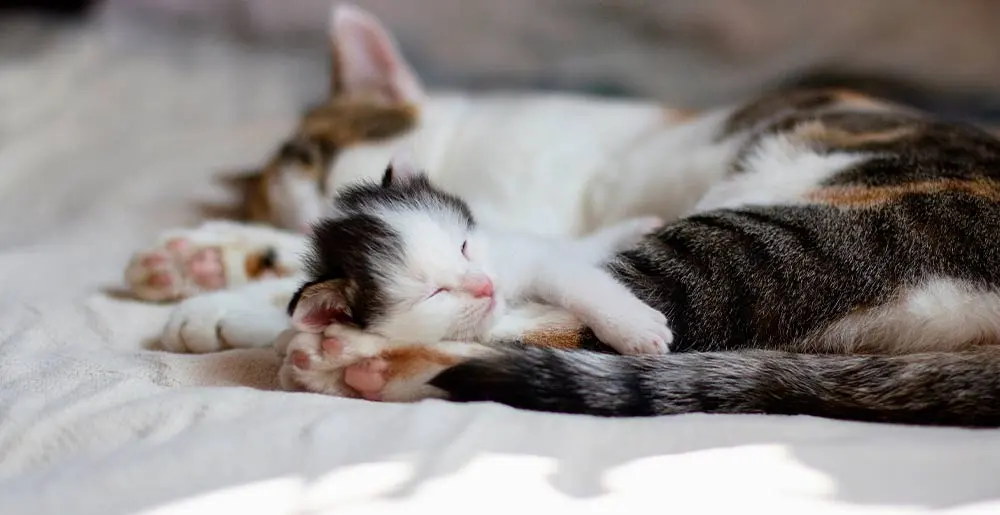
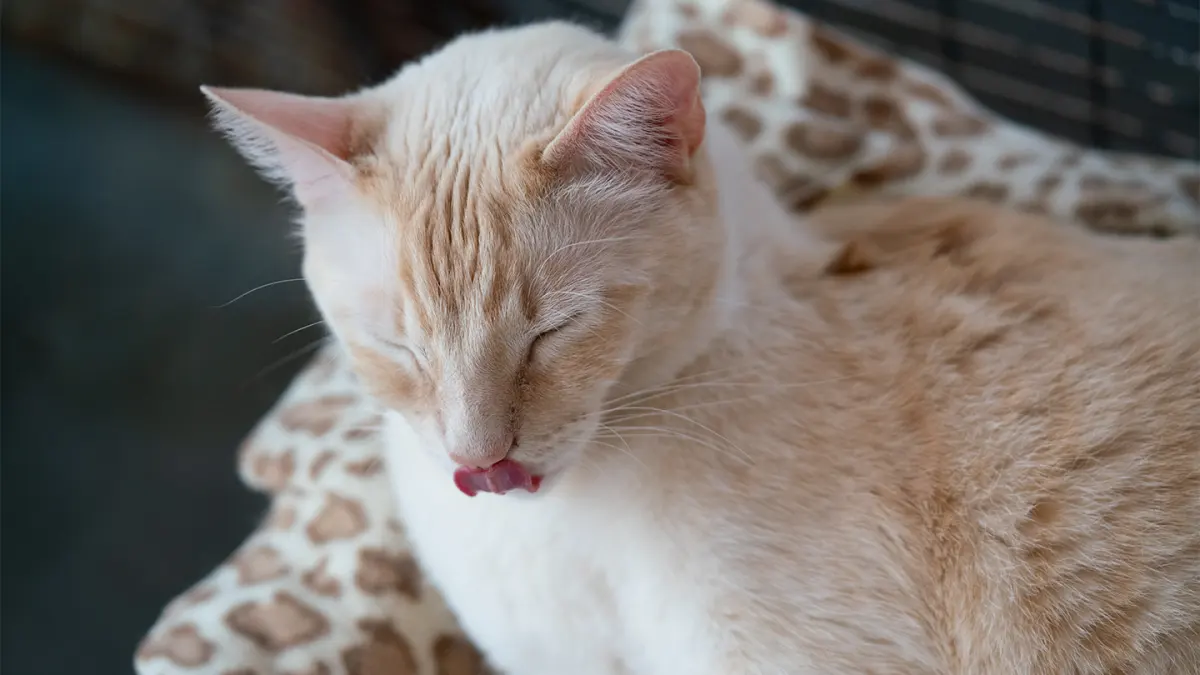
While most people associate purring with a happy, relaxed cat, the behavior is far more complex than a simple sign of joy. Cats begin purring when they are only a few days old, using the sound as a homing beacon to communicate with their mothers while nursing. This early bonding mechanism establishes the vibration as a fundamental tool for social signaling throughout their lives.
As cats mature, they develop a sophisticated range of purring styles to suit different social contexts. A "solicitation purr," for instance, often includes a high-frequency component that humans find difficult to ignore, effectively mimicking the urgency of a human infant's cry. By understanding that purring is a multi-purpose communication tool, owners can better interpret their cat's emotional state and needs during daily interactions.
How does a cat purr?
The mechanics of a purr involve a precise neurological process that originates in the brain. The brain sends rhythmic signals to the laryngeal muscles, causing them to twitch at a rate of 25 to 150 vibrations per second. As the cat inhales and exhales, the air passes through these vibrating muscles, creating the characteristic low-frequency sound that resonates through the animal’s entire body.
Unlike many other vocalizations, purring is a continuous sound that occurs during both inhalation and exhalation. This requires a high degree of coordination between the diaphragm and the muscles of the larynx. Because this process is largely involuntary, it serves as a reliable indicator of a cat's internal physiological state, whether they are deeply relaxed or attempting to regulate their own heart rate.
When do cats purr for healing?
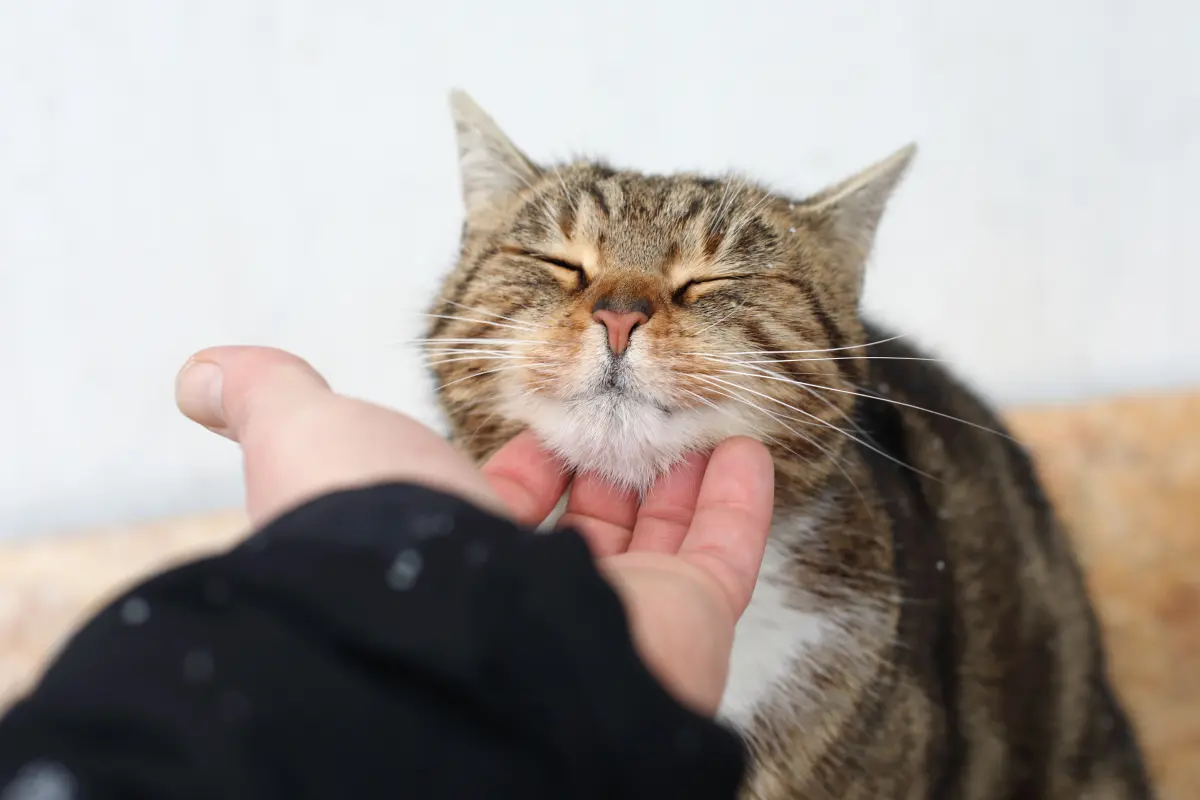
Scientific research suggests that the frequency of a cat’s purr—typically between 25 and 150 Hertz—falls within a range that can be medically therapeutic. These specific vibrations are known to improve bone density, promote the healing of tendons and muscles, and reduce localized swelling or pain. This may explain why cats often purr when they are injured, frightened, or nearing the end of their lives.
- Observe the cat's body language to determine if the purring is accompanied by signs of distress, such as hiding or dilated pupils.
- Provide a quiet, secure space if the cat is purring while recovering from a minor injury or surgery.
- Consult a veterinarian if a cat begins purring excessively in situations where they are usually quiet, as this can indicate underlying discomfort.
- Monitor for changes in appetite or activity levels, as these are more accurate indicators of illness than the presence of a purr alone.
How to interpret different purrs
Not all purrs sound the same, and discerning the subtle differences can help you understand your pet's intentions. A low-pitched, steady purr usually indicates a cat that is perfectly content and comfortable in its environment. Conversely, a louder, more erratic purr often suggests that the cat is seeking attention, food, or reassurance from its human companions.
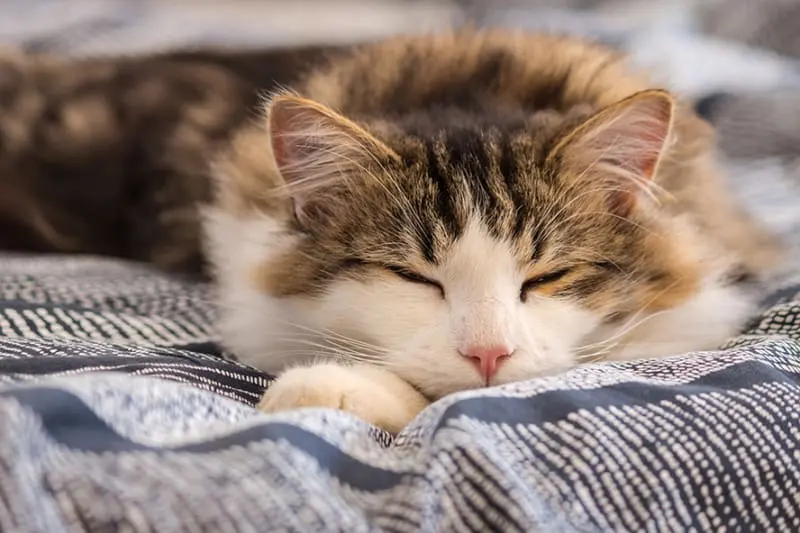
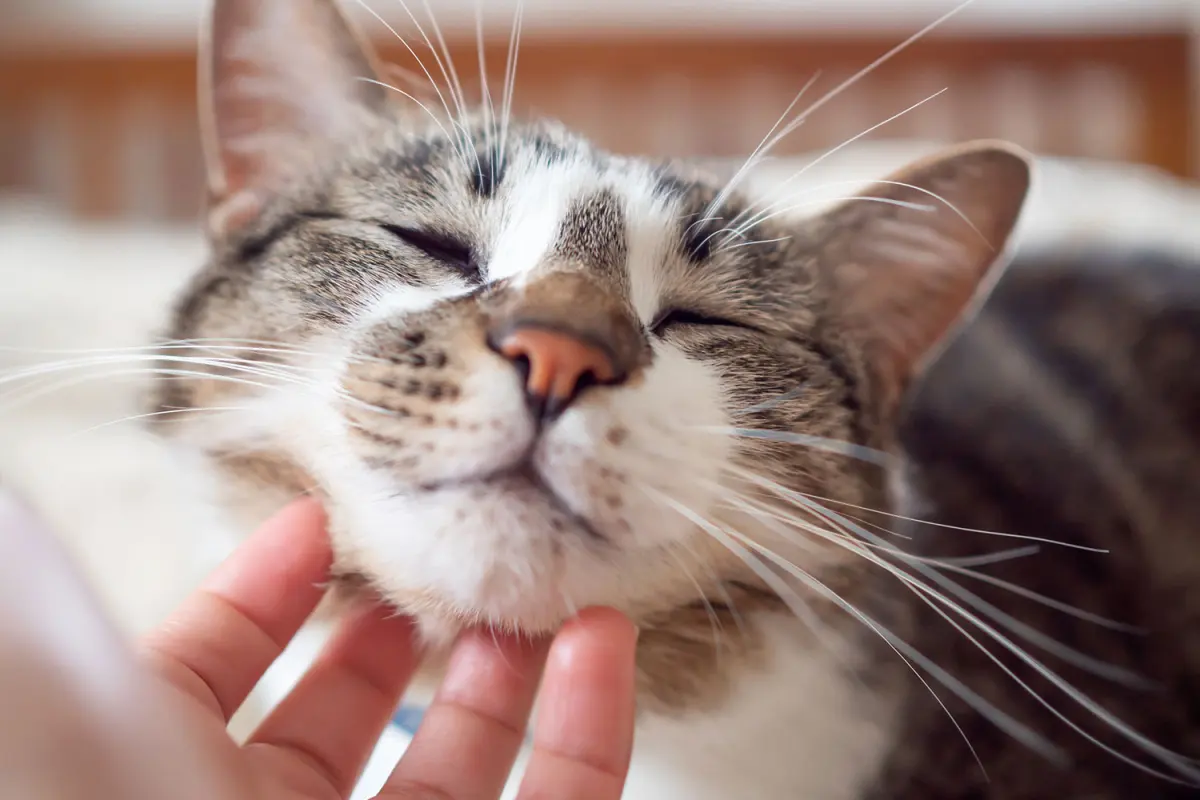
- Contentment: A soft, rhythmic, and steady sound often accompanied by half-closed eyes.
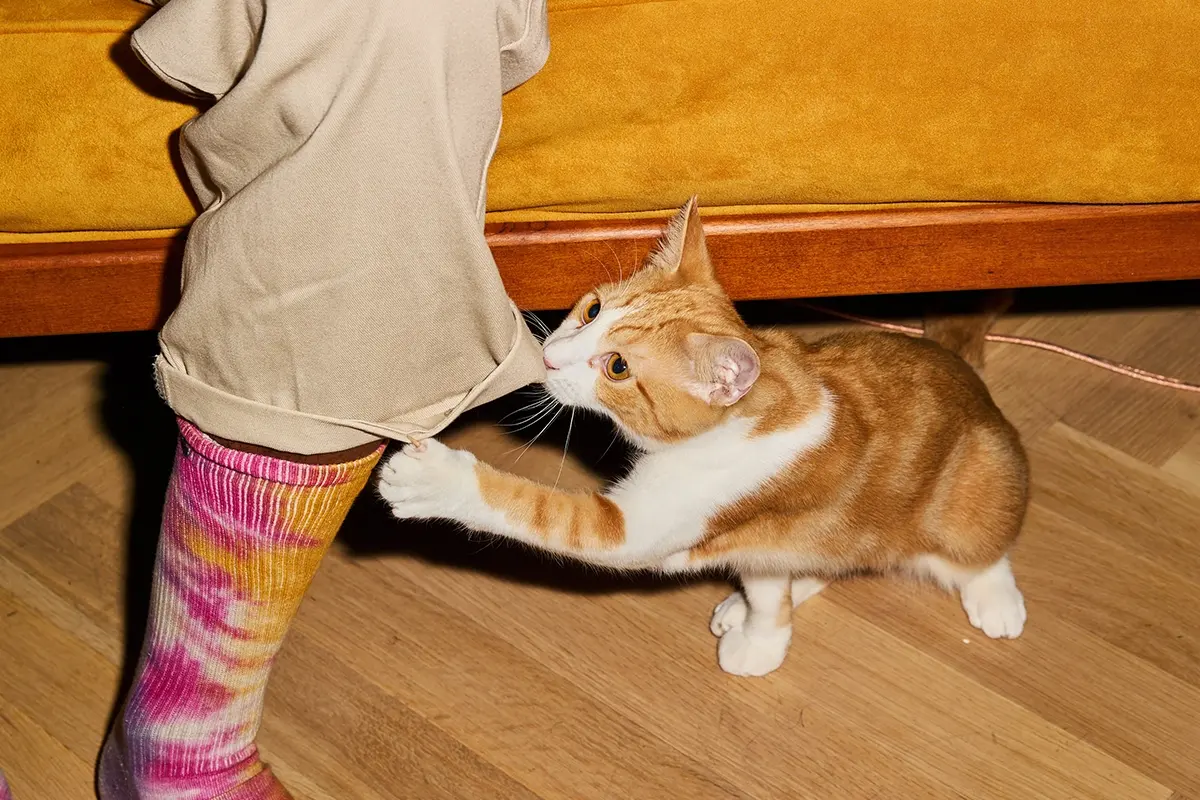
- Solicitation: A sharp, urgent sound that includes a high-frequency "cry" to get your attention.
- Stress or Pain: A tense, forced sound that may be accompanied by a rigid body posture or tail flicking.
- Healing: A deep, resonant purr that the cat maintains for long periods, often while curled up alone.
Common mistakes when reading cat behavior
A frequent error owners make is assuming that a purring cat is always happy. If you approach a cat that is purring while its ears are flattened or its tail is twitching, you may be misinterpreting a defensive signal for a friendly one. Assuming a cat is "fine" just because it is purring can lead to accidental scratches or bites if the animal is actually in pain or feeling overwhelmed.
Another mistake is failing to notice when a cat stops purring entirely. A cat that suddenly goes silent after being a frequent purrer may be experiencing a change in health or a decline in emotional well-being. Always observe the cat’s overall behavior in context rather than relying on a single vocalization. By paying attention to the environment, body language, and recent changes in routine, you can build a more accurate picture of your cat's health and happiness.
Key facts
- Purring is produced by the rapid twitching of laryngeal muscles combined with movement of the diaphragm.
- While commonly associated with contentment, cats also purr when they are stressed, injured, or in pain.
- The frequency of a domestic cat's purr typically ranges between 25 and 150 Hertz.
- Kittens begin purring at just a few days old to communicate their location and needs to their mother.
- Research suggests these specific low-frequency vibrations may help improve bone density and promote tissue healing.
- To determine if a purring cat is happy, observe body language like relaxed ears, half-closed eyes, and a slow tail wag.
The bottom line
While often interpreted as a simple sign of happiness, purring is a complex biological tool used for communication and self-regulation. Cats utilize these low-frequency vibrations to soothe themselves during distress, signal needs to their mothers, or bond with their human companions. By paying attention to your cat’s overall body language and behavior, you can better understand whether their purring indicates comfort, hunger, or a need for medical attention.
People also ask
Can all cats purr?
Domestic cats and many small wild cats, such as bobcats and mountain lions, can purr. However, large cats like lions, tigers, and leopards cannot purr because they lack the necessary anatomy in their hyoid bone; instead, they roar.
Do cats purr when they are dying?
Yes, many cats purr during their final moments of life. Experts believe this is a self-soothing mechanism that helps the animal manage extreme pain or fear.
Why does my cat purr when I am petting it?
This is usually a sign of social bonding and contentment. By purring, your cat is signaling that it feels safe and is enjoying the physical interaction with you.
Can a cat purr while meowing?
Cats can produce a "solicitation purr," which combines a standard purr with an unpleasant, high-frequency cry. This sound mimics a human baby’s distress call and is often used to get owners to feed them.
Is it possible for a cat to purr too much?
While purring is normal, a sudden increase in constant purring can indicate an underlying health issue. If your cat is hiding, refusing food, or acting lethargic while purring, consult a veterinarian.
Do humans benefit from the sound of a cat purring?
Studies indicate that the sound and vibration of a cat's purr can lower human blood pressure and reduce stress levels. The rhythmic frequency is often described as having a calming, therapeutic effect on people.
This answer was created with the help of AI research tools and reference sources. Spotted an error? Let us know — we correct mistakes quickly. See our editorial policy.