Why do cats sleep so much?
Short answer
Cats sleep frequently because they are crepuscular predators with high-energy bursts. Their bodies are biologically programmed to conserve energy for hunting, even in domestic environments. While an average cat sleeps 12 to 16 hours daily, some may rest up to 20 hours to recover from intense physical activity and maintain their metabolic health.
On this page
Why do cats sleep so much?
Domestic cats are evolutionary descendants of solitary desert hunters. In the wild, survival depends on the ability to sprint, pounce, and climb, all of which require massive amounts of energy. Sleeping for long periods is a natural conservation strategy that allows them to remain physically prepared for the next high-intensity hunting session.
Even though your cat no longer needs to hunt for food, their internal rhythm remains hardwired for this cycle. They are biologically designed to be crepuscular, meaning they are most active during the twilight hours of dawn and dusk. During the middle of the day and night, they enter a state of rest to preserve their resources. This behavior is not a sign of laziness, but rather an efficient physiological adaptation that has persisted through thousands of years of domestication.
How long should a cat sleep?
Most healthy adult cats sleep between 12 and 16 hours every day. However, it is not uncommon for some individuals to sleep as much as 20 hours in a 24-hour period. Factors such as age, health, and activity levels play a significant role in determining how much rest a specific cat requires.
Kittens and senior cats generally require more sleep than prime-age adults. Kittens need extra rest to support their rapid physical growth, while older cats often have less stamina. To determine if your cat is sleeping a normal amount, monitor their behavior during their active hours. If they are alert, playful, and eating well when awake, their sleeping habits are likely healthy. If you notice a sudden, drastic change in their sleep patterns, consult a veterinarian to rule out underlying medical issues.
What are the stages of cat sleep?
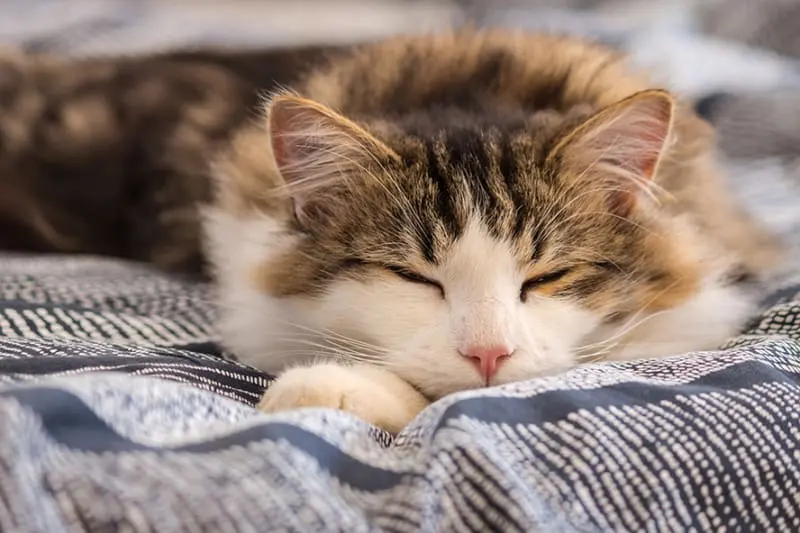
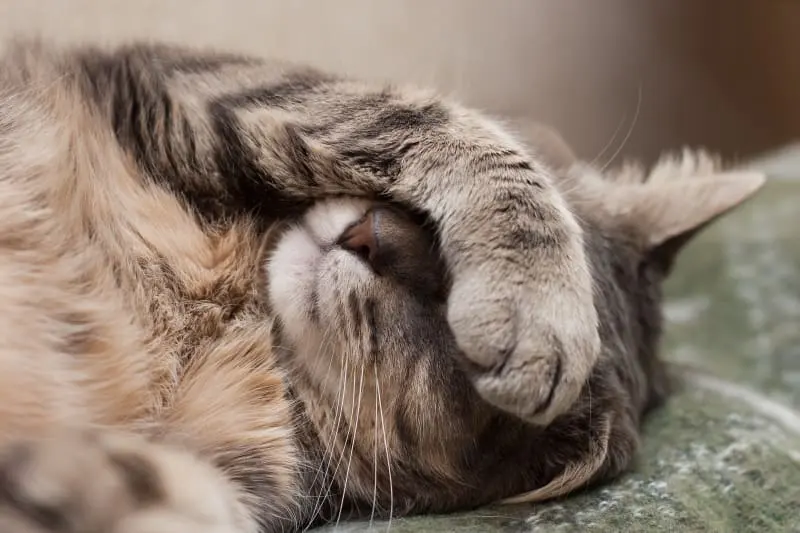
Cats do not spend all their resting time in a deep, unconscious state. Their sleep is categorized into two main types: light dozing and deep sleep. During a light nap, the cat remains somewhat aware of its surroundings, with ears twitching or eyes slightly open to detect potential threats or opportunities.
Deep sleep usually occurs in shorter bursts, lasting about 5 to 15 minutes at a time. During these periods, you might see your cat twitching, moving its paws, or making small vocalizations, which suggests they are dreaming. These cycles are essential for brain function and physical recovery. Because they are always ready to jump into action, they rarely enter the long, uninterrupted sleep cycles that humans experience.
- Light dozing: The cat is alert and can wake up instantly.
- Deep sleep: The brain processes information and the body repairs tissues.
- Rapid Eye Movement (REM): The stage where dreaming occurs, often marked by whiskers or tail movement.
Common mistakes when managing cat sleep
One frequent error owners make is assuming that a cat’s sleep schedule should mirror their own. Trying to force a cat to stay awake during the day or keeping them active at night can disrupt their natural biological rhythm. This can lead to behavioral problems, such as increased anxiety or excessive vocalization during the night.
Another mistake is failing to provide a quiet, secure environment for rest. Cats are sensitive to noise and movement, and they need a safe space where they feel protected. Avoid placing their bedding in high-traffic areas like busy hallways or near loud appliances. If a cat feels exposed, they may become stressed, which can lead to sleep fragmentation or health issues. Always ensure they have access to elevated spots, such as cat trees or shelves, where they can observe their environment while feeling secure enough to doze off.
- Do not wake a sleeping cat unless absolutely necessary.
- Avoid placing beds in drafty or damp locations.
- Do not use bright lights near their sleeping areas at night.
- Ensure the cat has multiple, varied sleeping spots throughout the home.
How to encourage healthy activity levels
To ensure your cat maintains a healthy balance between sleep and wakefulness, you should provide consistent opportunities for exercise. Interactive play is the best way to stimulate their natural hunting instincts and burn off excess energy. Using toys like feather wands, laser pointers, or puzzle feeders can mimic the thrill of the hunt and keep their minds sharp.
Try to establish a routine that includes play sessions shortly before your own bedtime. This helps transition the cat into a state of rest after they have expended their energy. By providing mental and physical stimulation, you help prevent boredom, which can sometimes manifest as excessive sleeping or lethargy. A well-exercised cat is typically a more content, healthier companion that sleeps soundly when it is time to recharge their batteries for the next day.
Key facts
- Domestic cats typically sleep between 12 and 16 hours per day, with some individuals reaching up to 20 hours.
- Cats are crepuscular, meaning they are naturally most active during the twilight hours of dawn and dusk.
- Much of a cat's "sleep" is actually light dozing, allowing them to remain alert to environmental sounds and movements.
- During deep sleep, cats experience rapid eye movement (REM) cycles, which are essential for brain health and memory processing.
- You can encourage your cat's natural activity levels by providing interactive play sessions right before your own bedtime.
- A sudden, drastic increase in a cat's sleeping habits can indicate underlying health issues, such as thyroid problems or pain.
The bottom line
Cats sleep extensively as a biological adaptation to their ancestral role as ambush predators. By conserving energy through long periods of rest, they remain prepared for short, intense bursts of hunting activity. While their sleeping habits may seem excessive, they are largely a normal part of feline behavior. Providing environmental enrichment and consistent play can help regulate their cycles and ensure they remain healthy and happy.
People also ask
Do cats dream while they sleep?
Yes, research suggests that cats experience dreams during the REM stage of sleep. You may notice their whiskers twitching, paws paddling, or ears moving as they process daily experiences.
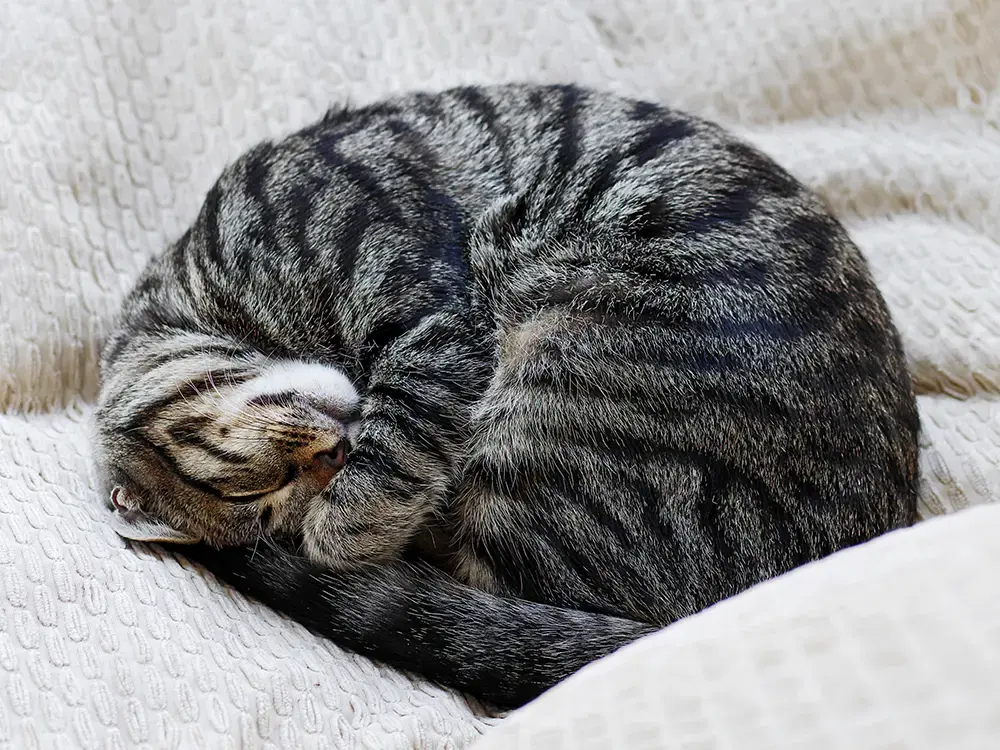
Why do cats sleep in tight, curled positions?
This position, often called the "cat loaf" or a tight ball, helps conserve body heat and protects their vital organs. It is a natural defensive posture that provides a sense of security while they rest.
Should I wake my cat up if they are sleeping too much?
It is generally best to let a sleeping cat lie, as they require significant rest to maintain their energy levels. Only intervene if you suspect a medical emergency or if they are failing to eat or use the litter box.
Do indoor cats sleep more than outdoor cats?
Indoor cats often sleep more because they have fewer environmental stimuli to keep them occupied. Outdoor cats must remain vigilant for predators and prey, which limits their opportunities for extended rest.
Why do cats sleep on their owners?
Cats choose to sleep on their owners to seek warmth, comfort, and safety. It is a sign of deep trust and bonding, as they feel secure enough to let their guard down near you.
Do older cats sleep more than kittens?
Both kittens and senior cats require more sleep than healthy adult cats. While kittens need rest for rapid physical development, senior cats often sleep more due to decreased stamina and age-related changes.
This answer was created with the help of AI research tools and reference sources. Spotted an error? Let us know — we correct mistakes quickly. See our editorial policy.