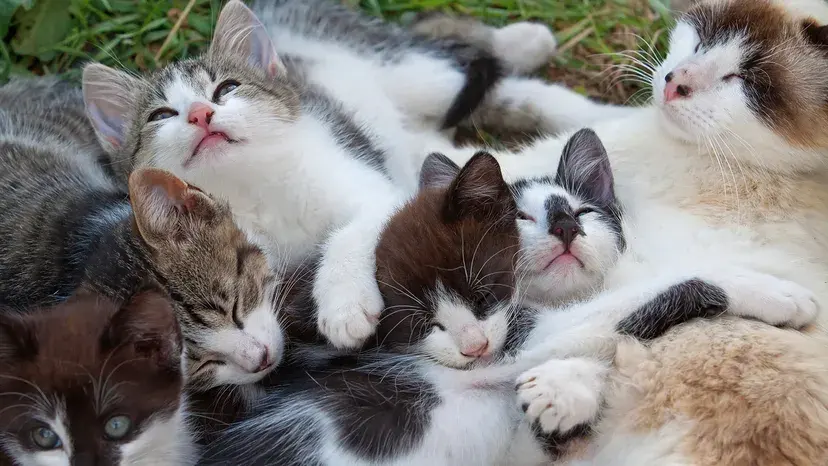
How many babies do cats have?
Short answer
Cats typically have a litter size of four kittens, though the range usually spans from one to eight. Factors influencing this number include the mother’s age, breed, and overall health. First-time mothers often have smaller litters, while experienced queens frequently produce larger groups of kittens during their peak reproductive years.
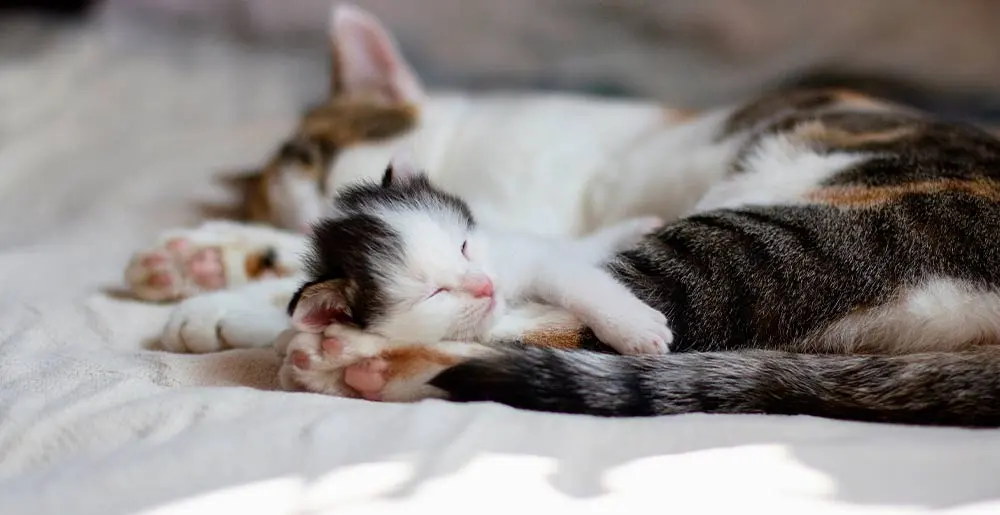
On this page
How many kittens are in a litter?
The average litter size for a domestic cat is four kittens, but there is significant natural variation. It is common for a queen to deliver anywhere from one to eight offspring in a single pregnancy. Smaller litters are more frequent among young cats or those breeding for the first time, while mature, healthy queens often produce larger litters. Genetics also play a role, as certain breeds tend to have consistently larger or smaller litters than the general population.
While the physical capacity of the mother’s uterus limits the number of kittens, environmental factors and nutrition also influence the final count. A cat in excellent physical condition with access to high-quality, nutrient-dense food is more likely to support a larger litter successfully. Conversely, stress or nutritional deficiencies can lead to smaller litters or complications during gestation. Owners should monitor the queen’s weight and health throughout the pregnancy to ensure she remains strong enough to carry and nurse her kittens.
How long is a cat pregnant?
A cat’s gestation period is relatively short, typically lasting between 63 and 67 days, or about nine weeks. Because it can be difficult to pinpoint the exact date of conception, owners often use 65 days as a general benchmark. During this time, the queen undergoes significant physiological changes to prepare for the arrival of her kittens. Recognizing the signs of pregnancy early allows for proper veterinary care and preparation of a safe nesting environment.
- Week 1-2: The queen may experience "morning sickness," characterized by a brief period of decreased appetite.
- Week 3-4: The nipples become pinker and more prominent, a sign known as "pinking up."
- Week 5-6: The abdomen begins to swell visibly, and the cat may seek out quiet, secluded areas.
- Week 7-9: The queen becomes restless and starts nesting, preparing a specific spot for the birth.
How to prepare for a cat giving birth?
Creating a comfortable, private space for the queen is the most important step in preparing for a litter. About two weeks before the expected due date, provide a nesting box in a quiet, low-traffic area of the home. Use a cardboard box or a plastic bin lined with clean, soft blankets or towels that can be easily washed or discarded. Avoid high-traffic areas, as the mother needs peace to feel secure enough to deliver her kittens safely.
During the final week of gestation, keep the queen indoors to prevent her from giving birth in an unsafe outdoor location. Ensure she has easy access to food, water, and a litter box within her nesting area so she does not have to travel far. You should also have your veterinarian’s contact information readily available in case of emergencies. While most cats deliver without assistance, being prepared allows you to intervene if the mother shows signs of distress or if labor stalls for an extended period.
Common mistakes when caring for a pregnant cat
One of the most frequent errors owners make is over-supplementing the queen’s diet with vitamins or minerals. Unless specifically recommended by a veterinarian, excessive supplementation can disrupt the delicate nutritional balance required for fetal development and lead to health complications. Stick to a high-quality, balanced commercial diet designed for growth or lactation, which provides the extra calories and nutrients necessary to support both the mother and her developing kittens.
Another common mistake is handling the queen too frequently or allowing strangers to disturb her during the final stages of pregnancy. Stress can negatively impact the birth process and the mother's ability to bond with her kittens. Always observe from a distance and keep the environment calm. Additionally, failing to provide a clean, dry nesting area can increase the risk of infection for the newborns. Ensure all bedding is changed regularly before the birth and kept clean throughout the nursing period to protect the health of the entire litter.
Why do some kittens not survive?
Unfortunately, not all kittens in a litter survive, and there are several reasons for neonatal mortality. "Fading kitten syndrome" is a term used to describe a kitten that appears healthy at birth but gradually stops nursing, loses weight, and passes away within the first few weeks. Common causes include congenital defects, low birth weight, or infections that the kitten’s immature immune system cannot fight off. Monitoring the weight gain of each kitten daily is a vital way to identify those that may be struggling early on.
- Keep the nesting area warm, as newborns cannot regulate their body temperature effectively.
- Ensure every kitten is nursing regularly, as failure to receive colostrum from the mother leaves them vulnerable to disease.
- Watch for signs of illness such as lethargy, coldness, or persistent crying, which indicate a need for immediate veterinary attention.
- Separate any sick kittens from the rest of the litter to prevent the potential spread of contagious infections to the healthy ones.
By providing a stable environment, high-quality nutrition, and vigilant observation, you can significantly improve the survival rate of the kittens and ensure the mother remains healthy throughout the process.
Key facts
- A typical cat litter consists of four kittens, though the range usually spans from one to eight.
- Cats can reach sexual maturity as early as four months of age, allowing them to conceive quickly.
- The gestation period for a cat is remarkably consistent, lasting between 63 and 67 days.
- A single female cat can produce up to three litters per year if she is not spayed.
- Nutrition significantly impacts litter size; healthy, well-fed queens are more likely to have larger litters.
- Always consult a veterinarian for prenatal care to ensure the queen remains healthy throughout her pregnancy.
The bottom line
While a cat typically delivers four kittens per litter, the number can vary widely based on the animal's health and age. Because cats are prolific breeders capable of multiple litters annually, responsible pet ownership requires timely spaying to prevent overpopulation. By providing proper nutrition and a quiet environment, you ensure the health of both the mother and her offspring throughout the brief two-month gestation period.
People also ask
How can I tell if my cat is pregnant?
Common signs include "pinking up" of the nipples, increased appetite, and a noticeable swelling of the abdomen. A veterinarian can confirm pregnancy through an ultrasound as early as 20 days after conception.
Do cats experience morning sickness?
Yes, some cats experience a brief period of decreased appetite or occasional vomiting during the early stages of pregnancy. This is often referred to as morning sickness and typically resolves within a few days.
At what age should a cat be spayed to prevent pregnancy
Veterinarians generally recommend spaying a kitten before she reaches her first heat cycle, often around four to five months of age. This prevents unwanted litters and reduces the risk of reproductive cancers.
How many kittens can a cat have in her lifetime?
Because a cat can have multiple litters annually for many years, a single unspayed female and her descendants can theoretically produce hundreds of kittens. This is why spaying and neutering are vital for population control.
What should I prepare for the birth?
Provide a quiet, warm, and private nesting box lined with clean towels or blankets in a low-traffic area. Ensure the queen has easy access to food, water, and a litter box nearby.
Is it dangerous for a cat to have a very large litter?
Very large litters can sometimes lead to complications such as exhaustion for the mother or kittens competing for milk. If you suspect a large litter, monitor the mother closely and be prepared to supplement with kitten formula if necessary.
This answer was created with the help of AI research tools and reference sources. Spotted an error? Let us know — we correct mistakes quickly. See our editorial policy.