Are blue roses real?
Short answer
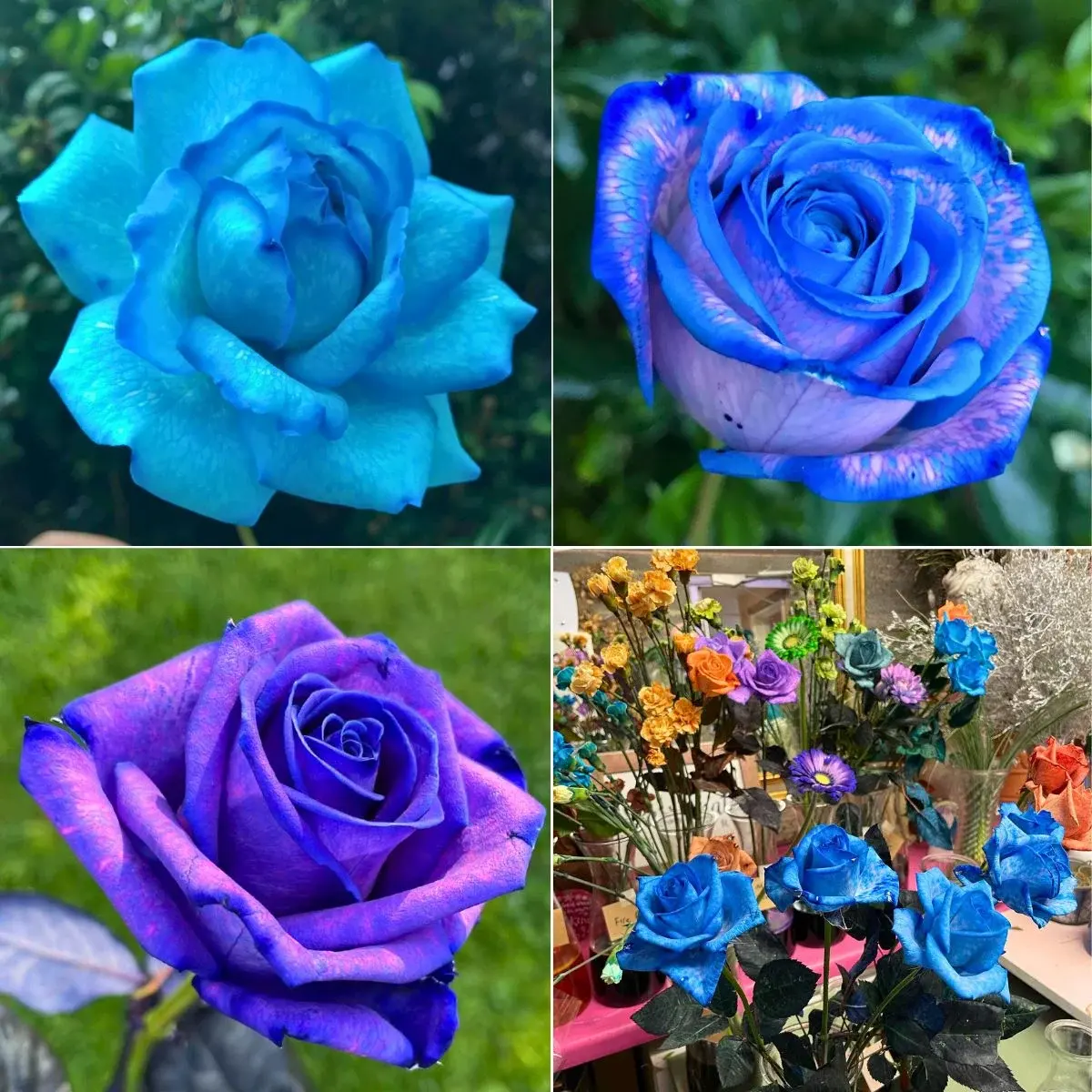
Blue roses do not exist in nature because roses lack the specific gene required to produce the delphinidin pigment needed for a true blue hue. While you may see vibrant blue roses in shops, these are artificially dyed or genetically modified to appear violet rather than a natural, sky-blue color.
On this page
Why do blue roses not exist in nature?
Roses are biologically incapable of producing true blue pigments. The chemical compound delphinidin, which creates blue tones in flowers like delphiniums or cornflowers, is absent in the rose’s genetic makeup. Breeders have attempted to cross-breed roses for centuries, but they have never successfully produced a naturally blue bloom. Even the most "blue" varieties on the market are technically shades of lavender, mauve, or deep purple.
The color of a flower is determined by the presence of anthocyanin pigments. Roses naturally produce cyanidin and pelargonidin, which result in red, pink, and orange spectrums. Without the specific enzymatic pathway to synthesize delphinidin, the rose cannot shift its color palette into the blue range. Consequently, any rose you encounter that appears truly blue has been subjected to external intervention rather than natural evolutionary processes.
How are blue roses made for sale?
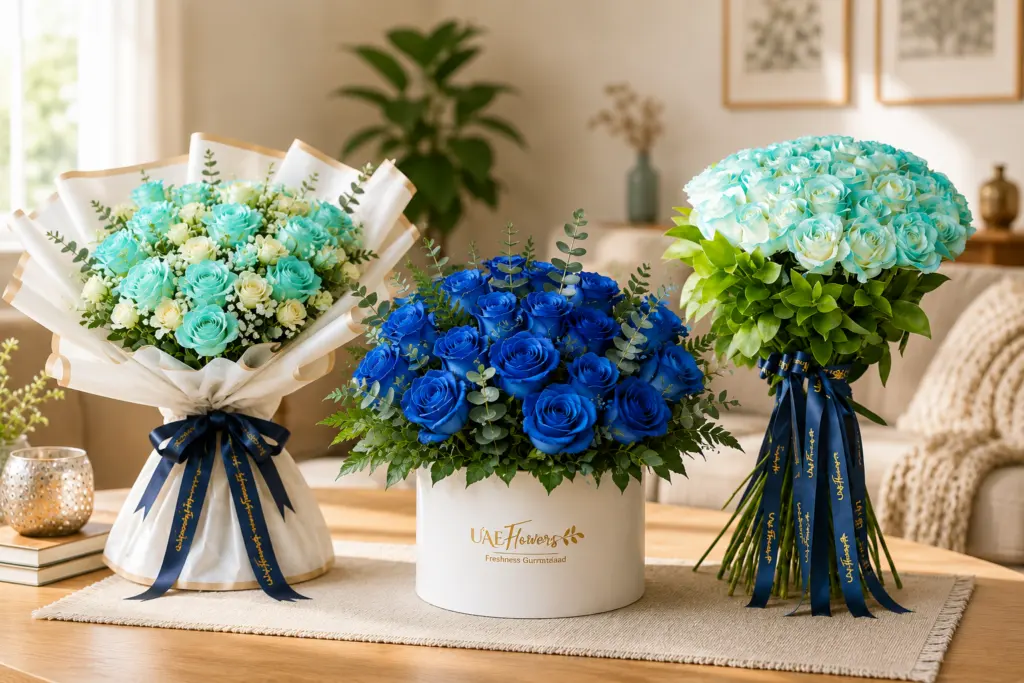
Most blue roses found in floral shops are created through simple artificial methods. Florists typically take a white rose and place its stem into a container filled with blue dye. As the flower draws water up through its xylem, the pigment travels to the petals, staining them blue. This process is effective but temporary, as the flower will eventually wilt and the color will fade.
Some newer varieties involve genetic engineering to alter the flower's internal chemistry. In 2004, researchers from the Suntory company and Florigene successfully inserted a gene from a pansy into a rose. This modification allowed the rose to produce a higher concentration of delphinidin. However, the result was a muted violet rather than a vibrant, true blue. The following list details the common methods used to alter rose colors:
- Stem absorption: Placing white roses in dyed water for 24 to 48 hours.
- Surface spraying: Using floral-grade aerosol paint to coat the petals.
- Genetic modification: Incorporating pansy or iris genes to shift the pigment profile.
How to grow blue-tinted roses at home?
If you want to create your own blue roses, you can achieve the look at home using fresh white roses. The best results come from using roses that are just beginning to open, as they absorb dye more efficiently than fully bloomed flowers. You should use a high-quality floral dye or food coloring to ensure the color is vibrant and does not damage the plant tissue.
- Trim about one inch off the bottom of the rose stems at a 45-degree angle.
- Mix a few drops of blue food coloring or specialized floral dye into a vase of lukewarm water.
- Place the roses in the solution and keep them in a cool, dark area for at least six hours.
- Once the desired shade is reached, move the roses to a vase with plain, fresh water.
Common mistakes when dyeing roses
One of the most frequent errors is using water that is too cold, which slows the transpiration process and prevents the dye from reaching the petals. Another mistake is failing to trim the stems properly, which creates air bubbles that block the uptake of the dyed water. If the stems are not cut at an angle, the surface area for water absorption is significantly reduced, leading to uneven or pale coloring.
Avoid using low-quality dyes, as these can sometimes cause the petals to wilt prematurely or turn brown at the edges. Additionally, do not leave the roses in the dye for too long. If they remain in the concentrated solution for more than 48 hours, the petals may become saturated to the point of structural decay. Always monitor the color progression closely to ensure the petals remain firm and healthy.
What is the best way to preserve blue roses?
Because natural blue roses do not exist, preserving them requires specific techniques to maintain the artificial color. If you have dyed a fresh rose, the most effective way to keep it is through air-drying or silica gel preservation. Air-drying involves hanging the roses upside down in a dark, dry room for two weeks. This removes moisture while keeping the dye trapped within the dried petal structure.
Alternatively, using silica gel allows for a more lifelike appearance. By burying the dyed rose in a container of silica crystals for three to five days, you can draw out moisture while supporting the delicate shape of the petals. Once preserved, these roses can last for years if kept away from direct sunlight, which causes the dye to bleach and fade over time. These methods ensure that the beauty of your custom-colored flowers is maintained long after the initial cutting.
Key facts
- True blue roses do not exist in nature because roses lack the specific gene required to produce the pigment delphinidin.
- Commercially available "blue" roses are typically white roses dyed with chemical pigments or food coloring.
- In 2004, researchers at Suntory and Florigene used genetic engineering to create a violet-hued rose containing delphinidin.
- The genetically modified "Applause" rose is the closest botanical equivalent, though it appears light lavender or mauve rather than true blue.
- To dye roses at home, place fresh white roses in a vase of water mixed with blue floral dye or concentrated food coloring.
- Avoid using dark-colored vases when dyeing, as it makes it difficult to monitor the color uptake through the stems.
The bottom line
While the blue rose remains a popular symbol of mystery and the impossible, it does not exist in the natural world. Through genetic modification, scientists have created violet-toned roses, but true blue remains elusive. For most practical purposes, the vibrant blue roses seen in shops are simply white flowers treated with dye. If you seek blue blooms, consider planting naturally blue species like hydrangeas instead.
People also ask
Can I grow blue roses from seeds found online?
No, any seeds sold as "blue rose seeds" are fraudulent. Because blue roses do not exist in nature, they cannot pass on a blue color trait through their seeds.
Why do my dyed roses turn brown at the edges?
This usually happens because the dye concentration is too high or the room is too dry. Ensure you use high-quality floral dye and keep the flowers away from direct heat sources.
Are there any naturally blue flowers I can grow instead?
Yes, flowers such as delphiniums, hydrangeas, and cornflowers possess the natural pigments required to produce a true blue color. These are excellent alternatives if you desire a blue aesthetic in your garden.
How long does it take for a white rose to turn blue when dyed?
It typically takes between 24 to 48 hours for the dye to travel through the xylem and reach the petals. The speed depends on the ambient temperature and the freshness of the rose.
Is the genetically modified "Applause" rose available everywhere?
No, the "Applause" rose is primarily sold in specific markets like Japan and North America. It is often expensive due to the complex biotechnology required to produce it.
Do blue roses have a specific scent?
Genetically modified blue-tinted roses do not have a distinct scent profile different from other roses. Their aroma is determined by the specific rose variety used as the base plant.
This answer was created with the help of AI research tools and reference sources. Spotted an error? Let us know — we correct mistakes quickly. See our editorial policy.