Who was Charles Dickens?
Short answer
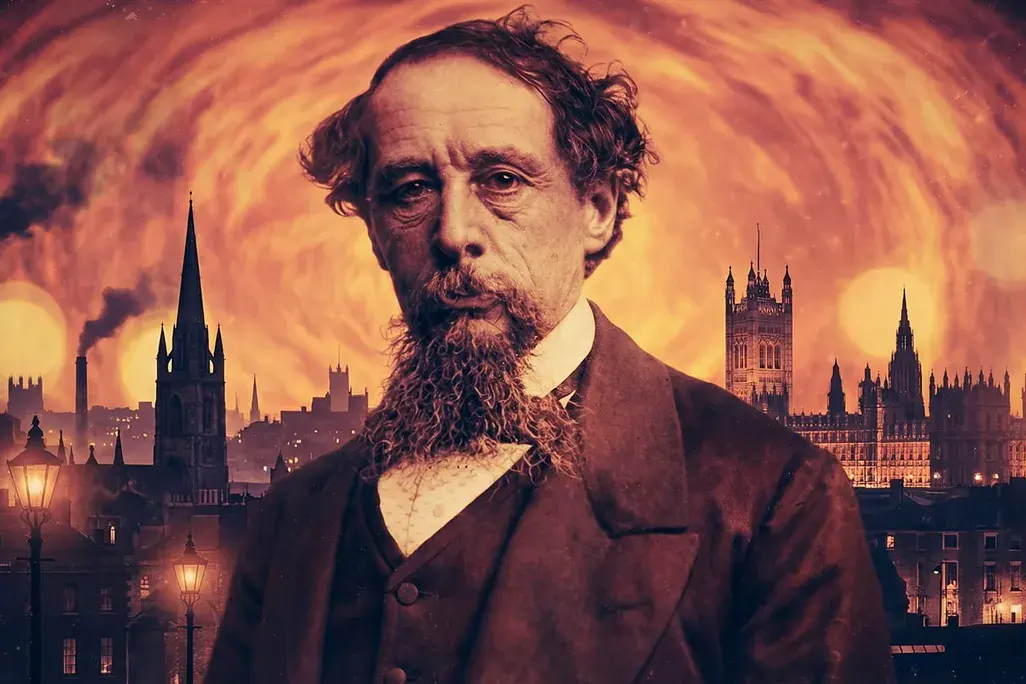
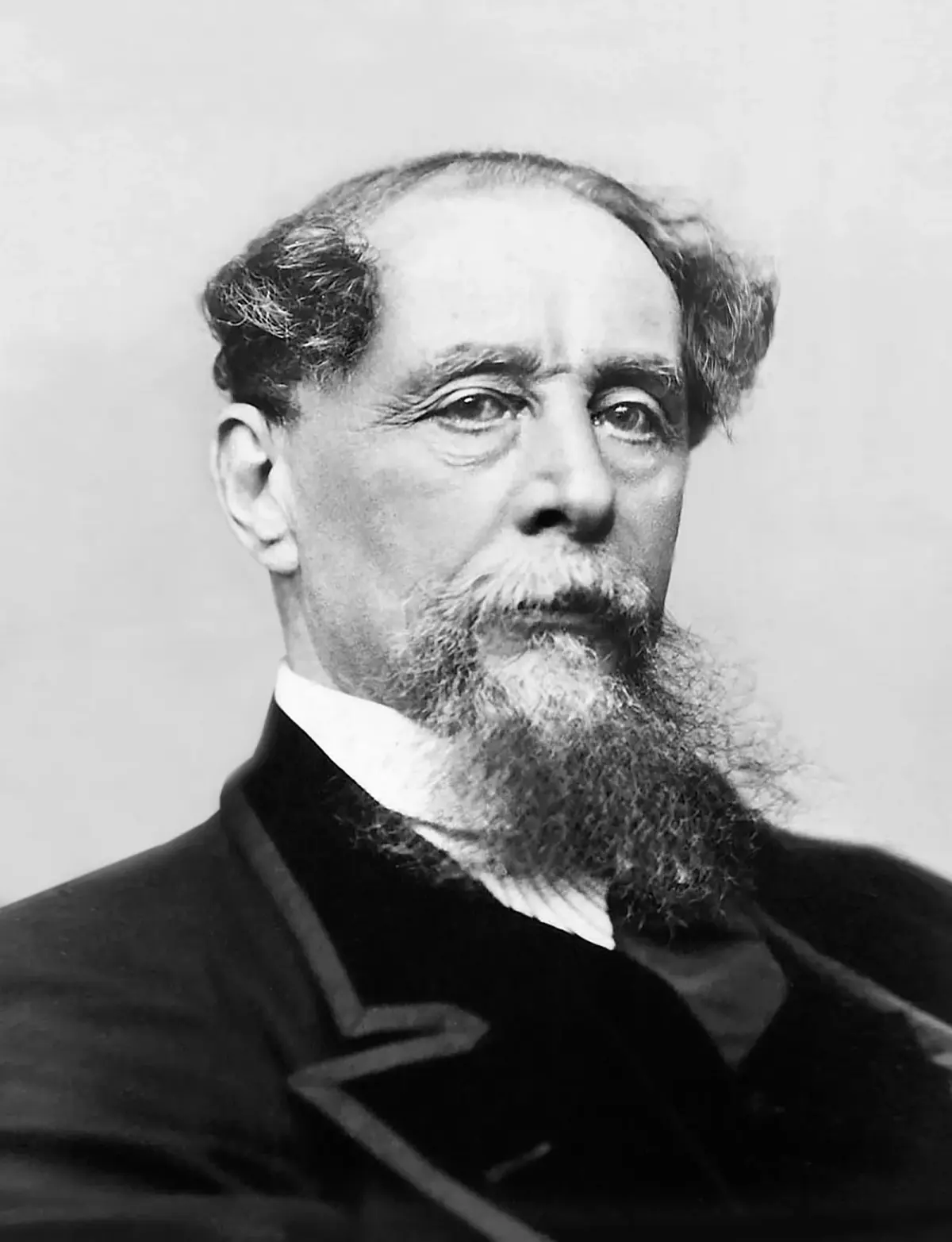
Charles Dickens (1812–1870) was the preeminent English novelist of the Victorian era. Renowned for his vivid characters, social commentary, and mastery of serial storytelling, he authored classics like Great Expectations and Oliver Twist. His work profoundly influenced global literature, highlighting the harsh realities of poverty and injustice in 19th-century industrial Britain.
On this page
Who was Charles Dickens?
Charles John Huffam Dickens was born in Portsmouth, England, on February 7, 1812. His early life was marked by significant hardship, most notably when his father was imprisoned for debt in 1824. This forced the young Dickens to work in a blacking factory, an experience that scarred him deeply and fueled the themes of social inequality, child labor, and institutional cruelty found throughout his later writing.
After working as a law clerk and a journalist, Dickens achieved sudden fame with the publication of The Pickwick Papers in 1836. He became a literary superstar, known for his relentless work ethic and his ability to capture the spirit of London. He was not merely a novelist but also a social reformer, a public performer, and a magazine editor who used his platform to advocate for the poor and disenfranchised.
How to read Charles Dickens for beginners
If you are new to Dickens, it is best to start with his shorter, more accessible works before tackling his massive, multi-plot novels. Many readers find his prose dense due to the Victorian style, but his humor and characterizations remain highly engaging. Consider starting with these titles:
- A Christmas Carol: A short, iconic novella that perfectly captures his style.
- Oliver Twist: A compelling narrative that highlights his social critique.
- Great Expectations: A masterful coming-of-age story with a clear, focused plot.
When reading, do not worry if you encounter unfamiliar slang or archaic terminology. Focus on the emotional arc of the characters and the atmospheric descriptions of the setting. If you find the serial structure—which often involves dozens of characters—overwhelming, keep a small notebook to track names and their relationships to one another.
Why Dickens remains relevant today
Dickens remains a pillar of world literature because he possessed an uncanny ability to humanize the systemic issues of his time. His portrayals of the London slums, the inefficiency of the legal system, and the plight of the working class were not just fiction; they were direct challenges to the status quo. He forced his readers to confront the moral failings of a rapidly industrializing society.
His influence on modern storytelling is equally significant. He popularized the cliffhanger, a technique he used to ensure readers would return for the next installment of his serialized novels. His archetypal characters, from the miserly Ebenezer Scrooge to the orphan Pip, have become permanent fixtures in the cultural consciousness. Today, his works are studied not only for their literary merit but as essential historical documents of the Victorian era.
Common mistakes when studying Dickens
Many students and new readers approach Dickens with the wrong mindset, which often leads to frustration. Avoiding these common errors will help you appreciate his work more fully:
- Expecting a fast-paced plot similar to modern thrillers.
- Ignoring the historical context of 19th-century Poor Laws.
- Trying to read his longest novels, like Bleak House, without breaks.
- Assuming that his caricatures are meant to be realistic portraits.
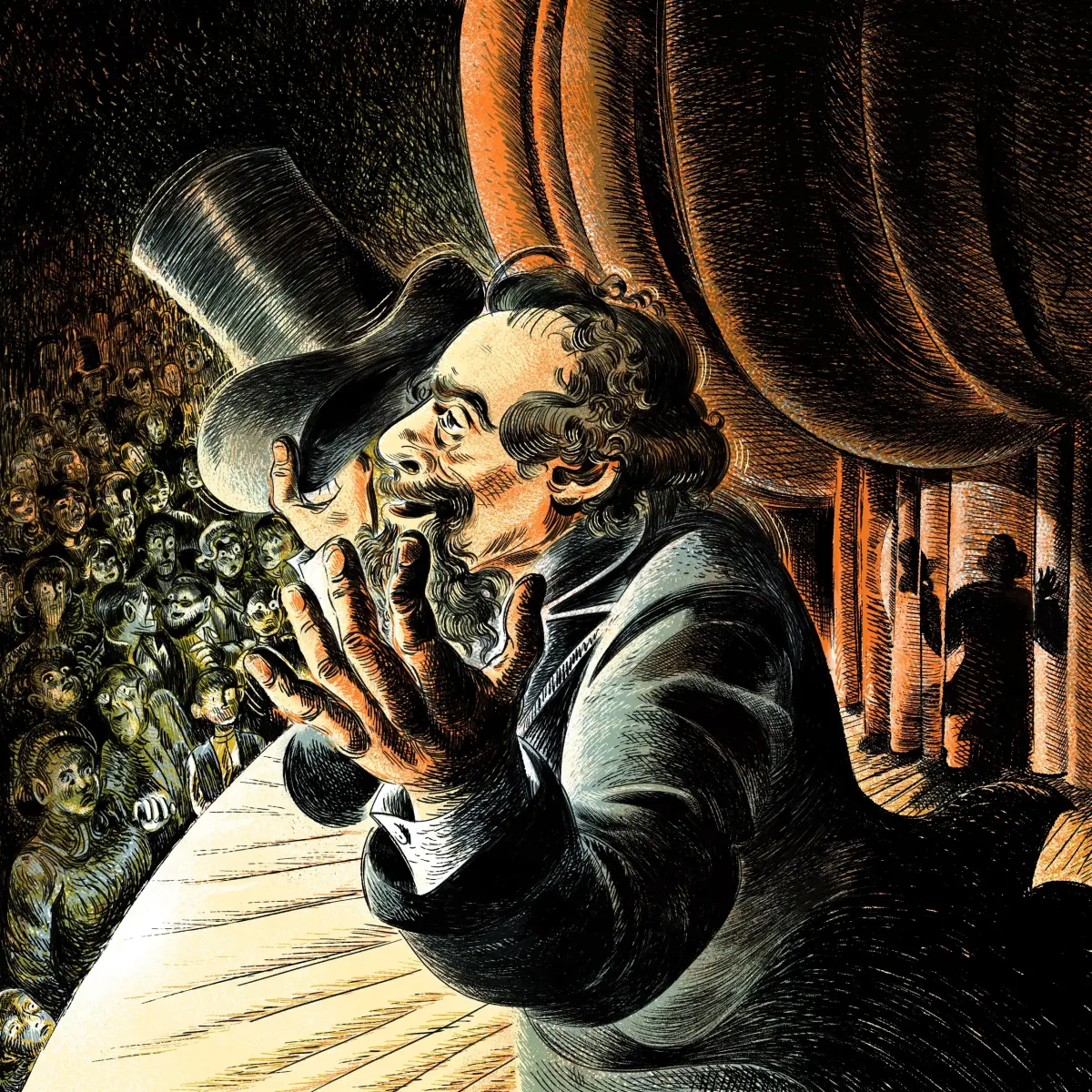
The most frequent mistake is failing to recognize that Dickens wrote for a broad audience, including those who listened to his stories read aloud. His writing is meant to be savored, with its rhythmic sentences and theatrical dialogue. If you treat his books as historical snapshots rather than mere entertainment, you will better understand why he chose to emphasize certain social injustices over others.
How to explore the world of Dickens
To deepen your understanding of his life and work, you can engage with his legacy through various practical methods. Beyond reading his novels, you can visit sites associated with his life or analyze his impact on contemporary media. Follow these steps to conduct a personal study:
- Visit the Charles Dickens Museum in London, located at his former home on Doughty Street.
- Watch high-quality film adaptations, such as the 1946 version of Great Expectations directed by David Lean.
- Read his shorter journalistic pieces, often collected as Sketches by Boz, to understand his early observational style.
- Compare his descriptions of London with historical maps from the 1840s to see how his setting influenced his plots.
By engaging with these resources, you move beyond the text and into the world that shaped Dickens. Whether you are interested in the history of Victorian poverty or the evolution of the English novel, Dickens provides a comprehensive, albeit complex, starting point for any literary enthusiast. His death in 1870 was mourned globally, but his stories continue to provide a mirror for the human condition in every generation.
Key facts
- Charles Dickens was born on February 7, 1812, in Portsmouth, England, and died on June 9, 1870.
- He wrote 15 major novels, including Great Expectations, Oliver Twist, and A Tale of Two Cities.
- At age 12, he worked in a blacking factory while his father was imprisoned for debt, an experience that deeply influenced his writing.
- He popularized the serial publication format, releasing his stories in monthly or weekly installments to build suspense.
- Dickens created over 2,000 distinct characters, many of whom were inspired by people he encountered in Victorian London.
- To study his work effectively, read his novels aloud to appreciate the rhythmic prose and distinct character voices he crafted.
The bottom line
Charles Dickens remains one of the most influential figures in English literature, renowned for his social conscience and masterful storytelling. By exposing the harsh realities of Victorian life through unforgettable characters and intricate plots, he transformed the novel into a powerful tool for social change. His legacy persists today, as his works continue to be widely read, adapted, and studied for their enduring humanity and insight.
People also ask
What was the significance of the Victorian era in Dickens's work?
The Victorian era was characterized by rapid industrialization and stark social inequality. Dickens used his novels to critique these conditions, specifically focusing on child labor, the poor law system, and the plight of the urban working class.
Did Charles Dickens have a large family?
Yes, he and his wife, Catherine Hogarth, had ten children together. Despite his large family, he maintained a rigorous writing schedule and was known for his intense work ethic.
Why are his characters often considered caricatures?
Dickens frequently used exaggerated physical traits and repetitive speech patterns to make his characters memorable and distinct. This technique helped readers distinguish between a large cast of characters in his long, serialized stories.
How did Dickens influence modern holiday traditions?
His 1843 novella A Christmas Carol is credited with reviving interest in the celebration of Christmas in Britain and America. The story promoted themes of charity, family, and goodwill that remain central to the holiday today.
What was the "Dickensian" style of writing?
The term describes a narrative style filled with vivid, often grotesque descriptions, social commentary, and complex plots. It typically features a focus on the struggles of the impoverished and a strong sense of moral justice.
How can a reader start reading Dickens without feeling overwhelmed?
Begin with A Christmas Carol or Oliver Twist, which are shorter and more accessible than his later, more complex works. Avoid starting with Bleak House or Little Dorrit until you are accustomed to his dense prose style.
This answer was created with the help of AI research tools and reference sources. Spotted an error? Let us know — we correct mistakes quickly. See our editorial policy.