Where do peacocks live?
Short answer
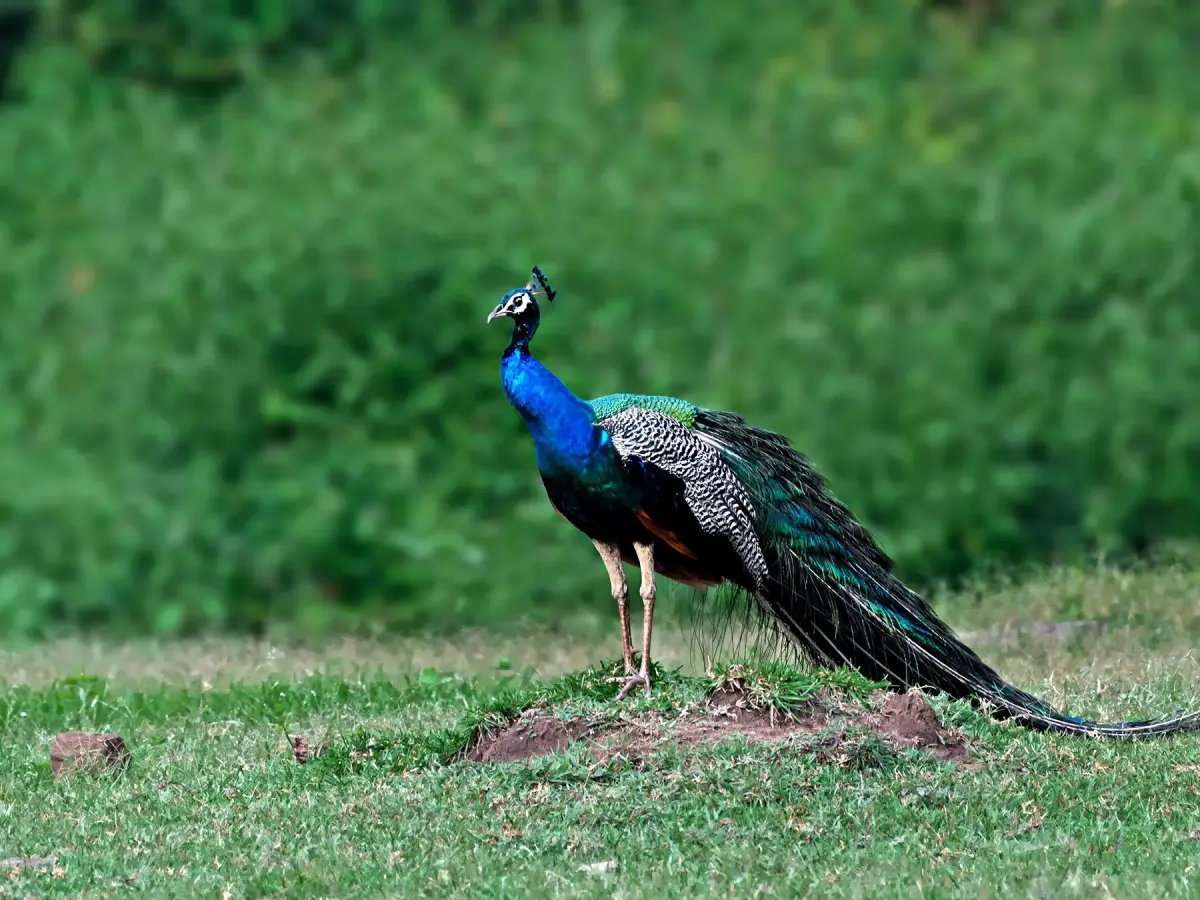
Peacocks, more accurately called peafowl, are native to the forests of South Asia and parts of Central Africa. The Indian peafowl lives primarily in India, Pakistan, and Sri Lanka, while the Congo peafowl inhabits the dense rainforests of the Democratic Republic of the Congo. They thrive in deciduous forests, scrublands, and cultivated areas.
On this page
Where do wild peafowl live?
The Indian peafowl (Pavo cristatus) is the most widely recognized species, originating from the Indian subcontinent. These birds are highly adaptable, preferring to live in deciduous forests, open grasslands, and scrublands. They are frequently found near human settlements, especially around villages where they forage for food in agricultural fields. Their natural range spans across India, Pakistan, Sri Lanka, and parts of Bhutan.
In contrast, the Congo peafowl (Afropavo congensis) is much more elusive. Discovered only in 1936, this species is restricted to the lowland rainforests of the Democratic Republic of the Congo. Unlike their Indian cousins, they prefer the dark, humid interior of primary forests. Because of their remote habitat and shy nature, they are rarely seen by humans compared to the widespread Indian peafowl.
How do they choose their habitat?
Peafowl are ground-dwelling birds that require specific environmental conditions to survive and reproduce. They generally prefer areas that offer a mix of open ground for foraging and dense vegetation for protection. Access to water sources is a critical factor in their selection of a home range. They typically roost in tall trees at night to avoid ground-based predators like leopards and tigers.
To maintain a healthy population in the wild, peafowl look for environments that provide:
- Tall, sturdy trees for safe nighttime roosting.
- Open clearings or forest edges for daily foraging.
- Proximity to streams, ponds, or other reliable water sources.
- Dense undergrowth to provide cover for nesting females.
- A climate that supports a variety of seeds, insects, and small reptiles.
Where do peacocks live in captivity?
Peafowl have been introduced to various parts of the world by humans, often kept in zoos, private estates, and botanical gardens. Due to their ornamental value, they have established feral populations in places like the United States, Australia, and New Zealand. In these regions, they often reside in suburban areas or large parks where they have adapted to human presence.
When keeping peafowl in a managed environment, owners must provide specific infrastructure to ensure the birds remain healthy and contained. Common setups include:
- A large, predator-proof enclosure with high fencing.
- A covered shelter to protect them from extreme weather conditions.
- Elevated perches positioned at least six feet off the ground.
- A consistent supply of high-protein poultry feed and fresh water.
- Ample space to allow for natural movement and display behaviors.
Common mistakes when keeping peafowl
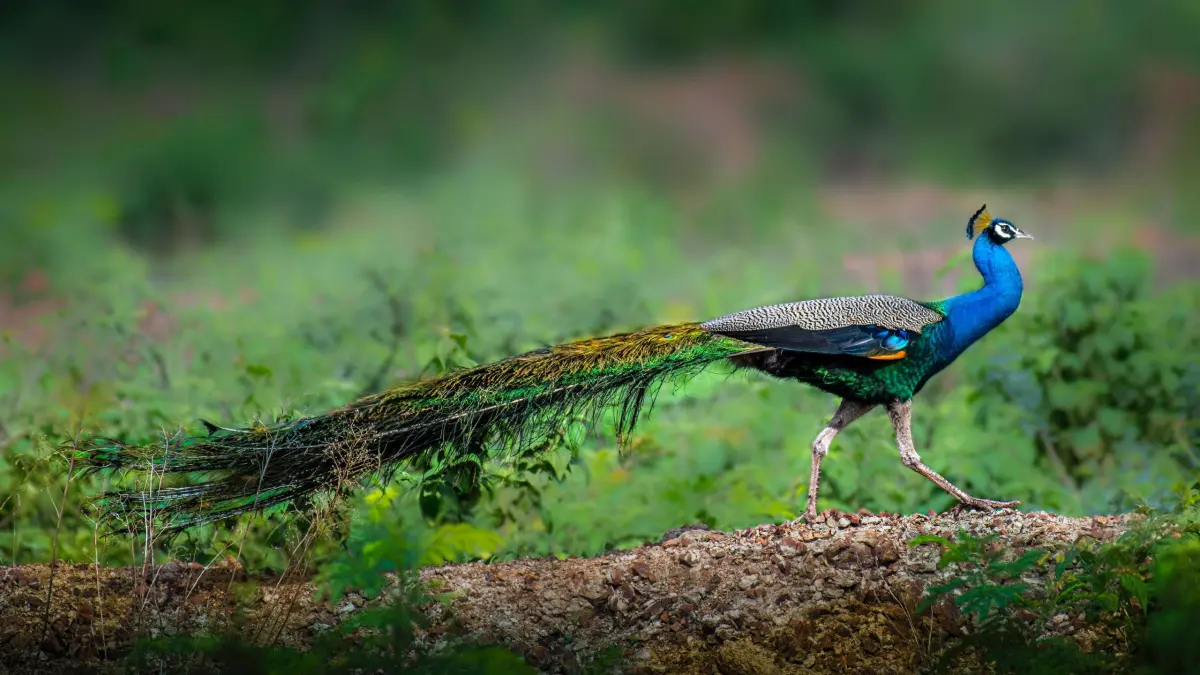
One of the most frequent errors people make is underestimating the amount of space these birds require. Peafowl are active, large birds that can become stressed if confined to small, cramped cages. Another mistake is failing to provide adequate protection against local predators. Even in suburban areas, domestic dogs, foxes, and raccoons can easily kill peafowl if the enclosure is not properly reinforced.
Owners should also avoid these typical pitfalls:
- Providing an improper diet that lacks necessary nutrients for feather growth.
- Ignoring the need for regular parasite control and veterinary checkups.
- Placing enclosures in areas with poor drainage, which leads to damp, unhealthy soil.
- Forgetting that peafowl are loud, especially during the breeding season, which can cause conflict with neighbors.
- Neglecting to provide enough shade during hot summer months, which can lead to heat stress.
Why do they move between habitats?
Peafowl are not strictly migratory, but they do exhibit seasonal movements based on food availability and breeding cycles. During the monsoon season in India, for example, peafowl often move to higher, drier ground to avoid flooding. As food sources shift throughout the year, these birds will travel significant distances to find seeds, fruits, and insects. Their ability to adapt to these changes is a primary reason the species has remained successful.
Human development has also forced many populations to shift their ranges. As forests are cleared for agriculture or urban expansion, peafowl often relocate to the edges of these new developments. While this brings them into closer contact with humans, it also exposes them to new risks, such as vehicle collisions and domestic pets. Understanding these movement patterns is essential for conservationists working to protect the natural habitats of these majestic birds and ensure they continue to thrive in the wild.
Key facts
- Peacocks are native to the Indian subcontinent and parts of Southeast Asia, thriving in tropical forests and scrublands.
- The term "peacock" specifically refers to the male of the species, while females are called peahens and the collective group is peafowl.
- They are ground-dwelling birds that prefer to roost in tall trees at night to protect themselves from predators.
- Wild populations are highly adaptable and often live near human settlements, agricultural fields, and gardens.
- In non-native regions, such as the United States or Europe, they are primarily found in zoos, private estates, or feral populations in parks.
- Avoid keeping peafowl in small, confined spaces, as they require significant room to roam and fly to maintain their physical and mental health.
The bottom line
Peacocks are native to the diverse landscapes of South Asia, where they inhabit forests and open farmlands. Though they have been introduced to various parts of the world as ornamental birds, they remain wild at heart, requiring ample space and elevated roosting sites. Understanding their natural preference for ground foraging and tree-based sleeping is essential for anyone interested in observing or responsibly housing these iconic, vibrant creatures.
People also ask
Do peacocks migrate during the winter?
Peacocks do not migrate. They are non-migratory birds that remain in the same home range throughout the year, provided they have access to food and water.
Can peacocks fly?
Despite their heavy appearance and long, decorative trains, peacocks are capable of flight. They usually fly short distances to reach high branches for roosting or to escape immediate danger.
What do peacocks eat in the wild?
They are omnivorous foragers that consume a varied diet. This includes grains, seeds, fruits, insects, small reptiles, and occasionally small snakes.
Are peacocks aggressive toward humans?
While generally shy, males can become territorial during the breeding season. It is best to maintain a respectful distance to avoid being chased or pecked.
How long do wild peacocks live?
In their natural habitat, peacocks typically live for about 10 to 15 years. With protection from predators in captivity, they can sometimes live up to 20 years.
Do peacocks make a lot of noise?
Yes, they are known for their loud, piercing calls, especially during the mating season. These vocalizations are often described as a harsh, screaming sound that can carry long distances.
This answer was created with the help of AI research tools and reference sources. Spotted an error? Let us know — we correct mistakes quickly. See our editorial policy.