What do foxes eat?
Short answer
Foxes are opportunistic omnivores that consume a diverse diet based on seasonal availability. They primarily hunt small mammals like rodents and rabbits, but frequently supplement their intake with insects, earthworms, birds, fruit, and human-provided scraps. Their dietary flexibility allows them to thrive in both rural wilderness and dense urban environments globally.

On this page
What do wild foxes eat in nature?
In their natural habitats, foxes function as opportunistic predators and scavengers. Their primary prey consists of small mammals, particularly voles, mice, and rabbits. These animals provide the essential proteins and fats required for a fox's high-energy lifestyle. During the spring and summer months, foxes also diversify their hunting habits to include ground-nesting birds, eggs, and various amphibians.
Beyond hunting, foxes frequently consume invertebrates to supplement their nutritional needs. Earthworms are a surprising staple in many fox diets, especially in damp, temperate climates where they are easily accessible. They also forage for seasonal vegetation, including berries, grasses, and fallen fruits. This omnivorous behavior ensures that foxes can maintain their body weight even when primary prey populations fluctuate due to seasonal cycles or environmental stressors.
- Voles and field mice
- Rabbits and hares
- Earthworms and beetles
- Wild berries and fallen orchard fruit
- Eggs and nestlings
How do urban foxes find food?
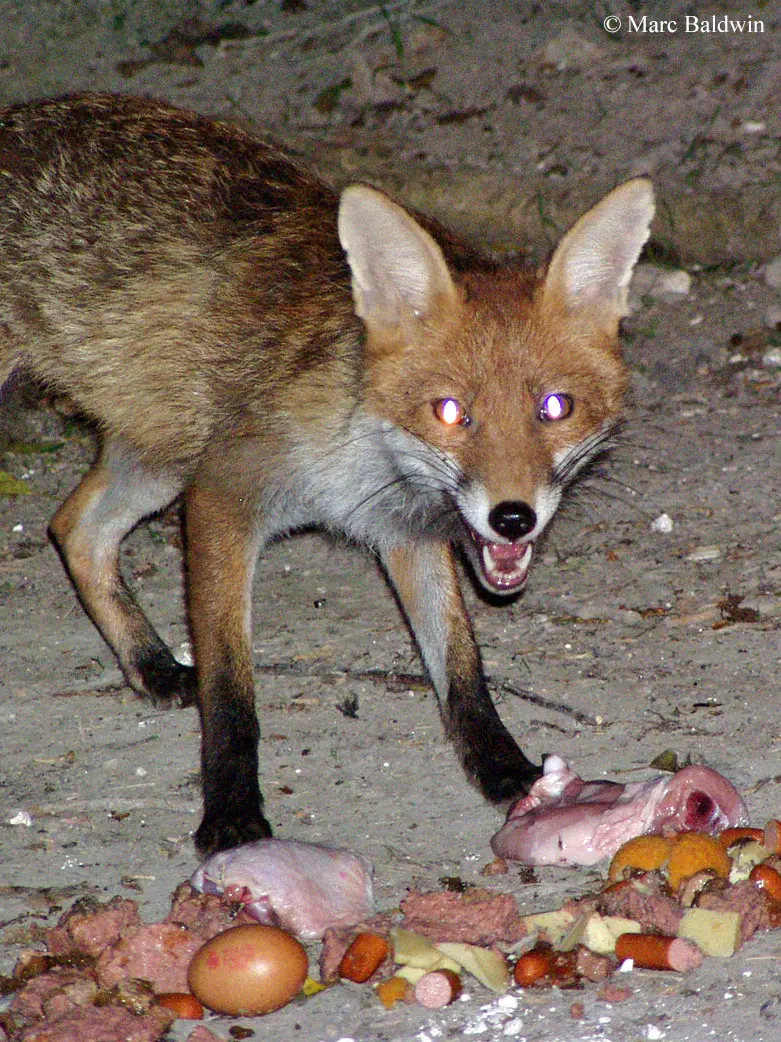
Urban foxes have adapted remarkably well to human-dominated landscapes, often becoming scavengers to survive. They frequently visit residential areas to forage through garbage bins, compost heaps, and discarded food items left in gardens. Because they are nocturnal, they often scavenge during the quiet hours of the night, taking advantage of pet food left outdoors or scraps tossed into alleyways.
While human food provides a calorie-dense alternative to hunting, it is rarely as nutritionally balanced as a wild diet. Urban foxes are highly intelligent and learn to associate specific sounds or times of day with the availability of food. They are known to cache, or bury, excess food to retrieve later, which helps them manage periods of scarcity. Despite their success in cities, these foxes remain wary of humans and typically flee if approached, preferring to remain undetected while they forage.
- Scavenging from unsecured residential trash containers.
- Consuming pet food left on porches or in garages.
- Hunting urban pest populations like rats and pigeons.
- Foraging for fallen fruit in residential gardens.
- Digging in compost piles for organic waste.
Why do foxes cache their food?
Caching is a vital survival strategy that involves burying or hiding excess food to consume at a later time. When a fox catches more prey than it can eat in a single sitting, it digs a shallow hole, places the carcass inside, and covers it with soil or leaves. This behavior is particularly common during periods of abundance, such as when rodent populations peak or when a large food source is discovered.
This practice serves as a biological insurance policy against lean times. By storing food, a fox ensures it has a reliable energy source during harsh weather or when hunting success is low. Foxes possess an excellent memory and can recall the precise locations of their hidden caches even after several days. This behavior highlights the fox's ability to plan for the future, which is a key factor in their widespread success as a species across diverse climates.
Common mistakes when feeding foxes
Many people enjoy watching foxes in their gardens and may be tempted to provide food. However, providing the wrong types of food or feeding them too frequently can lead to significant health and behavioral problems. One common mistake is offering processed human foods, such as bread, chocolate, or salty snacks, which can cause digestive distress or long-term nutritional deficiencies.
Another error is creating a dependency on human-provided food. When foxes lose their natural fear of humans, they may become bold, which can lead to conflict with neighbors or increase the risk of the animal being hit by vehicles. Feeding should never be done by hand, as this encourages aggressive behavior and removes the necessary boundaries between wildlife and people. If you choose to offer food, it should be done sparingly and only with high-quality, natural items like unsalted peanuts or small amounts of raw meat.
- Avoid feeding processed bread or sugary treats.
- Never feed foxes by hand to prevent loss of fear.
- Do not leave large amounts of food that attract pests.
- Stop feeding if the fox begins to approach people or pets.
- Use only natural, unsalted, and unseasoned food items.
How does a fox's diet change seasonally?
A fox's diet is highly dynamic and shifts in response to the changing availability of resources throughout the year. In the winter, when vegetation is scarce and insects are dormant, foxes rely heavily on hunting small mammals and scavenging carrion. They must work harder to find calories during these months, often traveling longer distances to patrol their territories in search of food.
As spring arrives, the diet shifts to include more protein-rich options to support the growth of kits. During the summer and autumn, the availability of fruit and insects increases significantly. Foxes take advantage of this bounty, incorporating blackberries, plums, and various beetles into their daily intake. This seasonal transition is essential for the fox to build up fat reserves before the onset of winter, ensuring they have the energy required to survive the coldest months of the year.
Key facts
- Foxes are opportunistic omnivores that consume a diverse diet consisting of small mammals, birds, insects, fruits, and human refuse.
- A red fox typically requires 0.5 to 1 pound of food daily to maintain its body weight and energy levels.
- They possess an acute sense of hearing, allowing them to detect the rustling of small rodents like voles and mice beneath snow or grass.
- Foxes cache excess food by burying it in shallow holes, marking the location with scent to retrieve it during periods of scarcity.
- Feeding wild foxes is strongly discouraged, as it causes them to lose their natural fear of humans and can lead to dangerous behavioral issues.
- To prevent foxes from scavenging in residential areas, secure all trash cans with locking lids and remove fallen fruit or pet food from yards at night.
The bottom line
Foxes are highly adaptable omnivores that play a vital role in controlling rodent populations within their ecosystems. By relying on a varied diet of small prey and seasonal vegetation, they survive in both rural and urban environments. To coexist peacefully with these animals, residents should secure potential food sources and avoid direct interaction, ensuring that foxes maintain their natural wild behaviors rather than becoming dependent on humans.
People also ask
Do foxes eat domestic cats?
While foxes are capable of killing small kittens, they rarely attack adult cats. They generally view cats as competitors and prefer to avoid direct confrontation with them.
Can foxes eat chocolate or grapes?
No, these items are toxic to foxes just as they are to domestic dogs. Ingesting them can cause severe illness or death, so they should never be left where a fox might find them.
Do foxes hunt in packs?
Unlike wolves, foxes are solitary hunters. They prefer to forage and stalk prey alone, though they may occasionally be seen in pairs or small family groups during the breeding season.
How do foxes hunt in deep snow?
Foxes use a technique called "mousing," where they leap high into the air and dive headfirst into the snow to pin down prey. Their ability to sense magnetic fields helps them align their pounce for greater accuracy.
Are foxes dangerous to humans?
Foxes are naturally shy and will almost always flee from human contact. They only pose a risk if they are cornered, sick with rabies, or have been conditioned to associate humans with food.
What should I do if I find an injured fox?
Do not attempt to handle the animal yourself. Contact a local wildlife rehabilitator or animal control agency, as they have the proper equipment and training to safely capture and treat injured wildlife.
This answer was created with the help of AI research tools and reference sources. Spotted an error? Let us know — we correct mistakes quickly. See our editorial policy.