Why is drinking water important?
Short answer
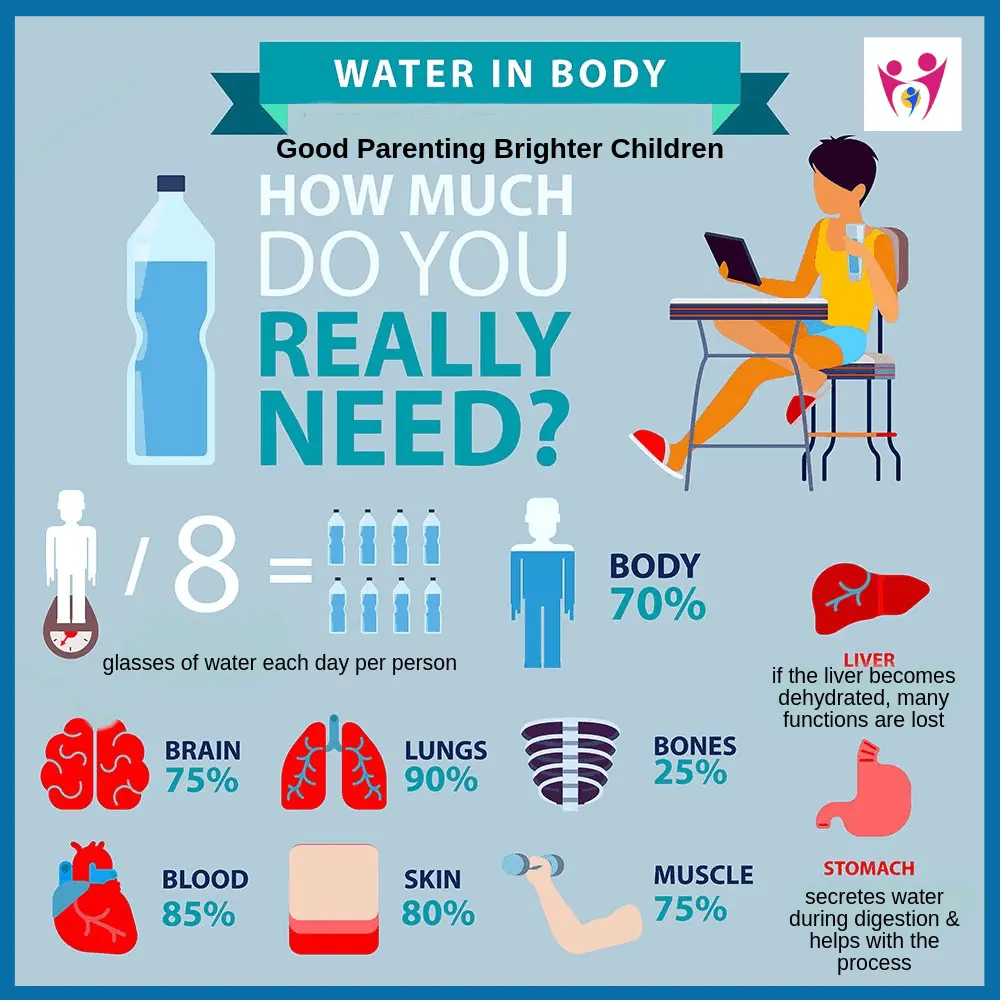
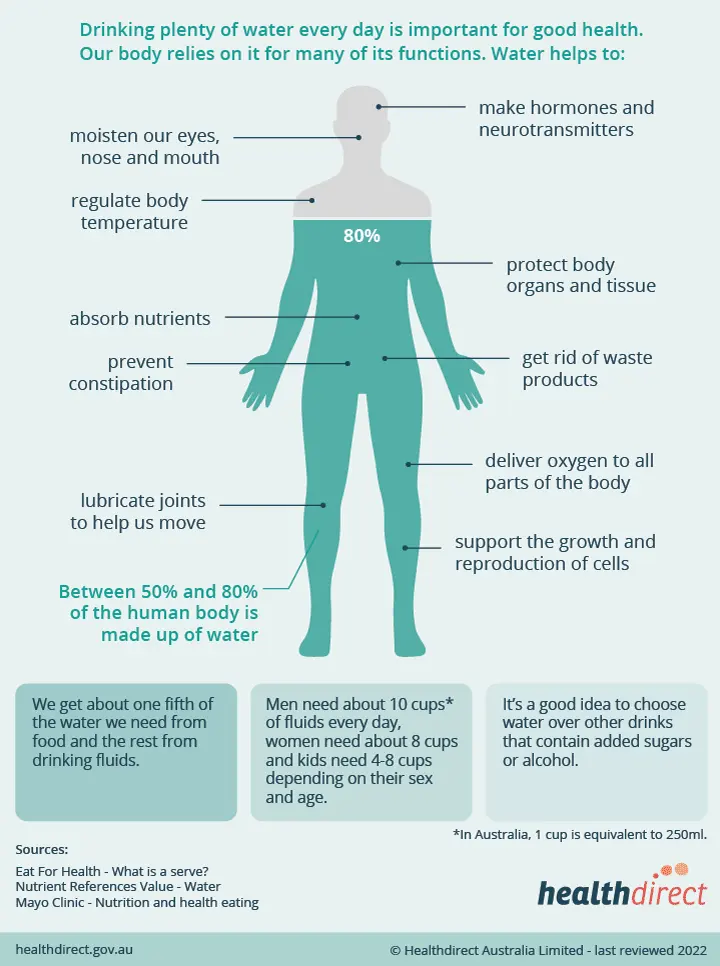
Water is essential for life because it makes up about 60 percent of the human body. It regulates temperature, lubricates joints, transports nutrients to cells, and flushes out waste products. Without adequate hydration, the body cannot function efficiently, leading to fatigue, impaired cognitive performance, and serious complications like kidney stones or heatstroke.
On this page
Why does the body need water?
Water serves as the primary building block for every cell, tissue, and organ in the human body. It acts as a universal solvent, allowing blood to transport oxygen, glucose, and essential minerals to muscles and organs. Furthermore, water is vital for thermoregulation; when your internal temperature rises, the body releases water through the skin as sweat, which cools you down as it evaporates.
Beyond temperature control, water is crucial for digestion and waste removal. It helps break down food so your body can absorb nutrients effectively and keeps the digestive tract moving to prevent constipation. It also cushions sensitive tissues, such as the spinal cord and brain, acting as a shock absorber. When you are properly hydrated, your kidneys can filter waste from your blood and excrete it through urine, preventing the buildup of toxins that can lead to health issues.
How much water should you drink daily?
The common advice to drink eight glasses of water a day is a simple guideline, but individual needs vary based on age, activity level, and climate. The National Academies of Sciences, Engineering, and Medicine suggests that men consume about 15.5 cups (3.7 liters) and women consume 11.5 cups (2.7 liters) of fluids daily. This total includes water from all beverages and moisture-rich foods like fruits and vegetables.
You may need to increase your intake under specific circumstances:
- High-intensity exercise that causes significant sweat loss.
- Hot or humid weather conditions that increase perspiration.
- Periods of illness, particularly if you are experiencing a fever, vomiting, or diarrhea.
- Pregnancy or breastfeeding, which increases the body’s metabolic demand for fluids.
If you are unsure if you are drinking enough, the color of your urine is a reliable indicator. Pale, straw-colored urine usually suggests proper hydration, while dark yellow or amber-colored urine often indicates that you need to drink more water immediately.
What are the symptoms of dehydration?
Dehydration occurs when your body loses more fluid than it takes in, preventing it from carrying out normal functions. Even mild dehydration—a loss of just 1 to 2 percent of your body weight—can lead to noticeable physical and mental decline. Early warning signs often appear before you feel intense thirst, making it important to monitor your body’s subtle cues throughout the day.
Common symptoms of dehydration include:
- Persistent headaches and dizziness.
- Dry mouth, lips, and tongue.
- Decreased urine output or dark-colored urine.
- Fatigue, lethargy, or feelings of confusion.
- Muscle cramps and reduced physical endurance.
If dehydration is left unaddressed, it can escalate into a medical emergency. Severe cases may result in rapid heartbeat, sunken eyes, low blood pressure, and delirium. If you suspect someone is suffering from severe dehydration, especially in a hot environment, seek medical attention immediately, as the condition can progress to heat exhaustion or heatstroke very quickly.

Common mistakes when staying hydrated
Many people struggle to maintain consistent hydration because they rely on thirst as their only signal. By the time you feel thirsty, you are often already mildly dehydrated. Another frequent error is substituting water with sugary beverages like soda, energy drinks, or excessive amounts of coffee. These drinks can lead to blood sugar spikes or act as mild diuretics, which may not provide the same hydrating benefits as plain water.
To improve your hydration habits, follow these practical steps:
- Keep a reusable water bottle with you throughout the day to make sipping convenient.
- Drink a glass of water immediately upon waking up to replenish fluids lost during sleep.
- Infuse your water with slices of lemon, cucumber, or mint if you find the taste of plain water boring.
- Eat water-dense snacks like watermelon, strawberries, celery, or cucumbers to supplement your fluid intake.
Avoid waiting until the end of the day to "catch up" on your water intake. Drinking large quantities of water in a very short period can put unnecessary stress on your kidneys and may lead to hyponatremia, a condition where blood sodium levels become dangerously diluted.
How to build a healthy hydration routine
Consistency is the key to maintaining optimal hydration levels. Rather than focusing on a specific number of glasses, aim to integrate water consumption into your existing daily habits. For instance, make it a rule to drink a glass of water before every meal or during every break at work. This creates a psychological trigger that ensures you are hydrating regularly without needing to track every ounce.
If you find it difficult to remember to drink, use technology to your advantage. Many smartphone applications can send periodic reminders to your device throughout the day. You can also track your progress by marking a physical calendar or using a bottle with time-stamped markings. By making water accessible and incorporating it into your routine, you support your long-term health, improve your energy levels, and ensure that your body operates at its peak performance every single day.
Key facts
- The human body is approximately 60% water, making it essential for every cell, tissue, and organ to function correctly.
- Water acts as a lubricant for joints and protects sensitive tissues like the spinal cord and brain.
- Proper hydration helps the kidneys filter waste products from the blood and excrete them through urine.
- Aim to drink enough fluids so that your urine is pale yellow or clear, which is a reliable indicator of hydration status.
- Drinking a glass of water before meals can aid digestion and help manage appetite by creating a sense of fullness.
- Avoid waiting until you feel thirsty to drink, as thirst is a lagging indicator that your body is already mildly dehydrated.
The bottom line
Water is the fundamental fuel for human survival, supporting everything from cognitive function and temperature regulation to joint lubrication and waste removal. By maintaining consistent hydration, you optimize your physical performance and long-term health. Prioritize drinking water throughout the day rather than waiting for thirst, and listen to your body’s signals to ensure you remain energized, focused, and physically resilient in your daily life.
People also ask
How much water should I drink every day?
While the traditional advice is eight 8-ounce glasses, the National Academies of Sciences, Engineering, and Medicine suggests about 15.5 cups for men and 11.5 cups for women daily. This total includes fluids from food and other beverages, not just plain water.
Can I get enough water from coffee and tea?
Yes, caffeinated beverages contribute to your total daily fluid intake. While caffeine has a mild diuretic effect, it does not offset the hydration provided by the water content in the drink.
Does drinking water improve skin health?
Staying hydrated helps maintain skin elasticity and may reduce the appearance of fine lines caused by dryness. However, it is not a substitute for topical moisturizers or a comprehensive skincare routine.
What are the symptoms of mild dehydration?
Common signs include dry mouth, fatigue, dizziness, dark-colored urine, and decreased urine output. If you experience these, increase your fluid intake immediately to restore balance.
Is it possible to drink too much water?
Yes, excessive water intake can lead to hyponatremia, a condition where blood sodium levels become dangerously low. This typically occurs in endurance athletes who replace fluid without replacing electrolytes.
Does temperature affect how well water hydrates the body?
Water temperature does not significantly impact the body's ability to absorb fluids. You should choose the temperature you prefer, as it encourages you to drink more consistently throughout the day.
This answer was created with the help of AI research tools and reference sources. Spotted an error? Let us know — we correct mistakes quickly. See our editorial policy.