How long do peacocks live?
Short answer
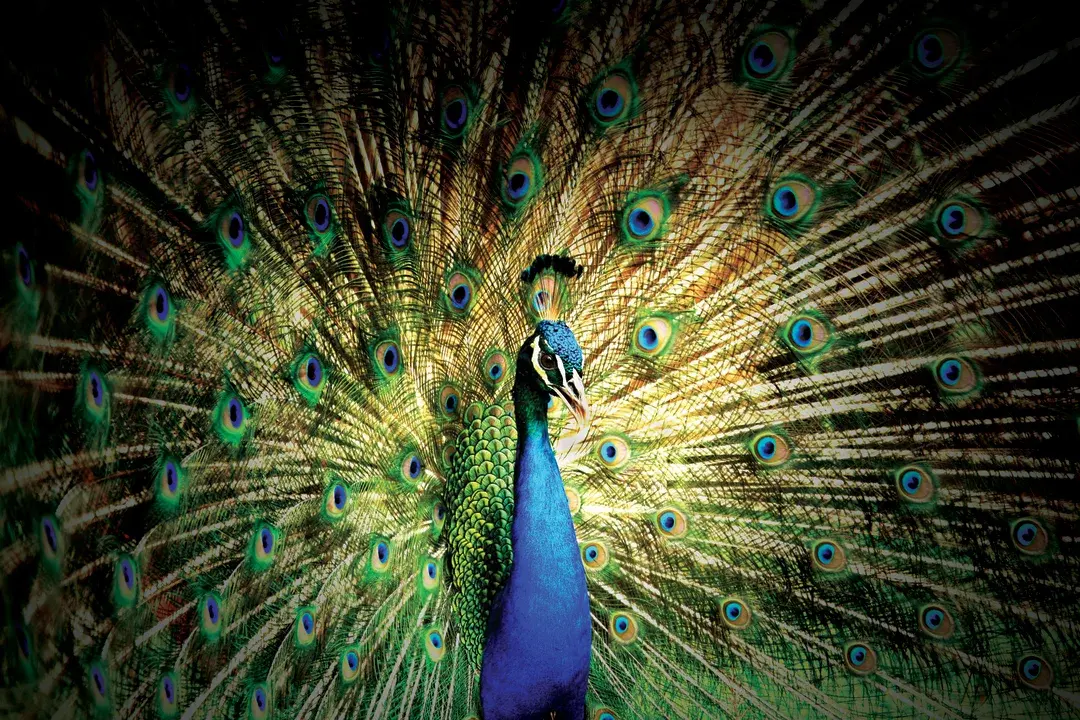
Peacocks, more accurately known as peafowl, typically live between 10 and 25 years. In the wild, their lifespan is often shorter due to predation and environmental stressors. However, when kept in captivity with proper veterinary care, protection from predators, and a consistent diet, these birds can frequently reach the upper end of that range.
On this page
How long do peacocks live in captivity versus the wild?
The lifespan of a peacock is heavily influenced by its environment. In controlled settings such as zoos, private aviaries, or protected farms, peafowl often live for 20 to 25 years. These birds benefit from regular access to high-quality food, fresh water, and specialized avian medical care. Because they are shielded from natural threats, they can reach an age that is rarely achieved in their native habitats.
In the wild, peafowl face significantly higher mortality rates. Factors such as habitat loss, competition for resources, and predation by large cats or birds of prey often limit their lives to 10 to 15 years. While they are resilient creatures, the constant need to forage and defend against threats takes a physical toll. Understanding these environmental differences is essential for anyone considering keeping these birds as ornamental pets or livestock.
What factors influence peacock health and longevity?
Several biological and environmental elements determine how long a peacock thrives. Genetics play a foundational role, as some bloodlines are naturally more robust than others. Furthermore, the bird’s stress levels significantly impact its immune system. Peafowl are social creatures that require adequate space to exhibit natural behaviors, such as foraging and dust bathing. When confined to cramped, unsanitary, or isolated conditions, their health declines rapidly.
Dietary habits also dictate lifespan. A balanced intake of proteins, grains, and greens is necessary to prevent nutritional deficiencies. Owners must ensure their birds have access to:
- High-protein game bird feed or poultry pellets.
- Fresh leafy greens like kale or spinach.
- Clean, grit-supplemented water for proper digestion.
- Occasional treats like mealworms or cracked corn.
- A clean, dry shelter to prevent respiratory infections.
How to care for peacocks for maximum lifespan?
Providing a long, healthy life for a peacock requires a proactive approach to husbandry. You must establish a routine that prioritizes hygiene and safety. A primary goal is to prevent the introduction of parasites, which can quickly overwhelm a bird’s system. Regularly cleaning the coop and rotating outdoor enclosures helps minimize the buildup of bacteria and worms that lead to chronic illness.
Beyond sanitation, physical security is paramount. Peacocks are vulnerable to foxes, coyotes, and stray dogs, especially at night when they roost. Implementing a strict security protocol ensures they survive into old age. Follow these steps to maintain a secure environment:
- Construct a predator-proof coop with hardware cloth instead of chicken wire.
- Ensure the enclosure is tall enough for the birds to roost high off the ground.
- Install motion-activated lighting to deter nocturnal predators.
- Schedule annual check-ups with an avian veterinarian to screen for common diseases.
Common mistakes when raising peacocks?
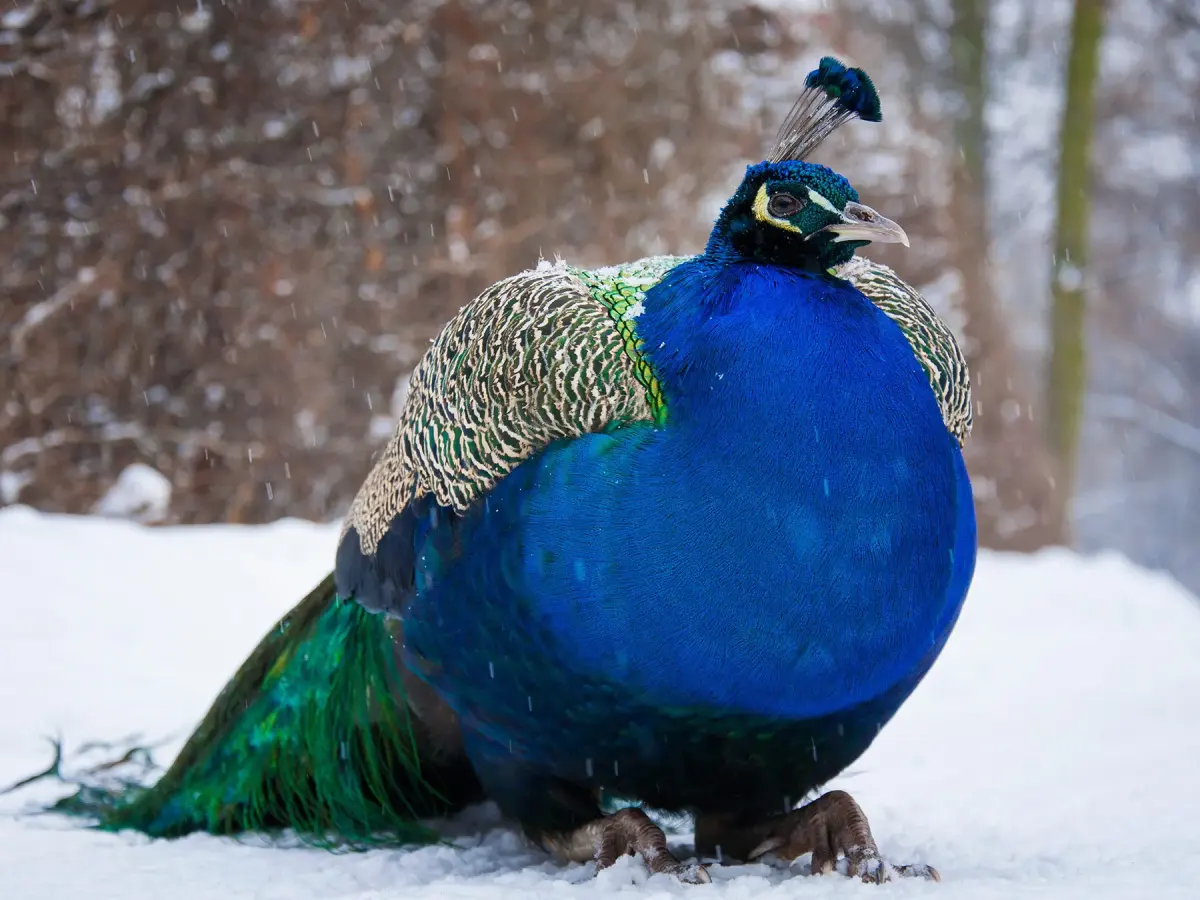
Many new keepers make the mistake of assuming peacocks are low-maintenance birds that can fend for themselves. While they are hardy, they are not entirely self-sufficient in a domestic setting. One frequent error is failing to provide adequate shelter from extreme weather. Peafowl are sensitive to damp, cold conditions, which can lead to frostbite on their feet or pneumonia. Keeping them in a draft-free, dry environment during winter is non-negotiable for their long-term health.
Another common oversight is improper feeding. Some owners provide only kitchen scraps, which lack the essential vitamins and minerals required for long-term vitality. Overfeeding corn or other high-carbohydrate foods can lead to obesity, which puts significant strain on a peacock’s heart and joints. Always consult with a veterinarian to determine the appropriate dietary balance based on the bird's age and activity level. Avoid using medicated feeds intended for other poultry species without professional guidance, as these can sometimes be toxic to peafowl.
Why do peacocks experience health declines?
As peacocks age, they become more susceptible to degenerative conditions, much like other avian species. Joint pain, specifically arthritis, is common in older birds, making it difficult for them to move or reach their roosting spots. Owners should observe their birds for signs of lethargy, limping, or changes in feather quality. If a bird begins to isolate itself from the flock, it is often an indicator of underlying pain or illness that requires immediate attention.
By the time a peacock reaches its late teens, its metabolism slows down, and its immune system may not respond as effectively to common pathogens. Providing easy access to food and water, along with ramps or lower perches, can significantly improve the quality of life for an aging bird. While you cannot stop the natural aging process, diligent monitoring and compassionate care ensure that your peacocks live out their full potential in comfort and security.
Key facts
- Peacocks, technically known as peafowl, typically live for 10 to 20 years in the wild.
- In captivity, with proper care and protection from predators, they can live up to 25 years or longer.
- The term "peacock" refers specifically to the male, while the female is a peahen and the species is peafowl.
- Diet, shelter, and veterinary care are the three most critical factors influencing a captive bird's lifespan.
- Common mistakes include feeding them exclusively grain, which lacks essential proteins and vitamins needed for longevity.
- Always ensure they have access to a secure, predator-proof enclosure to prevent early death from foxes or stray dogs.
The bottom line
While wild peafowl generally live between 10 and 20 years, captive birds often reach their mid-twenties with diligent care. Longevity depends heavily on providing a balanced diet, regular veterinary checkups, and a secure environment that guards against predators and harsh weather. By understanding these specific needs and avoiding common husbandry mistakes, owners can ensure their birds lead healthy, full lives in a domestic setting.
People also ask
Do male and female peafowl live for the same amount of time?
Yes, both males and females have similar biological life expectancies. However, males may face slightly higher risks in the wild due to their large, cumbersome tails, which can make escaping predators more difficult.
What is the most common cause of death for pet peafowl?
Predation is the leading cause of death for peafowl kept in outdoor enclosures. Owners often fail to secure the top of the pen, allowing owls, hawks, or climbing mammals to attack the birds at night.
Do peafowl require special vaccinations to live a long life?
Peafowl are susceptible to diseases like blackhead and Marek’s disease. Consult a local avian veterinarian to establish a vaccination schedule and parasite control program to prevent these common, often fatal, illnesses.
Can peafowl survive in cold climates?
While they are native to tropical regions, peafowl are surprisingly hardy if provided with a dry, draft-free shelter during winter. If they remain damp or exposed to freezing winds, their health will decline rapidly, significantly shortening their lifespan.
How can I tell if my peafowl is aging?
Aging birds often show reduced activity levels, duller plumage, and stiffness in their joints. You may notice they spend more time resting and have difficulty jumping onto high perches.
Should I keep peafowl in pairs or groups?
Peafowl are social creatures and thrive in small groups. Keeping them isolated can lead to stress, which weakens their immune system and makes them more vulnerable to health complications.
This answer was created with the help of AI research tools and reference sources. Spotted an error? Let us know — we correct mistakes quickly. See our editorial policy.