How long do axolotls live?
Short answer
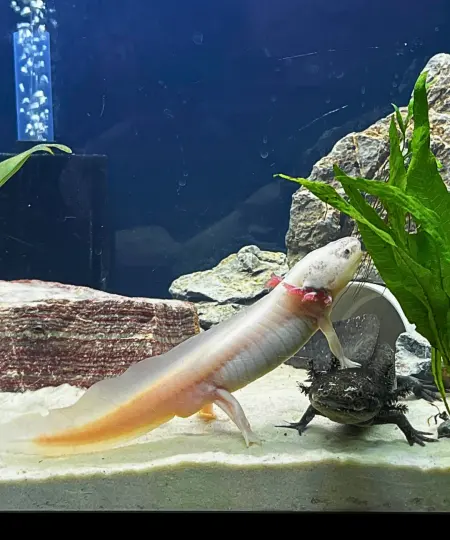
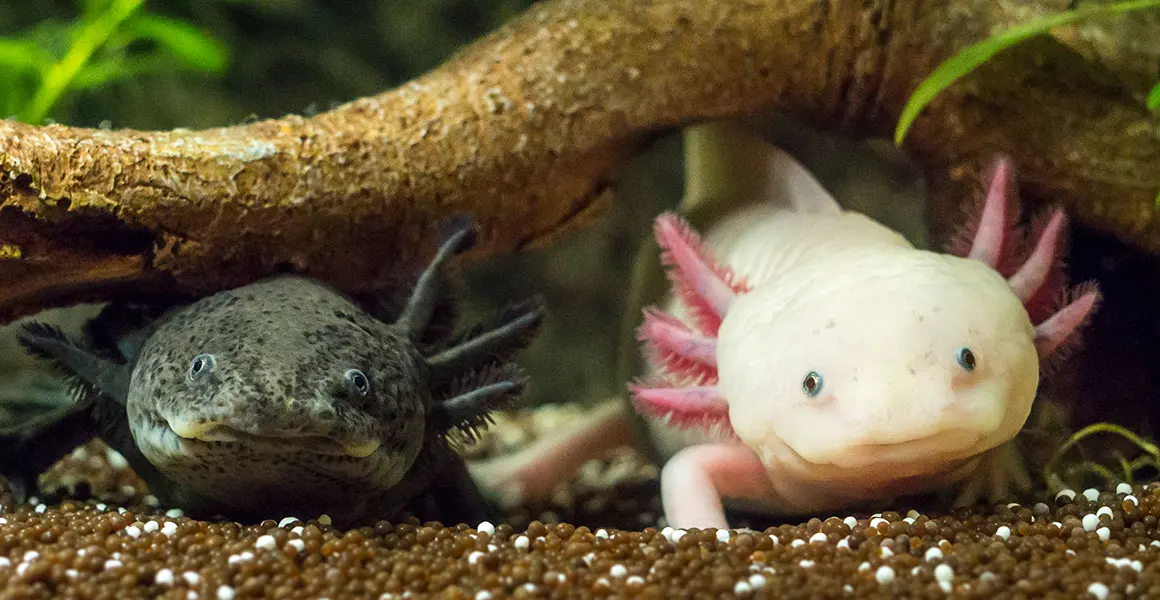
Axolotls typically live between 10 and 15 years in captivity when provided with optimal care. While some individuals have been known to reach 20 years of age, such longevity is rare and depends heavily on water quality, diet, and genetics. In the wild, their lifespans are significantly shorter due to environmental threats.
On this page
How long do axolotls live in captivity versus the wild?
In a well-maintained home aquarium, an axolotl is expected to live for over a decade. Owners who prioritize stable water parameters and stress-free environments often see their pets reach the 15-year mark. Consistent monitoring of health and behavior is the primary factor in extending their life expectancy beyond the average range.
Conversely, wild axolotls face a much harsher reality. Native exclusively to the lake complex of Xochimilco in Mexico, these amphibians are critically endangered. Pollution, invasive fish species, and habitat destruction have drastically reduced their numbers. Consequently, wild axolotls rarely survive as long as their captive counterparts, often falling victim to predation or environmental degradation long before reaching their biological potential.
What factors influence axolotl lifespan?
The longevity of an axolotl is dictated by several critical environmental and biological factors. Because they are neotenic—meaning they retain their larval features throughout their entire lives—they are particularly sensitive to changes in their aquatic surroundings. Providing a stable habitat is the most effective way to ensure they reach their full age potential.
Key factors that influence how long your axolotl will live include:
- Water temperature: They thrive in cool water between 60°F and 68°F (15°C–20°C).
- Water quality: Ammonia, nitrites, and nitrates must be kept at near-zero levels.
- Diet: A varied diet of high-quality protein, such as earthworms or specialized pellets, is essential.
- Stress levels: Minimal handling and the absence of aggressive tank mates are vital for long-term health.
How to provide the best care for a long life
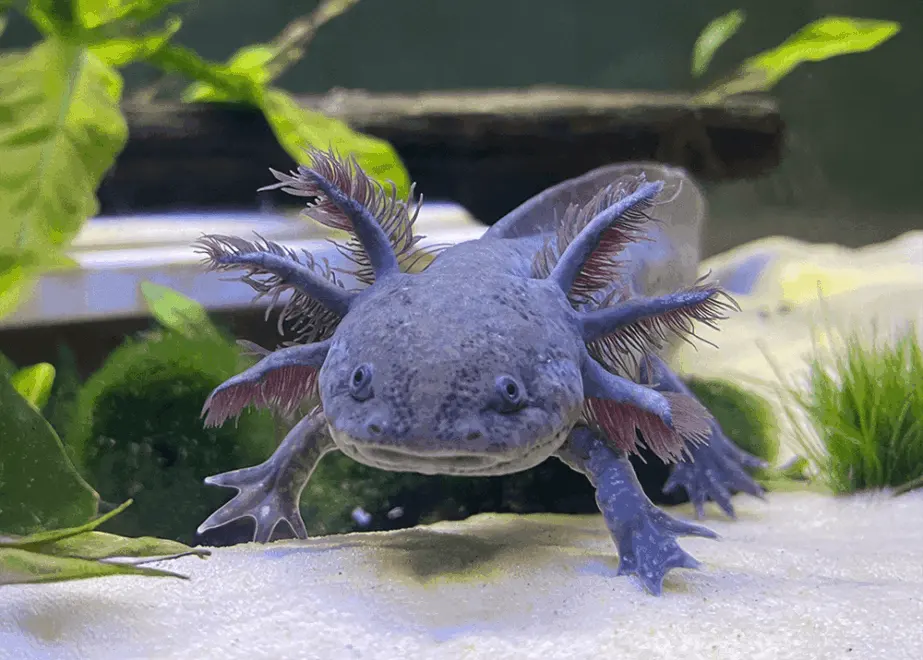
Providing proper care requires a commitment to routine maintenance and observation. An axolotl’s health is a direct reflection of its environment, so establishing a strict schedule is necessary for success. By following these steps, you can create a habitat that supports a long and healthy life for your pet.
- Cycle your aquarium thoroughly before introducing the axolotl to ensure beneficial bacteria are established.
- Perform weekly water changes of 20% to 30% to remove accumulated waste products.
- Use a low-flow filtration system to avoid stressing the animal with strong currents.
- Keep the tank in a quiet, low-light area of the home to prevent unnecessary agitation.
- Monitor the axolotl daily for signs of illness, such as curled gills or floating abnormally.
Common mistakes when keeping axolotls
Many beginners inadvertently shorten their axolotl's lifespan by making common husbandry errors. One of the most frequent mistakes is keeping the water temperature too high, which causes metabolic stress and weakens their immune system. Another issue is the use of improper substrate, such as small gravel, which the axolotl may ingest and suffer from fatal impaction.
Owners should also avoid these frequent pitfalls:
- Overfeeding, which leads to obesity and poor water quality due to excess waste.
- Using tap water without a proper dechlorinator, as chlorine and chloramines are toxic to amphibians.
- Housing axolotls with other fish, which may nip at the axolotl’s delicate gills or introduce pathogens.
- Neglecting to test water parameters regularly, allowing toxins to build up unnoticed.
Why axolotl health monitoring is essential
Regular health checks are the best defense against premature death. Because axolotls are hardy creatures, they may not show symptoms of illness until a condition has become advanced. By spending time observing your pet, you can detect subtle changes in behavior or appearance that indicate a need for immediate intervention or veterinary consultation.
Healthy axolotls should have vibrant skin, active appetites, and gills that are held in a relaxed, forward-facing position. If you notice a loss of appetite, white spots on the skin, or a sudden change in activity levels, investigate the water parameters immediately. Early detection of stress or disease is often the difference between a pet that lives for a few years and one that reaches its full, long-term potential. Consistent, proactive care remains the gold standard for any dedicated axolotl keeper.
Key facts
- Axolotls typically live between 10 and 15 years in captivity when provided with optimal care.
- Proper water temperature is critical, as they thrive in cool conditions between 60°F and 68°F (15°C–20°C).
- A common mistake is keeping them in water that is too warm, which causes significant metabolic stress and shortens their lifespan.
- They require a minimum tank size of 20 gallons, though 40 gallons is preferred to maintain stable water chemistry.
- Filtration systems must be gentle, as strong currents can cause axolotls to become stressed and stop eating.
- Avoid using gravel in the tank, as axolotls often swallow it while feeding, which leads to fatal intestinal impaction.
The bottom line
Axolotls are long-lived amphibians that can remain healthy for over a decade with dedicated maintenance. Their longevity depends entirely on your ability to replicate their cool, clean, and quiet natural environment. By avoiding common hazards like gravel and high temperatures, you provide the stability they need to thrive. Consistent water monitoring remains the most effective way to ensure your axolotl reaches its full potential lifespan.
People also ask
Do axolotls live longer in the wild than in captivity?
No, axolotls generally live shorter lives in the wild due to predation, habitat loss, and pollution. In their natural habitat of Lake Xochimilco, they rarely reach the longevity seen in well-maintained home aquariums.
Can axolotls regenerate their limbs throughout their entire lives?
Yes, axolotls possess the remarkable ability to regenerate lost limbs, heart tissue, and even parts of their brains throughout their lifespan. This biological trait remains active regardless of their age, provided they are in good health.
What is the most common cause of premature death in pet axolotls?
Poor water quality is the leading cause of premature death, specifically the buildup of ammonia, nitrites, and nitrates. Regular water testing and frequent partial water changes are essential to prevent toxic chemical spikes.
Do axolotls need a companion to live a long life?
No, axolotls are solitary creatures and do not require companionship to thrive. In fact, keeping multiple axolotls together can lead to territorial nipping or accidental ingestion of tank mates.
How can I tell if my axolotl is stressed?
A stressed axolotl often displays forward-curled gill filaments, a lack of appetite, and constant pacing against the glass. If you notice these signs, check your water parameters and temperature immediately to identify the environmental stressor.
Should I handle my axolotl frequently?
You should avoid handling your axolotl as much as possible because their skin is delicate and covered in a protective slime coat. Human oils and bacteria can cause infections, and the stress of handling can significantly impact their long-term health.
This answer was created with the help of AI research tools and reference sources. Spotted an error? Let us know — we correct mistakes quickly. See our editorial policy.