How big do axolotls get?
Short answer
Axolotls typically reach an adult length of 8 to 12 inches (20 to 30 centimeters). While some individuals may grow slightly larger under optimal conditions, specimens exceeding 14 inches are rare. They usually reach this mature size between 12 and 18 months of age, depending on their diet, water quality, and genetics.
On this page
How big do axolotls grow on average?
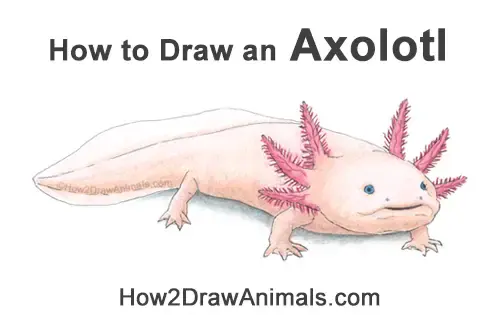
The average captive axolotl measures between 9 and 10 inches in length. While sexual maturity is often reached by the time they are 6 to 8 inches long, they continue to put on mass and length for several months afterward. Males and females differ slightly in their physical build; males generally have longer tails relative to their body size, while females often appear wider or "rounder" once they reach full maturity due to their reproductive anatomy.
Growth rates are highly dependent on the environment provided by the keeper. An axolotl that is kept in a cramped tank with poor water quality will often experience stunted growth or health complications. Conversely, those provided with ample swimming space, stable temperatures, and high-quality nutrition are more likely to reach the upper end of the size spectrum. It is important to remember that these animals are neotenic, meaning they retain their larval features throughout their entire life cycle rather than undergoing metamorphosis into a terrestrial salamander.
What factors influence axolotl growth rates?
Nutrition is the most significant factor in determining how quickly and how large an axolotl grows. During their juvenile stage, they require high-protein diets to support rapid tissue development. As they transition into adulthood, their metabolism slows, and their growth rate plateaus. Genetics also play a role, as some lineages are naturally predisposed to larger sizes than others.
- High-protein diet: Feed young axolotls daily with nutrient-dense foods like earthworms or specialized sinking pellets.
- Water temperature: Keep the tank between 60°F and 68°F (16°C–20°C). Warmer water increases metabolism but often causes stress and illness.
- Tank size: Provide at least 20 gallons of water for one adult to ensure they have enough room to swim and exercise.
- Water quality: Perform regular partial water changes to remove nitrates, which can inhibit growth if allowed to accumulate to high levels.
How long does it take for an axolotl to reach full size?
Most axolotls achieve their full adult size within 12 to 18 months. During the first six months of life, growth is exponential, and owners will often notice visible changes in size on a weekly basis. After the one-year mark, the growth rate slows significantly, and the animal focuses more on maintaining body condition and reproductive health rather than increasing in length.
It is a common misconception that axolotls will grow to fit the size of their tank. In reality, a small tank restricts their movement and leads to poor water chemistry, which can permanently stunt their growth and shorten their lifespan. If you are raising a juvenile, it is best to provide a spacious environment from the start. This allows them to reach their genetic potential without the physical limitations imposed by small enclosures or overcrowded conditions.
Common mistakes when raising axolotls
One of the most frequent errors owners make is overfeeding or providing improper nutrition. While axolotls are voracious eaters, feeding them low-quality food like feeder fish can introduce parasites or provide insufficient nutrients. Another mistake is failing to monitor water parameters, specifically ammonia, nitrite, and nitrate levels. Even if an axolotl appears to be growing, poor water quality can lead to "gill curling" or skin infections that compromise their long-term health.
- Using gravel substrate: Axolotls often ingest small stones while eating, which can cause fatal intestinal blockages. Use fine sand or a bare-bottom tank instead.
- Ignoring light sensitivity: These animals do not have eyelids and prefer dim environments. Bright aquarium lights can cause significant stress.
- Overcrowding: Keeping multiple axolotls in a tank that is too small leads to nipping and territorial aggression, which can result in lost limbs or tail damage.
- Using tap water without conditioner: Chlorine and chloramines are toxic to axolotls and must be neutralized before the water enters the tank.
How to measure your axolotl correctly
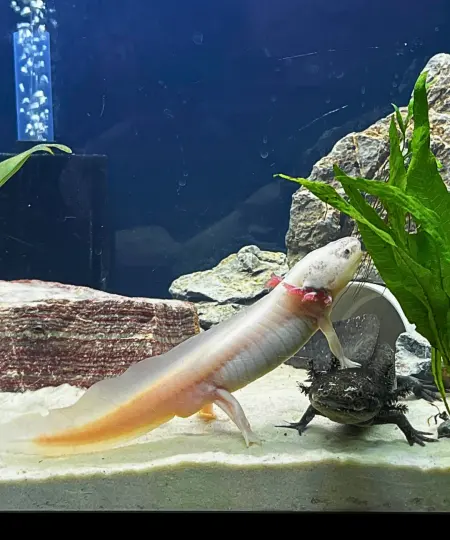
Measuring an axolotl should be done with minimal handling to avoid damaging their delicate slime coat. The best way to get an accurate measurement is to observe them while they are resting against the glass of the aquarium. You can place a ruler against the outside of the glass to estimate their length from the tip of the snout to the end of the tail. Avoid picking them up with your hands, as the oils and heat from human skin can be harmful to their sensitive exterior.
If you must handle your axolotl for health checks, always use wet, soft-mesh nets or clean, wet hands. Keep the duration of the handling as short as possible to minimize stress. Tracking their growth over time can be a helpful way to ensure they are developing properly, but do not become overly concerned if your pet is slightly smaller or larger than the average. As long as the animal is active, has a healthy appetite, and maintains clear, vibrant skin, it is likely thriving in its current environment.
Key facts
- Adult axolotls typically reach a length of 6 to 12 inches, with 9 inches being the average size.
- Males generally grow slightly longer and slimmer than females, who tend to be rounder in the midsection.
- Captive axolotls often grow larger than wild counterparts due to consistent access to high-quality food.
- Growth is most rapid during the first six months of life, requiring a steady supply of protein-rich pellets or worms.
- Providing a tank of at least 20 gallons is essential to ensure the animal has enough space to reach its full potential.
- Stunted growth often occurs in cramped, dirty, or poorly oxygenated water, which can lead to permanent health issues.
The bottom line
Axolotls are fascinating amphibians that typically grow between 6 and 12 inches in length. To ensure your pet reaches its maximum size, provide a spacious, cold-water environment and a consistent, high-protein diet. By maintaining pristine water quality and avoiding common stressors like high temperatures or tank mates, you can support steady growth and help your axolotl live a healthy, long life of over a decade.
People also ask
How long do axolotls live in captivity?
With proper care, axolotls typically live between 10 and 15 years. Maintaining stable water temperatures between 60 and 64 degrees Fahrenheit is critical for their longevity.
What is the best diet to promote healthy growth?
Axolotls are carnivores that thrive on earthworms, bloodworms, and specialized sinking pellets. Avoid feeding them feeder fish, as these can introduce parasites and diseases into the aquarium.
Do axolotls need a heater in their tank?
No, axolotls prefer cold water and can suffer from heat stress if the temperature rises above 70 degrees Fahrenheit. If your home is warm, you may need a water chiller rather than a heater.
Why is my axolotl not growing?
Poor water quality, insufficient tank size, or infrequent feedings are the most common causes of stunted growth. Regularly test your water for ammonia and nitrates to ensure the environment remains healthy.
Can axolotls live with other fish?
It is generally advised to keep axolotls alone, as they may nip at fish fins or accidentally ingest smaller tank mates. Furthermore, most fish require warmer water temperatures that are unsuitable for axolotls.
How often should I clean the tank?
Perform weekly water changes of about 20% to keep waste levels low. Avoid using harsh chemicals or soaps, as these are toxic to the sensitive skin of an axolotl.
This answer was created with the help of AI research tools and reference sources. Spotted an error? Let us know — we correct mistakes quickly. See our editorial policy.