How big do salmon get?
Short answer
Salmon size varies significantly by species and environment. While smaller species like the pink salmon typically range from 3 to 5 pounds, the massive Chinook salmon can exceed 100 pounds. Most adult salmon weigh between 10 and 30 pounds, though factors like food availability and ocean conditions heavily influence their final growth.
On this page
How big do different salmon species get?
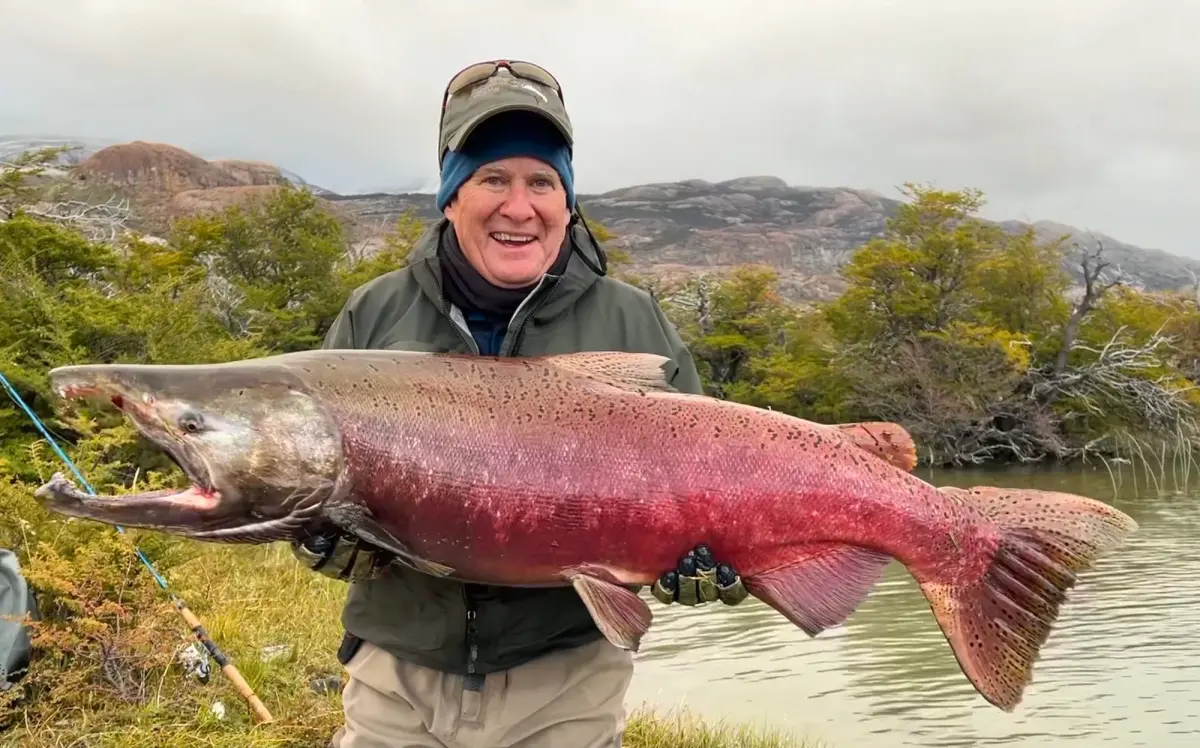
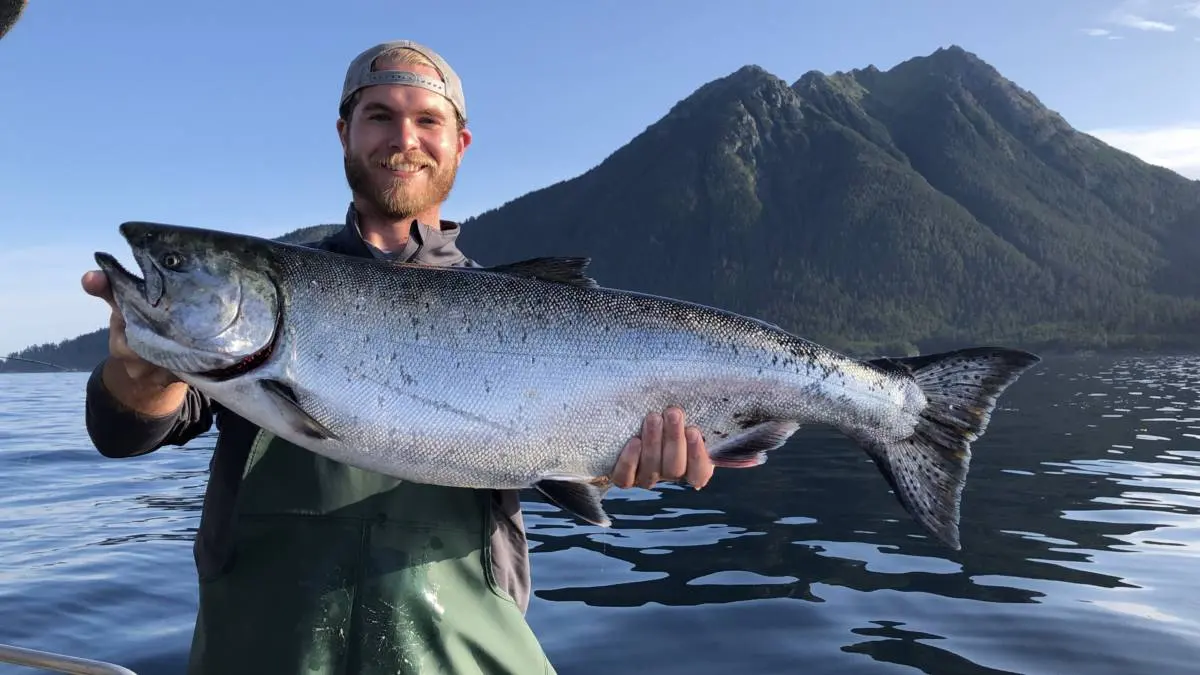
Salmon belong to the genus Oncorhynchus in the Pacific and Salmo in the Atlantic, and their sizes are remarkably diverse. The Chinook, or "King" salmon, is the undisputed giant of the family. These fish frequently reach 30 to 50 pounds, with the world record caught in Alaska in 1985 weighing an astonishing 97 pounds and 4 ounces. In contrast, pink salmon are the smallest of the Pacific species, rarely exceeding 5 pounds.
Other species fall into the middle range of the spectrum. Sockeye and Coho salmon typically weigh between 8 and 15 pounds, while the Atlantic salmon generally reaches 10 to 20 pounds. These variations are largely evolutionary adaptations to the specific rivers and ocean currents the fish navigate. Understanding these differences helps researchers track population health and manage commercial fishing quotas effectively.
- Chinook: 30–50+ pounds
- Atlantic: 10–20 pounds
- Coho: 8–15 pounds
- Sockeye: 5–10 pounds
- Pink: 3–5 pounds
Why do salmon reach such different sizes?
Growth rates in salmon are dictated by a combination of genetics, water temperature, and the abundance of prey. Salmon that spend more years in the nutrient-rich ocean before returning to freshwater to spawn generally reach larger sizes. A Chinook that stays at sea for five years will almost always be significantly larger than one that returns after only three years.
Environmental factors are equally critical to final size. Cold, oxygen-rich waters allow for efficient metabolism, while high-density prey populations—such as herring, sand lance, and squid—provide the caloric intake necessary for rapid growth. Conversely, climate change and warming ocean temperatures can disrupt these food webs. When prey is scarce, salmon may return to their spawning grounds prematurely or at a much smaller body mass than historical averages suggest.
How do biologists measure salmon growth?
Biologists track salmon growth using a variety of scientific methods that go beyond simple length and weight measurements. One of the most common techniques involves analyzing the scales and otoliths, or ear bones, of the fish. These structures grow in concentric rings, much like the rings of a tree, which provide a permanent record of the fish’s age and growth rate throughout its life.
Researchers also utilize tagging programs to monitor individual fish over several years. By capturing, measuring, and releasing salmon with electronic or physical tags, scientists can gather precise data on migration patterns and weight gain. This information is vital for conservation efforts, as it helps determine if specific river systems are producing healthy, robust fish or if populations are suffering from stunted growth due to environmental stressors.
- Capture the fish using non-invasive nets or traps.
- Measure the fork length from the tip of the nose to the fork in the tail.
- Weigh the specimen using a calibrated digital scale.
- Collect a small sample of scales for laboratory analysis.
- Apply a tracking tag if part of a long-term study.
- Release the salmon back into the water immediately.
How to identify a record-sized salmon
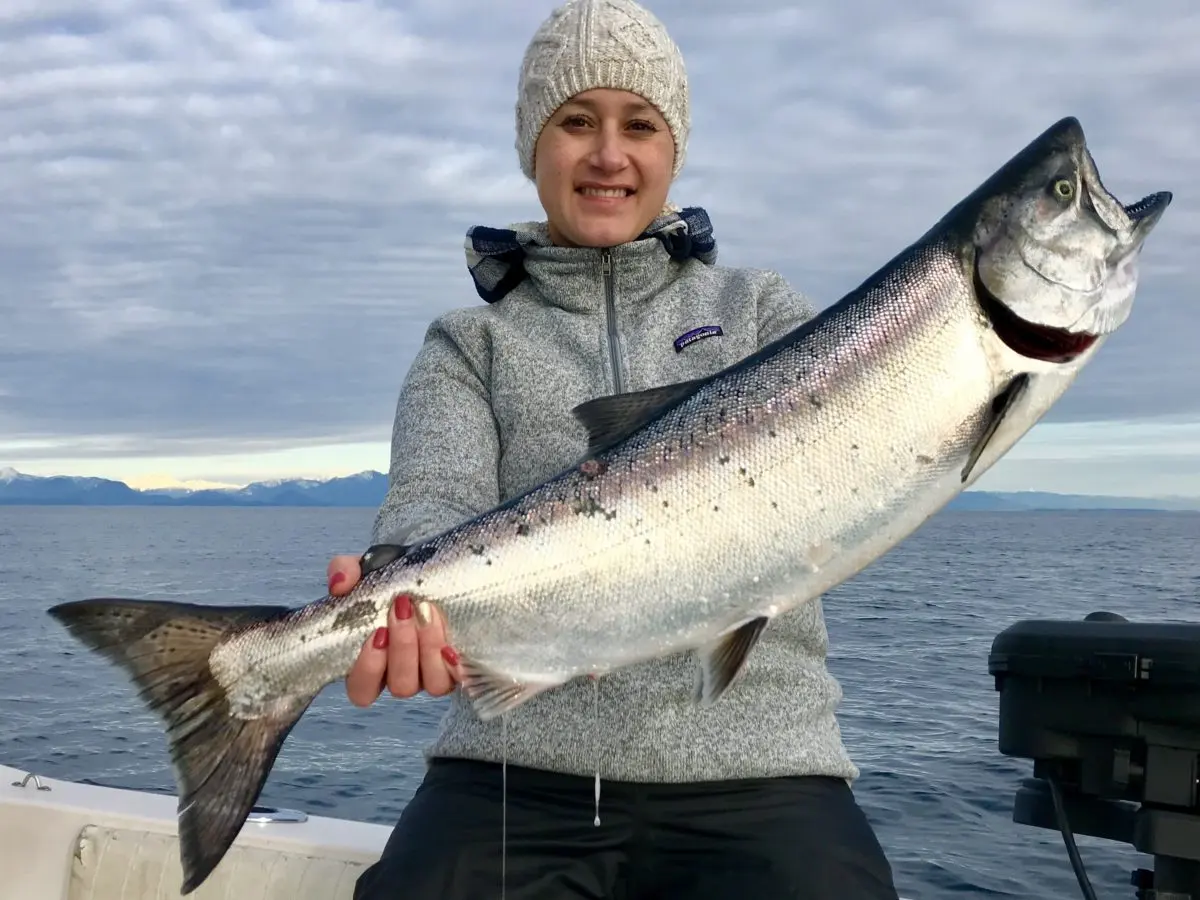
Identifying a truly large salmon requires a keen eye and an understanding of the specific characteristics of each species. A record-sized Chinook will often exhibit a deep, thick body profile and a distinct silver coloration in the ocean, turning to a darker olive or maroon as it enters freshwater. Anglers and scientists look for the "girth-to-length" ratio to determine if a fish is exceptionally large for its species.
It is important to note that male salmon often develop a "kype," or a hooked jaw, as they prepare to spawn. This physical transformation can make the fish appear longer and more intimidating, but it does not necessarily indicate a higher weight. When attempting to identify a potential record, always use a certified scale and document the catch with clear photographs that include a reference object for scale.
Common mistakes when estimating salmon size
One of the most frequent errors people make is relying on visual estimates while the fish is still in the water. Water refraction can make a fish appear significantly larger or closer than it actually is, leading to exaggerated reports. To get an accurate measurement, the fish must be removed from the water and placed on a flat, stable surface, or weighed using a high-quality, handheld digital scale designed for fishing.
Another mistake is failing to account for the physical changes salmon undergo during their spawning migration. As salmon move from salt water to fresh water, they stop eating and begin to metabolize their own body fat. A salmon caught at the mouth of a river will almost always weigh more than an identical fish caught 50 miles upstream. Always record the location of the catch to ensure that size comparisons remain scientifically valid and consistent across different environmental conditions.
Key facts
- The Chinook salmon, also known as the king salmon, is the largest species, with record specimens exceeding 120 pounds.
- Most wild salmon species typically weigh between 5 and 30 pounds depending on their specific life cycle and environment.
- Salmon size is primarily determined by genetics, the abundance of prey in the ocean, and the number of years spent at sea.
- When fishing for trophy-sized salmon, use heavy-duty gear and high-test lines to manage the powerful runs of larger fish.
- Avoid targeting spawning salmon in shallow streams, as these fish are physically depleted and their meat quality is poor.
- Always check local wildlife regulations, as size limits for harvesting salmon vary significantly by region and specific river system.
The bottom line
Salmon size varies dramatically by species and habitat, with the Chinook salmon standing out as the undisputed giant of the family. While most anglers encounter fish in the 10 to 30-pound range, the potential for record-breaking size exists in nutrient-rich northern waters. Understanding the life cycle of these fish is essential for identifying healthy populations and respecting the biological limits of these remarkable migratory species.
People also ask
Do male and female salmon grow to the same size?
In many species, males grow larger than females and often develop distinct physical characteristics like a hooked jaw, known as a kype. Females generally allocate more energy toward egg production rather than overall body mass.
Does a salmon's size change after it enters freshwater to spawn?
Once salmon enter freshwater to spawn, they stop feeding entirely. They lose significant body mass and muscle tissue as they convert stored fat into energy for the journey upstream.
How can you estimate the weight of a salmon without a scale?
You can estimate weight using the formula: (Length x Girth squared) / 800. This calculation provides a close approximation of a fish's weight in pounds when measured in inches.
Are farm-raised salmon larger than wild salmon?
Farmed salmon are often bred to reach a specific market weight quickly, typically between 8 and 12 pounds. While they may appear uniform, they rarely reach the massive proportions of the largest wild Chinook salmon.
Does the water temperature affect how big salmon grow?
Yes, salmon thrive in cold, oxygen-rich water. Warmer temperatures can increase their metabolic rate, forcing them to consume more food just to maintain their current size rather than growing larger.
What is the average lifespan of a large salmon?
Most Pacific salmon live between two and seven years. The longer a salmon remains in the nutrient-rich ocean environment before returning to spawn, the larger it will generally grow.
This answer was created with the help of AI research tools and reference sources. Spotted an error? Let us know — we correct mistakes quickly. See our editorial policy.