How do you start woodworking?
Short answer
Start woodworking by acquiring a basic set of hand tools and focusing on a single, manageable project like a simple box or workbench. Prioritize safety, master measuring and marking techniques, and seek out local workshops or online tutorials. Consistency and patience are essential as you develop foundational skills and tool proficiency.
On this page
What tools do I need to start woodworking?
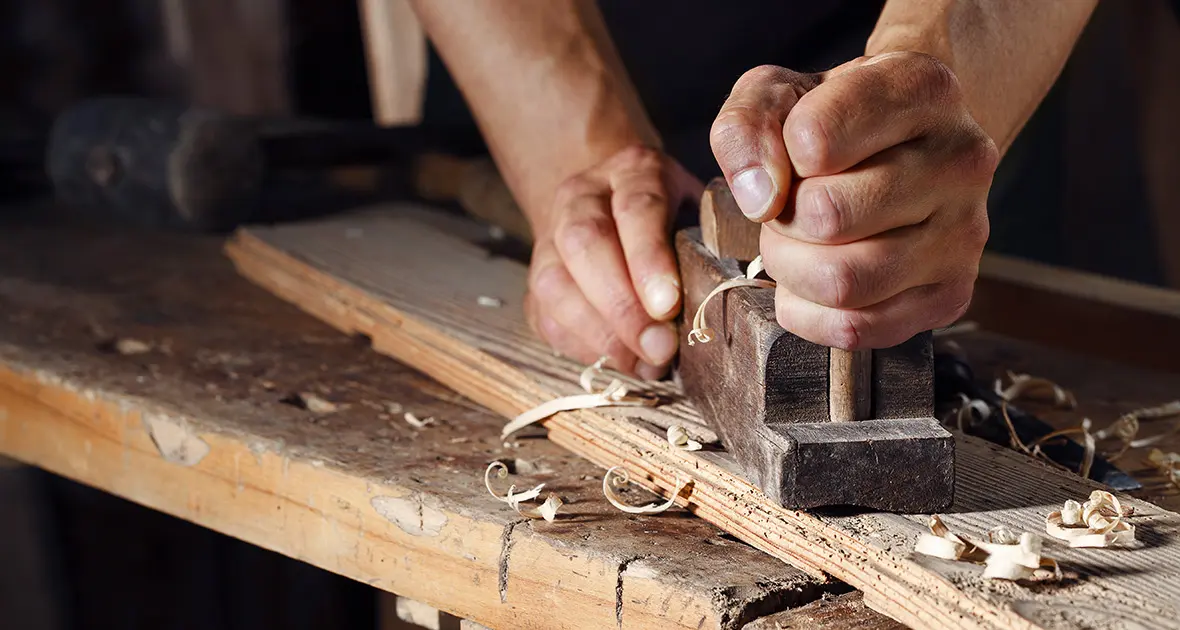
You do not need a shop full of expensive power machinery to begin your journey. A modest collection of high-quality hand tools will allow you to learn the fundamentals of wood movement, grain direction, and joinery. Start by acquiring tools that offer the most versatility for small-scale projects. Focus on precision and safety rather than speed or automation.
To build a functional starter kit, prioritize the following items:
- A reliable tape measure and a combination square for accurate layout.
- A block plane for smoothing edges and adjusting fit.
- A set of sharp wood chisels (1/4, 1/2, and 3/4 inch sizes).
- A crosscut handsaw or a Japanese pull saw for efficient cutting.
- A cordless drill and a set of assorted drill bits.
- A selection of clamps, as you can never have too many.
How do I choose my first woodworking project?
The best beginner projects are those that teach essential skills without requiring complex joinery or expensive materials. Avoid starting with large furniture pieces like dining tables, which demand significant lumber and advanced structural knowledge. Instead, focus on small items that allow you to practice measuring, cutting, and assembly. Completing a project provides the confidence needed to tackle more ambitious designs later.
Consider these three beginner-friendly options:
- A simple tool tote or storage box to practice basic butt joints and glue-ups.
- A cutting board, which introduces you to wood selection, gluing, and surface finishing.
- A sturdy workbench, which serves as a foundational piece of equipment for your future work.
When selecting lumber, choose softwoods like pine or poplar. These materials are inexpensive, easy to work with using hand tools, and forgiving if you make a measurement error. Always buy slightly more material than the project requires to account for potential mistakes.
How long does it take to learn woodworking?
Woodworking is a lifelong pursuit rather than a skill with a definitive graduation date. You can learn the basics of sawing, drilling, and joining wood within a few weekends of focused practice. However, mastering the nuances of wood grain, tool sharpening, and complex joinery takes years of consistent effort. Progress is often measured by the quality of your joints and the efficiency of your workflow.
Expect your learning curve to follow a pattern of incremental gains. In the first six months, you will likely struggle with tool maintenance and accuracy. By the end of the first year, you should be able to complete small projects with minimal guidance. The key is to dedicate consistent time to the shop, even if it is only a few hours each week. Remember that every master woodworker began by making simple, imperfect objects.
Common mistakes when starting woodworking
Many beginners fail because they prioritize buying fancy equipment over learning proper technique. Relying on power tools before understanding how wood behaves often leads to frustration and subpar results. Another frequent error is neglecting tool maintenance. A dull chisel or a poorly tuned saw will make your work significantly harder and more dangerous. Always keep your blades sharp and your workspace organized to maintain control.
Other common pitfalls to avoid include:
- Failing to measure twice and cut once, leading to wasted lumber.
- Ignoring wood grain direction, which causes tear-out and uneven surfaces.
- Rushing the finishing process, which can ruin hours of careful construction.
- Working in a cluttered or poorly lit environment, which increases the risk of injury.
- Attempting to force a tool to cut, which usually indicates the tool is dull or the technique is incorrect.
How to stay safe in the woodshop
Safety must be your highest priority every time you enter the shop. Woodworking involves sharp edges, flying debris, and heavy materials, all of which pose risks if handled improperly. Always wear appropriate personal protective equipment, including safety glasses to protect your eyes and ear protection when using power tools. Never wear loose clothing or jewelry that could get caught in moving parts.
Maintain a clear mind and never work when you are tired or distracted. If you feel frustrated, step away from the bench and return when you are calm. Keep your floor free of sawdust and scrap wood to prevent tripping hazards. Finally, always disconnect power tools before changing bits or blades. By establishing these habits early, you ensure that your woodworking hobby remains an enjoyable and productive activity for many years to come.
Key facts
- A basic starter kit requires only a tape measure, a combination square, a block plane, a crosscut saw, and a set of chisels.
- Softwoods like pine or poplar are the most forgiving and affordable materials for beginners to practice joinery techniques.
- Always measure twice and cut once to account for the "kerf," which is the width of material removed by the saw blade.
- Wood expands and contracts with changes in humidity, so avoid gluing wood grain in directions that fight this natural movement.
- Sharp tools are safer than dull ones because they require less force, reducing the likelihood of the tool slipping during a cut.
- Personal protective equipment, specifically safety glasses and ear protection, is mandatory for every session in the workshop.
The bottom line
Woodworking is a rewarding craft that balances technical precision with creative expression. By starting with a minimal set of essential hand tools and affordable softwood lumber, you can master the fundamental principles of joinery and material preparation. Focus on safety, patience, and the habit of sharpening your tools regularly. Over time, these foundational skills will allow you to build increasingly complex and beautiful furniture pieces.
People also ask
Do I need a full workshop to start woodworking?
You do not need a dedicated shop or expensive power tools to begin. Many master woodworkers started with a single workbench or even a sturdy kitchen table and a small collection of hand tools.
What is the most common mistake beginners make?
The most frequent error is rushing the preparation phase, such as failing to square the edges of boards before assembly. Taking the time to ensure your stock is flat and true makes the joinery process significantly easier and more accurate.
How do I choose the right wood for my first project?
Start with readily available construction-grade lumber like kiln-dried pine or Douglas fir. These woods are inexpensive, allowing you to learn from your mistakes without the financial stress of ruining premium hardwoods like walnut or cherry.
Is it better to learn using hand tools or power tools?
Hand tools are generally recommended for beginners because they teach you how wood grain behaves and how to achieve precision through manual control. Once you understand these fundamentals, transitioning to power tools becomes faster and safer.
How should I finish my wood projects?
For a beginner, a simple wipe-on polyurethane or a natural oil finish like boiled linseed oil is ideal. These finishes are easy to apply with a rag and provide excellent protection without requiring complex spray equipment.
How do I keep my tools sharp?
Invest in a basic sharpening system, such as a set of diamond stones or water stones with a honing guide. A sharp edge is essential for clean cuts, and learning to sharpen is a fundamental skill that every woodworker must master.
This answer was created with the help of AI research tools and reference sources. Spotted an error? Let us know — we correct mistakes quickly. See our editorial policy.