What is the difference between a cello and a double bass?
Short answer
The cello and double bass differ primarily in size, tuning, and orchestral function. The cello is smaller, played seated, and tuned in perfect fifths (C-G-D-A), serving as the tenor-bass voice. The double bass is significantly larger, played standing or on a tall stool, tuned in fourths (E-A-D-G), and provides the foundational low-end frequency.
On this page
How do the sizes and physical builds differ?
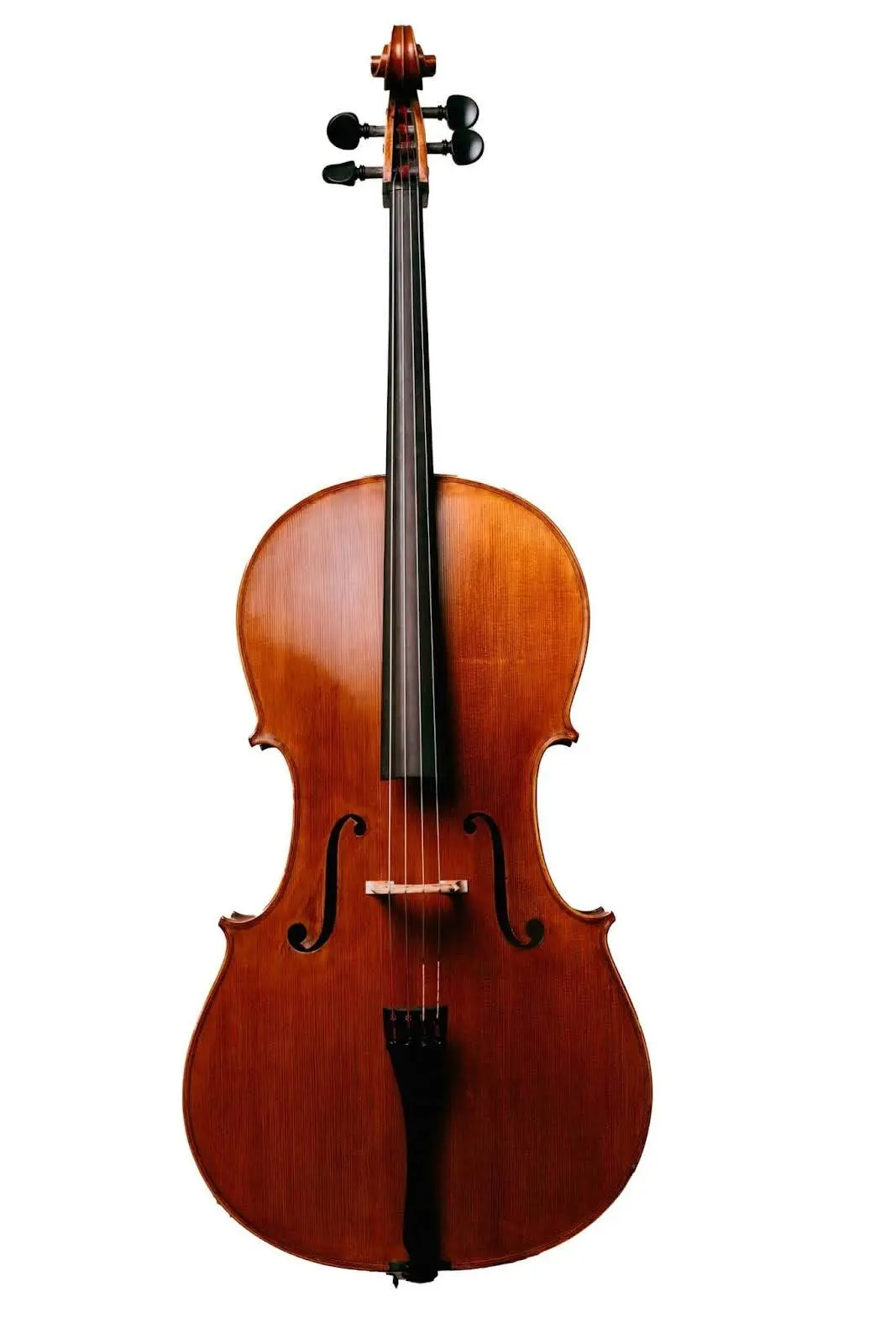
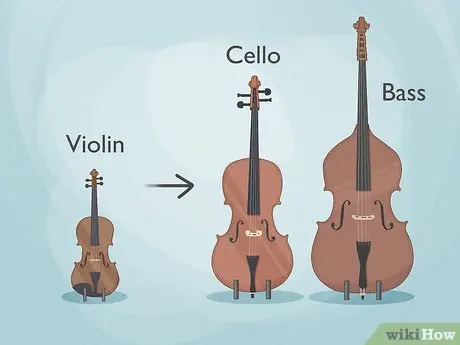
The cello is a medium-sized instrument, typically measuring about 48 inches in length. It features a rounded, elegant body that fits comfortably between the player's knees while they are seated on a chair. Because of its proportions, a cellist can navigate the entire fingerboard with relative ease, allowing for virtuosic passages and rapid technical shifts. The instrument is held upright by an adjustable metal endpin that rests on the floor.
In contrast, the double bass is the largest and lowest-pitched member of the orchestral string family, often standing over six feet tall. Its massive body requires the player to stand or sit on a high stool to reach the strings. Unlike the cello, the bass often features "sloped" shoulders near the neck, which helps the player reach the strings without the instrument's bulk getting in the way. Because of its immense size, the bass is physically more demanding to transport and maneuver during a performance.
What are the tuning and pitch differences?
The most fundamental technical difference between these two instruments is their tuning system. The cello is tuned in perfect fifths, which is consistent with the violin and viola. This configuration allows for a wide melodic range and resonant, ringing tones across the four strings. The standard tuning from low to high is C2-G2-D3-A3. This interval structure makes the cello highly versatile for both solo repertoire and complex orchestral lines.
The double bass is tuned in perfect fourths, which is a unique trait among the modern orchestral string family. This tuning is practical because the instrument’s massive string length would make reaching intervals of a fifth physically impossible for most human hands. The standard tuning from low to high is E1-A1-D2-G2. This fourths-based system simplifies the fingering for the bassist, as it requires less stretching across the fingerboard to play chromatic scales and common bass lines.
How do playing techniques compare?
Playing the cello requires a refined, delicate touch to produce a singing, lyrical quality. Because the strings are shorter and thinner than those of a bass, the cello responds quickly to the bow, allowing for nuanced vibrato and subtle dynamic changes. Cellists use a bow held with an overhand grip, which is essential for maintaining control during intricate passages. The physical posture is standardized, requiring the player to maintain a balanced, upright position while seated.
The double bass requires significantly more physical strength due to the thickness of the strings and the distance between notes. Bassists often use two distinct types of bows:
- The French bow: Held with an overhand grip similar to the cello bow.
- The German bow: Held with an underhand grip, featuring a taller frog for better leverage.
- Ensure your left-hand fingers are curved to press the heavy strings firmly against the fingerboard.
- Use the weight of your arm rather than just finger strength to sustain long notes.
- Keep your posture relaxed to avoid repetitive strain injuries caused by the instrument's size.
When should you choose one over the other?
Choosing between these instruments depends on your musical goals and physical comfort. If you are drawn to melodic, expressive solo playing or chamber music, the cello is an ideal choice. Its literature is vast, spanning from the Baroque era to contemporary works, and it is a staple in every professional orchestra. The cello is also easier to transport in a standard vehicle, making it more practical for students who must travel to lessons or rehearsals frequently.
If you prefer providing the rhythmic and harmonic foundation for an ensemble, the double bass is the superior choice. It is essential in jazz, blues, and classical settings, acting as the "heartbeat" of the music. While the bass is more cumbersome to move, it offers a unique role that is rarely duplicated by other instruments. Consider these factors before committing:
- Storage space: Can you accommodate a large bass case at home?
- Musical style: Do you prefer solo melodic lines or foundational rhythmic support?
- Physicality: Are you prepared for the greater physical exertion required by the bass?
Common mistakes when learning these instruments
One of the most frequent mistakes for beginners is poor posture, which can lead to long-term discomfort or injury. For cellists, a common error is slouching or gripping the neck too tightly, which restricts movement and limits vibrato. Bassists often struggle with "intonation drift," where they fail to adjust their hand positions accurately because the physical distance between notes is so large. Always use a tuner during your initial practice sessions to ensure your pitch remains consistent.
Another common pitfall is neglecting the quality of the bow stroke. Beginners often press too hard into the strings, which chokes the sound and creates a scratchy tone. Instead, focus on the weight of your arm and the speed of the bow to pull a clear, resonant sound from the instrument. Avoid practicing for long periods without breaks, especially on the double bass, as the physical demand is high. By maintaining good form and listening closely to your tone, you will develop the necessary technique to master either instrument successfully.
Key facts
- The cello is tuned in fifths (C-G-D-A), while the double bass is tuned in fourths (E-A-D-G).
- A standard cello is approximately 4 feet tall, whereas a double bass typically stands between 6 and 7 feet tall.
- Cellists play while seated on a chair, but double bassists usually stand or sit on a tall stool.
- The cello uses a shorter, lighter bow; the double bass requires a heavier, more robust bow to vibrate its thicker strings.
- Double bass strings are significantly thicker and longer, requiring more physical force to press down compared to the cello.
- The cello is an essential member of the string quartet, while the double bass is primarily used in orchestral and jazz ensembles.
The bottom line
While both the cello and double bass are foundational string instruments, they serve distinct roles in musical ensembles. The cello offers a versatile, melodic range suitable for solo work and chamber music, while the double bass provides the deep, rhythmic foundation for orchestras and jazz bands. Choosing between them depends on whether you prefer a mid-range, agile instrument or a powerful, low-frequency presence.
People also ask
Can a cellist easily play the double bass?
While both instruments use a bow and share similar fingerboard layouts, the double bass requires different muscle memory due to its size and tuning. A cellist would need to adjust to the wider spacing between notes and the increased physical strength required to depress the strings.
Why is the double bass tuned in fourths instead of fifths?
The double bass is tuned in fourths to minimize the distance the player’s left hand must travel along the long, thick strings. If it were tuned in fifths, the intervals would be too large for a human hand to reach comfortably across the fingerboard.
Is the double bass considered a member of the violin family?
Technically, the double bass is a descendant of the viol family rather than the violin family. It retains sloped shoulders and a flat back, features inherited from the viola da gamba, unlike the rounded shapes of the cello and violin.
How do you transport these instruments?
Cellos are typically carried in a hard or soft case using backpack straps or a handle. Double basses are much larger and usually require a specialized padded gig bag and a wheeled endpin or a dedicated transport cart to move safely.
Which instrument is more difficult for beginners?
The double bass is generally considered more physically demanding for beginners due to its massive size and the tension of the strings. The cello is more accessible for students, though both require significant practice to develop proper intonation and bow control.
Do the two instruments play in the same clef?
The cello primarily reads music in the bass, tenor, and treble clefs. The double bass reads exclusively in the bass clef, but it sounds one octave lower than the written note.
This answer was created with the help of AI research tools and reference sources. Spotted an error? Let us know — we correct mistakes quickly. See our editorial policy.