What is the difference between a deer and an elk?
Short answer
Elk are a specific species of large deer, but they are significantly bigger and heavier than the animals commonly referred to as deer, such as white-tailed or mule deer. While all elk are deer, not all deer are elk. The primary differences involve physical body size, antler shape, and vocalization patterns.
On this page
How to tell the difference by size and appearance
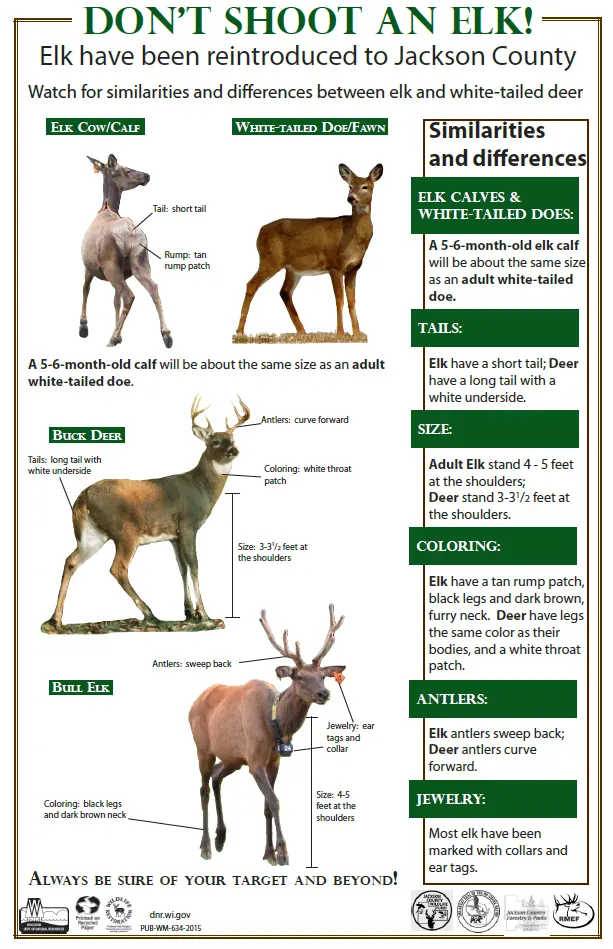
The most immediate way to distinguish an elk from a smaller deer species is by sheer physical scale. An adult bull elk can weigh between 700 and 1,000 pounds, standing roughly five feet tall at the shoulder. In contrast, common North American deer, such as the white-tailed deer, typically weigh between 100 and 300 pounds. Elk possess a distinct, thick neck mane that is often darker than the rest of their coat, which is usually a tan or light brown color.
Deer are generally more slender and delicate in their build, allowing them to navigate dense brush with agility. Elk, while surprisingly fast, are built for power and endurance in mountainous terrain. When observing them in the wild, look for these specific physical markers:
- Elk have a light-colored, cream-toned rump patch that is highly visible.
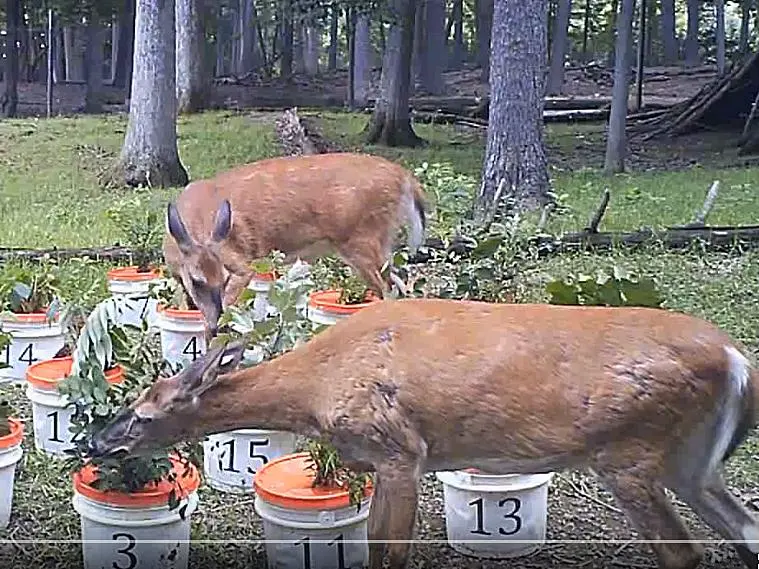
- Deer have tails that are often used for signaling, such as the white underside of a white-tailed deer.
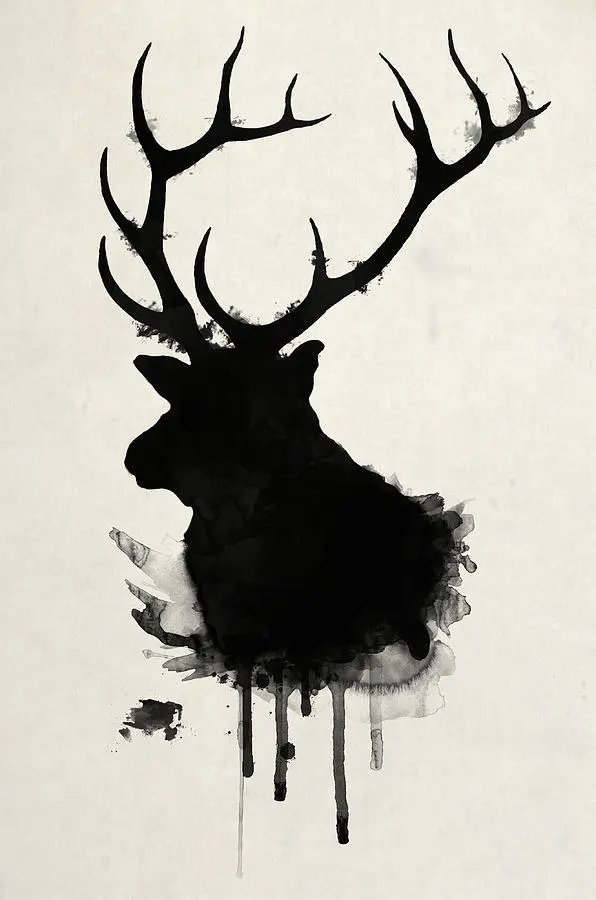
- Elk antlers are massive and branch upward, while deer antlers are typically smaller and more curved.
Why elk antlers look different than deer antlers
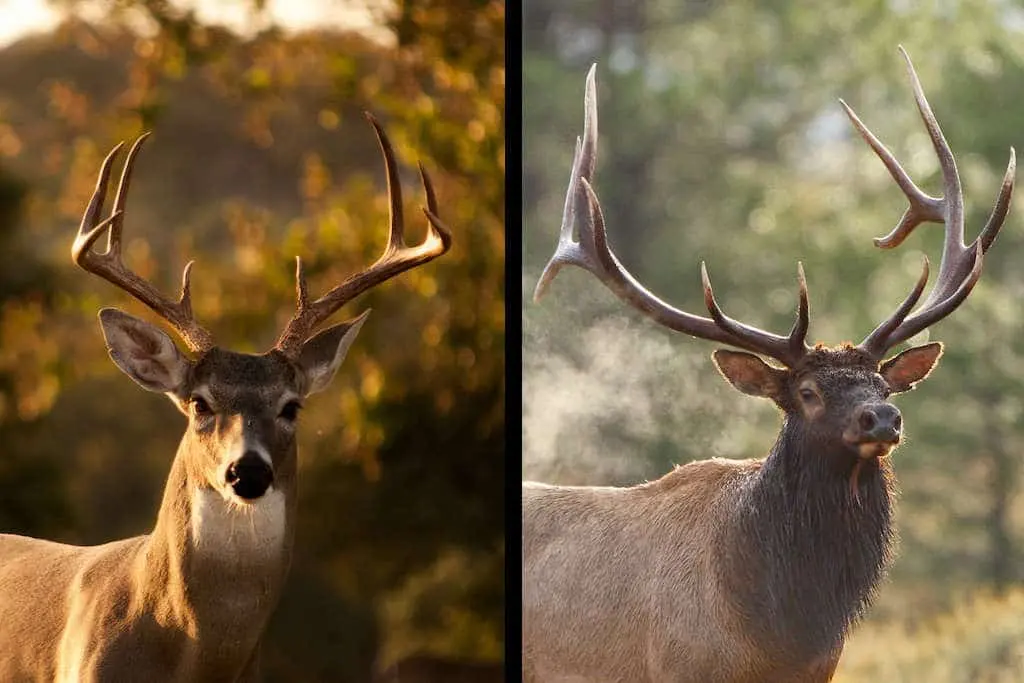
Antlers are a defining feature for both animals, but their growth patterns vary significantly. Elk antlers are heavy, thick, and can reach up to four feet in length, often featuring a distinct "crown" or cluster of points at the top. These antlers are shed annually in the late winter or early spring and regrow during the summer months. The growth is fueled by a velvet-covered tissue that provides blood flow until the antlers harden.
Smaller deer species, such as mule deer or white-tailed deer, have antlers that follow a different architectural style. Mule deer antlers typically fork as they grow, creating a Y-shape, while white-tailed deer antlers grow from a single main beam with points projecting upward. Understanding these shapes helps in field identification:
- Observe the main beam: Elk beams are thick and sweep back significantly.
- Check the branching pattern: Deer antlers usually branch out symmetrically from the main beam.
- Assess the weight: Elk antlers appear heavy and imposing, whereas deer antlers look more proportional to their smaller heads.
What sounds do elk and deer make
Vocalization is a primary behavioral difference that becomes most apparent during the autumn mating season, known as the rut. Bull elk are famous for their loud, high-pitched "bugle," a sound that can carry for miles across valleys. This complex call serves to attract females and intimidate rival males. It begins with a low grunt, transitions into a high-frequency whistle, and ends with a series of grunts.
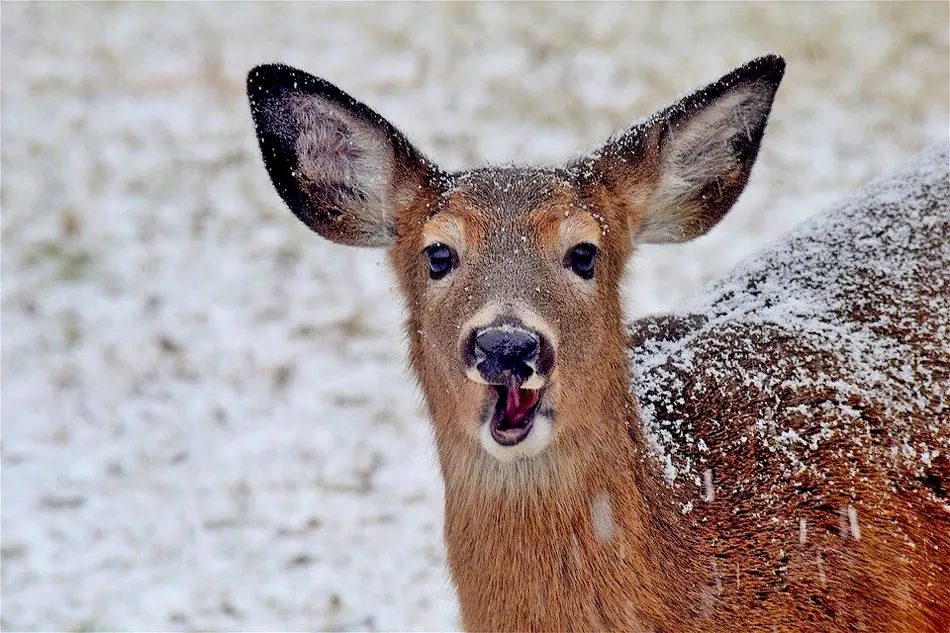
Deer, by comparison, are much quieter animals. They do not produce a bugle and rely on much more subtle communication methods. Common sounds for deer include:
- Soft bleats used by fawns to call for their mothers.
- Sharp, explosive snorts used as an alarm signal when a predator is detected.
- Low grunts used by bucks during the rut to communicate with does.
These sounds are rarely heard from a distance, making deer much more elusive and difficult to track by ear compared to the thunderous presence of an elk.
Common mistakes when identifying elk and deer
A frequent error for beginners is confusing a young elk, known as a calf, with an adult deer. Because calves are smaller than adult elk, they can appear similar in size to a mature white-tailed deer at a distance. To avoid this, look at the facial structure and the length of the legs. Elk calves have a more blocky, square-shaped muzzle, whereas deer have a more pointed, refined nose and face.
Another common mistake is assuming that all brown animals in the forest are the same species. People often overlook the environment, which is a major clue. Elk are generally found in higher elevations, mountainous meadows, and open forests where they graze on grasses. Deer are much more adaptable and are frequently found in suburban backyards, agricultural fields, and dense thickets. If you see an animal grazing in a residential area, it is almost certainly a deer rather than an elk.
Where to find and observe these animals safely
If you are interested in wildlife photography or observation, knowing the habitat preferences of each animal is essential. Elk are social creatures that often travel in large herds, especially during the winter months. They prefer open areas where they can see potential predators, such as wolves or mountain lions, from a distance. You are most likely to spot them in national parks or protected wilderness areas during the early morning or late evening hours.
Deer are more solitary or travel in small family groups, making them harder to spot in large numbers. When attempting to observe these animals, follow these best practices to ensure your safety and theirs:
- Keep a distance of at least 50 yards for deer and 100 yards for elk.
- Never attempt to feed them, as this disrupts their natural foraging habits.
- Stay quiet and downwind to avoid being detected by their keen sense of smell.
- Use binoculars or a telephoto lens to get a clear view without encroaching on their personal space.
By respecting these boundaries, you can enjoy the natural beauty of these animals without causing them unnecessary stress or danger.
Key facts
- Elk are significantly larger than most deer species, with adult bulls weighing up to 700–1,000 pounds.
- White-tailed deer are smaller, typically weighing between 100 and 300 pounds depending on the region.
- Elk antlers are branched and grow in a distinct, sweeping curve, while deer antlers are more compact and forward-facing.
- Deer are primarily browsers that feed on leaves, twigs, and fruits, whereas elk are mixed feeders that consume both browse and grasses.
- Elk possess a light-colored rump patch that is highly visible, a feature not found on most North American deer species.
- When identifying animals in the wild, look at the neck; elk have a dark, shaggy mane, while deer necks are generally uniform in color.
The bottom line
While both elk and deer belong to the Cervidae family, they are easily distinguished by their size, physical markings, and social behaviors. Elk are massive, herd-dwelling animals with distinct rump patches and shaggy manes, whereas deer are smaller and more elusive. Understanding these key differences in size, antler shape, and habitat preferences will help you accurately identify these majestic mammals during your outdoor excursions in North America.
People also ask
Do elk and deer belong to the same biological family?
Yes, both elk and deer belong to the Cervidae family. This means they share common traits like cloven hooves and the ability to grow and shed antlers annually.
Can elk and deer interbreed in the wild?
No, elk and deer cannot successfully interbreed. They are distinct species with different genetic structures that prevent hybridization in natural environments.
Which animal is more aggressive toward humans?
Elk are generally more aggressive, especially during the fall mating season known as the rut. Deer are typically more timid and prone to fleeing when they sense human presence.
Do both male and female elk grow antlers?
Only male elk, known as bulls, grow antlers. In the deer family, this is the standard rule, though female caribou are a notable exception.
How can I tell their tracks apart if I am hiking?
Elk tracks are larger and more rounded, usually measuring about 4 inches in length. Deer tracks are smaller, more heart-shaped, and typically measure around 2 to 3 inches.
Are elk and moose the same animal?
No, moose are much larger than elk and possess distinct, flat, shovel-shaped antlers. Elk are social herd animals, while moose are generally solitary creatures.
This answer was created with the help of AI research tools and reference sources. Spotted an error? Let us know — we correct mistakes quickly. See our editorial policy.