What do wolves eat?
Short answer
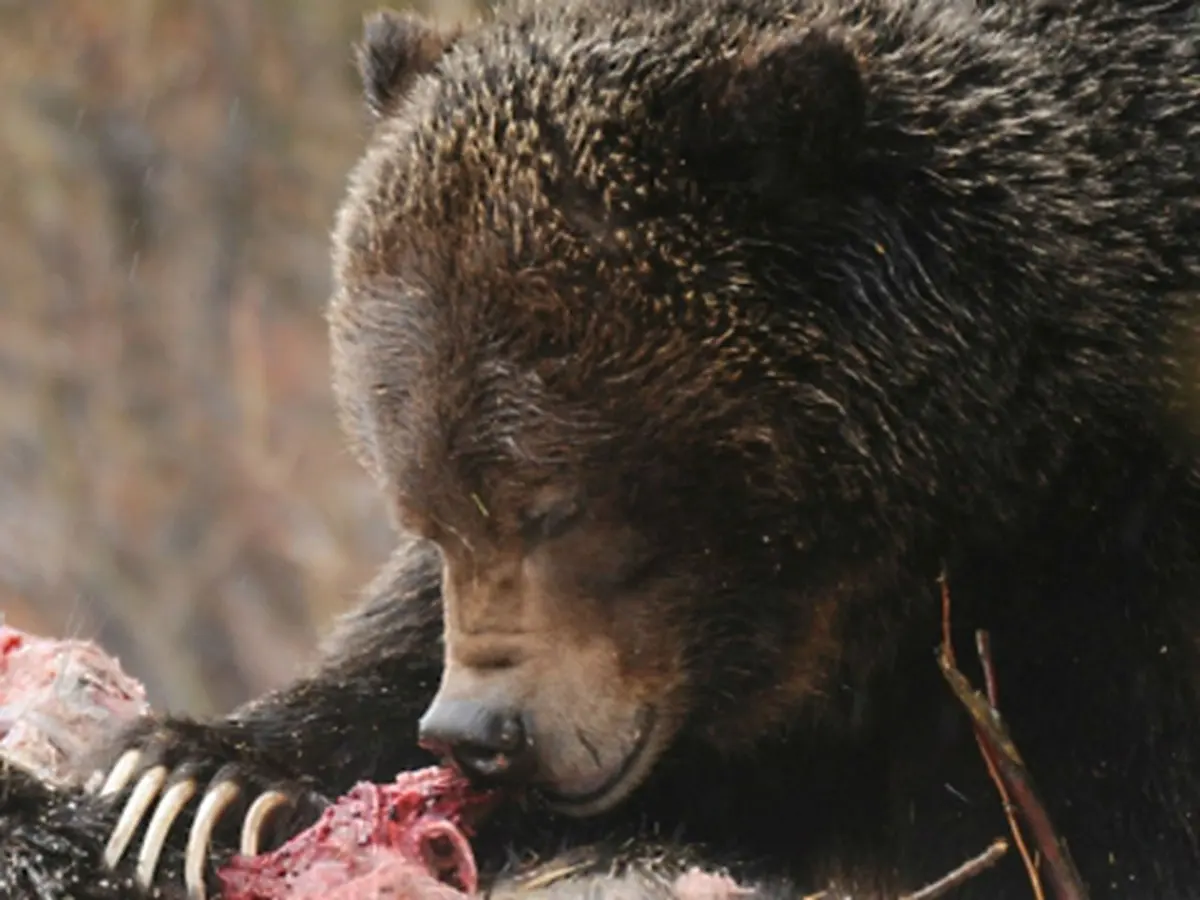
Gray wolves are primarily carnivorous apex predators that subsist on large ungulates such as deer, elk, moose, and bison. While they hunt in packs to take down big game, they are opportunistic feeders that also consume smaller mammals, birds, fish, and occasionally seasonal vegetation or berries to supplement their complex nutritional needs.
On this page
What do wolves eat in the wild?
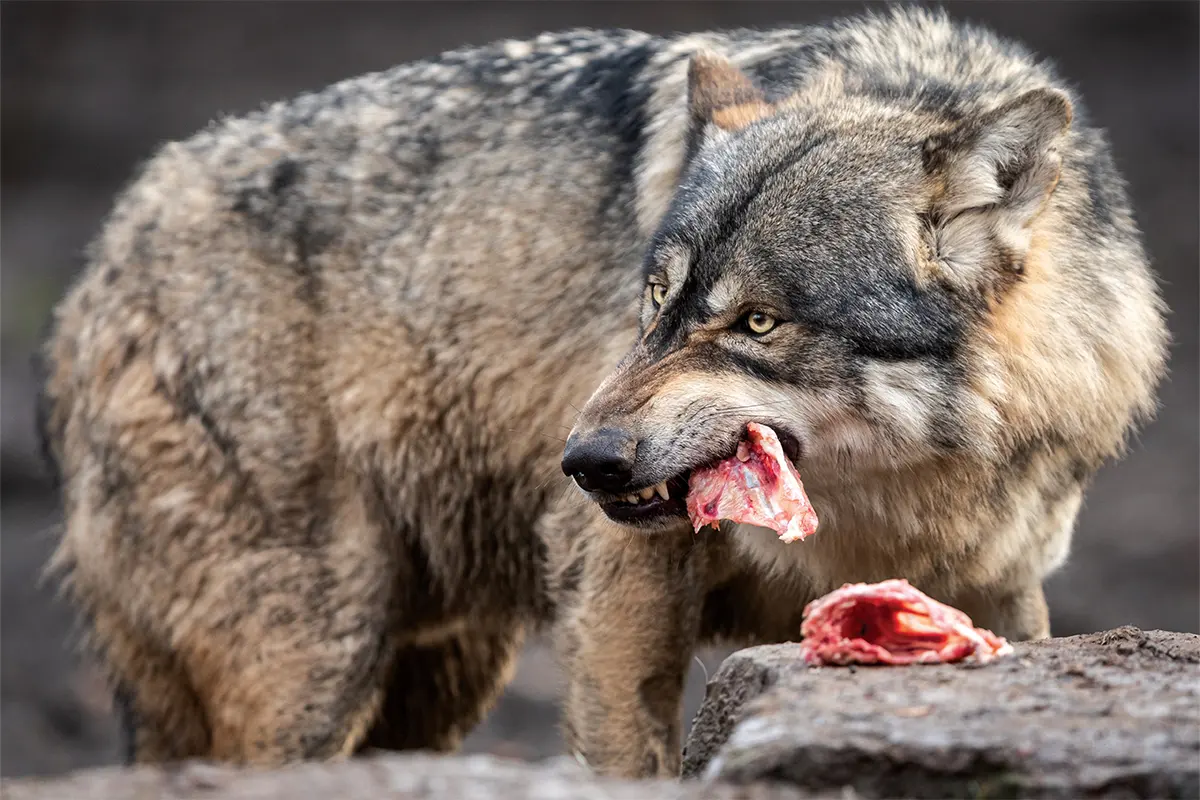
Wolves are classified as hypercarnivores, meaning their diet consists of at least 70 percent meat. Their primary prey species are large hoofed mammals, known as ungulates, which provide the high caloric intake necessary for survival in harsh environments. In North America, the gray wolf frequently targets elk, white-tailed deer, mule deer, and moose. In northern regions, caribou and muskoxen serve as vital food sources.
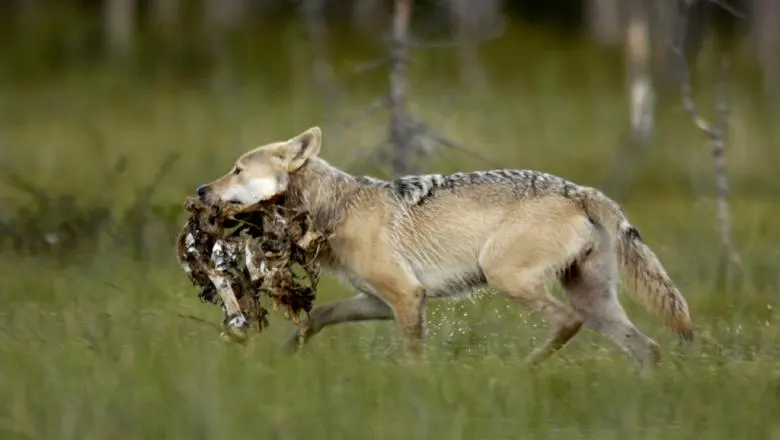
When large prey is scarce, wolves demonstrate remarkable flexibility. They readily hunt smaller animals to avoid starvation, including beavers, snowshoe hares, and rodents. During the summer months, wolves may also consume ground-nesting birds, waterfowl, and fish, particularly salmon in coastal regions. This opportunistic behavior ensures that the pack maintains energy levels even when primary prey populations fluctuate due to seasonal migrations or environmental stressors.
How do wolves hunt their prey?
Hunting is a highly coordinated social activity that relies on the strength of the pack. Wolves typically track their prey over long distances, using their keen sense of smell and endurance to locate vulnerable individuals. They often target the young, the old, or the sick, which helps maintain the overall health of the prey population by removing weaker animals.
The process of a successful hunt generally follows these distinct phases:
- Detection: The pack scouts for scents or visual movement of a herd.
- Stalking: Wolves approach silently to minimize the distance before the chase.
- The Chase: The pack forces the prey to run, testing its stamina and speed.
- The Kill: Once the prey is exhausted or cornered, the pack works together to bring it down.
This cooperative strategy allows wolves to tackle animals much larger than themselves, such as adult moose or bison, which would be impossible for a lone predator to manage.
Why do wolves eat berries and plants?
While wolves are built for a meat-based diet, they are not strictly obligate carnivores in the same sense as cats. Observations of wild wolves have confirmed that they occasionally consume plant matter, including various berries, grasses, and fruits. This behavior is most common during late summer and autumn when vegetation is abundant and sugar-rich.
Experts believe that wolves ingest these items for several practical reasons:
- Digestive health: Fiber from plants may help clear intestinal parasites.
- Micronutrients: Fruits provide vitamins and antioxidants not always present in lean muscle tissue.
- Hydration: In arid conditions, succulent plants offer a supplemental source of moisture.
- Nutritional gaps: During periods of low hunting success, plants provide a quick, low-energy-cost snack.
Though plant matter makes up a small percentage of their total intake, it serves as a functional component of their broader ecological role as opportunistic generalists.
Common mistakes when observing wolf feeding habits
One frequent error made by casual observers is assuming that wolves hunt purely for sport or that they kill indiscriminately. In reality, wolves are highly efficient predators that prioritize energy conservation. They rarely engage in a full-scale hunt unless they are confident in their success, as the risk of injury from a large ungulate is significant. A single kick from a moose can break a wolf's jaw or ribs, potentially leading to death.
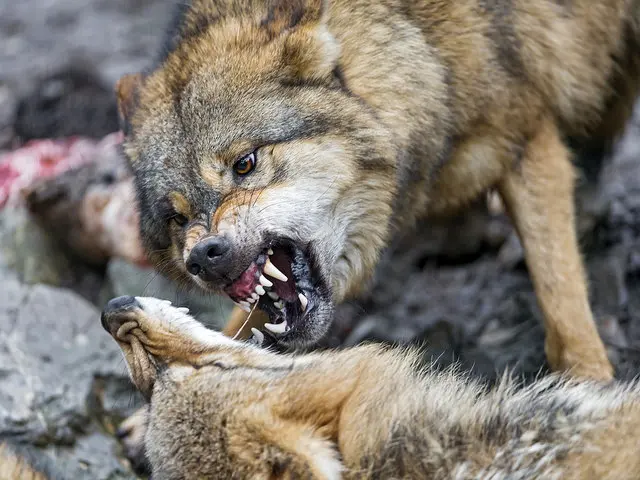
Another misconception is that wolves always finish their kill in one sitting. A pack often gorges itself immediately after a hunt, consuming up to 20 pounds of meat in a single meal. They may then remain inactive for several days while they digest. If the prey is large, they will return to the carcass repeatedly, guarding it against scavengers like ravens, coyotes, or bears until the remains are completely consumed.
How much do wolves need to eat to survive?
A wolf’s metabolic requirements are substantial, especially during winter months when energy expenditure is high. On average, an adult wolf requires about 5 to 10 pounds of meat per day to maintain its body weight. However, their eating patterns are characterized by a "feast or famine" cycle. They may go for a week or more without a successful kill, followed by a period of intense consumption.
To sustain a healthy pack, the group must secure a large kill roughly every few days. The hierarchy within the pack dictates the feeding order, with the breeding pair typically eating first, followed by the rest of the pack members. This social structure ensures that the primary hunters remain strong enough to continue providing for the group. By managing these resources carefully, wolves successfully navigate the challenges of their environment, surviving in climates where food availability is often unpredictable and difficult to secure.
Key facts
- Gray wolves are primarily carnivores that rely on large ungulates like elk, deer, moose, and bison for the bulk of their diet.
- A single wolf can consume up to 20 pounds of meat in one sitting when food is abundant after a successful hunt.
- Wolves are opportunistic predators and will supplement their diet with smaller animals like beavers, rabbits, rodents, and occasionally fish.
- Scavenging is a common survival strategy; wolves will readily consume carrion, especially during harsh winter months when prey is scarce.
- Wolves rarely consume fruits or vegetation, though they may occasionally eat berries or grasses to aid digestion or provide minor nutrients.
- To avoid attracting wolves to livestock, ranchers should use non-lethal deterrents like fladry, guard dogs, or motion-activated lights to protect herds.
The bottom line
Wolves are highly adaptable apex predators that primarily hunt large hoofed mammals to sustain their energy needs. While they occasionally scavenge or hunt smaller prey, their survival depends on the health of ungulate populations. Understanding their dietary habits helps in managing human-wildlife conflicts, particularly for those living near wolf habitats, where utilizing proactive deterrents remains the most effective way to protect livestock and domestic animals.
People also ask
How often do wolves need to eat?
Wolves do not eat every day; they are feast-or-famine eaters. They may go several days without a successful kill, followed by a period of heavy consumption.
Do wolves hunt in packs to catch large prey?
Yes, pack hunting is a primary strategy for taking down large animals like moose or bison. Working together allows wolves to tire out and safely overwhelm prey much larger than themselves.
Will wolves eat household pets?
Wolves are territorial and may view dogs as competitors or prey. Owners living in wolf territory should keep pets indoors at night and supervise them closely during the day.
Do wolves kill more than they can eat?
Wolves typically consume most of a carcass, including bones and hide. Surplus killing is rare and usually occurs only when prey is extremely vulnerable or during specific seasonal conditions.
How much food does a wolf pack need?
A pack's food requirement depends on its size and the availability of prey. On average, a wolf requires about 7 to 10 pounds of meat per day to maintain its health.
Are wolves dangerous to humans?
Wolf attacks on humans are exceptionally rare. Wolves are naturally wary of people and will almost always choose to avoid human contact rather than approach.
Read the full answer →This answer was created with the help of AI research tools and reference sources. Spotted an error? Let us know — we correct mistakes quickly. See our editorial policy.