What is the Polar Bear Swim?
Short answer
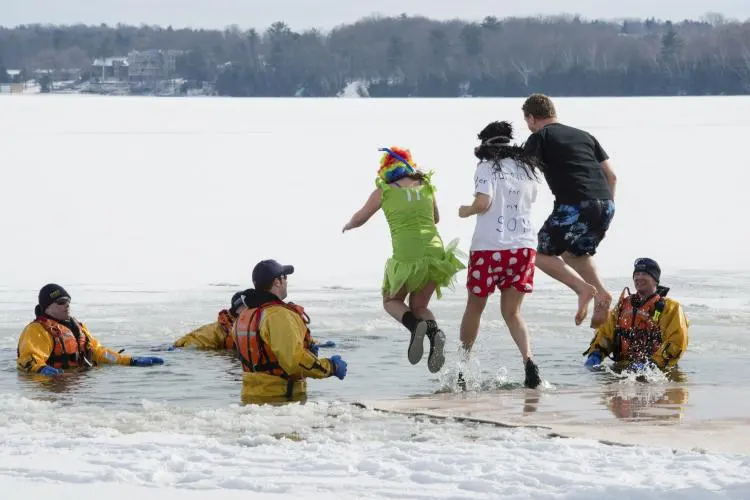
A Polar Bear Swim is a tradition where participants plunge into freezing bodies of water, typically during the winter months. Often held on New Year’s Day, these events serve as charity fundraisers, community celebrations, or personal challenges. While exhilarating, the practice requires careful preparation to manage the physiological risks of cold-water immersion.
On this page
What is the history of the Polar Bear Swim?
The tradition of the Polar Bear Swim began in the early 20th century as a way to promote physical endurance and community spirit. The first recorded organized event took place in 1920 at L Street Beach in South Boston, Massachusetts, where a group of swimmers formed the L Street Brownies. This club popularized the activity, which eventually spread across North America and Europe as a festive way to ring in the New Year.
Over the decades, these swims evolved from informal gatherings into massive, sanctioned charity events. Cities like Vancouver, British Columbia, host one of the largest annual plunges, attracting thousands of participants who brave the frigid Pacific waters. These events are often linked to fundraising efforts for local food banks, environmental causes, or medical research. Today, the activity remains a staple of winter culture, symbolizing resilience and the communal joy of overcoming a shared, icy challenge.
How to prepare for a Polar Bear Swim?
Preparation is essential to ensure that your experience is both safe and enjoyable. Before attempting a plunge, you should consult with a medical professional, especially if you have underlying heart conditions or respiratory issues. Cold water triggers a "cold shock" response, which causes an involuntary gasp and a rapid increase in heart rate and blood pressure.
To build tolerance and confidence, follow these preparatory steps:
- Practice cold showers at home for several weeks leading up to the event to acclimate your body to lower temperatures.
- Choose a location with lifeguards or medical personnel on-site to ensure immediate assistance if needed.
- Prepare a "warm-up kit" containing a thick towel, a warm hat, wool socks, and loose-fitting clothes that are easy to put on with numb fingers.
- Eat a light meal before the swim, but avoid alcohol, as it impairs your body’s ability to regulate temperature and masks the symptoms of hypothermia.
What happens to your body during a cold plunge?
When your skin hits near-freezing water, your body enters a state of acute stress. The immediate reaction is the cold shock response, which can cause hyperventilation and panic. This is the most dangerous phase of the plunge, as the sudden intake of air can lead to inhaling water if you are not careful. Your blood vessels quickly constrict to preserve heat for your vital organs, which puts significant strain on your cardiovascular system.
As you remain in the water, your body begins to prioritize blood flow to the core, leaving your extremities vulnerable. While a quick dip is generally safe for healthy individuals, prolonged exposure can lead to cold incapacitation, where your muscles stop functioning effectively. This makes it difficult to swim or climb out of the water. Understanding these physiological changes is vital, as it emphasizes the importance of keeping your plunge brief and exiting the water as soon as you feel the onset of numbness or shivering.
Common mistakes when doing a Polar Bear Swim
Many participants underestimate the intensity of the cold and make errors that turn a fun tradition into a health risk. One of the most frequent mistakes is staying in the water for too long. The goal of a Polar Bear Swim is the thrill of the initial shock, not an endurance test. Staying submerged for more than a few minutes significantly increases the risk of hypothermia, even if you feel fine while in the water.
Other common errors include:
- Diving headfirst into the water, which can trigger a severe cold shock response and increase the risk of an accidental gasp underwater.
- Forgetting to bring slip-resistant footwear, as icy docks or rocky shorelines become extremely slippery and hazardous when wet.
- Neglecting to dry off and dress immediately after exiting, which allows the "afterdrop" effect to lower your core temperature further.
- Failing to have a warm beverage or a heated vehicle nearby to help stabilize your body temperature once you are out.
Best tips for a safe Polar Bear Swim
Safety should always be the primary focus of any winter plunge. Always swim with a partner or in a group, and never enter the water alone. If you are participating in an organized event, follow the instructions of the organizers and lifeguards, as they are trained to identify signs of distress. If you feel dizzy, confused, or experience extreme pain, exit the water immediately and seek warmth.
After the swim, the recovery process is just as important as the plunge itself. Do not take a hot shower immediately, as the rapid warming of your skin can cause blood to rush away from your core, potentially leading to fainting. Instead, remove your wet clothes, dry your skin thoroughly, and put on dry, warm layers. Drink a warm, non-alcoholic beverage to help your body regulate its temperature naturally. By respecting the power of cold water and taking these precautions, you can safely participate in this bracing and memorable winter tradition.
Key facts
- The Polar Bear Swim is an annual tradition where participants jump into freezing bodies of water, typically on New Year's Day.
- Vancouver’s Polar Bear Swim Club, founded in 1920 by Peter Pantages, is one of the oldest and largest such events in the world.
- Participants should avoid staying in the water for more than a few minutes to prevent the onset of hypothermia.
- Wearing water shoes or neoprene booties is highly recommended to protect feet from sharp rocks, ice, and extreme cold.
- It is common practice to bring a thick towel, a warm bathrobe, and dry clothes to change into immediately after exiting the water.
- Alcohol consumption before or during the swim is dangerous, as it impairs judgment and accelerates heat loss.
The bottom line
The Polar Bear Swim is a spirited tradition that challenges participants to brave freezing waters to celebrate the new year. While it offers a unique sense of accomplishment and community, safety remains the top priority. By preparing with warm gear, limiting time in the water, and listening to your body, you can safely enjoy this brisk, invigorating experience that has captivated thousands of people for over a century.
People also ask
Is it safe for everyone to participate in a Polar Bear Swim?
No, individuals with heart conditions, respiratory issues, or high blood pressure should consult a doctor first. The cold shock response can cause an immediate increase in heart rate and blood pressure, which may be dangerous for those with underlying health concerns.
How long should I stay in the water?
Most participants only stay in the water for a few seconds to a minute. Prolonged exposure to near-freezing temperatures can quickly lead to cold-water shock and hypothermia, even for experienced swimmers.
What should I wear for the swim?
While some wear costumes, a standard swimsuit is sufficient. Adding a neoprene cap or booties can help retain body heat, but avoid wearing heavy cotton clothing, as it becomes waterlogged and heavy once wet.
How do I warm up effectively after the swim?
Dry off immediately and put on multiple layers of warm, dry clothing, starting with your core. Drinking a warm, non-alcoholic beverage like tea or hot chocolate helps raise your internal body temperature gradually.
Why do people participate in these swims?
Many view it as a symbolic "fresh start" for the new year, while others participate to raise money for charity. It also serves as a test of mental fortitude and a way to build community spirit.
Can children participate in a Polar Bear Swim?
Children can participate if they are supervised by an adult at all times. Parents should ensure the child is physically capable of handling the cold shock and has warm gear ready for the moment they exit the water.
This answer was created with the help of AI research tools and reference sources. Spotted an error? Let us know — we correct mistakes quickly. See our editorial policy.